
Welcome to Modern Agriculture!

Introduction to an Organic Shrimp Farming (Prawn)
Prawn farming is an aquaculture business that exists in a freshwater or marine environment, producing Shrimp or Prawns. It is one of the most traded seafood commodities, and aquaculture of Shrimp is considered to be one of the success stories of modern aquaculture. The shrimp farming business generated millions of employments and provides foreign exchange to developing countries. Organic Shrimp farming means farm management follows for Shrimp that introduces an exact requirement to an organic standard. All input materials shall be natural products, avoid using synthetic products and genetic engineering, or any genetically modified organisms. For maintaining the specific qualities of organic status, this management shall be practiced all over the production chain.
The basic principles of organic aquaculture are to produce healthy, disease-free natural seafood, without the use of any chemicals antibiotics and simultaneously, protecting the environment from all opposing conditions. With concern over the environment and health, the demand for organic products is gradually increasing in the global market. It protects the health of consumers by decreasing the overall exposure to harmful antibiotics and chemicals. It is a recognized method of production in a sustainable and eco-friendly manner.
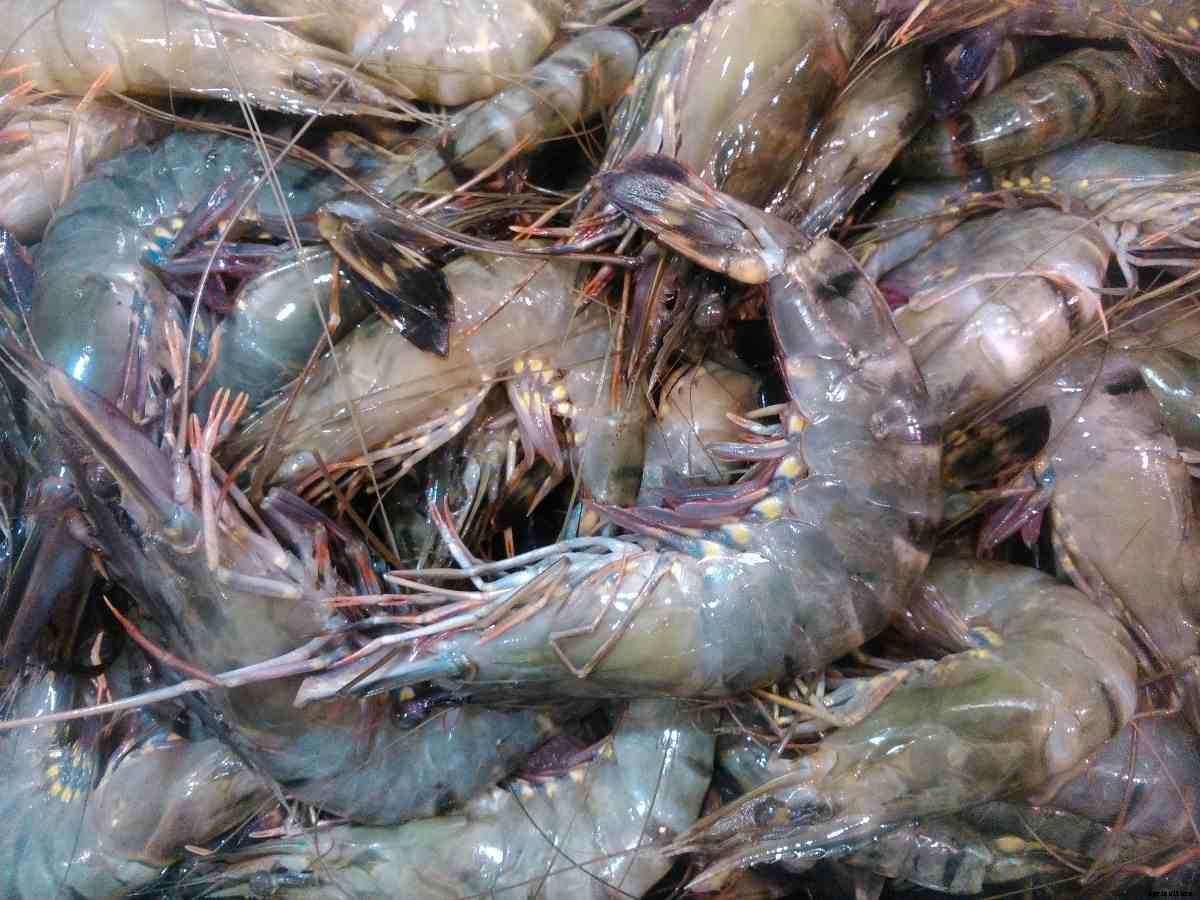
Organic Shrimp costs more compared to conventional Shrimp for several reasons. The final organic Shrimp product easily weighs 12% less with compared conventional Shrimp, which is treated to increase size and weight. The costs incurred to meet the often-strict requirements regarding traceability and the chain of custody certification, in addition to getting certified, all make organic Shrimp a more expensive product.
Breed selection in this farming is also an important task that decides the amount of profit in your business. Growing fast and high yielding breed of Shrimps will yield more production at the last. Grow specific high yielding breed, based on your climate condition. Since growing breed which is fast growing in nature and needs minimum management and care is always beneficial in earning good returns.
Choice of breeds and strains;
The aquaculture’s success can be secure by selecting a site with a high-quality water supply and suitable soil. It is essential to understand the water and soil and characteristics and their ideal necessities to improve the productivity of the ponds.
The soils with moderately heavy texture (sandy clay loam, sandy clay, and clay loam), electrical conductivity value of 4 dS m-1 or more, pH value ranging between 6.5 and 7.5, the organic carbon content of 1.5 to 2%, and calcium carbonate content of more than 5% are well suited for Shrimp aquaculture.
Water quantity and quality governs the failure or success of an aquaculture operation. An annual water budget must be calculated for a potential farm site so that the supply is suitable for existing and future needs. Water must be free from heavy metals and pesticides. Maintenance of good water quality is more important for both the survival and optimum growth of animals. In pond preparation, Water treatment is an important step for the maintenance of good water quality at a later stage.
Soil organic matter is a more important index of soil fertility. Its presence in various proportions influences the productivity of the pond. It also helps in the prevention of seepage loss, rises arability of pond soil bottom, and supplies nutrients. Organic matter helps in reducing the turbidity of pond water and acts as antioxidants. The microbial activity is completely dependent on organic matter.
The earthwork in the construction of the canals, ponds, levees alone comprises 35 to 50% of the construction costs. If capital costs can be lessened while still maximizing productivity and reducing the risks, the farming operation will be more profitable. A proper layout of the farm significantly decreases the cost of construction and ensures the smooth and trouble-free operation of the various facilities and structures allowing proper management of production activities.
Proper construction and designing of farms are important for their effective management and for promoting environmental protection. Good site selection and incorporation of mitigative features in the design of the farm are the best ways to avoid problems related to flooding levels, erosion, seepage, storms, water intake, and discharge points. Proper planning in the construction can prevent or greatly limit the probable environmental impacts. Since site characteristics vary greatly from one place to another place, a site-specific approach to design and construction is essential. A well-skilled construction team under the supervision of a qualified aquaculture engineer must be employed to ensure proper construction. Earthmoving equipment like scrapers, hydraulic shovels, bulldozers, etc. can be used to execute the work expeditiously. In areas where soil productivity is less, the top fertile soil layer must be removed and re-laid after the construction of the ponds. Construction of a supply channel must be done carefully to avoid future problems in water management. The following aspects of the design and layout of the farm must be given importance to avoid key problems in culture;
Physical manipulation of animals for gaining larvae/egg as in the case of eyestalk ablation in tiger Shrimp is not encouraged. Because of the below-mentioned factors, Environmental problems have been created in all farming locations;
A huge stock density within the ponds in concentrated farming management, up from 200,000 to 1,000,000 pieces of Shrimp post larvae per hectare ponds can produce several tons of organic wastes within one crop. When these organic wastes gathered within Shrimp ponds environment, ample organic wastes materials in their bodies are in the form of organic wastes compounds and those organic wastes cannot be used by the phytoplankton through photosynthesis. Bottom soils, and formation of toxic metabolites such as ammonia, methane, hydrogen sulfide, and nitrite, thus contributing importantly to the mortality rates of Shrimp farming.
Availability of leftover feed and phytoplankton dead cells created the accumulation of unwanted organic wastes dissolved in the Shrimp pond bottom soils and mortality happens when the aquaculture Shrimp ponds bottom is deteriorated and polluted. When this happens, Shrimp ponds soil becomes zoothamnium, acidic, damages gills, broken and burned tails, affected metabolism, moulting process is disrupted, the incidence of blue Shrimp syndrome and the onset of fouling, thereby causing mortality.
The quick development of Shrimp farming numbers without the awareness of organic matters, reckless uses of chemicals either pesticide, disinfectant, oxidizing agent or antibiotics have its negative impact on the re-condition natural resources of water supply and had destroyed the natural decomposing bacteria in ponds and natural benthic invertebrates to an unsuitable level for aquatic culture.
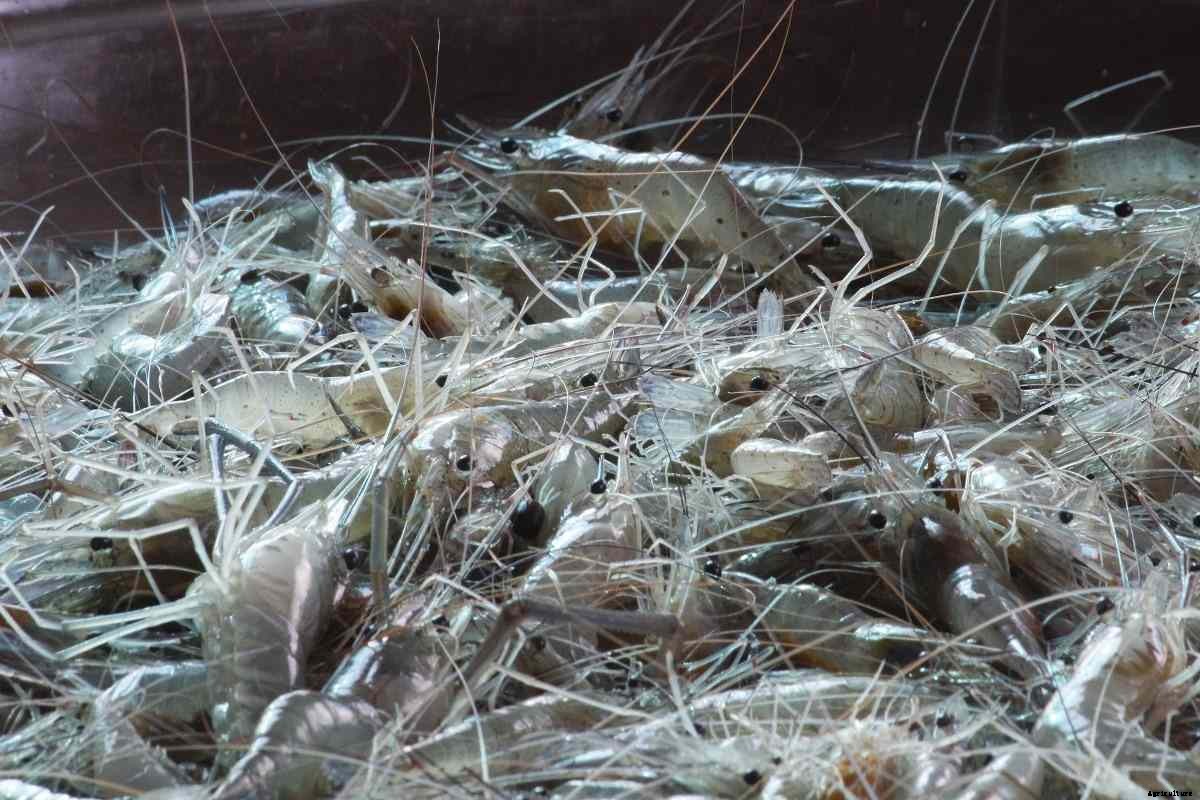
In organic Shrimp production, feed used will be produced from natural ingredients. Materials derived from GMOs are not permitted. Also, the efficiency of feed management can decrease leftover feed which affects feed conversion ratio and environmental problem. Below are the recommendations to follow;
Health management is a role in keeping bottom soil quality and good water through good management techniques. These comprise minimizing water quality fluctuation to decrease stress in Shrimp, maintaining stable populations of microalgae, and maintaining concentrations of harmful substances low enough to not harmfully affect Shrimp physiology and behavior.
Water should be exchanged when necessary and you must always drain from the bottom of the pond to help flush sediments accumulated near outlets. Attendant anaerobic conditions on pond bottoms, accumulations of organic matter, and overfeeding must be managed to preclude the exchange of nutrients between bottom soil and the overlying water.
A preventive approach is the best way of maintaining Shrimp healthily and disease control. The proper Shrimp health management will decrease stress and mortality in addition to improve a better growth rate. The prevention can be done in several ways such as proper feeding practice, soil, and water quality management. Organic Shrimp farming is not permitted to use chemical substances or veterinary drugs, as in conventional farming. Below are the recommendations to follow;
Similar to other farming businesses, diseases are also observed in this Shrimp farming business. Viral infected diseases are common in this farming such as Yellowhead Disease Virus (YHDV ), White Spot Syndrome Virus (WSSV), Infectious Hypodermal and Haematopoietic Necrosis Virus (IHHNV), Taura Syndrome Virus (TSV), Vibrio harveyi are some common diseases that observed in the commercial Shrimp farming.
It is more important to prevent your pond from all these observed diseases to attains a higher yield and to maintain the quality of the Shrimps. Though, maintaining water quality can avoid, all these observed diseases.
You should not miss this: Aquaponics Farming Business Plan.
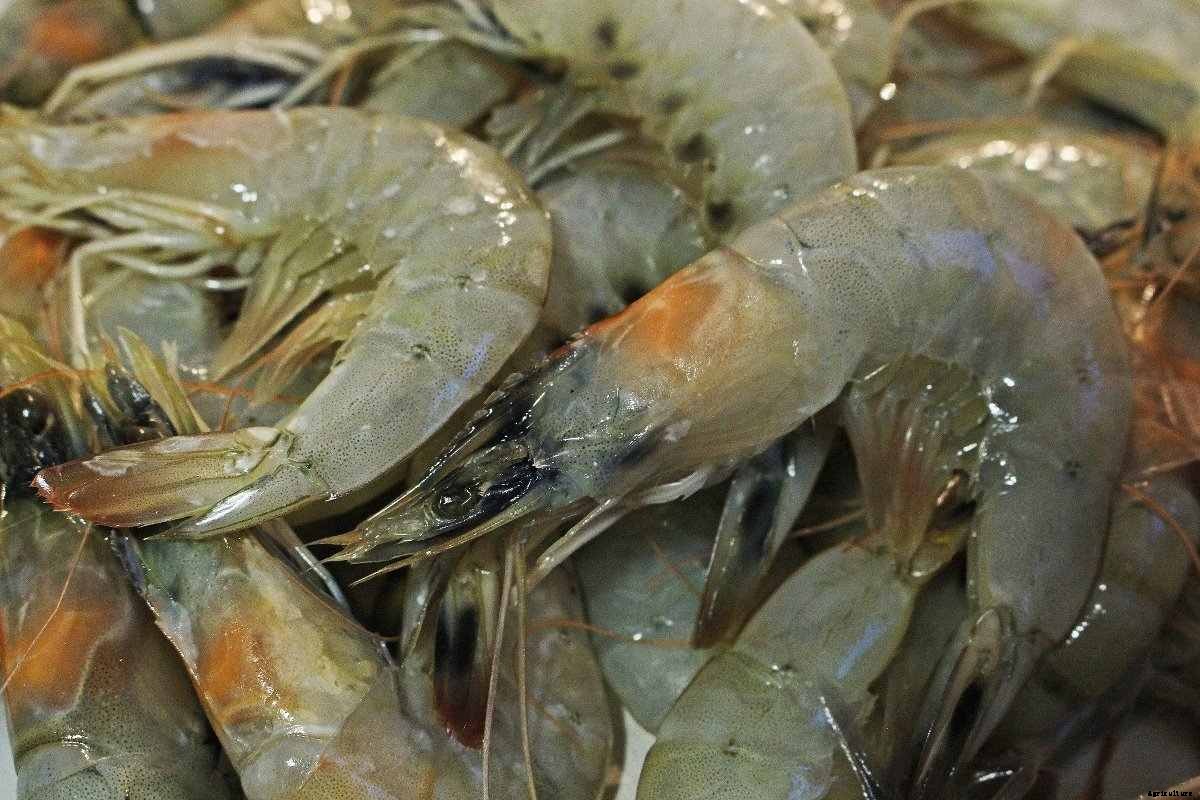
If the Shrimp can be harvested in good condition within a quick period, successful harvesting can be achieved. The harvesting technique must not damage or excessively contaminate the Shrimp with waste. Fast harvesting results in the Shrimp will still be fresh when reaching the processor and will decrease the risk of bacterial contamination.
Generally following two methods of harvestings on farms. These are either by netting the Shrimp within the pond or by draining the pond and catching the Shrimp in a bag net.
In 1st method of harvesting, outlets and ponds should be properly designed and be able to fully drain the pond within 4 to 6 hrs. To collect the Shrimp a bag net must able to be fixed to the outlet, which is carried by the out-flouring water. The best time to Shrimp harvesting is early in the morning and it must be completed before mid-morning. The Shrimp should be frequently removed from the harvesting bag in small quantities to prevent damage.
When netting the Shrimp within the pond, either a large seine net or a small electric net can be used. The water level decreased to 0.5 to 0.75 m deep in the pond and then workers will have to go inside the pond for netting. This method is less advantageous compared to the 1st method; the pond bottom will be disturbed, thus resulting in contamination of the Shrimp. It is also slower and it may take a long time to complete.
Complete Shrimp harvesting can be done by draining the pond water through a bag net and handpicking. With either method, it is essential to hand-pick the remaining Shrimp in the pond, after completion of the drain. Nearly 120 to 150 days of the average culture time is needed in which time the prawns will grow to 20 to 30 gm size. It is possible to get 2 crops in a year. Before transporting the consignment to market, harvested Shrimps can be kept between layers of crushed ice. For better storage and avoid damage, these harvested Shrimps can be quickly killed by giving them a temperature shock (dip in iced water).
In case if you are interested in this: How To Make Money From Fish Feed Production.


