
Welcome to Modern Agriculture!

Introduction to Organic Rabbit Farming
Rabbit farming is commonly referred to as cuniculture and it is low-cost farming and has alternative breeding methods. Moreover, the exciting part is that they are family-friendly animals. Usually, rabbits are raised for meat and some people raise them as pets, however, both can be profitable. Nowadays, people are raising rabbits on a commercial-scale on a small farm as a profitable business. Coming to the ranking, rabbits are the fourth most farmed animal in the world and most are kept in barren environments, generally in cages.
People generally raise rabbits as pets. But raising rabbits commercially can be the best source of income and also a smart way of employment. Nowadays, the annual demand for rabbit meat is increasing rapidly throughout the world. Commercial rabbit production plays a significant role to meet up with this demand. So, the rabbit business has great potential.
Rabbits play an important role in a small sustainable farming operation. In agricultural industries, the most common use is for meat, rabbits also are raised for manure, show, pelts, and laboratory use. If you know the proper feeding and care of pet rabbits, you can expect your pet to live a happy and long life.
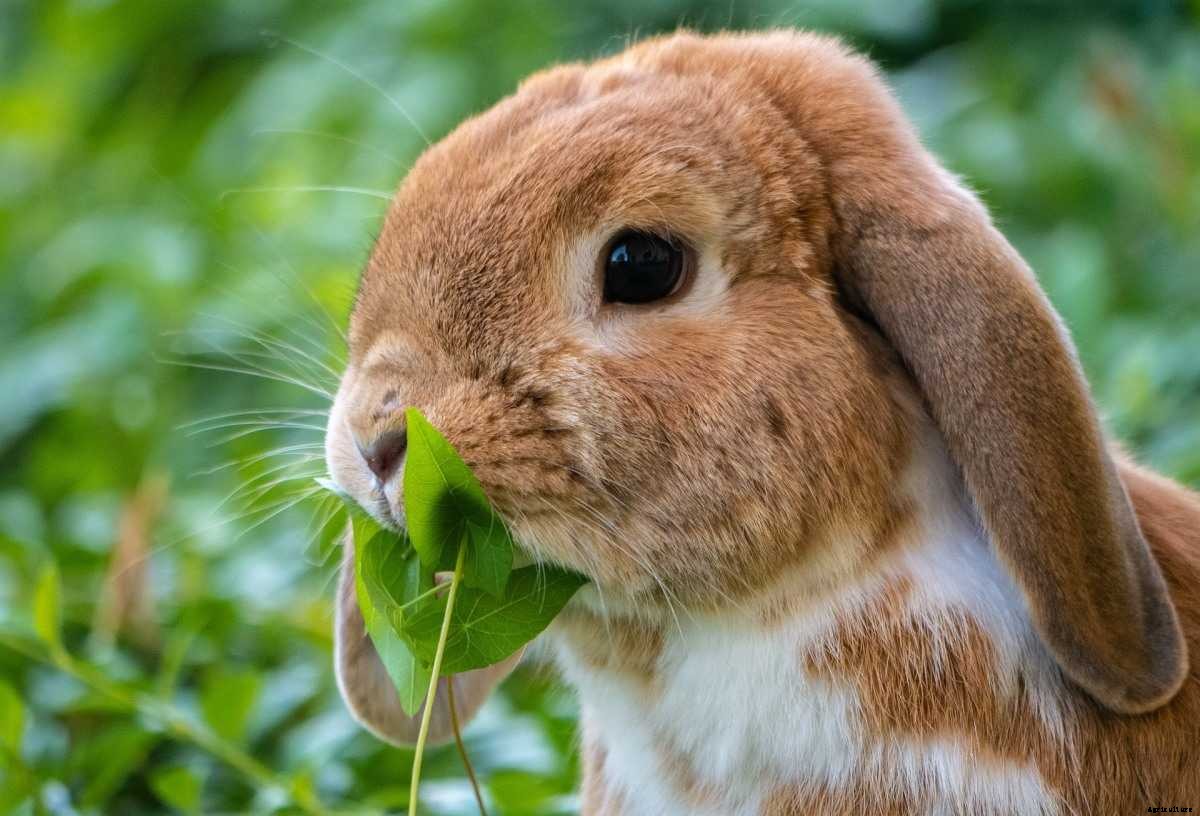
Cage selection is the most important part of Rabbit Farming. Female rabbits are so habitual in cages. Now, the lowest suggested size for the cage is 1.1 meters for living space, height must be 2 to 3 meters (completely based on rabbit height) and 9.7 meters area for playing or movement. Though, a perfect cage for Rabbit farming commercially or hobby or use another measurement 30-inch-deep, 36 in wide and 16 inches tall which well suitable for rearing all kinds of Rabbits. But Other sizes may also work well. Though, the most important part is arranging sufficient space for their movement. Now, there are some considerations too. A rabbit needs a good-sized cage or hutch preferably with two chambers.
Cage Materials – The cage must be made of wood and steel. If you made a cage with wood material then it will be more effective with the same measurement.
Playing Space – If you are growing rabbits commercially, then you have to consider a minimum space for run/exercise. This is more important and ensures healthy animals.
Freshwater is important for healthy rabbits. Be sure to provide your rabbits with fresh, clean water every time. The amount of water a rabbit requires completely based on its feed composition, feed intake, and the temperature of its environment. When the temperature is too hot, rabbits will drink large amounts of water quickly. For instance, a medium-sized doe and her 8-week old litter can drink a gallon of water per day. When the temperature is below freezing conditions, you will need to check your rabbits’ water 2 to 3 times per day to make sure that they have access to unfrozen water at all times. The rabbits must be supplied with an adequate quantity of fresh clean water that means they drink approximately 10 ml/100g body weight per day and up to 90 ml/100 grams of body weight if lactating.
The best foods that support a healthy diet are- Green grass, Hay and vegetables, pellets (minimum 18% fiber).
Though, do not provide these feeds – Chocolate, Biscuits, Bread, Avocado, Potatoes, and rice.
The quantity of feed required by a rabbit will be based on several factors. Below are things to be considered for rabbit food;
A rabbit’s diet must be made up of fresh hay (timothy, oat hay, or other grass hays), good quality pellets, water, and fresh vegetables. Rabbits will likely do very well without pellets if you can supply a balanced ration that meets the fiber, carbohydrate (energy), protein, fat, and mineral needs of your rabbits. Rabbits are herbivores i.e., they can eat plant-based foods. A good rabbit diet contains fresh vegetables, water, hay and fruit, and specially made rabbit food pellets. Feed your young rabbits with pellets, and then gradually increase the amount of hay and fresh vegetables you give them. The pellets are high in fiber and vitamin-rich. Water must be available at all times and near to them. Make sure the fruit, hay, vegetables, and any outdoor plants your pet may graze on are pesticide-free.
Supplement the alfalfa by a wide variety of rabbit-safe, pesticide-free, locally grown, organic, non-GMO green stuff and branches;
Your choices will present themselves seasonally, and this is good. Supplement with black oil sunflower seeds as required
You will need to familiarize yourself with plants that are edible and safe, and those that are not. Green forages are very high in water – from 65% to over 90%. Your rabbits’ water requirements will nearly disappear, at least in the months you can feed the fresh green stuff.
Make available each cage with a mineralized salt ring. The salt can corrode the cage wire, so if possible, hang it in such a way that it does not come into contact with the wire, such as from the top of the cage.
Rabbits need a mix of the following items to maintain a healthy diet;
Hay – Adults rabbits must be fed unlimited timothy hay or oat hays/other grass. Rabbits must eat a pile of hay no less than the size of their body every day. Moreover, because of its high calcium content, alfalfa hay must be fed to young rabbits up to 6 to 8 months old, pregnant, and/or nursing rabbits, only. Giving alfalfa hay to an adult rabbit can lead to health problems. Hay is important for a rabbit’s gastrointestinal health, along with to help prevent dental disease.
Greens – You may offer vegetables, such as mustard greens, dandelion greens, cilantro, radish tops, watercress, romaine, carrot tops, red leaf lettuce, parsley, and escarole. Add one vegetable to the diet at a time to eliminate any item that causes diarrhea or soft stools. At least feed one handful of greens per 5 pounds of the rabbit.
Vegetables – Leafy green vegetables are used to supplement the hay and provide additional nutrients and vitamins. The House Rabbit Society recommends feeding your rabbit a daily mix of 3 different vegetables like collard greens, beet greens, carrots, broccoli, and romaine lettuce.
Rabbit pellets – Rabbit pellets provide added nutrients to your rabbit but must only be fed as an additional supplement to its diet. Rabbit Rescue advises against pellets that comprise seeds, corn, or nuts, as these are not required in the diet of rabbits and can contribute to health problems.
Water – Rabbits must have access to clean, fresh water at all times. Sipper bottles can be used, heard said, but must be checked frequently to ensure they are working properly, as rabbits will chew on the ends and can cause them to jam.
Treats – Every pet can deserve a treat, but be careful which ones you pick for your rabbit. Too many simple starches or sugars can throw the balance of bacteria in their intestinal tracts off, results in illness.
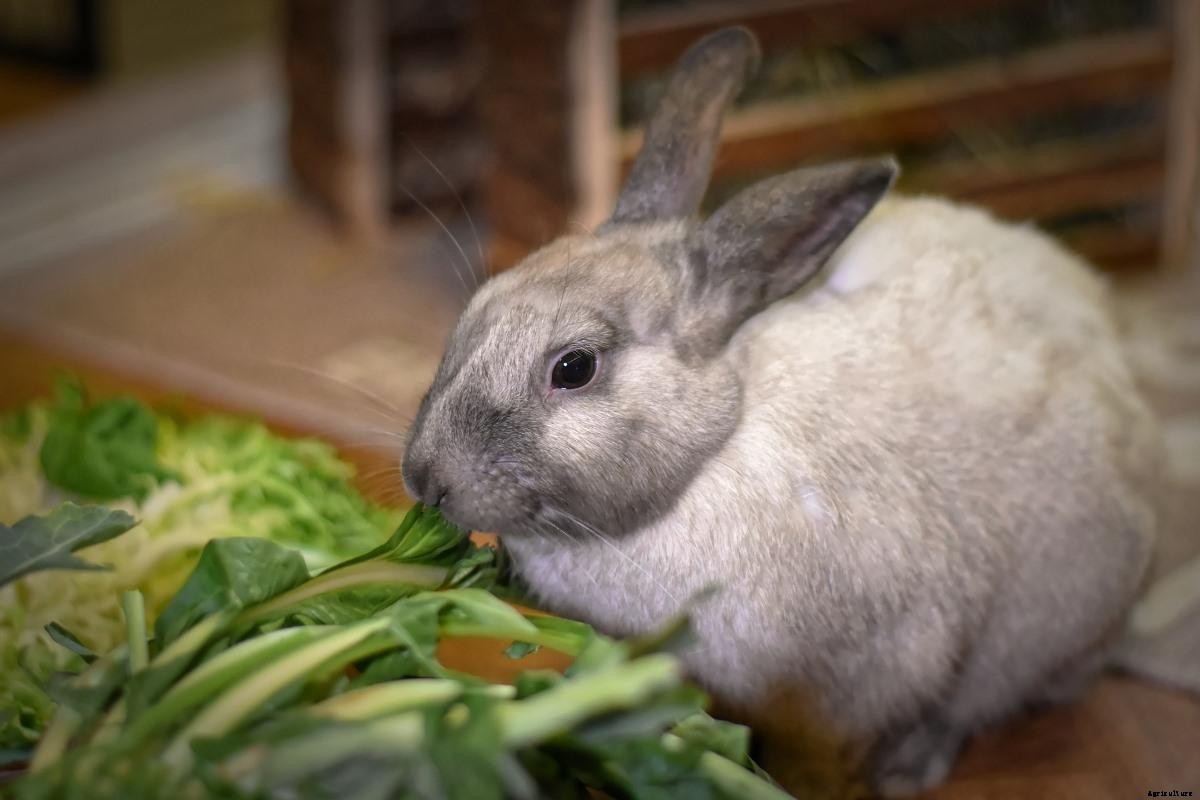
Rabbits must have access to hay always as it would be about 80 to 90% of their daily diet. Their daily portion of rabbit pellets must be around 1/4th cup. Smaller dwarf rabbits under 6 pounds must receive half of that amount per day. While you would think larger breeds of rabbits will require a larger serving of pellets per day, they must eat about the same amount as a regular-sized rabbit. Rabbits must receive fresh vegetables and fruits in the following amounts;
The food selection process is mostly different according to their consuming percentages. It relays on their ages and breed type such as adult Rabbit (6 months);
At that age, we have to provide various type of Food like spinach, carrots, vegetables, green leaf, and cucumber because those things can comprise major things like-
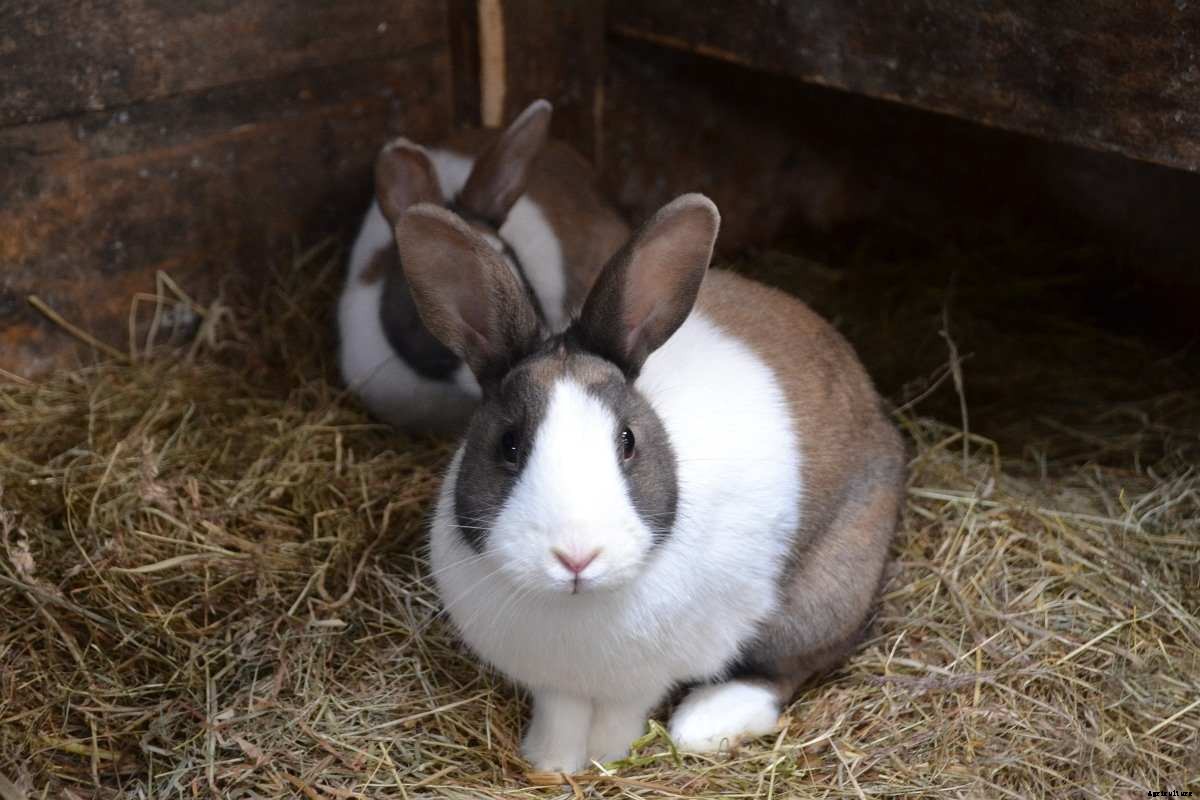
Inflammation or mastitis of the mammary glands is the most common disease in rabbits but it is treatable with antibiotics. The bacteria Pasteurella results in pneumonia and snuffles; chronic Pasteurella sufferers must be culled from the herd. Rabbits showing overgrown teeth, those emerging sore hocks, and poor producers should also be culled.
If antibiotics are used to treat disease, a withdrawal period is needed before slaughter to ensure that residues have cleared the animal’s system. Since hormones and antibiotics are not regularly used in rabbit production, the meat is particularly appropriate for organic and natural markets.
The caring process in Rabbit is different at different maturity and different stages. Though, the general and daily basis care system based on the 2 seasons. However, we should take steps to prevent hassles, particularly in two seasons.
You should not miss this: Organic Shrimp Farming.
Take some necessary steps that keep healthy;
Rabbits do not accept excessive colds, so you need to ensure comfortable and warm housing in the winter season. Below are some tips from rabbit farming experts. Moreover, if you applied a few tips that are very helpful for all Rabbit.
In case if you are interested in this: How To Start A Livestock Feed Production.


