
Welcome to Modern Agriculture!

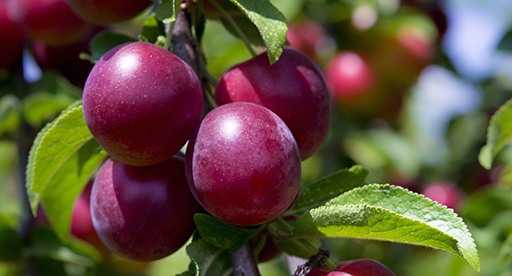
Follow our full guide below to a bumper crop of homegrown plums.
Plums are one of the best fruits to grow in your home garden and produce delicious, juicy fruit with very little effort. The flesh of plums can be red, purple, green, yellow and even white depending on the variety. Plums contain higher levels of antioxidants than most other fruit and they are also a great source of vitamin A, potassium and dietary fibre.
Prepare
For successful plums, grafted trees are the best option. Plum seeds are unpredictable and germination may take up to 18 months. It is best to purchase two year old trees that have been grown from grafted cuttings.
Choose a plum variety based on your taste preferences. Many varieties need a pollinator to ensure fruit is produced, although some are self-fertile. It’s a good idea to plant more than one tree if you have room, to ensure a better fruiting crop.
Popular plum varieties include: Billington, Black Doris, Burbank (Japanese), Damson, English Greengage, Omega, Santa Rosa, Shino and Wilson's Early.
Choose a position in full sun and away from strong winds. They also prefer deep, fertile and well drained soil. Plums will tolerate wetter conditions better than other stone fruit but will develop root rot with excessive water logging.
Like building a house a good foundation is the key to success in your garden. The better the soil, the better your plants will grow.
If you are starting with an existing garden bed dig in organic matter like Tui Sheep Pellets and Tui Compost to your soil. Then you can add a layer of Tui Citrus & Fruit Mix.
Plant
Winter is the best time to plant plum trees in New Zealand.
The best times to plant are early in the morning or late in the day, so the plants aren’t exposed to the hot sun straight away.
Planting plums in the garden
Nourish
Feed your plants and they will feed you. Plums use nutrients from the soil as they grow, so replenishing the nutrients ensures they will grow to their full potential, improving flowering and fruiting so they produce abundant and juicy crops.
Feed your plum tree in spring and summer with a balanced fertiliser such as Tui NovaTec Premium Fertiliser. If you’re wanting to feed for longer, Tui Enrich Fruit, Citrus, Tree & Shrub Controlled Release Fertiliser will feed for up to six months and is formulated with high levels of potassium for optimum flowering and fruiting.
Plums require adequate and regular supplies of water through the dry season. Be careful not to overwater as this can result in waterlogging and split maturing fruit.
While your plums are growing regularly apply a dose of Tui Organic Seaweed Plant Tonic to give them a welcome boost.
Well watered, well nourished plums will have a better chance of keeping insect pests and diseases at bay.
Harvesting
Plums mature from summer through to autumn. It will take about 20 weeks from fruit set to picking. Some trees will take less time, depending on the size of the fruit. Plum fruit will be firm and brightly coloured when close to maturity.
Plums are best picked when ripe, otherwise they may not have the same sweetness. Pick with care to prevent bruising and damage to fruit spurs.
Pruning
Plums produce fruit on spurs that grow on wood that is between 1 and 3 years old. Prune plums yearly in late summer after harvest to a vase or fan shape.
Use sharp secateurs to make clean cuts on an angle, above a bud or branch. Shorten weak laterals, trim back laterals that have already fruited and thin vigorous shoots back by one third. Also, remove any dead, diseased or criss-crossing wood.
tui tips
For tips on growing other fruit tree varieties follow our Fruit Tree Growing Guide >


