
Welcome to Modern Agriculture!

This post may contain affiliate links, which means that I may receive a commission if you make a purchase using these links. As an Amazon Associate, I earn from qualifying purchases.
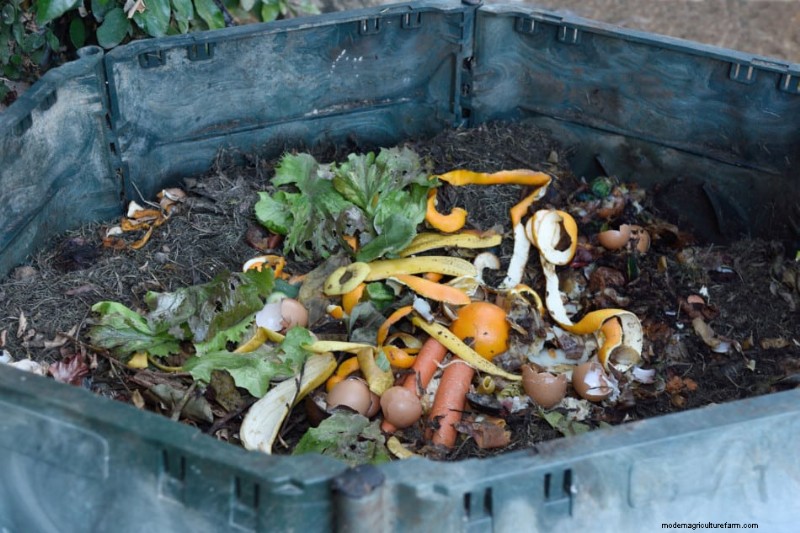
You might be facing this situation: you’ve assembled your first compost heap ever, you’ve waited for a few months, and now you’re wondering whether to turn it. Aside from the burning curiosity of looking inside, do you really need to turn compost? Most information out there says you do, but is turning compost the main factor for success?
I’ve had these same questions while building my first compost heap, and after a long, cold winter, I’ve decided to break up my compost heap, show you guys what’s inside, and assess what I’ve done right and wrong all while turning my compost for the first time.
So what happens if you don’t turn compost? Not turning your compost may keep the heap cold and the processes inside anaerobic, but if the balance of brown vs green ingredients is right, you’ll still get compost. Cold composting takes longer, but it’s nature’s way of breaking down organic matter.
You’ve probably heard many gardeners talk about turning compost frequently. Some even turn it every 2 to 4 weeks. The reasoning behind this is that, in a few weeks, the core of the pile heats up and breaks down, leaving the edges unevenly decomposed.
When turning the compost heap, you want to mix it so that you place the material from the edges in the middle – this way, everything breaks down evenly. You can get quick compost this way, with everything broken down in as little as three months, and that’s why this method is so popular.
You may have heard that you’re supposed to turn the compost heap often to keep it from smelling bad – well, unturned compost isn’t supposed to smell bad! If it does, you may have gotten the ingredients wrong and not the heat levels. When in doubt, add more brown, and the anaerobic processes will slow down.
Now, let’s be honest: most of us are busy with our jobs, and some of us have health problems or lack muscle power to turn a huge heap of compost monthly. Trust me, I’ve tried it myself, and it’s a lot harder than it seems for someone unaccustomed to digging and lifting. Isn’t there a better way?
You may have one of those compost tumblers, and that can ease up the process considerably, but is it enough for all your garden waste? If you’re serious about gardening, you probably have more green and brown material than you can fit in a tiny box.
Gardeners need to be patient when growing plants and when making compost – it’s a process that’s supposed to take time. For these purposes, I’ve decided to build (okay, asked my husband to build) a three-bay system for compost:
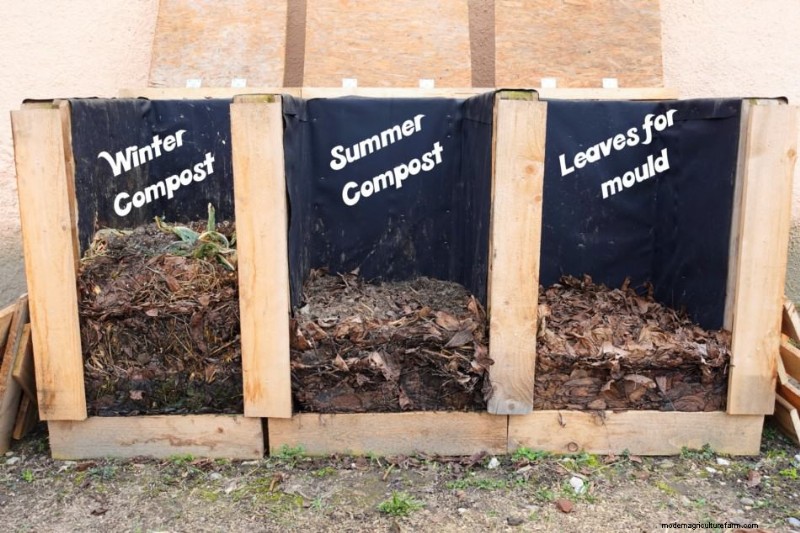
I finished building my compost pile in November after clearing everything from my garden. The heap that resulted naturally had more woody stems and dried leaves – brown material – than fresh green material, although it had plenty of that, too. Building winter compost piles is different for a couple of reasons:
By contrast, compost piles built in the summer have many green, tender materials that generate lots of heat, and the summer weather helps things break down even quicker.
After a long winter, I was sure that I’d get some decomposition. I just didn’t know to what degree. When I removed the sides, I could see a layered look to it – which is what you’ll most likely get if you leave it alone – but the organic matter wasn’t as broken down as I expected.
The middle wasn’t hot. It had a slightly rotten smell to it – a sign of anaerobic activity – and there were lots of intact bits and pieces of vegetables. It also looked wet even though we’ve made sure to cover it and protect it from rain. There were quite a few sowbugs roaming around and isolated clusters of redworms – a sign that the compost heap was cold because they don’t like warm environments. I’ve even had a scared mouse scurry out of the compost pile.
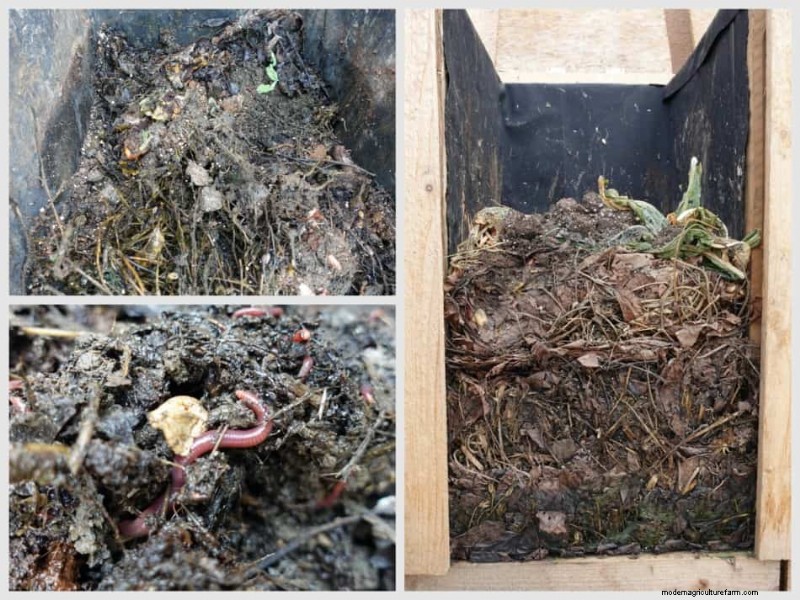
As you can probably see, I’ve made quite a number of mistakes in my first year of composting:
If you’ve made similar mistakes, there are a couple of things you could do for your compost, and a few things to keep in mind for the future piles you’ll assemble:
It took 10 months and my *almost* failed attempt at composting turned out okay in the end. I pulled everything out and built a new pile with layers of sawdust in between. Eventually, the heat of summer kicked in and the compost finally broke down.
It’s now fluffy, hold just the right amount of moisture and smells like the forest floor after a summer rain. In short, it’s spectacular. I’ve made a video so you can see for yourself:
Fast compost may look black and rich, but it doesn’t necessarily mean it’s better or more nutritious than compost that breaks down over the course of a year. In fact, in this video comparing different types of compost, Charles Dowding claims that homemade compost that’s brown and slow to decompose is a lot better for his plants than green compost (from trees and grass) and even aged cow manure.
Turning your compost is not a bad idea, but it’s not always feasible. Not frequently, anyway. The best thing to do in this situation is have multiple compost heaps at different stages and only turn them once or twice, waiting patiently until they are done. It may take a year or two, but you’ll figure out what works best for your composting process, and it will be worth it, too. There’s nothing as precious for the garden as organic, homemade compost.


