
Welcome to Modern Agriculture!

The fragrant dill is a widely known herb. Commonly and widely used in cooking recipes, especially in soups, stews, salads or for baking or roasting steak, the dill is the type of herb you want to grow in your household.
Not only is this easy to do, and you can simply take it from your garden every time you need it for cooking, but it is also a highly sustainable behavior on your part. This being said, it doesn’t take much convincing when it comes to planting, growing and taking care of dill in your own garden.
You cannot mistake anything with the dill. With its feathery leaves and specific, incredibly fragrant scent, this herb is one of the most famous.
It is native to Eurasia and the Mediterranean region, which isn’t surprising at all given how many Mediterranean dishes contain dill. And we have to admit it – they are incredibly delicious and much of that excellent taste is given by this powerful herb.
Apart from being easy to grow and care for, dill is a plant that is a joy to have in your garden each year, given that it is a self-seeding annual herb with a strong scent. Not to mention it is also quite visually pleasing thanks to its feather-like leaves.
Therefore, if you live in a warm climate or can provide suitable conditions for dill to thrive, you should undoubtedly consider planting it. Plus, you don’t have to be an excellent, extremely experienced cook – or gardener for that matter – to grow dill in your backyard. You can simply grow a small patch to fit your needs. And who knows, maybe you’ll enjoy doing this so much that you will begin cooking more.
Growing dill is not complicated. Indeed, it can be a challenge, especially if you are a novice gardener and are a bit timid when it comes to growing and caring for a collection of plants, regardless of how low maintenance they are. But don’t worry, you can start small. In fact, it is recommended not to overwhelm yourself and take your time learning all the details about how to plant, grow and take care of dill.
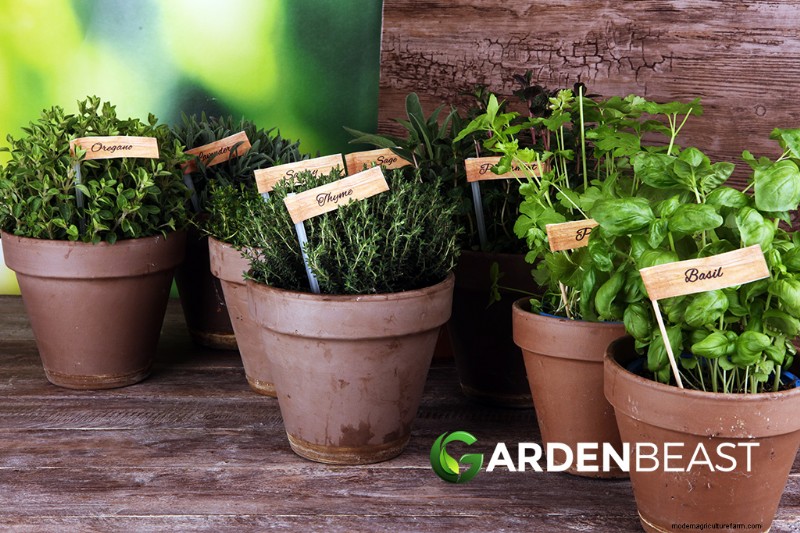 Herb Garden Ideas: Top Herbs to Grow in a Container Garden
Keep reading the following article to discover more interesting facts about this fantastic herb, and learn how to grow and maintain it effectively.
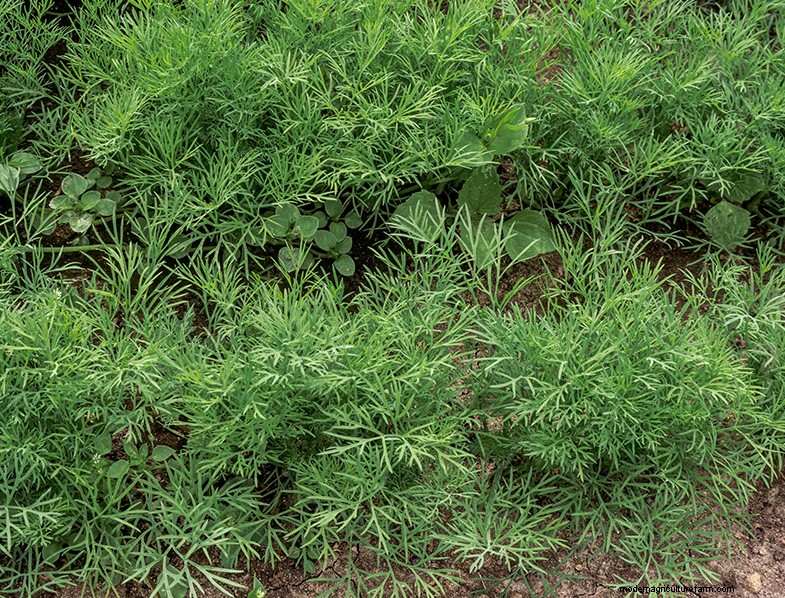 Dill
Dill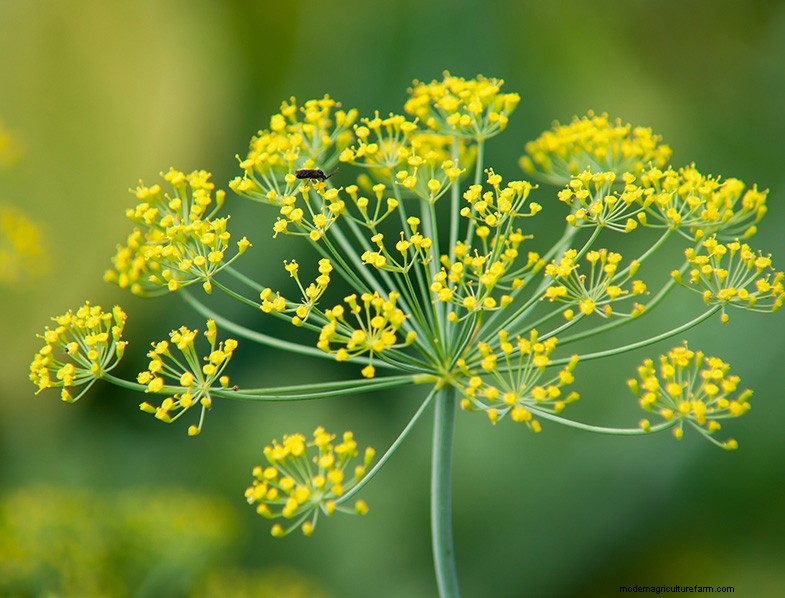 Dill flowering
The main reason why you can easily grow dill is that you aren’t required to have a backyard or front yard garden for this. The good news is you can grow this aromatic and culinary herb both indoors and outdoors, in a container or directly into the ground. Given this aspect doesn’t restrict you, you can choose a variety of dill plants and grow them however you want, depending on your conditions.
This being said, it is crucial you follow some simple rules that ensure your herb will grow healthy. An essential and noteworthy mention if you want to grow dill indoors is to make sure you can offer the herb enough light for healthy growth, more specifically, direct sunlight for 5 to 6 hours during the day.
If you have to use a container, regardless of whether you want to grow dill indoors or outdoors, it is of the utmost importance to know which is the right type that needs to be used. Because this herb can grow tall and has long roots, it is crucial to choose a deep container. In some cases, it may be necessary to use a stake that supports the plant’s growth and its length.
Bestseller No. 1
Fresh Finest Culinary Dill Seed, Whole Dill Seed for Pickling, Dressings, Entrees, Salads, Cooking & Baking, Kosher, Non GMO, 14.10oz (400g)
Last update on 2025-11-18 / Affiliate links / Images from Amazon Product Advertising API
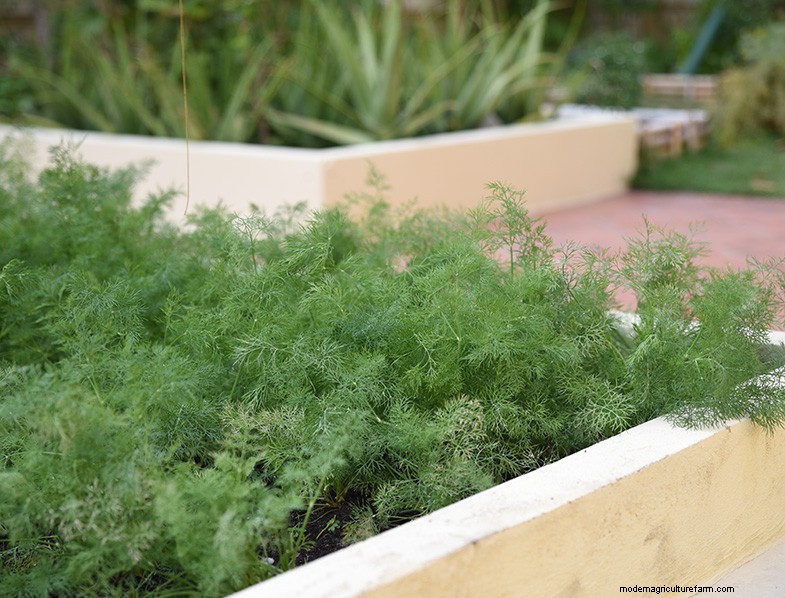 Dill Growing in a Raised Garden Bed
It is important to know how to pick and prepare the soil when it comes to planting dill. Dill plants need nutrient-rich, well-drained and sandy or loamy soil with a pH of 5.5 to 6.5, so slightly acidic, in an area where the herb can receive full sun exposure.
It is also highly recommended to amend the soil with organic matter and well-decomposed compost. If you want to go the extra mile, you can add an inch of mulch around the herb.
The ideal time for planting dill is from April until May, especially if you plan on growing it directly in the garden. In this case, you must make sure the last frost has passed. Alternatively, you can also plant dill during autumn.
As mentioned earlier, you can grow and plant dill both indoors and outdoors, in containers or gardens. Whether you want to plan it in a container or raised bed is up to you and depends on what works best. Either way, this option allows you to move the plant to different locations, provided the herbs are still exposed to direct sunlight.
Another aspect you should know about planting dill is the fact that this herb can be a great companion plant and can benefit from other plants. Dill is an excellent pollinator when the plant’s flowers bloom and a natural repellent for pests like red spider mites, so you can grow dill in your flower garden.
You can plant dill alongside any member of the cabbage family such as broccoli and cauliflower, lettuce, cucumbers, and other herbs such as basil and cilantro and avoid planting it alongside carrots, eggplants, potatoes, caraway, peppers, or lavender.
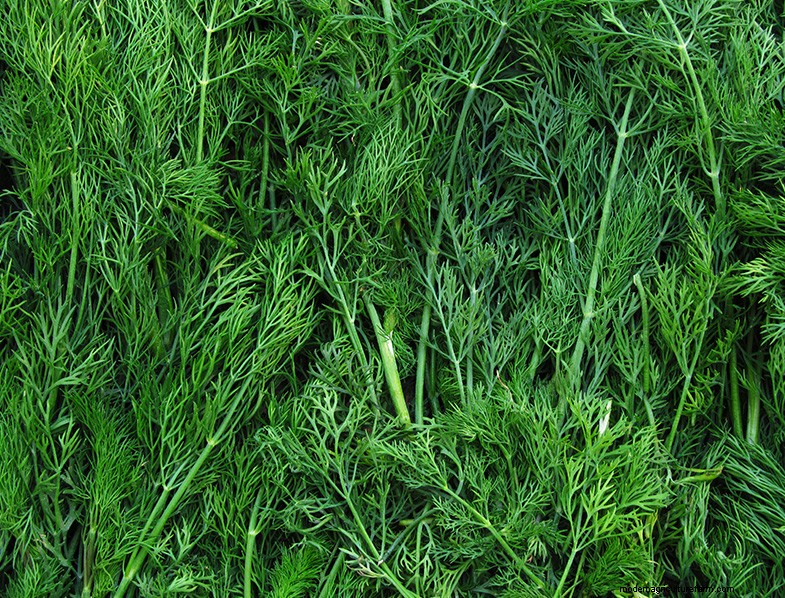 Dill
DillWhen planting dill, you need to prepare the well-drained soil. To ensure the plant will thrive, you need to water the plant so that the soil is consistently moist and well-drained. One thing you should avoid is getting the soil too soaked in water or soggy – this will harm the dill plant. At the same time, the soil should never be left to dry out, so watering needs to happen on a regular basis.
During hot weather and when the plant is young, frequent watering is highly necessary, and the soil cannot be left to dry between waterings.
However, the latter is allowed when the dill plant reaches its mature age. Dill doesn’t like soggy soil, so it’s best to apply the soak and dry method when watering this herb. This means that you need to wait until the first few inches of soil feel dry to the touch before watering again.
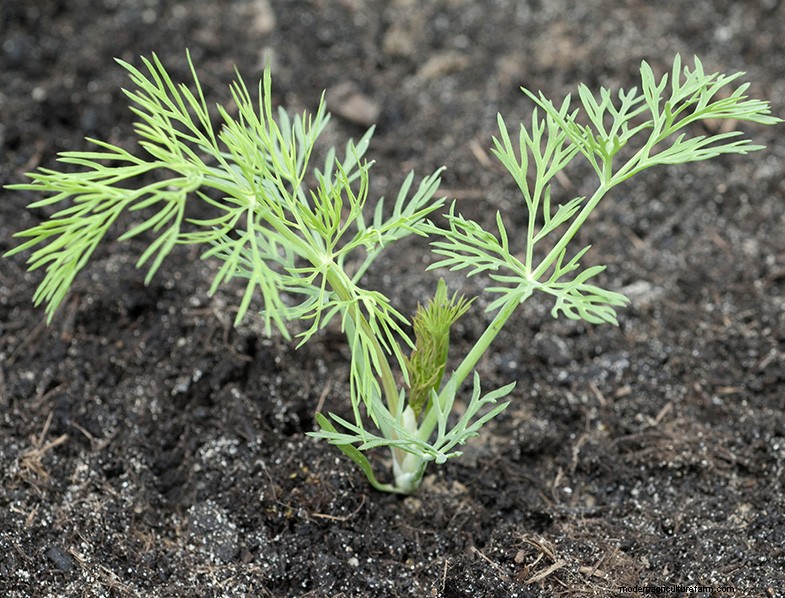 Small Dill Plant Growing
Dill is a herb that tends to self-sow. That means that mature plants’ seeds that fall on the prepared soil can grow into mature thriving dill plants the following year without you having to do anything to support the growth. Therefore, there isn’t something that must be done if you want to propagate dill.
Many plants and herbs deal with various pests, and you may encounter some problems when you decide to build a garden or indoor houseplant collection. But don’t worry, there are easy ways to avoid and solve these issues. As long as you learn about these common problems and pests, you can successfully avoid and eliminate them.
Regarding the dill plant, the swallowtail caterpillar prefers dill as its main source of food. However, these caterpillars aren’t too harmful, and they won’t be present on your dill for too long. Aphids are also a common problem for dill plants. If you suspect your dill plants might suffer from an aphid infestation, it is best to inspect the plants and can wash the aphids off with a hose.
Beneficial insects like green lacewings, hoverflies and ladybugs, which are all attracted to this herb, will feed on aphids and by attracting them to your garden you might be able to avoid future infestations.
Armyworms are another common pest that can wreak havoc on your dill crops. They reproduce fast and the best way to get rid of them is by using a neem oil spray. Spreading diatomaceous earth around the base of your plants can also prevent worm infestations.
Other less common invaders include snails and slugs, tomato hornworms, and grasshoppers.
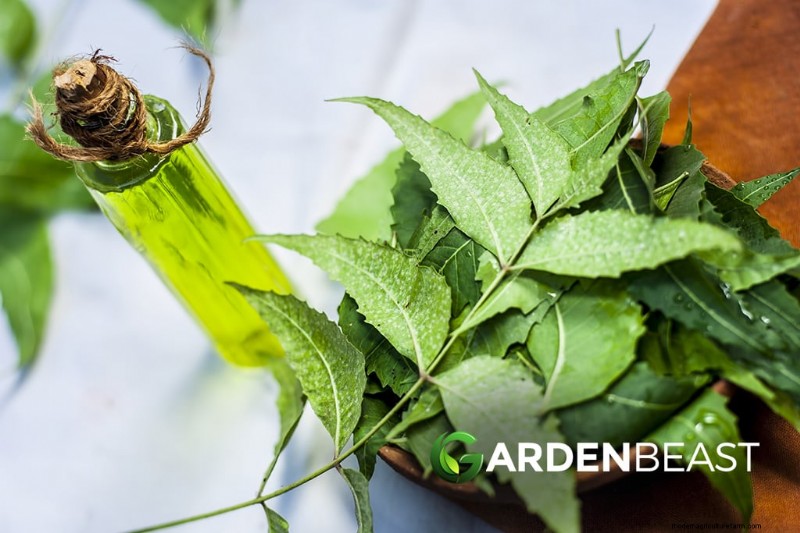 Neem Oil for Plants and Its Uses: Complete Guide to It’s Benefits
If you were having second thoughts about planting and growing dill, it is highly likely these have been relatively eliminated. Knowing how easy it is to take care of this herb is an excellent incentive. Regardless of your experience levels with dill and gardening in general, growing this aromatic culinary herb is not a difficult task if you are a novice gardener.
Not to mention how rewarding it will feel to pick dill from your own garden, wash it, and add it to a new recipe or a homemade meal passed down by generations. It won’t be surprising if you love cooking more once you begin growing dill!
In fact, it won’t be surprising if you decide to increase your dill patch. So, you should trust the process, enjoy this experience, and see where it takes you.
Don’t hesitate to tell us all about your experience with growing and caring for Anethum graveolens, or more commonly known, dill!
110


