
Welcome to Modern Agriculture!

If you are ready to add a great plant to your collection, if your garden feels a little incomplete, or if you felll in love with lavender and wish to try your hand at growing it, the first step is learning more about its growing habits and requirements.
If you are not familiar with all the mysteries this plant hides, let us guide you through its fascinating life. You don’t have to be a beginner gardener to read this guide as we’re sure you’ll still learn something interesting about this plant.
Prized for its everlasting beauty and herbaceous properties, lavender is one of the most popular ornamental plants worldwide. This superb plant is native to various regions of the Old World, such as Europe, the Mediterranean, northern and eastern Africa, and southwest Asia. It belongs to the Lamiaceae family of flowering plants, sharing it with lots of well-known herbs like rosemary, mint, sage, basil, catnip, and salvia.
The Lavandula genus comes with 47 species of flowering plants, but it also contains many other interesting varieties and hybrids. These cultivars vary in size, foliage shape, and flower shape and color. The most interesting Lavender specimens include L. × allardii ‘Meerlo’, ‘Anouk’, ‘Ballerina’, ‘Hidcote’, ‘Little Lottie’, ‘Nana Alba’, ‘Rosea’, ‘Thumbelina Leigh’, and ‘With Love’.
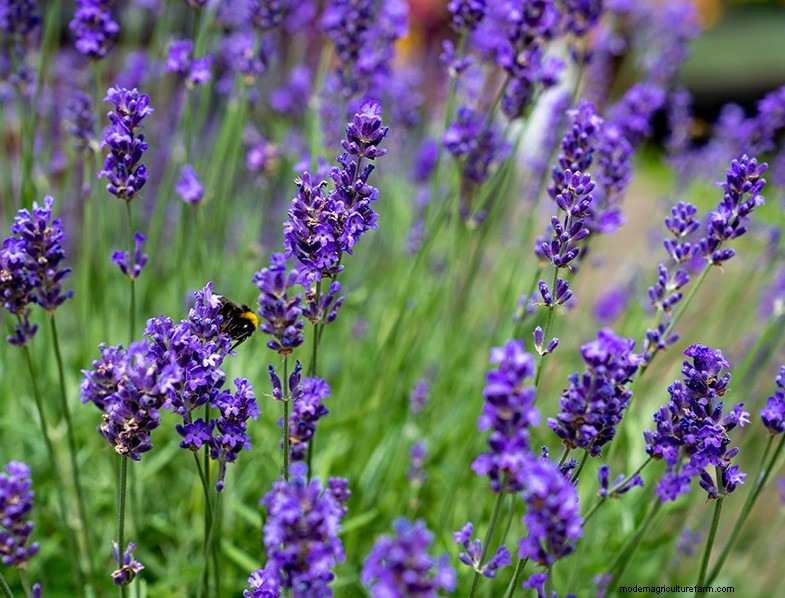
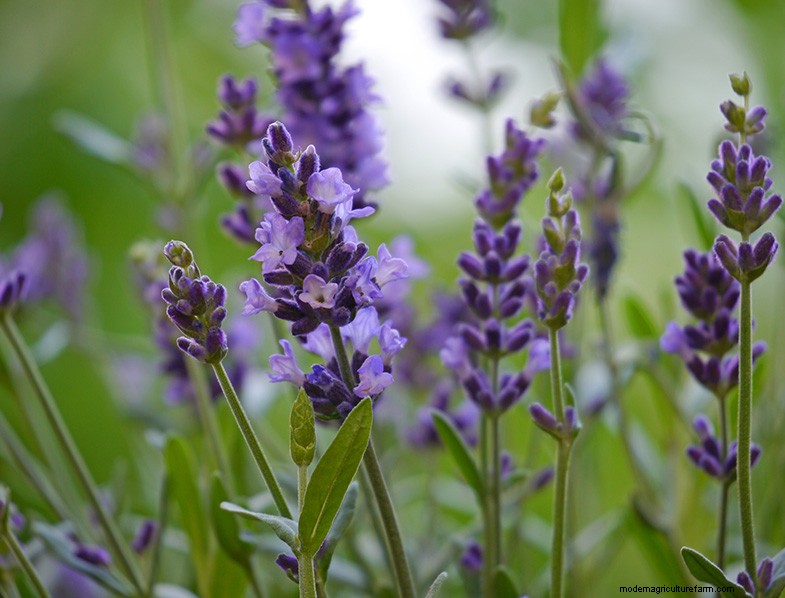 Lavender
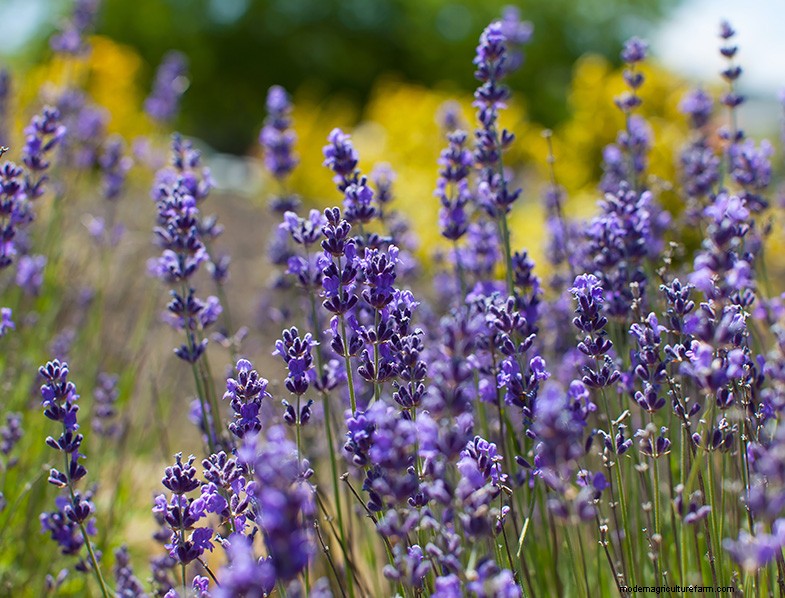 Lavender
Lavender grows healthy and happy in a place where it can receive at least six to eight hours of full sunlight daily. This particular lighting exposure is the best way to promote an overall full bushy look and also lots of flower buds. In general, Lavender cannot tolerate much shade, so you should avoid planting it near trees or other tall species of plants.
When it comes to temperatures, lavender is typically winter-hardy in the USDA zones 5 through 8. However, if you live in a region where the ground freezes during the winter months, your plant will need some extra help to handle it.
Once the ground begins to freeze, add a layer of mulch around your Lavender to protect its roots. Likewise, you will have to grow your plant near a wall to avoid exposing it to harsh winter winds.
Lavender is virtually carefree regarding pest infestations and fungal diseases. Still, this plant can fall prey to diseases once in a while, especially during those stressful periods of winter and summer months.
Besides the cold winter winds mentioned above, the most common environmental condition that can unbalance your lavender is high summer humidity. But no worries! As long as you plant it in a sunny spot and ensure nice air circulation, you will not encounter this issue.
In case you are growing your plant for its dried fragrant blossoms, you must harvest lavender when the flower buds first start to open. Keep in mind that you will have to wait for your Lavender to reach maturity to harvest it properly.
First things first, cut the stems just below the flower stalks with a sharp, sterilized knife. After this process, hang the flowers in small bunches upside-down but make sure the location is warm and provides good airflow.
Bestseller No. 1
Live Aromatic and Edible Herb - Lavender (4 Per Pack), Natural Sleep Enhancer, 6" Tall by 4" Wide in 1 Pint Pot
SaleBestseller No. 2
Live Aromatic and Edible Herb - Lavender (6 Per Pack), Natural Sleep Enhancer, 6" Tall by 4" Wide in 1 Pint Pot
Bestseller No. 3
HOME GROWN English Lavender Seeds 1,500+ Non GMO Wildflower Seed for Planting Indoor/Outdoor, High Germination, Plant Flower Seeds (Lavandula antustifolia)
Last update on 2025-11-22 / Affiliate links / Images from Amazon Product Advertising API
Lavender prefers dry, alkaline soils that come along with very sharp drainage. Like most herbaceous species that produce essential oils, this plant does not do well when planted in soil that is rich in organic matter. If you are using basic potting soil, we recommend you mix in some sand to improve drainage.
If you want to grow your lavender buddies in pots, use clay or terracotta containers that have drainage holes at the bottom. Despite its large spreading root system, Lavender likes to grow in a somewhat tight space. In general, a pot that is too large for your plant will only allow excessive dampness to damage it.
When you plant lavender for the first time, make sure you add a generous amount of compost to the planting hole. You should know that this plant can grow at its best without extra help from fertilizers. In fact, fertilizing your Lavender may shorten its lifespan and also refrain it from reaching its stunning natural potential.
Lavender will benefit from a bit of pruning once every year in spring. However, you will have to wait for signs of new growth before getting into action. This process will help you keep your beloved plant in good shape and encourage new, healthy growth.
While you can cut back about one-third of the taller lavender cultivars, lower-growing specimens can handle only a couple of inches of trimming.
 Lavender
Lavender will need constant moisture only during its first active growing period after you plant them. Spoil your young Lavender with drinks whenever the soil feels dry to the touch to maintain it damp. Make sure you do not over-water them, as too much water can easily lead to root rot and other fungal diseases.
Once established, Lavender becomes fairly tolerant of drought for extended periods. In areas with regular rainfalls, you can even stop thinking about watering your plant for good. This particular feature makes it a perfect companion for beginner growers or forgetful ones. Like they were not already so low-demanding and friendly!
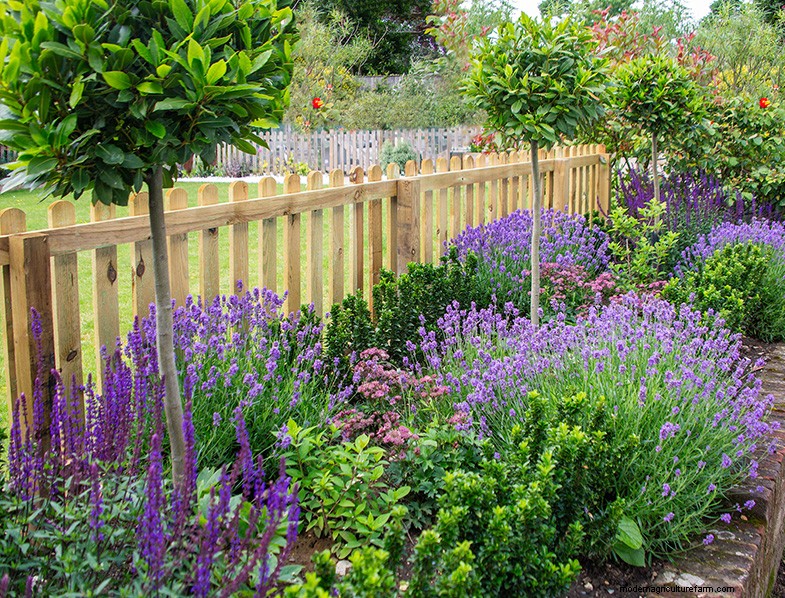 Lavender Bush
Irresistible as it is, lavender will inevitably make you want to add as many specimens as possible to your collection!
The best way to get more of this showy flower is by propagating it through either softwood cuttings in the spring or hardwood cuttings in the autumn. Both methods are very simple, having relatively similar steps that any type of gardener can follow.
Look for healthy stems on your mature lavender and cut about 3 inches (7.5 cm) off them with a sharp knife. If you are using hardwood cuttings, make sure you cut just below a bump of leaf node to increase your chances of success.
Remove the leaves from the bottom 2 inches (5 cm) of the cuttings and also the skin from one side. For optimal growth, dip the cut ends of the stems in rooting hormone before planting them.
Fill a pot with moistened seed-starting mix and plant the Lavender cuttings in it. Cover the container with a plastic bag, then place it in a warm spot that provides filtered light. While softwood cuttings take 2-4 weeks to root, hardwood ones usually need a bit longer.
Once a healthy root system has developed, you can remove the plastic bag and move the pot to a sunny location. Feed the tiny Lavender plants with a liquid fertilizer, but only after you have diluted it to one-quarter strength.
After 2-3 weeks, you can safely transplant the plants in their own larger pots or outdoors directly into the ground in their permanent location.
Lavender is, without a doubt, beloved by gardeners worldwide thanks to its numerous qualities. This plant will look absolutely fabulous regardless of where you decide to plant it. Its easy-going nature will surprise you and with so many amazing cultivars to choose from, the biggest challenge will be to decide which one suits your garden and home best.
Are you growing lavender? Share your experience in the comments!
142


