
Welcome to Modern Agriculture!

Read our guide to highbush blueberries for everything you’ll ever need to know! Tips for planting & caring for “Vaccinium corymbosum”
How wonderful would it be to grow your own blueberries in your backyard or front garden? It may seem too difficult to achieve this as many people think growing blueberries require a great deal of gardening experience.
Indeed, it is crucial to follow some instructions and make sure the plant’s needs are met. This is necessary for any plant in order to thrive. But planting and growing the highbush blueberry is not as complicated as one may think.
So, if you have recently moved into a new house or you have always dreamed of being able to grow your own blueberry bushes, there is no need to wait any longer. With the right attitude, all you need is to be committed to learning how to grow vaccinium corymbosum properly.
Just imagine going into your garden during summer, where you can create your own piece of heaven and pick a few blueberries whenever you want! If you love cooking, or more precisely, baking, you could bake the tastiest blueberry pies or muffins. This will be even more rewarding knowing you have grown the fruits yourself in your own backyard. Not to mention this is a positive habit, encouraging sustainable behaviours by growing your own produce.
Growing healthy food doesn’t have to start and stop at blueberries, as you can grow your garden as much as you want, from planting strawberries, citrus trees, and apple trees to all sorts of vegetables as well. This all depends on the space available to you in the garden.
If you are an inexperienced gardener, it is recommended to take it slow at the beginning and allow yourself to learn all the ins and outs of growing such a garden. So, let’s focus on what it means to successfully plant and grow the highbush blueberries in your front or backyard.
Vaccinium corymbosum is a deciduous shrub that does not require a lot of maintenance. Indeed, growing highbush blueberry can be a challenge, as there are some requirements you must be aware of in order to make sure the plant will grow healthy and it will produce tasty blueberries. Once you learn its needs, the rest of the work will be such a pleasure.
Keep reading if you want to learn how to plant highbush blueberries and discover exciting facts about this excellent plant!
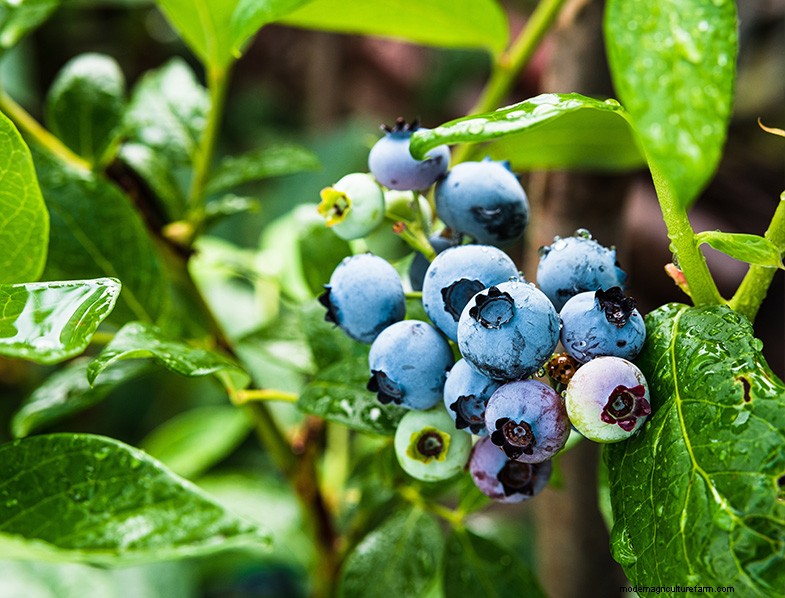 Highbush Blueberries
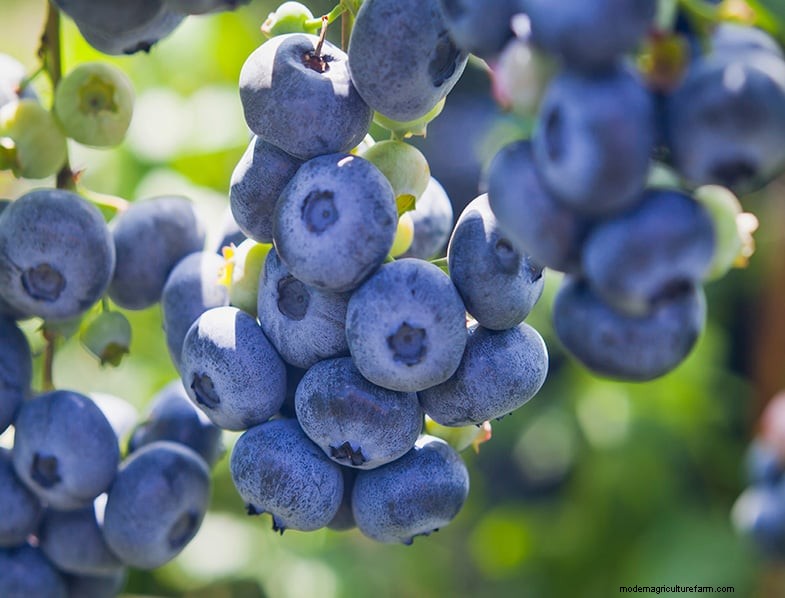 Highbush Blueberries
Growing vaccinium corymbosum is relatively challenging, especially for an amateur gardener who doesn’t have much experience yet. But worry not; following a few simple instructions and staying committed to taking care of your highbush blueberries will ensure their healthy growth. This deciduous shrub has some needs you will have to be aware of and make sure they are met at all times. For this reason, your commitment is crucial.
From making sure you have an available area in your garden where the plant can receive full sun or partial shade to testing the soil to see whether its pH is less than 6.0 and its texture is clay, loam or sand. In addition to this, for your highbush blueberries to grow healthy, it is of the utmost importance to water them moderately. Regular watering is necessary during the growing season when the plant is not yet mature.
Bestseller No. 1

KVITER 100 Highbush Blueberry Seeds (Vaccinium Corymbosum) – Non GMO Fruit Tree Seeds, Heirloom Berry Seeds for Gardens & Containers (USA), Perfect Organic Blueberry Seeds for Planting Outdoors
Bestseller No. 2
Highbush Blueberry Seeds (Northern & Southern Varieties) – 300+ Non-GMO & Heirloom Seeds, Vaccinium corymbosum, Sweet Perennial Shrub Edible Landscapes, by Isla’s Garden Seeds, Gift Idea Home Gardens
Bestseller No. 3
Outsidepride Northern Highbush Blueberry Seeds - 1000 Pcs Perennial, 5-8 Feet Tall, Full Sun, Heirloom for Gardens & Containers, Antioxidant-Rich Fruit for Healthy Eating & Easy Harvest
Last update on 2025-11-29 / Affiliate links / Images from Amazon Product Advertising API
Common pests and diseases that affect Highbush Blueberries include Botrytis cinerea blossom blight (grey mould), Monilinia vaccinii-corymbosi (Mummy berry), powdery mildew, stem canker, blueberry bud mites, flea beetles, Japanese beetles, leafhoppers, and thrips. Although this list of pests and diseases might seem a bit intimidating, you should know that the best treatment is always prevention.
When it comes to managing pests, the easiest strategy is to focus on prevention. A great way to avoid insect infestations consists of placing a floating row cover with insect netting. Another effective way to keep your blueberry bushes healthy is to keep your garden tidy and remove excess weeds and grass.
Blue sticky traps can also be useful, and you can use them to check if there are any thrips around your plants.
If you are dealing with a thrips infestation, neem oil is an effective treatment that will help you control and solve the problem. You can use neem oil as well to help control thrips.
Another effective and eco-friendly way to keep your blueberry bushes safe is by attracting beneficial insects to your garden such as minute pirate bugs, ladybug and lacewings.
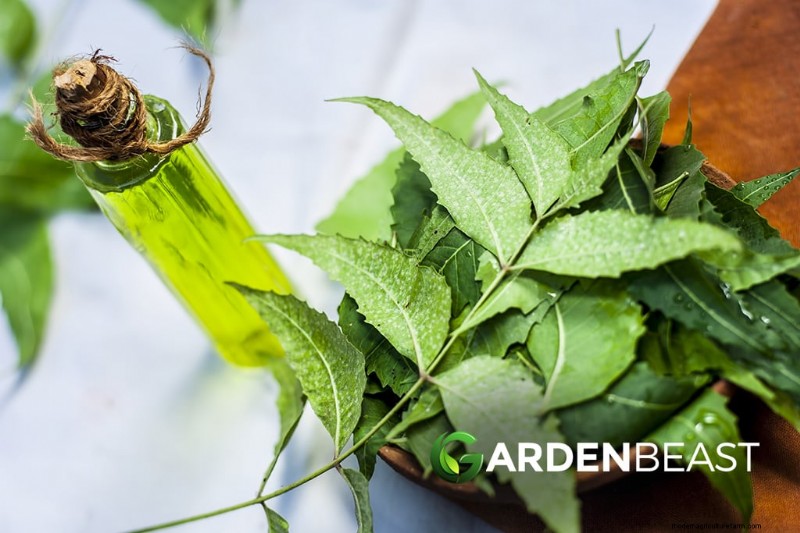 Neem Oil for Plants and Its Uses: Complete Guide to It’s Benefits
As mentioned above, one of the most crucial requirements for planting highbush blueberries is the fact that the soil must be acidic, moist, and well-drained. This means that the pH should not be over 6 and the types of soils you should take into consideration include clay, loam or sand.
Suppose the highbush blueberries are planted in such moisture-retentive acidic soil in a space where the plant can receive full sun or partial shade. In that case, you can rest assured that the vaccinium corymbosum will thrive, and you will have delicious blueberries in no time.
Another essential thing to know when planting highbush blueberries is the fact that you should provide good organic mulch.
If you want to add highbush blueberries to your garden, you should know the ideal area to plant them. This plant thrives in cottage gardens or grown as a hedge, and it looks best planted by Rhododendrons or Azaleas.
This way, not only will you have a fantastic addition to your garden thanks to the plant’s beautiful features, but you will also have your personal stock of fresh blueberries you can use to bake delicious goods or eat raw.
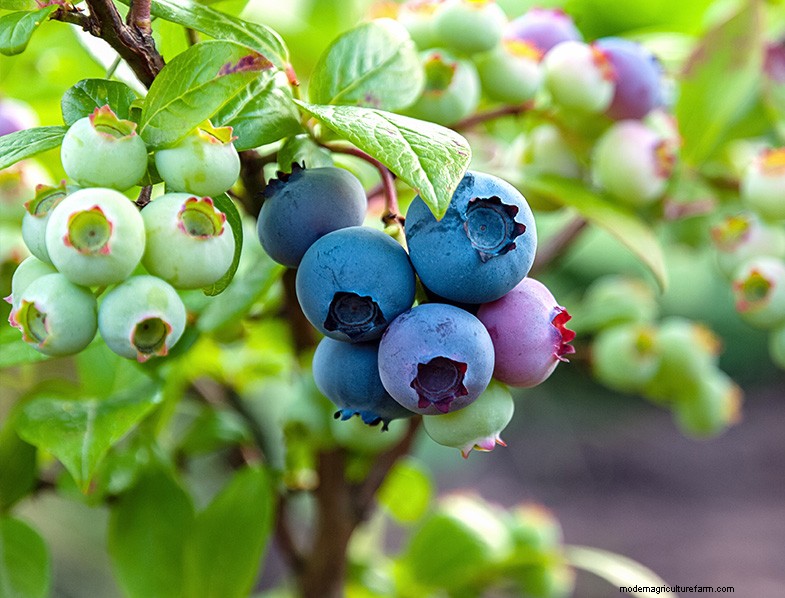 Highbush Blueberries
When it comes to helping your highbush blueberries grow, it is of the utmost importance to make sure their average water needs are met. However, during the initial growth period, it is recommended to water the highbush blueberries regularly. The rest of the time, the plant’s water needs are medium.
Another essential and noteworthy mention is that this acid-loving plant does best when watered with rainwater instead of tap water. This is because the latter contains high levels of calcium and chlorine, which isn’t recommended for the highbush blueberries as this can rise the soil’s pH.
Therefore, try as much as possible to provide rainwater to your plant. Indeed, this may not be possible all the time, but you can store rainwater for about a week before it cannot be used to water the plants anymore.
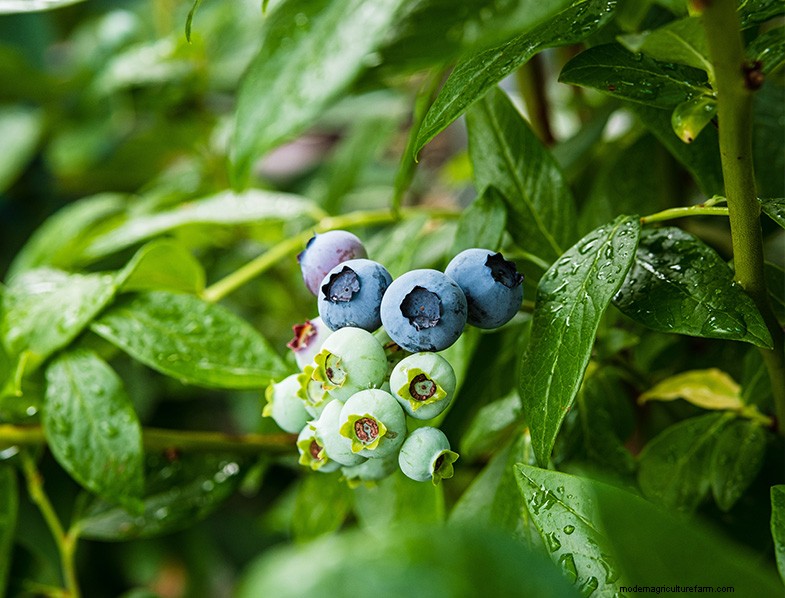 Highbush Blueberries
If you wish to propagate highbush blueberries, stem cutting is one option. You can either use 4 to 6 inches (10 to 15 cm) softwood cuttings during later spring or semi-ripe or hardwood cuttings during early summer. Usually, softwood cuttings are the preferred method. The soil must be prepared with peat and kept damp with misters.
The other option when it comes to propagating highbush blueberries is by macerating and stratifying the seeds before sowing them. If you choose this propagation technique, the seeds should be sown on a slightly acidic and moist soil mix.
Once the seeds are stratified in the fridge for approximately one month, they are fully ready to be sewn into the correct soil mix at about 0.40 inches (1 cm) in depth. It is crucial to know beforehand that it can take the seeds from 6 to 8 weeks to germinate.
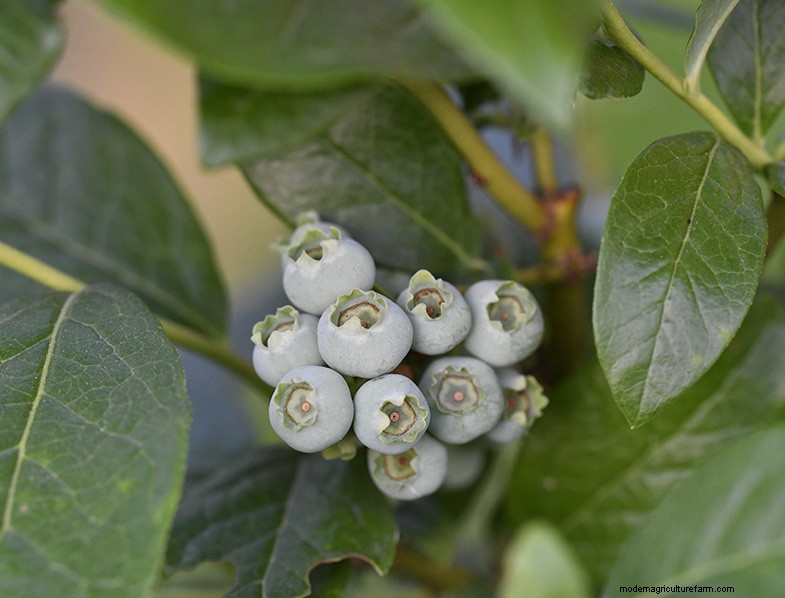 Highbush Blueberries
As you can see, planting, growing and caring for your own highbush blueberry can be challenging, but it isn’t too complicated. So, no matter your experience levels, you can easily learn how to properly take care of this fantastic plant which blooms wonderful flowers and grows some of the most delicious fruits. Simply make sure you have full sun or partial shade and provide moisture-retentive acidic soil so your highbush blueberry can thrive.
Last but not least, the highbush blueberry plant is an excellent choice for naturalized landscaping, thanks to its delicious berries and gorgeous fall foliage and small yet impactful bell-shaped creamy-white or light pink flowers.
Let us know all about your experience with planting your highbush blueberries in the comment section!
82


