
Welcome to Modern Agriculture!

By increasing yields while maximizing land utilization, high-density planting has changed fruit crop horticulture. Producers can receive more plants per acre with this innovative technique, which involves planting trees closer together than with traditional methods. Fruit crop high-density planting is an important part of modern horticulture because it promotes sustainable agricultural practices, increases productivity, and makes better use of available resources. By allowing farmers to harvest fruit earlier, of higher quality, and with more financial benefits, this strategy transforms orchards into extraordinarily productive systems.
Although different fruit crops have distinct needs, this method is effective for a wide range of fruits, including apples, pears, peaches, and citrus. Trees closer together, typically no more than two to four feet apart, improve both the process of photosynthesis and fruit growth. High-density planting allows trees to make better use of the available water, nutrients, and sunshine, which maximizes the fruit yield. Growers utilize dwarf or semi-dwarf rootstocks to regulate tree size, create manageable canopies, and make harvesting easier.
From selecting appropriate rootstocks to establishing irrigation infrastructure, this method demands meticulous planning. Management techniques for thick orchard arrangements include pruning, fertilizing, and pest control. Insight into these ideas may help farmers get the most out of their orchards and ensure consistent, high-quality harvests. This method promotes long-term profitability by making businesses more resistant to changes in the market and weather-related issues. What are we waiting for? Let’s get into high-density planting in fruit crops.
Choosing the right fruit crop varieties is the cornerstone of productive, high-density orchards. Variety selection should be based on local soil conditions, weather patterns, and consumer tastes to provide optimal yields. Dwarf apple cultivars, like Gala and Fuji, are ideal for dense planting since they produce a large harvest at a young age and thrive in close quarters.
Rootstocks that are considered dwarf or semi-dwarf, like Quince for pears and M9 for apples, allow for more precise management of tree vigor and growth. Using these rootstocks, orchards can increase the density of trees from 100 to 1,200 per acre, a significant improvement over traditional approaches. Trees of a smaller size are easier to prune and harvest, which reduces labor costs and boosts output. Growers should evaluate disease resistance since thick canopies raise humidity, which can lead to fungal issues.
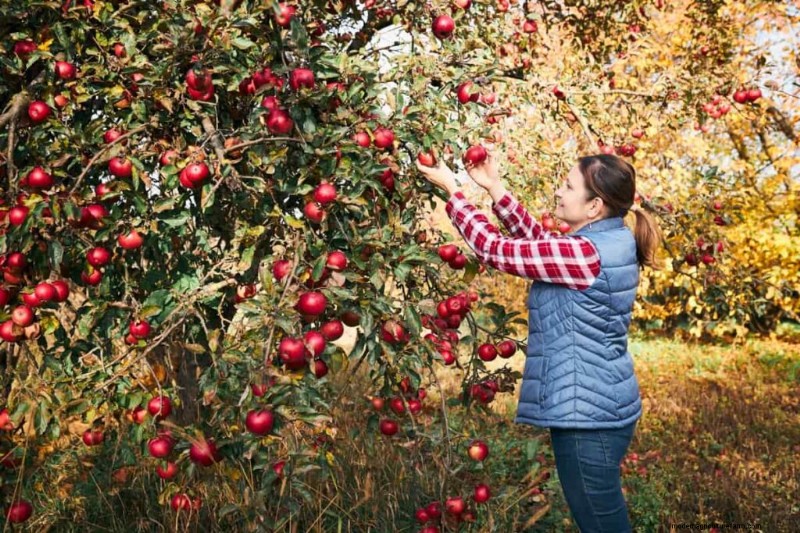
Before planting, soil tests might reveal nutritional deficiencies, which then inform variety selection. Peaches thrive on sandy loams with excellent drainage, while cherries prefer somewhat heavier soils. Rootstock compatibility with scion cultivars improves fruit quality and growth uniformity in high-density orchards. By prioritizing these characteristics, farmers establish orchards that can withstand environmental stresses and deliver consistent harvests over the long term.
An orchard layout that makes the most of high-density planting will yield the best results. A well-planned layout enhances the distribution of resources, circulation of air, and penetration of light—all of which are critical for tree health. Site mapping that accounts for topography, sunshine exposure, and wind patterns is the first step in designing a high-density orchard layout, which defines row orientation and spacing.
Arranging rows in a north-south direction ensures that sunlight reaches all parts of the tree canopy. For optimal tree spacing in orchards, it is recommended to place trees 2-4 feet apart inside rows and 8-12 feet in between rows, considering the crop and rootstock. This planting method improves fruit quality with high-density planting by reducing competition for light and nutrients, which in turn promotes uniform fruit size and color.
In order to support thick vegetation, the design integrates trellis and irrigation systems. Drip irrigation is more efficient because it reaches the roots directly, saving water, although trellises are useful for supporting heavy fruit loads. It is crucial in dense systems where trees compete for resources to ensure consistent hydration, and proper irrigation for high-density orchards accomplishes just that. A profitable and long-lasting orchard can be achieved with careful planning that minimizes disease risk, enhances automation, and boosts total production.
Due to their ability to control tree growth and increase fruit production, dwarf rootstocks have revolutionized high-density planting. Customized rootstocks limit canopy growth, allowing for closer tree spacing without compromising yield. Using dwarf rootstocks for high-density planting allows producers to plant 1,000+ plants per acre, significantly improving production compared to conventional rootstocks.
Some rootstocks, like Gisela for cherries and M26 for apples, promote early bearing, usually within two or three years of planting. Harvesting is easier, trimming is less of a hassle, and pest control sprays reach more areas when using dwarf rootstocks in orchards. Because they use less water and fertilizer, smaller trees improve resource efficiency in dense systems.
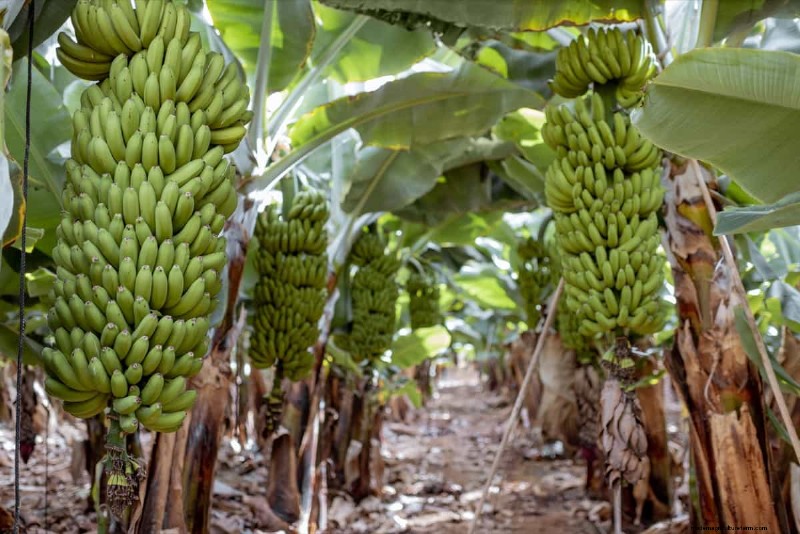 Guava Cultivation (Ultra High Density).
When selecting a rootstock, it is important to think about the scion variety as well as the site conditions. Climate, drainage, and soil fertility are evaluated to assure compatibility when rootstocks are chosen for high-density orchards. For example, in windy weather, M9 rootstocks require staking since they do best in well-drained soils. Use of dwarf rootstocks allows growers to increase fruit yield through high-density planting. This method produces high-quality fruit more quickly and reliably, which improves sustainability and profitability.
Pruning ensures strong trees and abundant harvests in high-density orchards. Regular trimming maintains tree structure, increases light penetration, and prevents dense plantings from becoming overcrowded. The primary objective of pruning techniques for dense orchards is to train trees into optimum space- and fruit-producing systems, like the vertical axis or thin spindle.
By removing diseased or otherwise unhealthy branches and encouraging the growth of a dominant branch, early pruning during planting strengthens the tree. To keep trees in high-density planting in good shape, it’s important to prune them once a year to remove crossing branches, thin canopies, and promote fruiting wood. Fruit quality is enhanced with high-density planting by this method, which ensures that sunlight reaches all parts of the tree. This, in turn, increases sugar content and color development.
Pruning in the winter promotes vigorous development, and summer cutting controls size; thus, timing is essential. For high-density fruit crop training methods like the tall spindle system to maintain thin canopies and minimize shade, precise cuts are required. In thick, humid orchards, trimming improves air circulation, which in turn minimizes disease. Farmers that are skilled in these techniques are able to keep their trees healthy and productive, which in turn produces consistently high-quality fruit.
Efficient irrigation is essential for the upkeep of densely planted orchards, where trees contend fiercely for water. Proper water distribution in dense crops enhances growth, fruit development, and resource efficiency. To water high-density orchards efficiently, a drip or micro-sprinkler system is necessary. These systems hydrate the plants consistently, reach the root zones, and minimize water waste.
Drip irrigation reduces water loss due to runoff and evaporation by transferring water directly to the soil. When planting apples and peaches in dense rows, drip irrigation is the way to go. Depending on the soil and other environmental factors, each tree can receive 1-2 gallons of water each day. This method encourages the optimization of fruit yield with dense planting by maintaining the ideal soil moisture, which is critical for fruit size and quality.
Scheduling irrigation based on evapotranspiration data or soil moisture sensors can help prevent over- or under-watering. Another part of managing water in dense fruit orchards is mulching, which helps to retain moisture and reduces weed competition. Regular, light irrigations are best for sandy soils, while deeper waterings are required less often for clay soils. Improved tree health, reduced stress, and regular fruit output achieved by irrigation optimization can help growers achieve long-term orchard success.
Fertilization is the engine that drives high-density orchards, resulting in bumper crops of fruit. Careful nutrition management is required for dense crops to prevent shortages or surpluses. By considering soil and leaf data, high-density orchard fertilization systems can tailor fertilizer applications to ensure that trees receive an adequate amount of nitrogen, potassium, and phosphorus.
Potassium enhances fruit size and flavor, whereas nitrogen promotes leaf growth. Nutrient management in dense planting involves split applications, with doses given in the spring for vegetative growth and doses given in the summer for fruit development. Improved fruit quality is achieved through high-density planting when nutrients are applied to trees at the optimal time and waste is minimized.
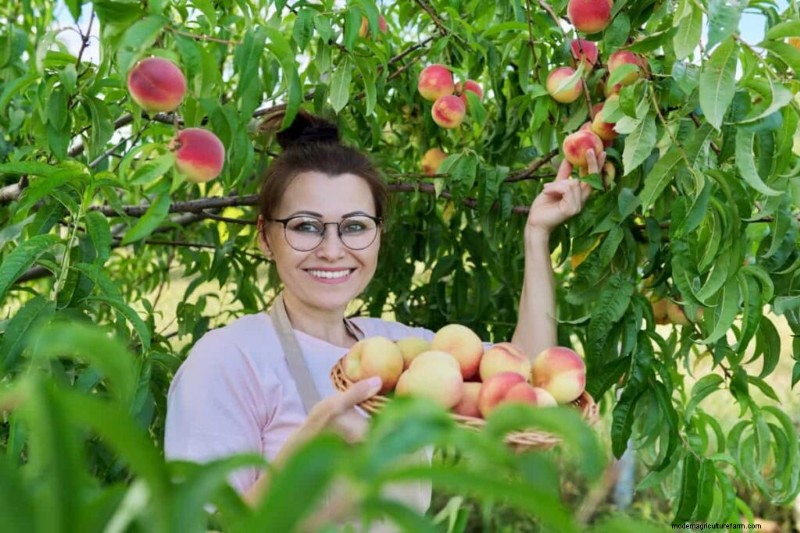
Common micronutrient deficiencies in dense systems, such as zinc or boron, can be remedied by foliar sprays. Soil fertility is improved in high-density fruit crops by using organic amendments like compost, which improve soil structure and nutrient retention. Because overfertilization causes trees to develop excessively vegetatively and produce lower-quality fruit, growers constantly check how their trees are responding. Orchard profitability is enhanced when farmers take the time to balance fertilizer, which helps trees stay healthy, maximizes yields, and produces delicious, marketable fruit.
Pest and disease management helps high-density orchards avoid issues caused by thick canopies. Losses are minimized and fruit quality is maintained by preventative measures. Pest management in densely populated orchards can be made more sustainable by integrating chemical, biological, and cultural methods.
Fungal diseases, like powdery mildew or apple scab, can develop as a result of the increased humidity caused by dense plants. The cornerstones of disease management in dense planting include air circulation pruning, targeted spraying, and resistant cultivars. With these methods, high-density planting can boost fruit quality by reducing defects and ensuring marketable fruit.
Biological controls, such as the introduction of predatory insects, aim to reduce populations of pests like aphids and mites. Integrated pest management in fruit orchards employs monitoring, targeted pesticides, and traps to lessen the environmental impact. Early problem detection made possible by frequent scouting enables targeted interventions. Protecting tree health, decreasing crop losses, and retaining consumer trust in product are all ways producers cultivate a sustainable orchard.
With the help of trellis systems, fruit yield and tree stability can be enhanced in densely planted orchards. These plans streamline administration, make the most of limited space, and guide the development of trees. Stone fruits, apples, and pears thrive in high-density orchards when trained on a trellis system like the V-trellis or Y-trellis.
Reduced manual effort is achieved by the use of trollies, which keep branches within reach during pruning and harvesting. In high-density planting, trellises can prevent branches from breaking under large fruit loads, which is especially helpful for dwarf varieties. This support allows for high-density planting to achieve its maximum fruit output potential by maintaining the tree’s structure and promoting uniform fruit growth.
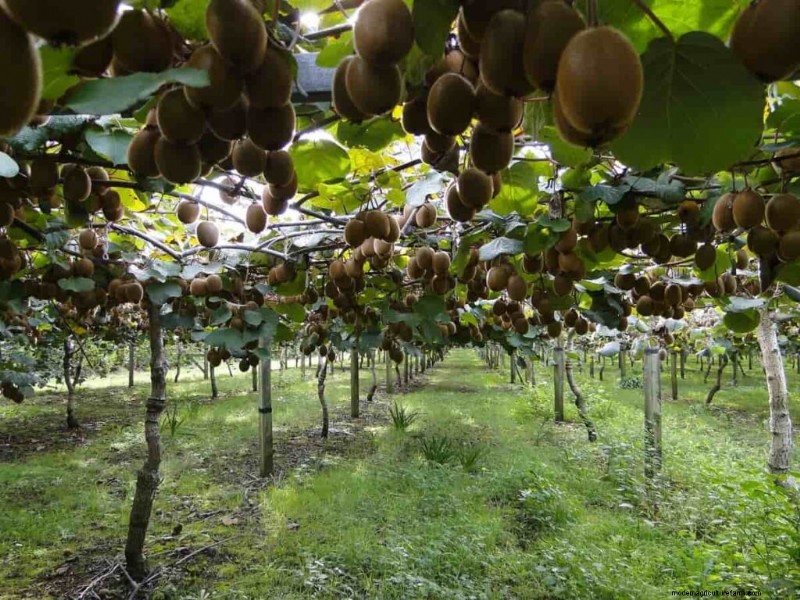
During installation, sturdy posts and wires are utilized, taking into account the crop variety and the layout of the orchard. The use of trellises in conjunction with high-density fruit crop training techniques results in the development of trees into narrow, productive shapes like spindles. Disease risk is reduced by trellises because they improve air circulation and light penetration. Using this technology, farmers can construct orchards that reliably yield high-quality fruit, which in turn boosts productivity and profits.
Trees can be trained to conform their development to planting density, which allows for more efficient use of space and more output. Through careful training, a sturdy structure is established, leading to enhanced fruit production and light absorption. Training techniques for high-density fruit crops that are suitable for certain rootstocks and crops include the vertical axis, thin spindle, and central leader.
Apple trees are trained into narrow, conical forms using a thin spindle system. To control growth and prevent crowding, tree training techniques in high-density planting involve affixing branches to stakes or trellises. This method improves color and flavor while allowing for improved fruit quality with dense planting by ensuring that sunshine reaches all fruiting zones.
The training process begins with planting, and it is heavily modified during the first three to five years. In high-density planting, trees need to be pruned once a year to keep their structure by removing unwanted branches and strengthening the chosen system. Mechanization, spray coverage, and shading are all improved with regular training. By mastering these techniques, farmers can set up orchards that consistently produce high-quality fruit, which boosts their profitability.
Fruit set is driven by pollination in high-density orchards, where dense plantings require meticulous design. Profitability is directly related to fruit quantity and quality, both of which are enhanced through effective pollination. Selecting the right pollinizer types and encouraging pollinator activity are two pollination strategies tailored to high-density orchard crops, such as cherries, apples, and pears.
To guarantee pollination, put pollinizer plants every 50 to 100 feet, like crabapples for apples. Improving pollination and maximizing pollen transmission during fruit harvests can be achieved by timing bloom phases to overlap between pollinizer and main kinds. This method aids high-density planting in maximizing fruit yield by increasing fruit set and decreasing tree blank spots.
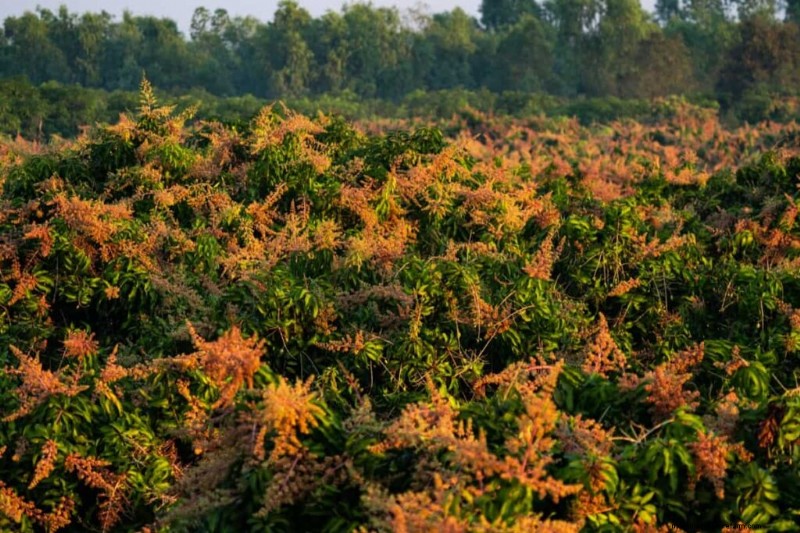
Beehives, which typically have two or three hives per acre, boost the quantity of pollinators that visit flowers when they are in bloom. Providing bees with water sources and protecting them from chemical exposure are important aspects of pollinator management in high-density planting. By keeping an eye on the weather, we can spray during times when pollination is at its highest. If producers put pollination first, they may increase fruit size, achieve uniform fruit set, and make their fruit more marketable—the three pillars of a fruitful orchard.
In high-density orchard management, mechanization increases efficiency while decreasing the demand for human labor. Mechanized equipment works well with dense plantings, which speeds procedures from pruning to harvesting. Mechanization in high-density orchards takes the shape of platforms, automated sprayers, and mechanical harvesters, all of which are designed for small trees and narrow rows.
Automated sprayers lessen pesticide waste and their environmental impacts by applying the chemicals accurately. Mechanical thinning is one labor-saving technique in high-density planting that helps achieve optimal crop load by reducing the amount of time spent manually removing blossoms or fruit. These technologies help improve fruit quality with dense planting by maintaining consistent tree health and fruit size.
Mechanization may save costs in the long run, but it does need an upfront investment. In high-density orchards, workers utilize platforms to efficiently harvest fruit from dwarf trees, which enhances yield. Making sure workers know how to utilize equipment properly is key to getting the most out of it. By embracing technology to boost productivity, reduce dependence on human labor, and stay competitive in ever-changing markets, growers can guarantee the long-term viability of their orchard operations.
Soil health is the foundation of a productive high-density orchard because it increases fruit yield and tree vitality. Soil structure and nutrients are severely compromised by dense plant life; therefore, careful monitoring is required. Regular monitoring of pH, organic matter, and nutrient levels is necessary to guide management decisions regarding the health of high-density orchard soil.
Cover crops, such as rye and clover, improve soil structure and suppress weed development. Organic additions like compost enhance soil fertility in high-density fruit crops by increasing microbial activity and retaining nutrients. These strategies allow for high-density planting to enhance fruit harvest by consistently providing plants with essential nutrients.
For dense systems, mulching is a must for soil temperature regulation and moisture preservation. Two parts of sustainable orchard soil management include rotating cover crops and avoiding compaction by big machines. We conduct soil tests annually to monitor any changes and respond promptly. When farmers prioritize soil health, they can keep tree production going, reduce input expenses, and still get nutritious fruit. This ensures long-term orchard sustainability and environmental protection.
Problems with weather put high-density orchards to the test because of the increased risk of frost, heat, and drought caused by the dense plants grown there. Proactive management ensures stable yields while reducing negative effects. Hardy rootstocks and cultivars, such as citrus trees that can withstand drought and cold, are essential for adapting high-density orchards to climate change.
Frost protection, like sprinklers or wind machines, shields blossoms from spring cold blasts. Fruit crops can be protected from climate stress in several ways; one of these is the installation of shade nets, which can reduce heat stress on cherries and peaches and keep their fruit quality intact. By reducing environmental stress on fruit growth, these methods enhance the quality of fruits grown in densely populated areas.
During times of heavy rain, drainage systems prevent waterlogging, and irrigation adjustments fight drought. Sustainable methods for growing orchards in dense populations include using mulch and cover crops to regulate soil moisture and temperature. It is possible to take swift action, such as changing irrigation schedules before heat waves, by monitoring weather forecasts. To save money, keep production consistent, and make orchards that can withstand unpredictable weather, growers need to address climate change.
Transforming orchard profitability and providing large economic benefits, high-density planting increases yields and efficiency. Because dense systems produce more fruit per acre, they can generate more cash. There are financial benefits to using high-density orchards over conventional methods because the former yield fruit sooner, usually within two or three years, while the latter take five or seven years.
Compared to conventional orchards, which only produce 300–500 bushels of apples per acre, this method produces 1,000–2,000 bushels. In efficient high-density planting, dwarf rootstocks and machinery are employed to progressively reduce input and labor expenses. This strategy promotes dense planting to get the most fruit by making the most efficient use of space and resources.
Irrigation, trellises, and rootstocks are initially costly, but the faster returns are worth it. Most high-density orchards reach a break-even point in five to seven years, so it’s important to factor in startup and maintenance costs when making a budget. Market analysis helps maximize sales by making sure that different versions meet customer demand. Growers get an advantage in fruit production when they consider these benefits and make educated decisions that balance immediate expenses with future benefits.
High-density planting scaling ensures the long-term sustainability and fruitfulness of orchards. By balancing development with resource conservation, strategic expansion maintains soil and tree health. By allowing farmers to try out different approaches on smaller plots before cultivating dense orchards, phased planting helps to lower the risk of failure.
By rebuilding older regions with more modern rootstocks and cultivars, orchards can stay competitive. To ensure the long-term viability of high-density planting, which aids in soil fertility maintenance and reduces chemical usage, it is important to implement crop rotation, cover crops, and integrated pest control. These methods help improve fruit quality with dense planting by cultivating strong, healthy trees.
Even as orchards grow, staff training programs provide consistent management. New developments in high-density fruit crops include precision agriculture, which makes use of drone surveillance and sensor-based irrigation to increase efficiency. Frequent cost and yield analysis ensures profitability by driving expansion decisions. Prudently adjusting the size of their orchards in response to environmental and market shifts allows growers to preserve resources for the future without sacrificing fruit quality.
To improve efficiency, sustainability, and yields, high-density planting is revolutionizing fruit crop production. To meet the growing demand for food around the world, this innovative approach helps farmers make the most of their land and resources. Planting fruit crops at a high density improves fruit quality, speeds up harvests, and saves money; it is an essential part of modern orcharding.
With the help of mechanization, trellis systems, and dwarf rootstocks, farmers may create strong and productive orchards. To get the most fruit out of dense planting, you have to carefully control everything from watering to pollination to make sure the trees thrive in clusters. Sustainable practices, such as monitoring soil health and adapting to climate change, guarantee long-term success by balancing environmental protection with productivity.


