Welcome to Modern Agriculture!

Turn fall leaves into free, organic leaf mulch. Learn how to use leaf mulch to improve your garden soil, suppress weeds, and grow healthier vegetables.
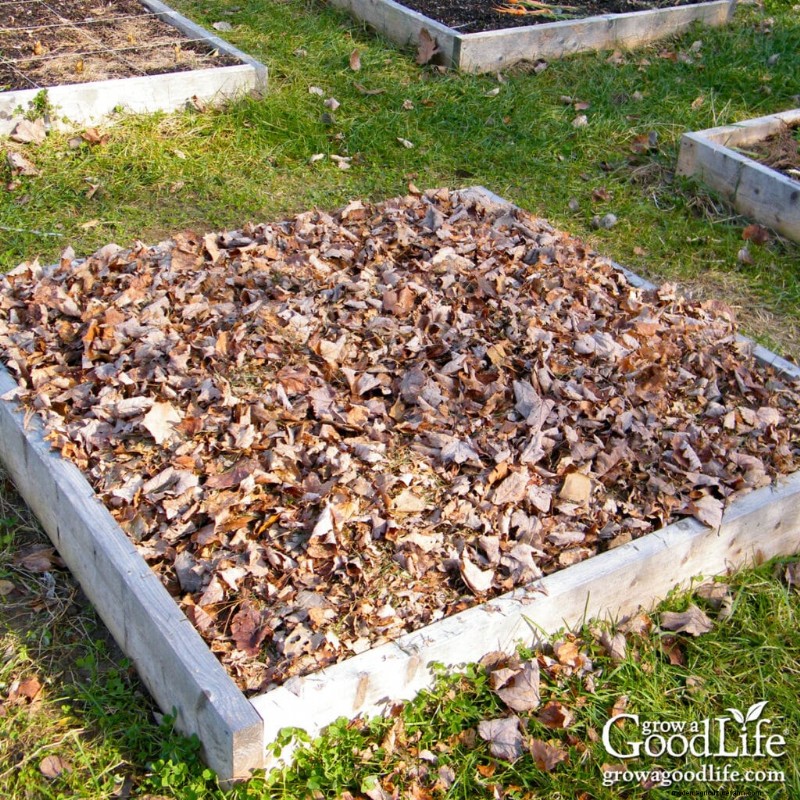
While my neighbors are out every weekend blowing leaves into piles or raking, bagging, and hauling them away, I’m doing the opposite. I let the leaves pile up, then run over them with my mower and bagger to gather and shred them into a perfect garden mulch. Not only does it save me time and effort, but it turns a yard waste problem into a rich, free resource for my vegetable beds.
I first discovered the benefits of shredded leaves one fall after running out of straw. I had a huge pile of leaves in the backyard, so I chopped them up with the mower and spread them over my garlic bed. The following spring, my garlic was pushing through a crumbly, dark layer of organic matter. That’s when I realized I had been overlooking one of the best (and cheapest) mulches available.
The next year, I tried skipping the shredding step and simply raked whole leaves over my garden beds. That experiment didn’t go as well. Whole leaves can mat down into a dense layer that blocks water and air from reaching the soil, and in windy spots, the dry leaves tend to blow away. Lesson learned: Shredded leaves are far superior.
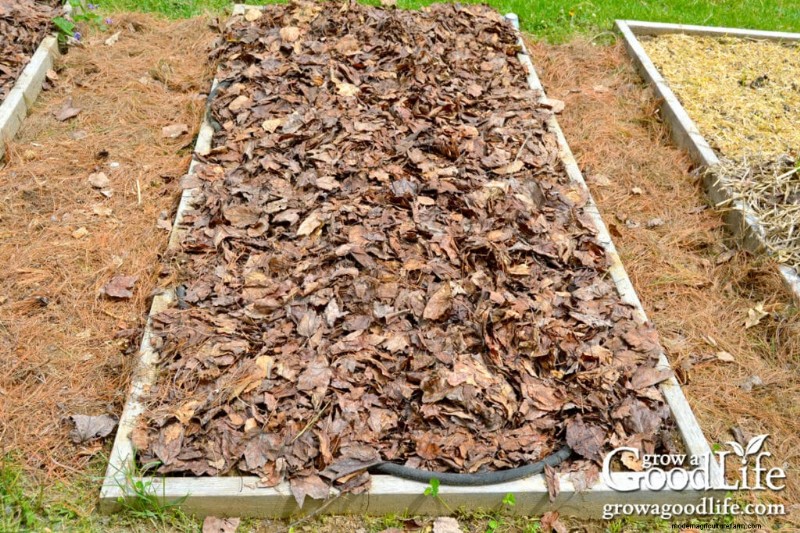
Now, every fall, I mow and gather the leaves from my yard, chopping them into fine pieces that stay put, let moisture pass through, and break down much faster than whole leaves. I collect enough to mulch my vegetable beds and still have plenty left to start a leaf mold compost pile for future use.
It’s one of the easiest, most cost-effective ways I’ve found to protect my soil, cut down on weeds, and improve my garden year after year using a resource my neighbors are throwing away.
Over the years, fall leaves have become one of my favorite mulches. Like other organic mulches, shredded leaves help:
Best of all, they are lightweight, easy to spread, renewable, and available every fall, making them one of the most sustainable mulch options for the organic vegetable garden.
You don’t need fancy equipment to turn a pile of leaves into a fine, garden-ready mulch. Here are the easiest ways to get the job done:
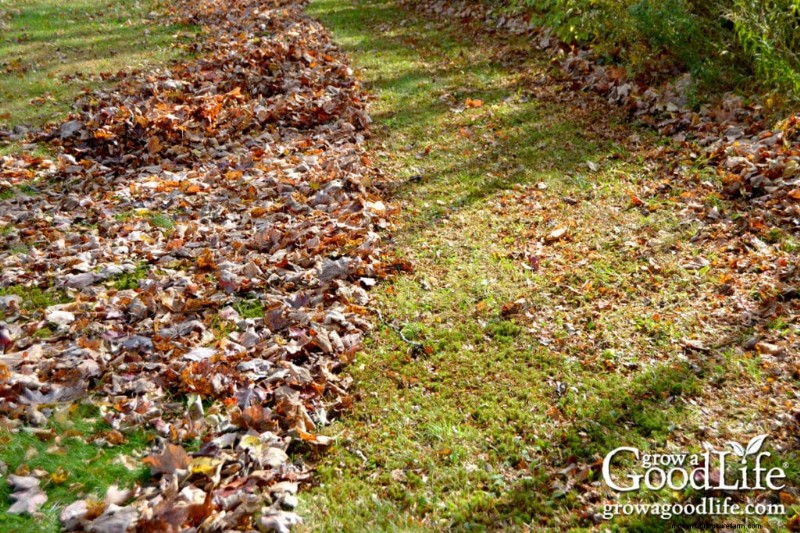 Use a mower with a bag attachment to collect and shred leaves in one pass.
Shredded leaves can be applied in both fall and spring, depending on your goals. In the fall, mulching after garden cleanup protects bare soil from erosion, retains moisture, and allows the leaves to begin breaking down over winter. In spring, wait until the soil has warmed and dried out a bit before adding mulch, as applying too early can keep the ground cooler and wetter than desired.
Once the timing is right, here’s how to get the most from your shredded leaf mulch:
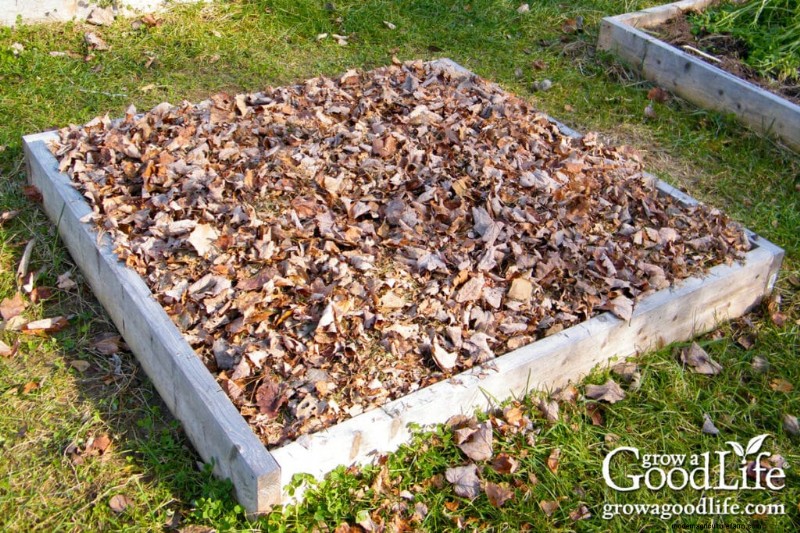
While shredded leaves make an excellent mulch, there are a few potential issues to watch for:
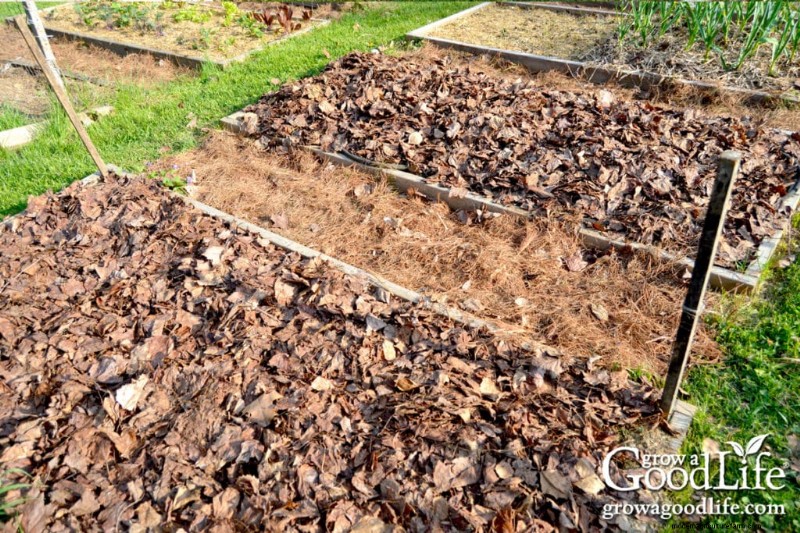
Shredded leaves are one of nature’s best mulches. They are free, organic, and full of benefits for your garden. By collecting and repurposing your own leaves each fall, you can protect your soil, feed it with organic matter, and keep weeds in check without spending a dime. Once you see the results, you may find yourself looking forward to leaf season as much as I do.
While shredded leaves work wonderfully as mulch right away, they can also be transformed into leaf mold compost, a rich, crumbly amendment that improves soil structure and moisture retention. Check out this article to learn more: How to Make Leaf Mold to Improve Your Soil.
If you’re looking for more mulch inspiration, explore these helpful resources:
Whether you are new to growing your own food or have been growing a vegetable garden for years, you will benefit from some planning each year. You will find everything you need to organize and plan your vegetable garden in my PDF eBook, Grow a Good Life Guide to Planning Your Vegetable Garden.