
Welcome to Modern Agriculture!

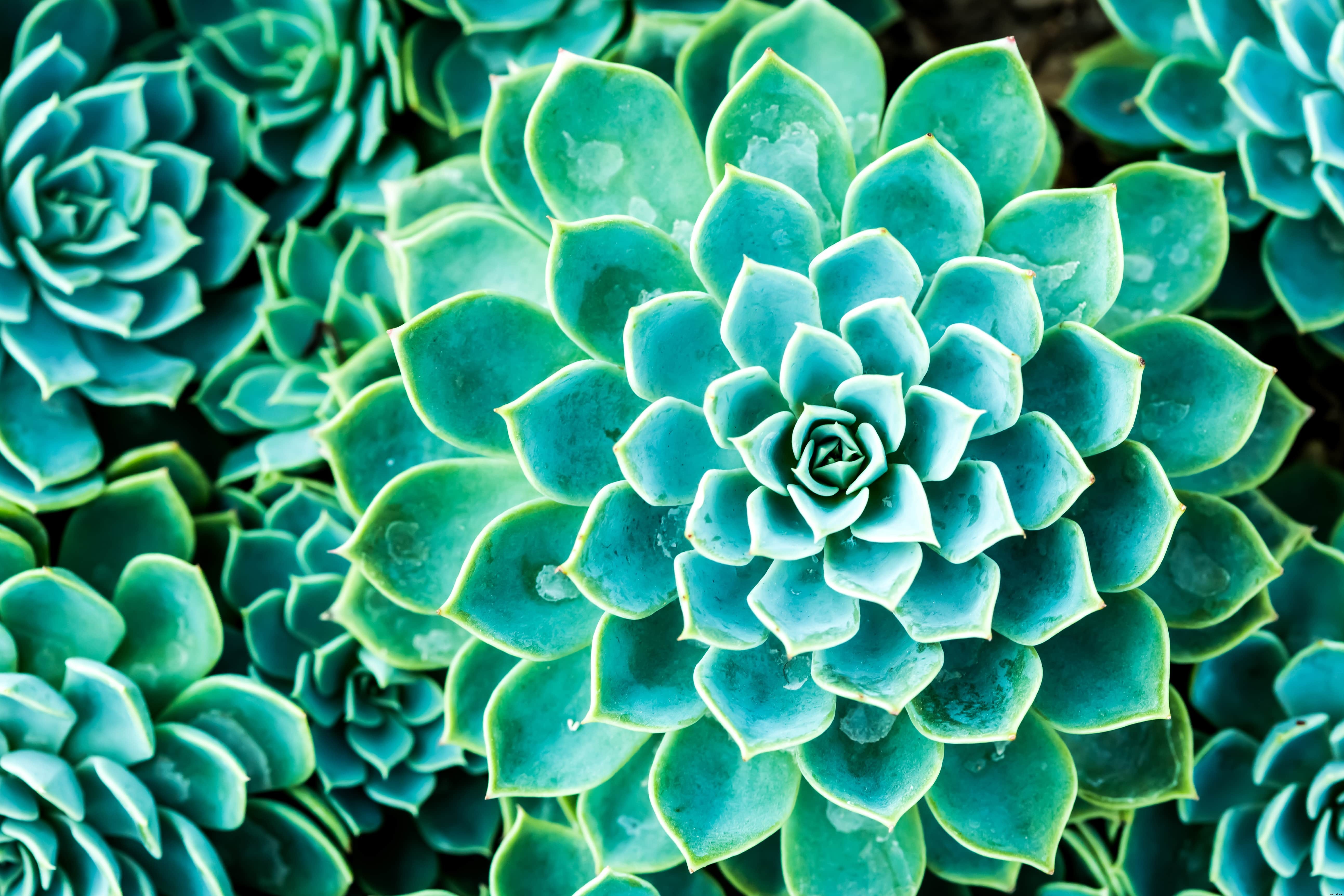
What are succulents?
Succulents are plants with thick fleshy tissue. The plant organs are suitable to retain water in arid climates to survive. The water containing the organ can be stem, as in cacti, or leaves, like in agave. These plants are found in more than 60 families of plants including Aizoaceae, Cactaceae, and Crassulaceae.
These plants possess some characteristics to fit in a dry atmosphere or water-scarce condition. They include:
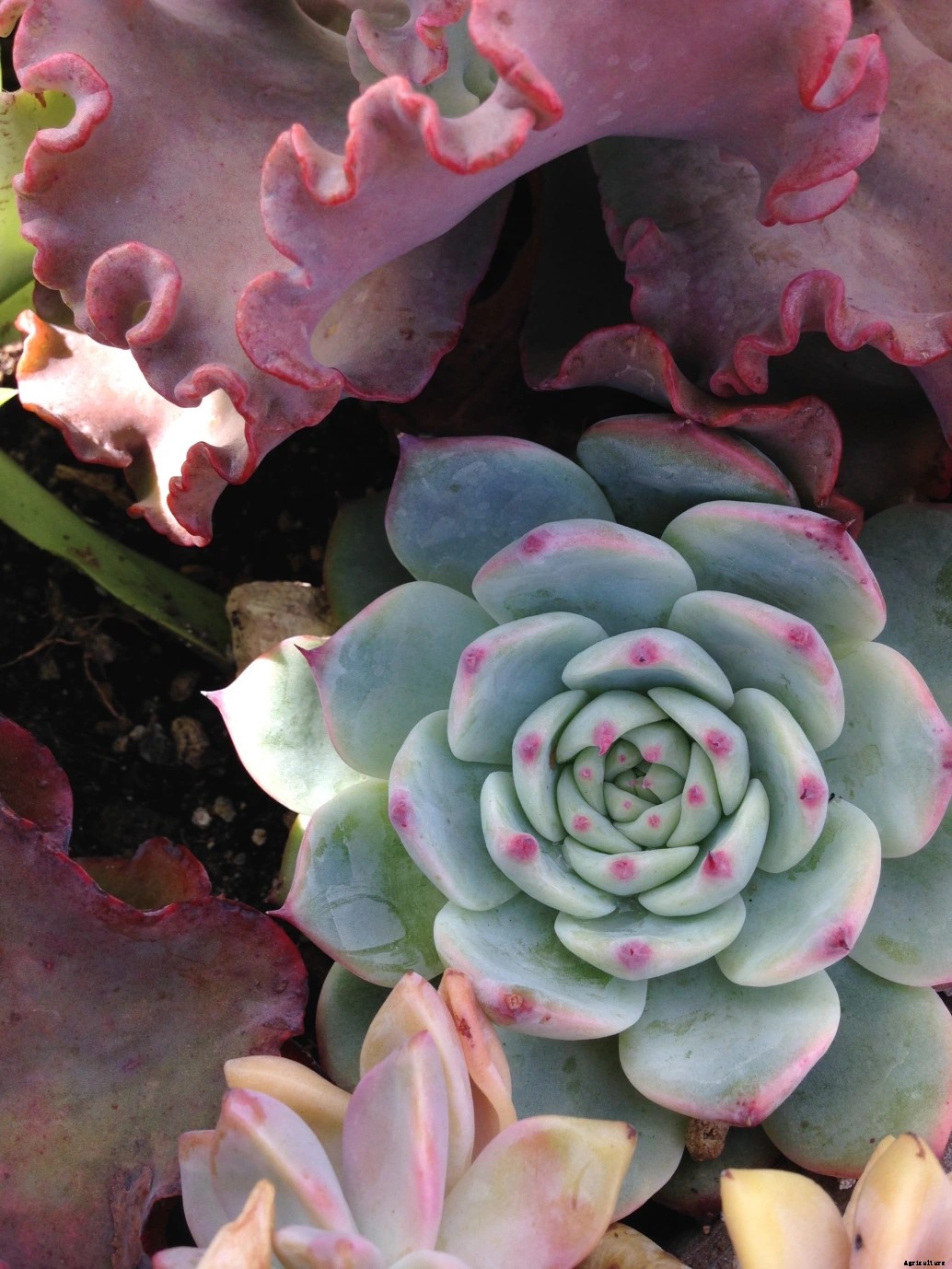
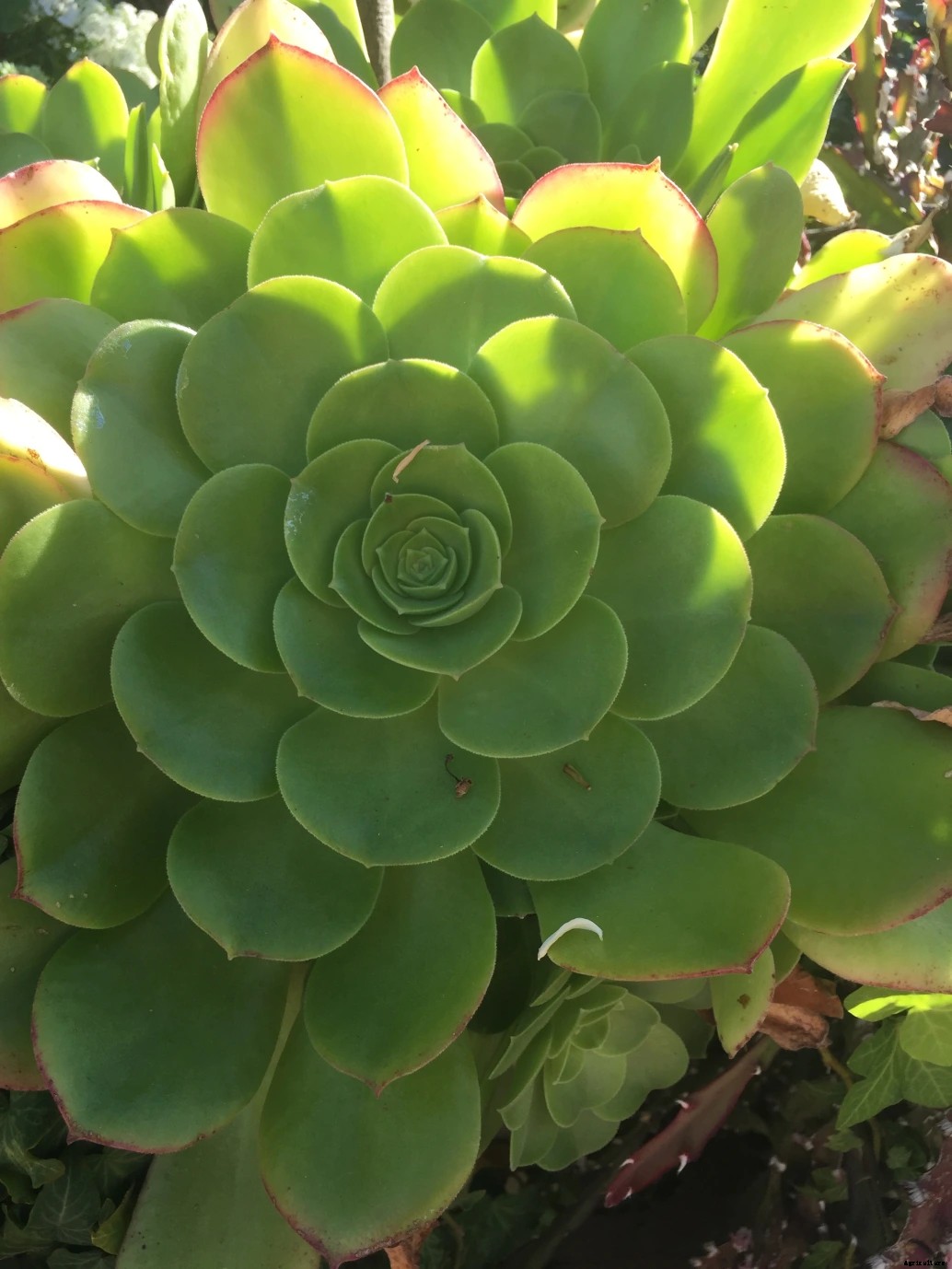
Image: Two different species of Echeveria species (succulents).
Credit: Desert Plant adaptation
Gone are the days when succulents could only be grown in arid or semiarid conditions. Now, these plants can be found everywhere. You can observe them sitting in your home, office, restaurants, or gardens. Some of the most commonly grown succulents are Burro’s Tail (Sedum morganianum), Flaming Katy (Kalanchoe blossfeldiana), Crown of Thorns (Euphorbia milii), Jade Plant (Crassula ovata), Panda Plant (Kalanchoe tomentosa), Aloe Vera (aloe vera), Zebra Plant (Haworthia fasciata), and Snake Plant (Sansevieria trifasciata).
Their charm has spread among people from all continents because of several reasons some of which are explained below:

Succulents are one of the plants that are easiest to propagate. They are cost-effective and simple plants to grow for your garden or home decor. You can grow these plants using any of their parts including the offsets, leaf cuttings, stem cuttings, or seeds from a mature plant.
The sky-rocket demands of succulents around the world have created chaos among the succulents industries. The most efficient technique proposed for this problem is tissue culture. It's a tool that is popular among plant industries because of its several use cases:
The heavy demands of these plants are impacting the diversity and presence of many of the succulents. Not only this, but the anthropogenic activities in their cultivation areas are shrinking their growth land. This disbalancing situation is leading to the extinction of some succulents and bringing some others to the red list of IUCN, which displays the endangered species.
Some of the endangered succulents are Mammillaria herrerae, Agave pax, Aloe pillansii, Estevesia alex-bragae, Parodia rechensis, Monanthes wildpretii, Discocactus subterraneo-proliferans, and Rhipsalis triangularis.
These are just a handful of names, but according to the IUCN, “their assessment revealed cacti to be one of the most threatened taxonomic groups assessed to date: almost a third (31%) of the 1,478 species evaluated are classified as threatened.”
The succulents on the verge of extinction are difficult and risky to propagate using conventional techniques. The extreme declining rate of these succulents necessitates the implementation of effective conservation measures to ensure their survival and sustainable use.
The conventional methods require the availability of sufficient propagules/seedlings for large-scale cultivation and to meet the sustainable growing demand of succulents. This is one other challenge in growing these plants using conventional techniques.
In tissue culture, only a single cell, tissue, or any available part of the succulent can be used to produce hundreds of plants.
Micropropagation of succulents involves the following four steps:
1. Establishment of culture (Initiation stage)
2. Multiplication of explants (multiplication stage)
3. Rooting stage
4. Acclimatization stage
The whole procedure of micropropagation requires maintaining aseptic or sterilized conditions. To propagate endangered plants requires some expert hands to handle those plants carefully and perform in vitro propagation without any severe damage to the plant or tissue loss.
So if you are a tissue culture enthusiast, then visit our store for all your tissue culture requirements including MS media, agar, gelatin, PPM, and culture vessels. You can also make use of our consulting services if you need any help in your tissue culture processes.


