
Welcome to Modern Agriculture!

After enjoying a summer of fresh basil and mozzarella sandwiches, caprese salads, and just-picked basil leaves on homemade pizza, the end of garden season is sometimes a bit of a downer. While a collection of dried basil is lovely, it just doesn’t replace the burst of flavor that you get from garden-fresh, homegrown basil.
The good news is that you don’t have to wait until next summer to enjoy fresh basil! Basil plants are quite easy to grow indoors throughout the winter months, provided they have water, plenty of light, and regular pruning. You can start new basil plants from seed, but you can also transplant an existing plant from your garden or take a cutting (if your garden basil plants are quite large). The key is doing it at the right time so that you can preserve the health of your plant and continue harvesting leaves all throughout the cold months.
Whether you want to save seeds to plant indoors (or outdoors in the spring) or bring your basil plant indoors to continue growing, you’ll want to take action before 45°F – 50°F weather hits. While one 50°F day likely won’t kill your plant, multiple 40°F – 50°F days will cause the leaves to begin to blacken or possibly cause the entire plant to die. Basil plants love warm, sunny weather!
When the flowers start to turn brown, but before they blacken, it’s time to save seeds. This is generally in the fall months, depending on your grow zone.
Grabbing the seeds from your basil plants is easy! Just run your hand down the basil stems to collect the seed heads. Then, break them open and you’ll find tiny black seeds. If they’re completely dry, go ahead and store them in a paper envelope or an airtight container in a cool, dry place. (If they’re not dry yet, set them on a paper plate or paper towel for a few days to a week, then store.)
For further instructions, see my full tutorial on how to save basil seed.
Once you have your seeds collected, you can either save them until spring or replant them inside to grow during the winter months. If you grow your basil plants from seed, they should reach maturity in about 4-6 weeks.
Transplanting your basil plant into a container to bring indoors is an easy way to preserve it without having to start all over with new seeds. With proper timing and care, you can have a continual basil harvest from summer to fall to winter.
The best time to bring your basil plants inside is before temperatures start hitting 50°F and the leaves begin to turn brown. Starting with a healthy, green plant will make it easier for your basil to make the transition to indoors.
If you have large, older plants in your garden, it can be a bit more difficult to transplant the entire plant, as the plant’s roots can plummet down to 12 or more inches deep. Transplanting the entire plant works well for smaller plants, but if you have larger plants, you’ll likely have better success taking a cutting.
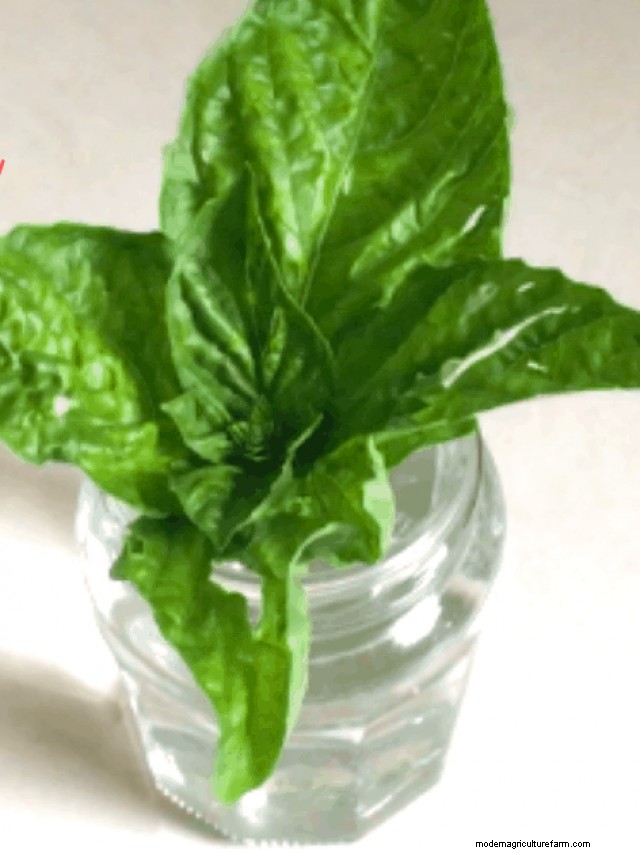
Rooting basil from a cutting is simple as long as you have a healthy mother plant. It takes about a week to propagate a new plant from a cutting. Follow the instructions below, or check out my full tutorial for more tips and pictures: How to Root Basil from Cuttings
Basil is one of the easiest herbs to propagate from cuttings, so do a few of them to pass around to friends or neighbors! It’s a simple, thoughtful way to share this delicious herb and spread some greenery during the darker months.
If you have a smaller basil plant in your garden, you can simply dig it up and pot it to continue growing indoors!
Remember, basil needs three things to do well indoors in the winter: water, plenty of light, and regular pruning. It’s important to trim your basil plant regularly. And hey, you get delicious fresh herbs out of the deal! Basil that’s not pruned often enough will become tall, leggy, and unhealthy. And basil that is pruned regularly will produce large, healthy yields.
You can start pruning your basil plant when it’s still young. As soon as you see one or two stems coming off the main stem, grab your pruning shears.
To cut your basil, find a stem that has a set of leaves growing on each side of it. Then, take your shears and cut the middle stem to the base, right above the set of leaves. Cutting off the top of this main middle stem will encourage outward growth and new shoots from the leaf sets.
Then, go throw your freshly harvested basil in a caprese salad or a batch of pesto!
Continue pruning your basil about every 2-4 weeks to encourage hearty growth. You can prune several stems at a time, but don’t remove more than a third of the plant at once, or you may shock the plant.
Most varieties of basil make good container plants for growing indoors in the winter. Compact plants and slow-bolting varieties work best. These include:
Keep in mind that basil plants need plenty of sunlight, regular watering, and regular pruning in order to thrive.
Large, fast-growing varieties and those prone to bolting can be more difficult to contain indoors. Varieties such as African blue basil, cardinal basil, and cinnamon basil are best grown outdoors.


