Welcome to Modern Agriculture!

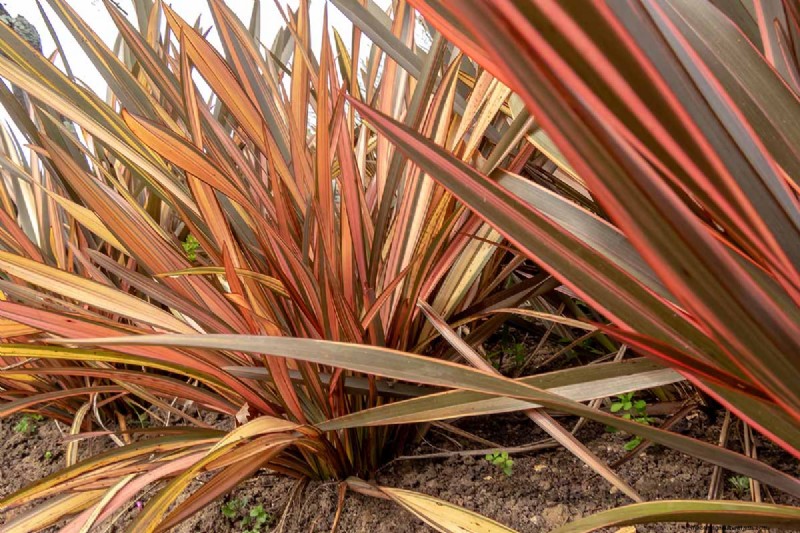
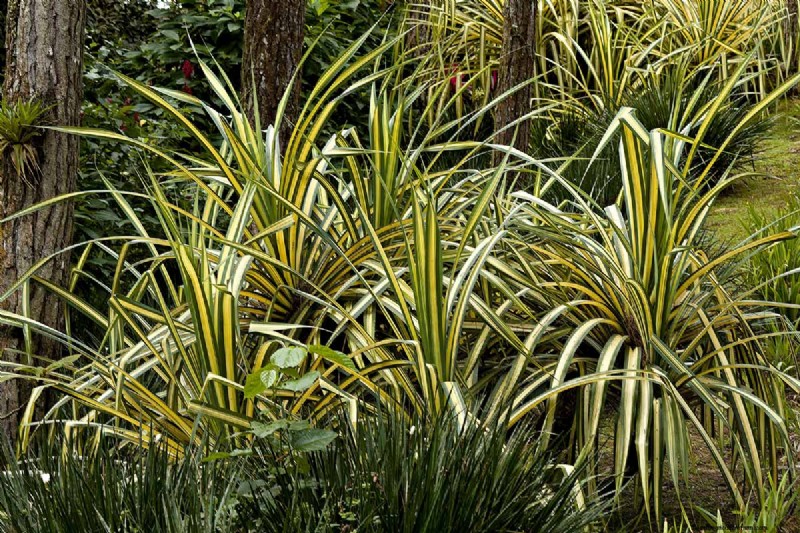
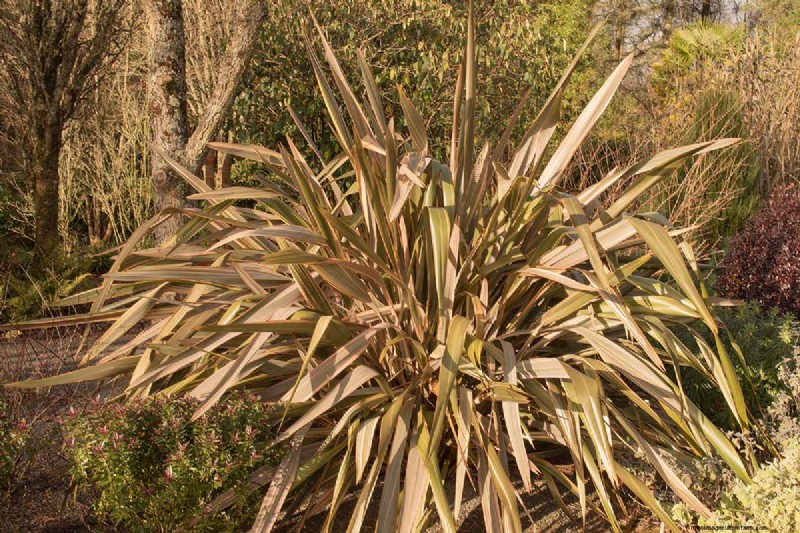
New Zealand flax, or Phormium, delivers striking, sword‑shaped foliage that transforms any garden into a gallery of bold, upright fans. Its evergreen, colorful blades come in a spectrum of variegations—bronze, burgundy, chartreuse, green, gold, pink, orange, and red—making it a versatile structural accent for beds, borders, patios, and containers.
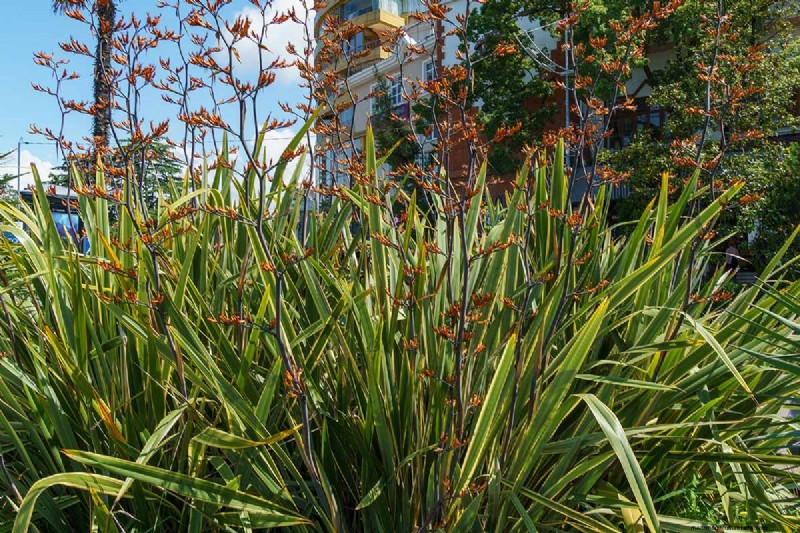
These hardy perennials form stemless rosettes that can reach six feet tall. When they flower, their towering scapes rise to 10 ft, crowned with bright, tubular panicles that attract butterflies, hummingbirds, and bees while their tough, fibrous leaves deter deer and rabbits.
We link to vendors to help you find relevant products. If you buy from one of our links, we may earn a commission.
Because of its salt and drought tolerance, New Zealand flax is a smart choice for coastal gardens, Mediterranean settings, and any site that demands resilience.
Phormium comprises two native New Zealand species: P. tenax and P. cookianum (syn. P. colensoi). P. tenax is the more robust of the pair and is frequently used in horticultural breeding, though many cultivars also carry P. cookianum genetics.
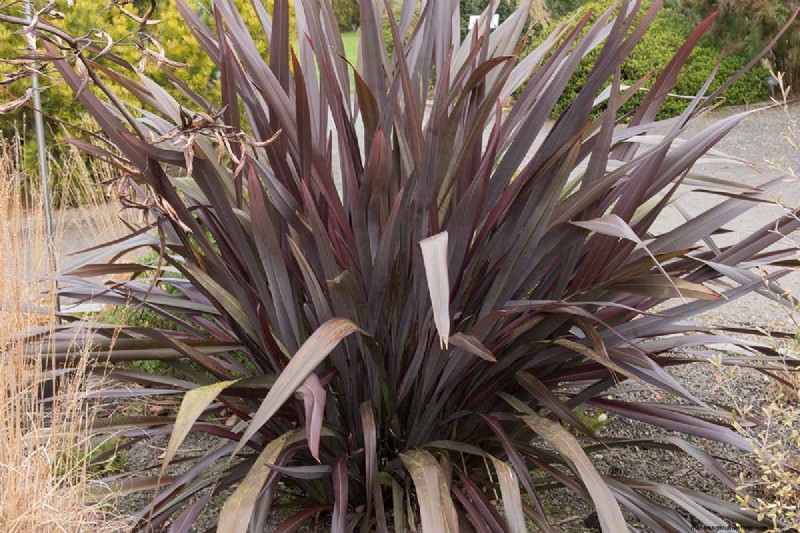
Garden cultivars vary from four to six feet in height and width, with scapes that may soar up to 10 ft. P. tenax plants are upright with stiff blades, while P. cookianum tends toward arched tops; cultivars can feature either stiff or floppy tips.
Common name(s): New Zealand flax, phormium
Plant type: Perennial evergreen
Hardiness (USDA Zone): 9–11
Native to: New Zealand
Bloom time / season: Evergreen foliage, summer flowers
Exposure: Full sun to part shade
Soil type: Moderately fertile, well‑draining
Soil pH: 6.5–7.5, neutral
Time to maturity: Up to 10 years from seed
Mature size: 4–6 ft tall and wide
Best uses: Beds, borders, containers, edges, hedges, coastal, courtyard, gravel, and Mediterranean gardens
Order: Asparagales
Family: Asphodelaceae
Genus: Phormium
Species: Cookianum, Tenax
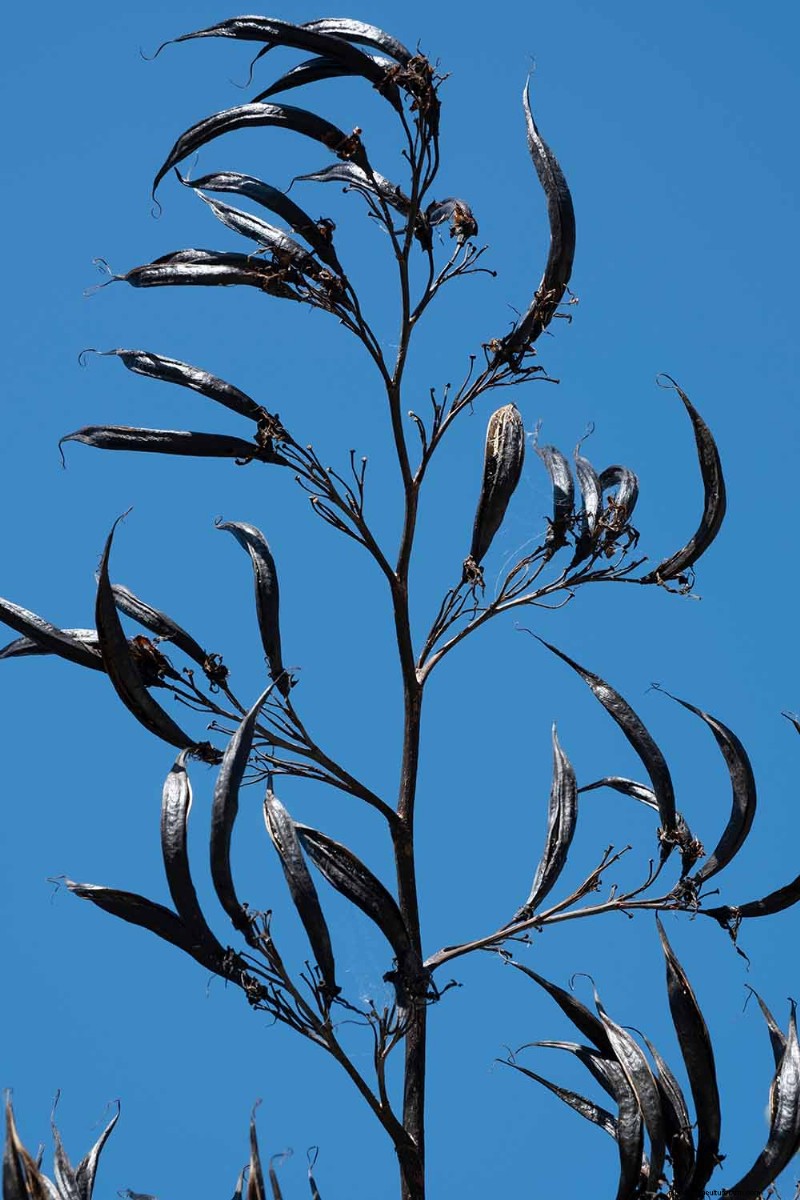
The upswept panicles display bright cylindrical flowers that eagerly attract pollinators, then develop striking seed pods.
Phormium thrives in fertile, well‑draining sites—sun or shade—and requires only routine spring clean‑up and occasional division to maintain its classic profile.
It tolerates light winter frosts but is truly hardy only in USDA Zones 9–11.
Phormium performs best in full sun to light shade. Variegated cultivars develop richer hues when shaded in the afternoon.
These plants tolerate a range of soils, thriving in moderately fertile, well‑draining ground. For enrichment, add one or two shovelfuls of compost, leafmold, manure, or worm castings per plant.
Improve drainage by incorporating one or two shovelfuls of grit—pea gravel, landscape sand, crushed shells, or stone chips—into the planting mix.
Newly planted and first‑year plants benefit from regular watering, especially during hot spells. Keep the top inch of soil consistently moist.
Established plants exhibit excellent drought tolerance, though they perform best with 1–2 inches of water every few weeks. Container specimens require more frequent watering to avoid dryness.
During the growing season, optimal daytime temperatures are 65–85 °F. Moderate humidity is fine, but excess moisture can encourage mold or powdery mildew.
While hardy in Zones 9–11, New Zealand flax tolerates light frosts; the foliage may die back in cold weather but returns each spring if roots stay healthy. For colder climates, grow in pots and relocate to sheltered spots over winter.
These plants are light feeders. Apply an annual side‑dressing of organic material—such as compost—in early spring, keeping a compost‑free collar to avoid crown rot. Alternatively, use a granular slow‑release fertilizer (e.g., Down to Earth All Purpose, NPK 4‑6‑2) in early spring and midsummer.
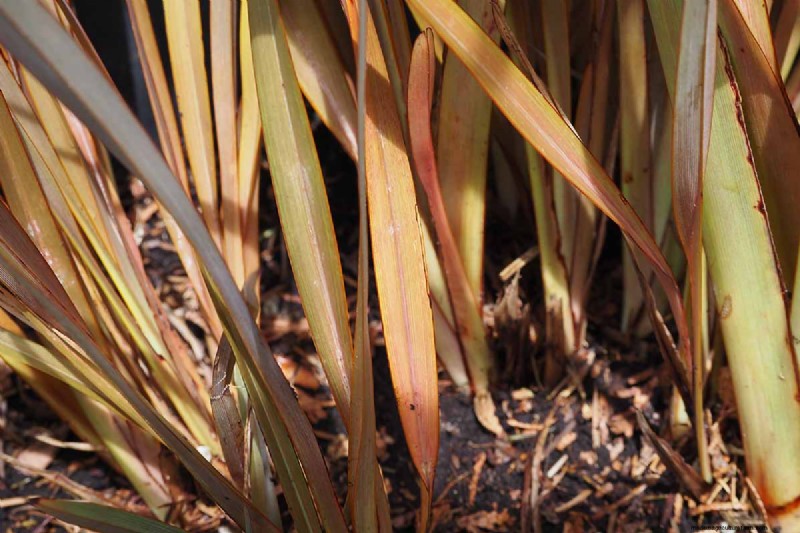
Product: Down to Earth All Purpose Fertilizer (NPK 4‑6‑2). Available at Arbico Organics.
Phormium makes a striking container plant, but pots must accommodate large leaf fans. Mature plants can become top‑heavy; use a pot at least 24 inches high and wide for 4‑ft cultivars, and larger for bigger varieties.
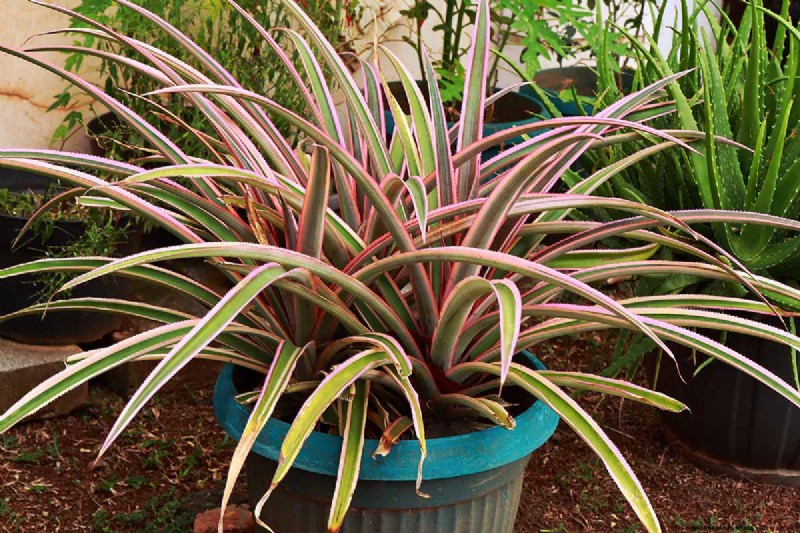
Ensure adequate drainage—line the bottom with loose material such as broken pottery or shells—and use a saucer to retain moisture during summer. Fertilize in early spring and midsummer with a slow‑release formula, or monthly with a liquid product. In winter, remove saucers and move containers to a sheltered location. Indoor winter care: bright, indirect light and cool temperatures (50–65 °F).
Explore cultivars in the perennial section of your local garden center or reputable online retailers. Here are three popular selections:
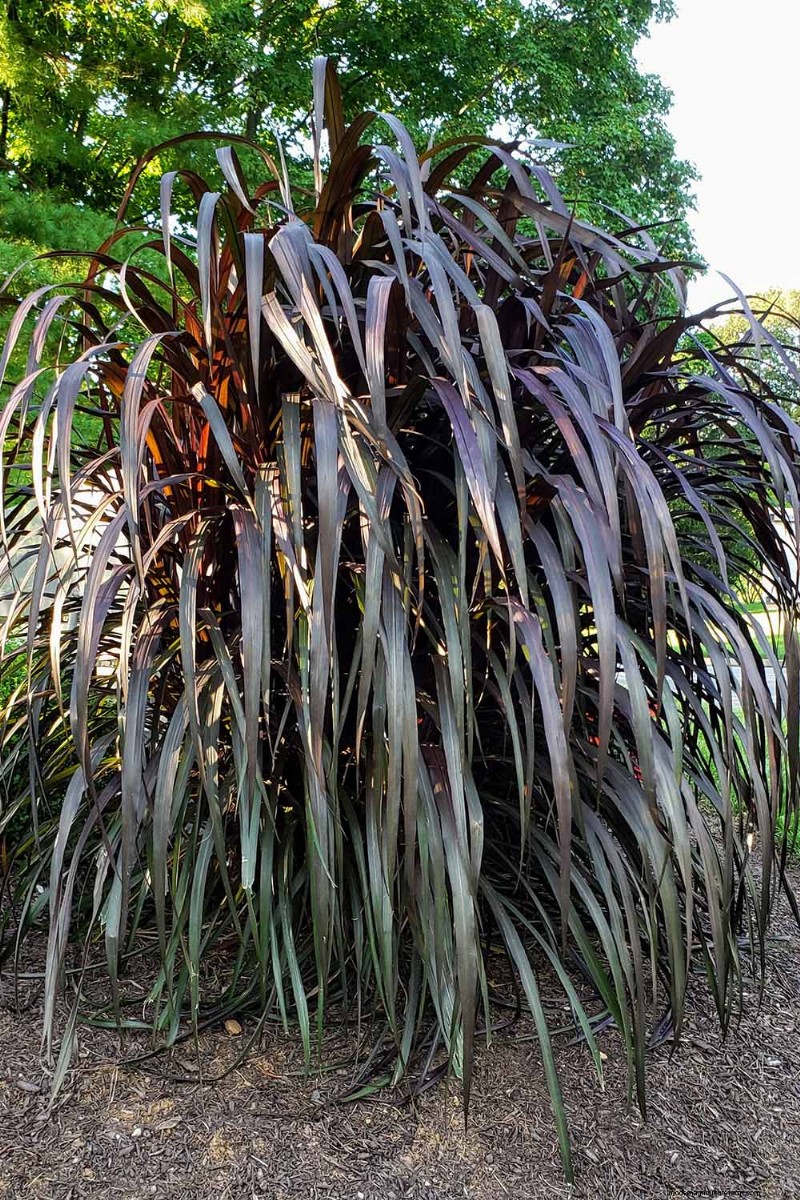
Deep mahogany blades form a dramatic 4–5 ft tall, wide clump. Summer panicles burst with fiery red flowers.
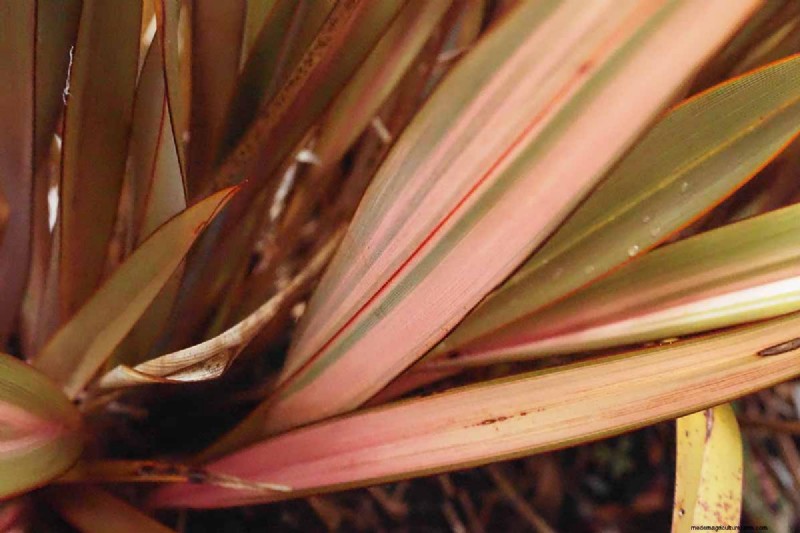
Standing 4–6 ft tall, this erect variety showcases burgundy, olive, and pink foliage topped with yellow scapes.
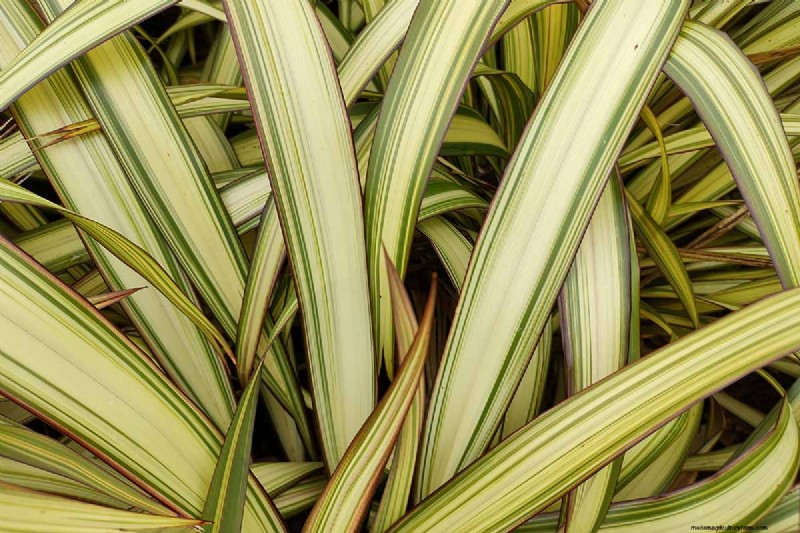
A midsized cultivar with variegated leaves in chartreuse, cream, forest green, and buttery yellow. It reaches 3–4 ft and produces tall yellow scapes with red filaments.
Phormium is low‑maintenance. In spring, trim dead or dying leaves at the base with clean, sharp shears.
Seed pods add seasonal interest but should be dead‑headed if self‑seeding is undesirable. Remove flower scapes close to the base, avoiding leaf damage.
Apply a winter mulch of shredded bark or straw to protect roots. If a prolonged cold snap is expected, wrap leaves in burlap or biodegradable garden fleece.
Cold weather may cause foliage to die back. Don’t dig out roots immediately; simply cut back dead foliage in late winter and watch for new growth in spring.
Container plants can be moved to a freeze‑free zone during winter.
Seed propagation yields unpredictable results—seeded cultivars rarely retain parent traits and may take up to ten years to flower. Division is the preferred method for rapid, true‑to‑type multiplication.
Spring or fall are ideal, with spring favored to ensure establishment before winter.
New divisions need regular watering to keep soil lightly moist during the first year.
Mealybugs are the most common issue. They produce white wax, honeydew, or sooty mold at the plant base. Hand‑pick or treat with a natural pesticide such as neem oil.
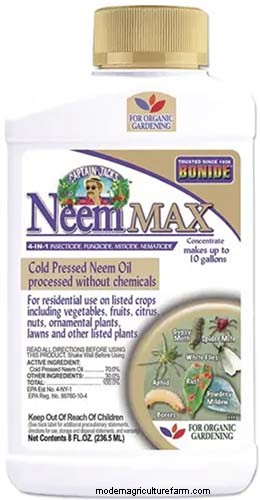
Product: Bonide Neem Oil (available from Arbico Organics). If rodents are a problem, root balls can be protected with wire baskets.
Powdery mildew leaves a grayish fuzz; remove affected leaves, reduce watering, and improve air circulation. Avoid overhead watering and water in the morning so leaves dry before dusk.
Learn more about powdery mildew here.
Adaptable, low‑maintenance, and richly colored, New Zealand flax is a standout addition to beds, containers, privacy screens, and more. It thrives in full sun or part shade and requires only fertile soil, steady water until established, and a light spring tidy‑up.
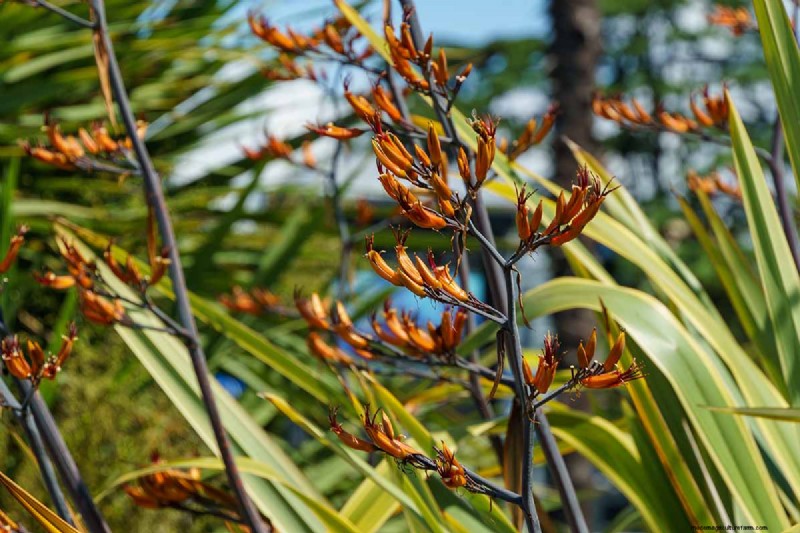
After that, sit back and enjoy the large, beautifully colored fan leaves and vivid flower scapes.
Which phormium cultivar will you welcome into your garden? Share your choice in the comments below.
For more expert guidance on growing foliage plants, explore these guides:

Lorna Larkin is a writer, artist, and entrepreneur with a lifelong passion for organic gardening. Her vegetable plot has given way to a vibrant landscape of color, fragrance, and art—perfect for gatherings and fresh‑grown meals.