
Welcome to Modern Agriculture!

Holly Farrell, author of Botanica Erotica, highlights this rare cultivar for its feminine‑shaped tubercles that resemble small, rounded swellings—each topped with a distinct areola. These “boobs” are a striking contrast to the phallic stems common to many cacti.
Can I grow it? Yes. Treat it like any cactus: well‑drained soil, bright light, and minimal watering.
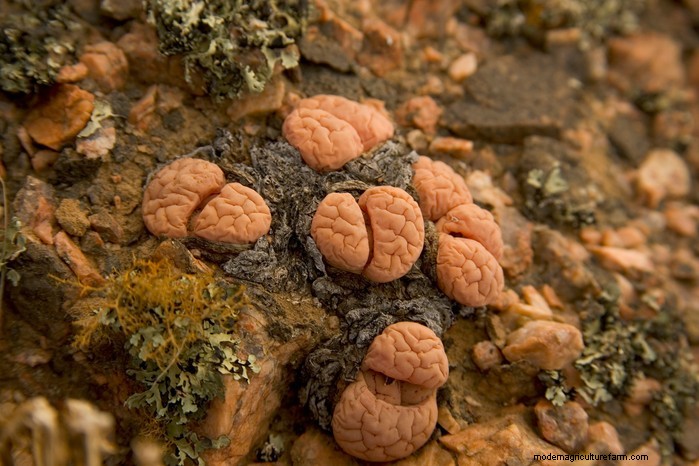
A plant that does a moony? Everyone needs Bushman's buttocks. Getty Images
This “living stone” is a desert stone plant that camouflages among scree. When conditions are ideal, a bright yellow flower blooms from between its smooth, rounded bases, adding a splash of color to the landscape.
Can I grow it? Yes, as an indoor specimen or greenhouse plant. Provide a gritty, well‑drained mix and indirect light.
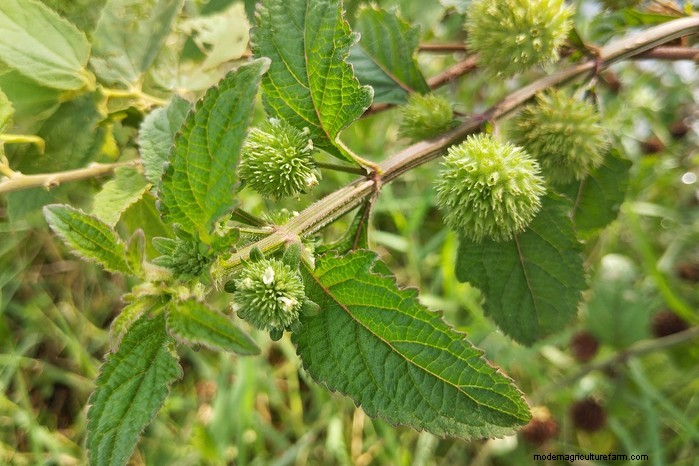
Funny name, but not a plant you want in your garden. Knobweed, Getty Images
Unlike the virility‑enhancing “stiffcock” (Diospyros crassinervis), knobweed offers no aphrodisiac benefits but has documented antibacterial properties.
Can I grow it? It’s classified as an invasive weed in Australia, so it’s not recommended for cultivation.
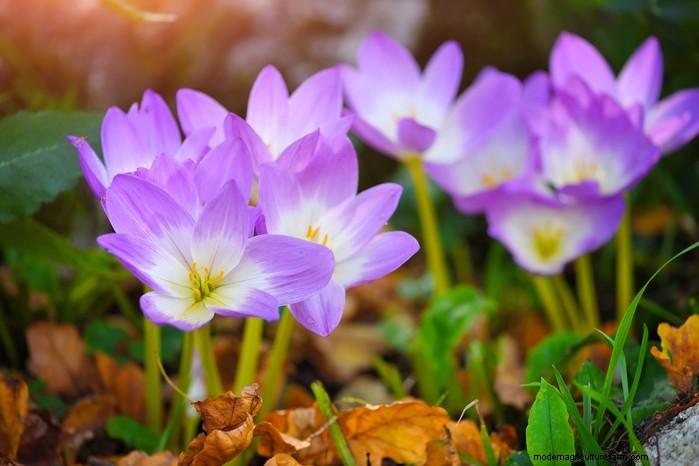
Grow these beauties beneath trees or shrubs. Naked ladies, Getty Images
These mandrake‑like autumn flowers emerge from the corm without surrounding leaves. Every part contains toxic colchicine, so they’re strictly for visual appreciation.
Can I grow them? Absolutely. Bulbs can be ordered for delivery starting in late summer.
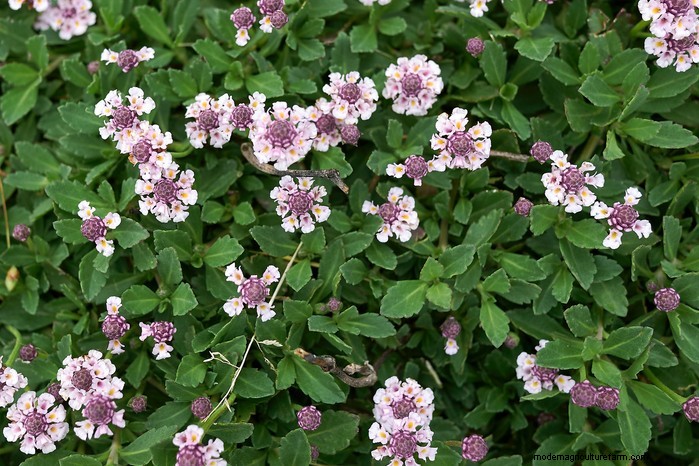
The name's a tongue twister, but Turkey tangle frogfruit makes pretty groundcover. Getty Images
A spreading perennial with lilac‑white summer blooms, its name derives from the dense, knotted stems that resemble a medieval “fogfruit.”
Can I grow it? Yes. Although tropical in origin, it tolerates temperatures down to –10°C and is popular as an evergreen ground cover in the UK.
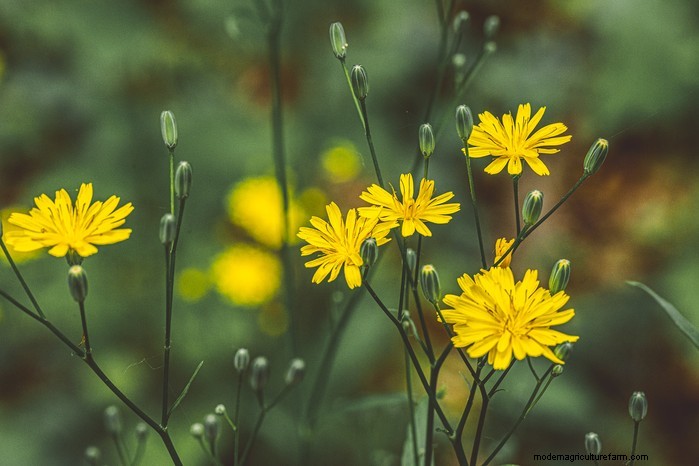
Named after the plant buds' appearance, Nipplewort is a common garden weed. Getty Images
Historically, the Doctrine of Signatures linked body‑part resemblance to medicinal value. The nipple‑shaped buds of nipplewort were once prescribed for nursing mothers. Modern studies find limited benefits, but the leaves are edible, albeit hairy.
Can I grow it? Depends on your tolerance for weeds—this is a widespread garden weed.
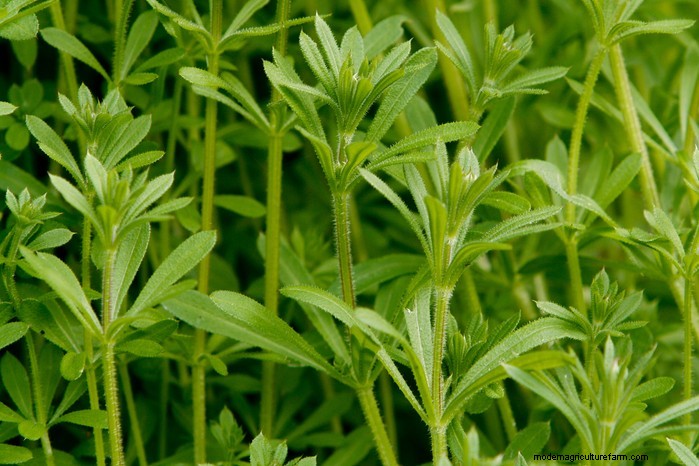
Attaching sticky willie to someone's back never gets old. Getty Images
Its hooked foliage makes it a favorite for hedgerow pranksters. Folklore suggests that the number of stems that stick when tossed at a girl predicts her future suitors.
Can I grow it? You may have no choice; it’s an established weed.
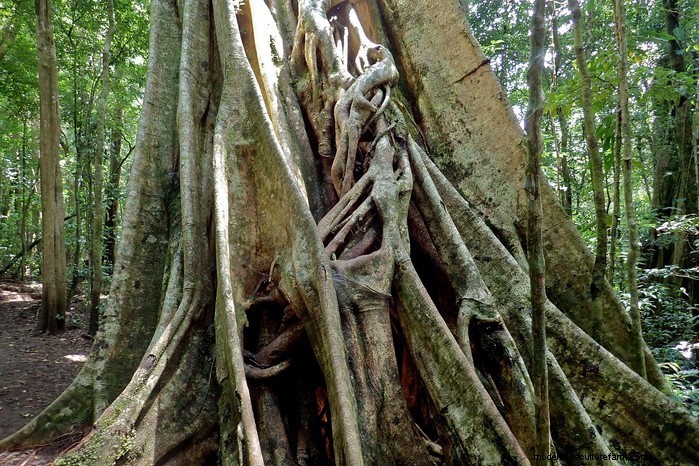
Perhaps not one to add to your plant wish list. Strangler fig, Getty Images
This epiphyte from Central America and Mexico wraps around host trees, eventually strangling them and surviving as a skeletal structure.
Can I grow it? It can be grown as a bonsai indoors, but it’s difficult to source in the UK.
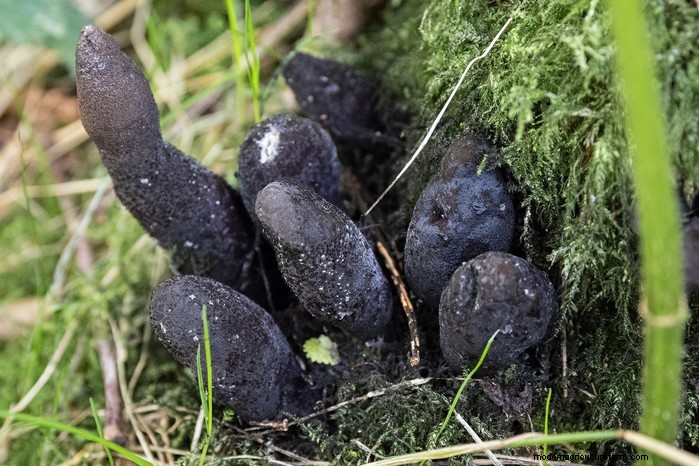
Look out for this nightmarish fungus in woodland. Dead man’s fingers, Getty Images
Its grey‑green, upward‑facing structures resemble the rotting limbs of a dead man. This fungus appears on decaying wood, forming a part of the ecosystem.
Can I grow it? It’s best appreciated in its natural habitat; cultivating it is impractical.
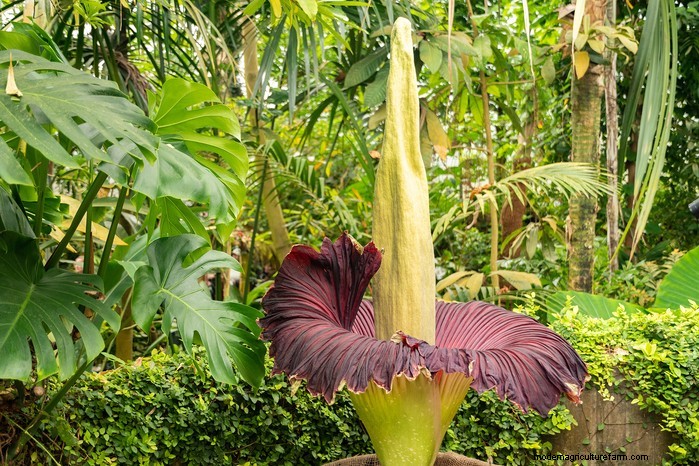
Stand back for one of the smelliest plants in the world. Amorphophallus titanum, Getty Images
Also called the “corpse flower,” its scientific name translates to “giant misshapen penis.” It emits a strong, odor‑based signal that attracts pollinators, including flies, which use it as a guide for reproduction.
Can I grow it? It’s a challenging species to maintain and is rarely cultivated outside botanical gardens.
Highly sought after by collectors, this begonia features near‑black velvety leaves and contrasting red flowers. It requires very specific conditions found in its native Borneo.
Can I grow it? Doubt it; it demands precise climate control.
Named for its dragon‑like appearance, this orchid is an epiphyte that grows on lower tree sections. It is found only in the cloud forests of Mount Pichincha, Ecuador.
Can I grow it? It is extremely picky and seldom available for cultivation.
Named as a playful pun on its former genus, this plant offers no real resemblance to the Jedi Master.
Can I grow it? Only if you live in the midwestern US where it naturally occurs as an annual herb.


