
Welcome to Modern Agriculture!

Nasturtiums (Tropaeolum) are among the most rewarding annuals you can plant. They bloom from early summer until the first frosts, offering a spectacular spectrum of colors—from bright orange, yellow, and red to subtle cream, salmon pink, burgundy, and crimson. Many varieties also feature striking marbled or mottled foliage, adding texture to any garden.
Beyond their beauty, nasturtiums are edible and garden-friendly:
There are three main growth habits:
Both types flourish in pots, making them perfect for beginners and children.
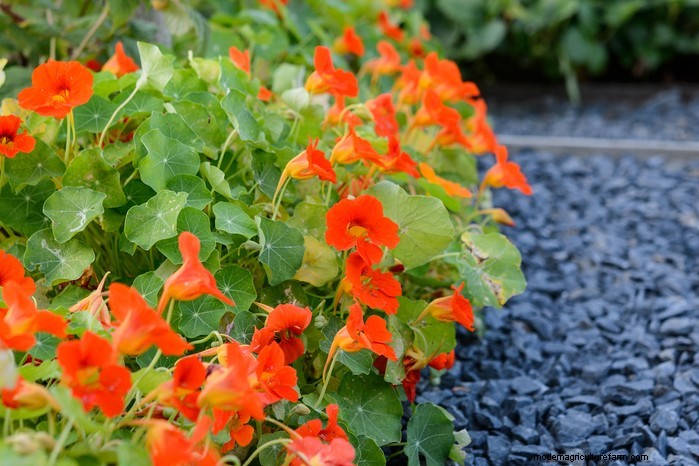
Red nasturtium flowers. Jason Ingram
Nasturtiums need at least 6 hours of direct sunlight daily. They prefer free‑draining, slightly acidic to neutral soil. In fact, the most prolific flowering occurs in poorer soils; overly fertile soil will produce lush foliage but fewer blooms.
Plant them:
Sow in early spring (March–May) while protecting seeds from frost. For a late flowering season that extends to the first frosts, sow later in the season.
Alternatively, scatter seeds around the garden where you’d like them to appear, such as the edges of raised beds or large containers.
Use 9 cm pots and plant one seed per pot. Grow seedlings indoors or on a sunny windowsill, harden them off, and transplant outside in late spring for earlier blooms.
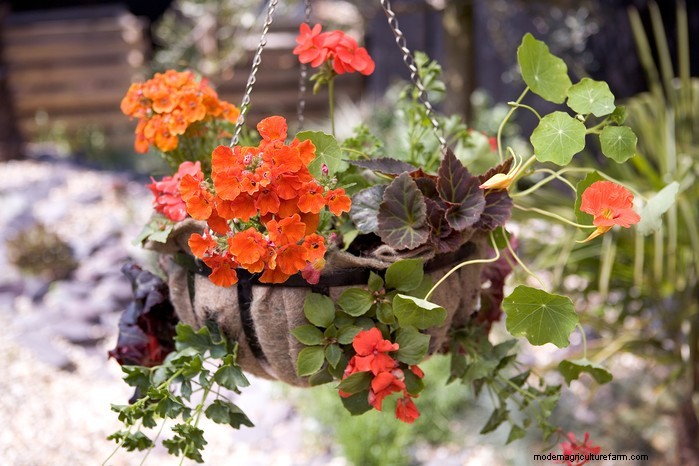
Nasturtiums are often sold in small pots from garden centres. When transplanting:
Mix two‑thirds peat‑free compost with one‑third fine gravel or grit to reduce fertility and improve drainage. Plant as above and keep the soil evenly moist.
Nasturtiums are almost self‑sufficient. In the ground, they rarely need extra watering. In pots, maintain moist, but not soggy, compost. Do not fertilise, as this can reduce flowering. Regular deadheading encourages a longer blooming period.
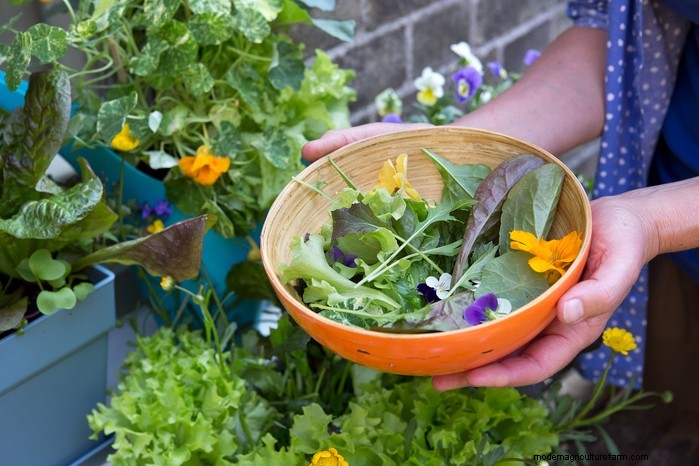
All parts are edible. Flowers and young leaves have a peppery flavor similar to watercress, making them excellent salad additions. Seed pods can replace capers—pick when green and pickle in vinegar.
Collect ripe seeds, store them cool and dry, and sow the next year. In mild climates, nasturtiums will self‑seed, so you may see new seedlings in spring.
For recipe inspiration, see Olive Magazine’s collection of nasturtium dishes.
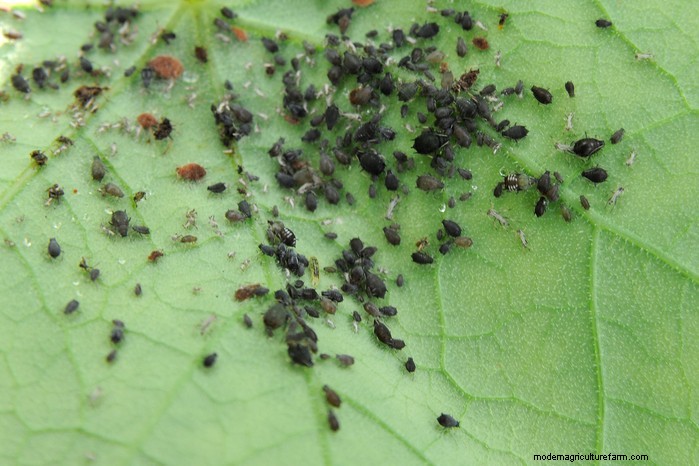
Mustached mandrake insects (mandibul insects) and aphids may appear. Control by:
Do nasturtiums grow back every year? They are annuals and die with frost, but they readily self‑seed, so you’ll often see new plants next spring.
Can nasturtiums be planted next to brassicas? Yes—planting them nearby can divert cabbage white caterpillars away from your brassicas.
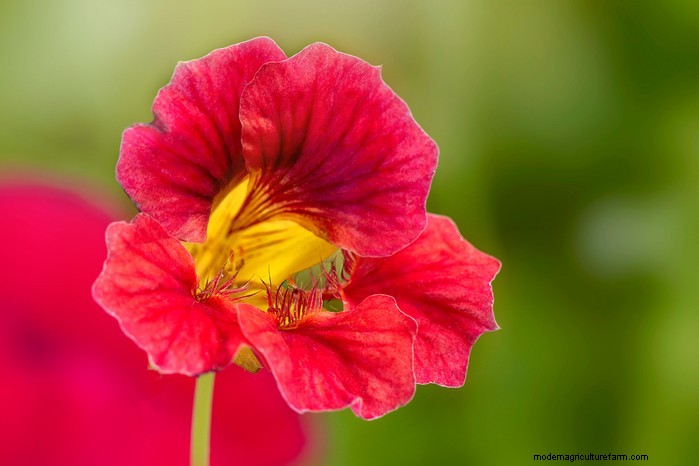
Tropaeolum minus ‘Black Velvet’ is a compact plant with velvety dark‑red flowers. Height × Spread: 30 cm × 45 cm. Buy at Crocus.
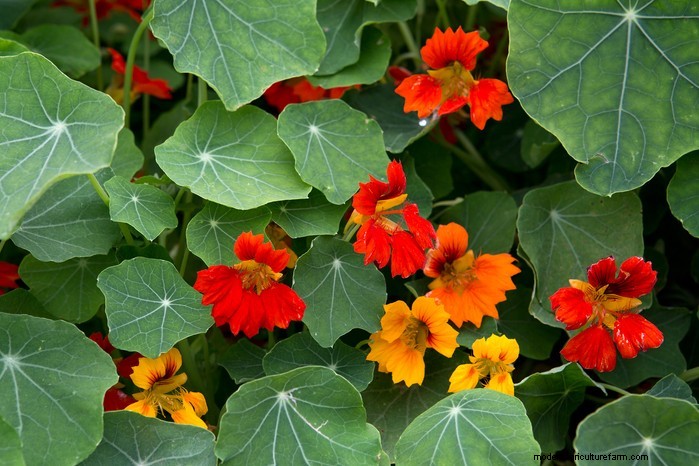
Tropaeolum minus ‘Phoenix’ features split petals in red, orange, and yellow. Height × Spread: 30 cm × 30 cm. Buy at Thompson & Morgan.
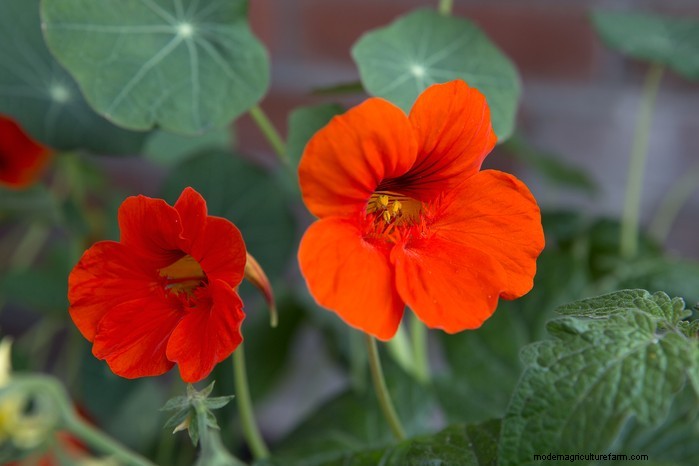
Tropaeolum minus ‘Empress of India’ offers crimson‑red flowers and dark leaves. Height × Spread: 25 cm × 45 cm. Buy at Thompson & Morgan.
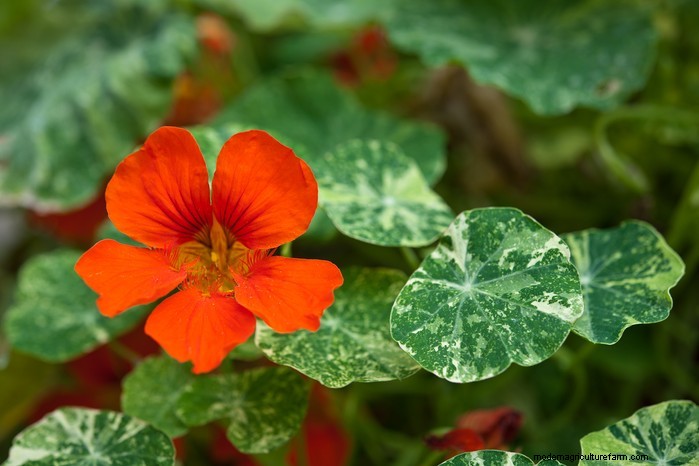
Tropaeolum majus ‘Orange Troika’ climbs or trails with vivid orange blooms and marbled foliage. Height × Spread: 30 cm × 1.5 m. Buy at Suttons.
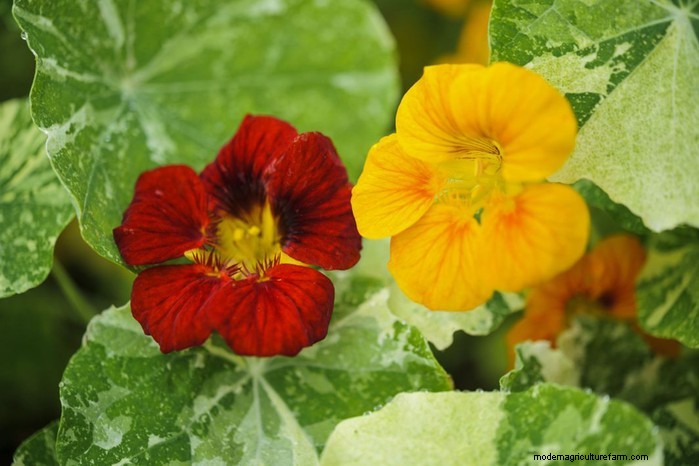
Tropaeolum minus ‘Alaska Series’ displays yellow, cream, orange, and red flowers. Height × Spread: 25 cm × 45 cm. Buy at Crocus.
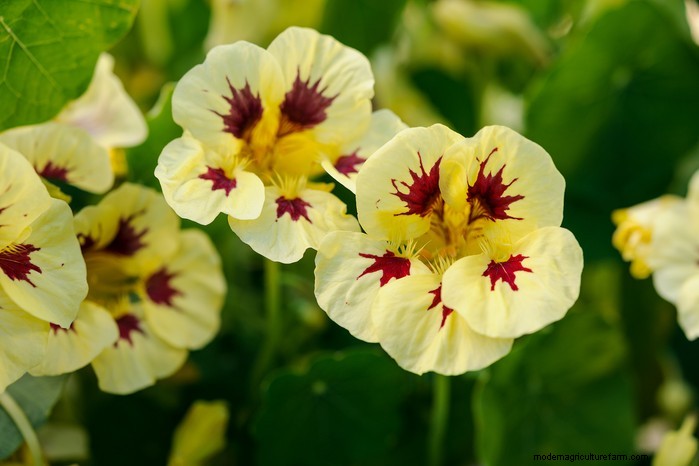
Tropaeolum minus ‘Ladybird’ sports cream/yellow flowers with deep‑red throat spots. Height × Spread: 30 cm × 40 cm. Buy at Thompson & Morgan.
Tropaeolum minus ‘Baby Deep Rose’ is a compact bush with deep crimson blooms. Height × Spread: 20 cm × 20 cm. Buy at Thompson & Morgan.
Tropaeolum minus ‘Bloody Mary’ features splotched and striped flowers in deep red, yellow, and cream. Height × Spread: 30 cm × 60 cm. Buy at Crocus.


