
Welcome to Modern Agriculture!

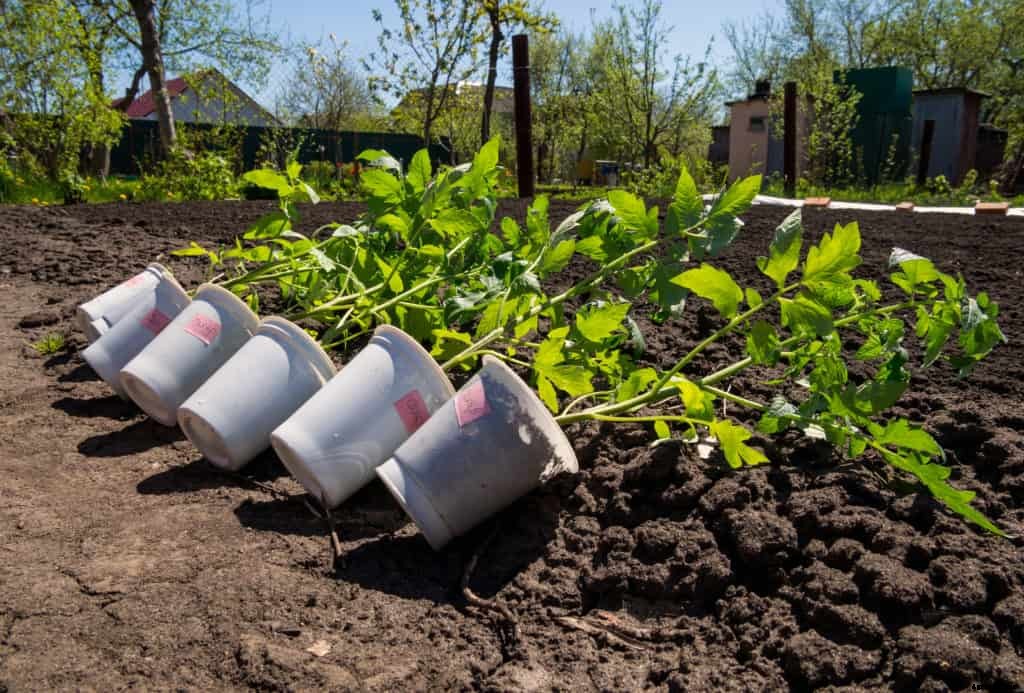 A bumper tomato crop comes with early season planning. Getting tomatoes off to a strong start will almost guarantee a great yield next summer.
Here are 10 easy steps to an outstanding tomato harvest:
1. Seed Sowing Time. Tomato seedlings are tender and easily fall prey to disease, pests, and unpredictable changes in weather. Starting tomato seeds indoors is a good strategy. Sow tomato seeds in a seed starting mix 6 to 8 weeks before you plan to transplant them into the garden. Transplant tomato plants into the garden after the last frost in your area. Check with a nearby garden center for the average last frost date in your area and then count back 6 weeks—that’s a safe time to sow tomato seeds indoors.
2. Sowing and Growing Indoors. Sow two tomato seeds per pot; that way you will hedge your bet. Tomato seeds germinate at 75°F; you can use an electric seed starting mat to regulate the temperature or set your seed trays atop the refrigerator. Once the seeds are up, don’t let the temperature fall below 60°F. If both seeds emerge, use little scissors to clip away the weaker of the two once both plants have a couple of leaves. Now let your seedlings grow on for a week or two.
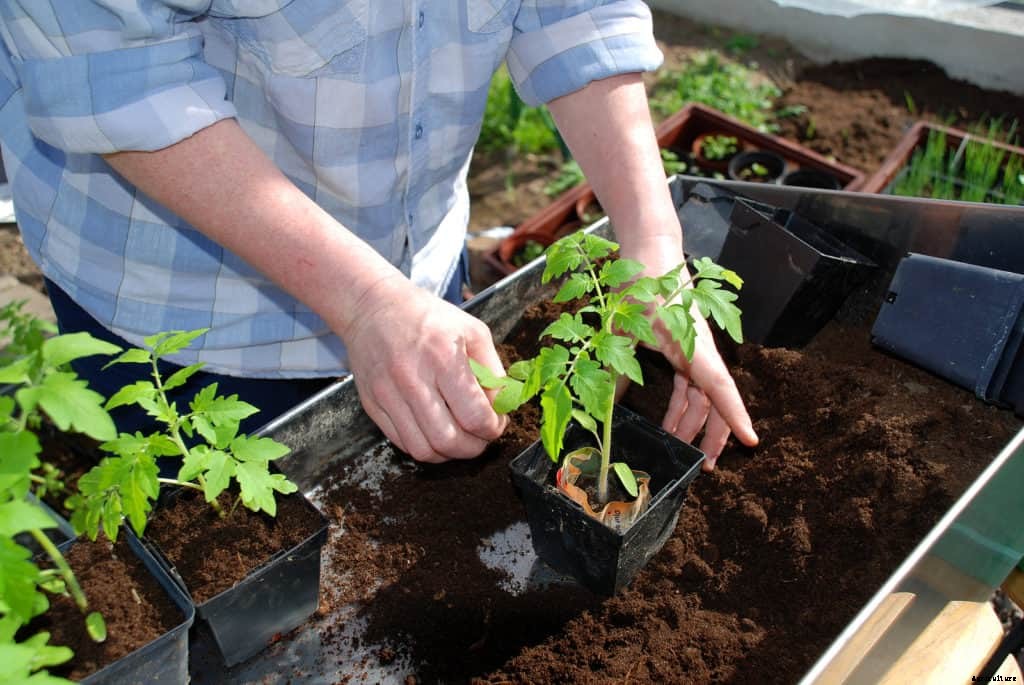
3. Potting Up. As your seedlings grow larger, you will likely need to give them more room for root growth. “Potting-up” means transplanting seedlings from a smaller container to the next larger container—the next deeper container. When you repot, set the seedling stems deeper than they were growing before—so the first set of leaves is just above the soil surface (you are actually burying most of the stem). New roots will grow from the buried stem and that will make for a stronger plant.
4. Transplanting to the Garden. Tomato plants can be transplanted into the garden once the garden soil temperature has reached 60°F; that will be about 2 weeks before the last spring frost date. A week before you plan to transplant your tomatoes into the garden set them outdoors for an hour each day, then two, then three. Over the course of several days, you will expose the plants to outdoor conditions; this is called “hardening off” – which means preparing plants for their life outdoors.
5. Garden Soil. Tomatoes thrive in average soil that is well-draining (meaning water does not sit on the soil surface for long after a rain or irrigation). If the soil drains slowly, add planting mix or compost to the garden or plant tomatoes in raised beds. Loosen the soil to at least 1 foot deep—the length of a shovel blade to help the roots grow down deep. To get a bumper crop, add a couple of shovelfuls of aged compost to the bottom of each hole when you plant.
6. Warm the Soil. Tomatoes thrive in warm soil. Two weeks before transplanting tomatoes to the garden, cover the planting bed with black plastic—which will store solar heat in the soil. Raised beds or mounded beds also warm more quickly in spring than in-ground beds. When your garden soil has reached 60°F, you can transplant tomatoes into the garden.
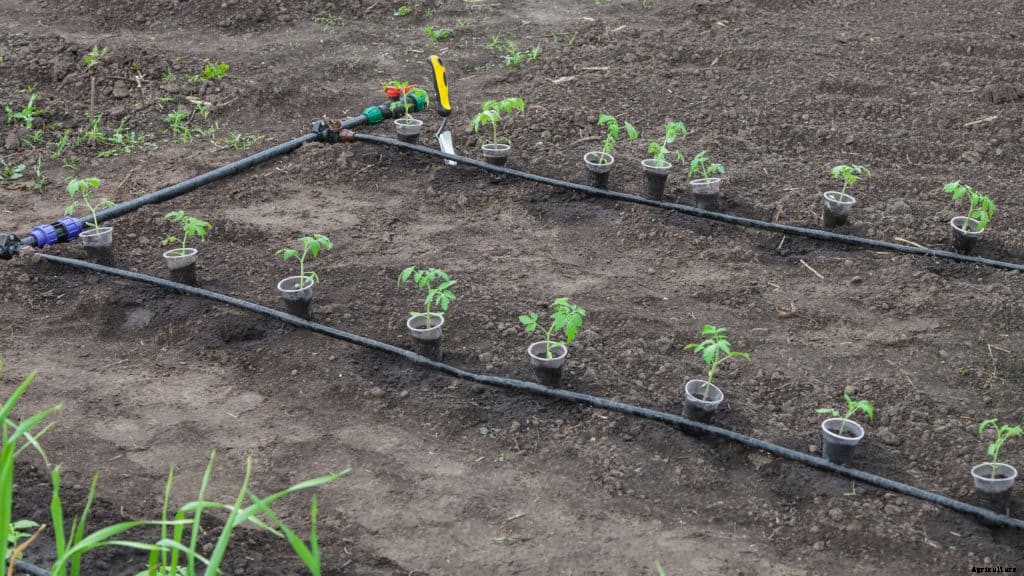
7. Space. Set tomato plants at least 3 feet apart, 4 feet is better, if you are going to allow them to sprawl without caging or staking. Caged or staked tomatoes can be planted slightly closer. The closer you set tomato plants the more pruning you will need to do as the season progresses. If you tend to let tomatoes go, if you don’t manage their growth every week—then give them more room. Tomato plants do best when they get plenty of sun and fresh air, and it will be easier to harvest the fruit.
8. Sun. Tomatoes require sun; plant tomatoes where they will get at least 6 hours of sun each day.
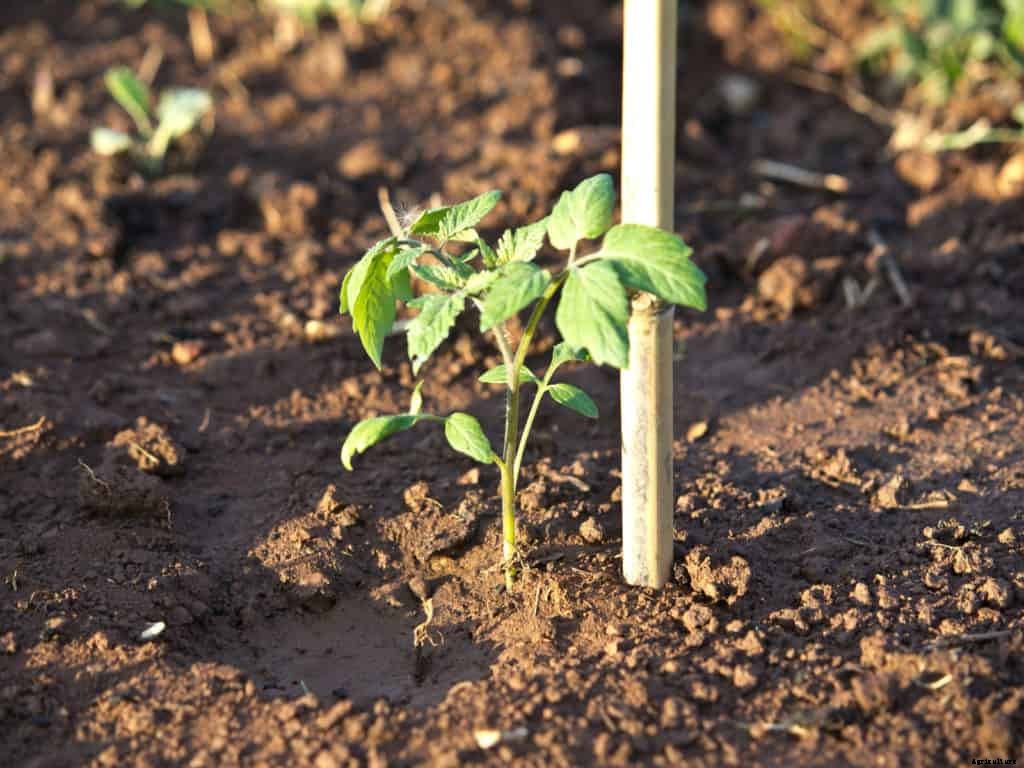
9. Support. Set tomato cages or poles in place when you transplant tomatoes into the garden. Tomatoes grow quickly and it is difficult to cage a rangy plant even a few weeks in the garden. And, tomato cages and supports are more readily available from garden centers early in the season than later.
10. Protect Transplants. If the weather is unpredictable, wrap plastic sheeting around each tomato cage once plants are in the garden; this will protect young plants from drying winds and cool night temperatures. Once temperatures stabilize—and night temperatures do not dip below 55°F—you can remove the plastic wrap to avoid overheating.
Also of interest:
How to Grow Tomatoes
Tomato Seed Starting Tips
Companion Planting and Tomatoes


