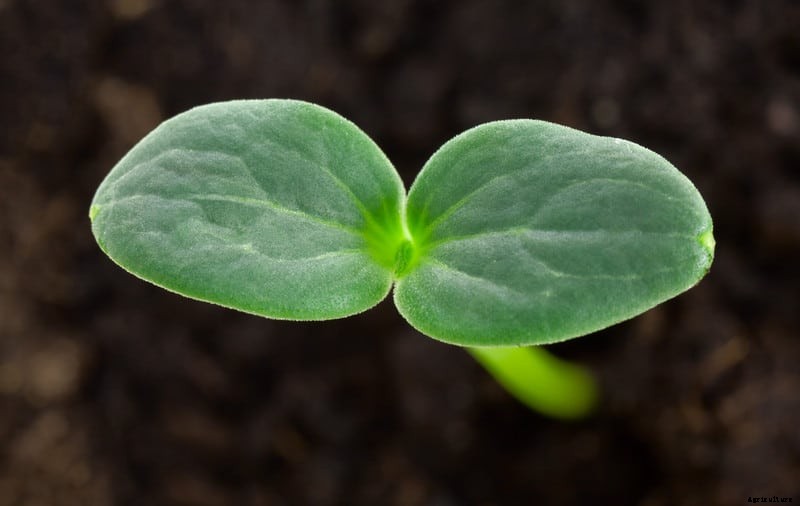
Watermelons are a tender, warm-weather crop.
- Sow watermelon seed or set plants directly in the garden in spring 2 weeks after all danger of frost has passed after the soil has warmed to 70°F (21°C).
- Watermelon seed can be started indoors 8 to 6 weeks before plants are set out.
- For the sweetest flavor, watermelons require a long, hot growing season and plenty of room; watermelon vines require 10 to 15 feet of grow room.
Watermelons mature 70 to 100 frost-free days after sowing depending on the variety.
Sowing and Planting Tips:
- Grow watermelons from seeds or seedlings.
- Seed is viable for 4 to 5 years.
- Start watermelon seed indoors 8 to 6 weeks before transplanting seedlings to the garden; set out transplants 2 or more weeks after the last frost in spring.
- Sow seed indoors in peat pots filled with seed starting mix. The indoor temperature should be between 80-90°F (27-32°C) until germination. Grow watermelon seedlings at 75°F (24°C).
- Direct sow watermelons in the garden in spring after all danger of frost has passed and the soil has warmed to 70°F (21°C). In warm-winter regions, sow watermelons in midwinter for harvest in early summer.
- Watermelon seeds will not germinate at a soil temperature below 65°F (18°C).
- Sow seed ½ inch (13 mm) deep.
- Seeds germinate in 3 to 10 days at 80°F (27°C) or warmer.
- Transplant seedlings to the garden after the soil has warmed to at least 70°F (21°C).
- Plant on mounds or hills 12 to 24 inches (30-60 cm) high, space mounds 10 feet apart; vines can easily spread 10 to 15 feet.
- Water to keep the soil from drying.
- Fertilize with fish emulsion or a soluble complete fertilizer at half strength.
- Add aged compost to planting beds in advance of transplanting.
- Watermelons prefer a soil pH range of 7.0 to 8.0.
- Grow watermelons in full sun for best yield.
- Avoid planting watermelons where cucumbers or squash have grown recently.
- Common pest enemies include aphids, cucumber beetles, flea beetles, squash bugs, squash vine borers, slugs, and snails.
- Common diseases include bacterial wilt, fusarium wilt, downy mildew, powdery mildew, cucumber mosaic.
Interplanting: Plant watermelons with bush beans, corn, dill, eggplant, lettuce, cucumbers, squash, and tomatoes.
Container Growing Watermelon: Watermelons are not a good choice for container growing. They require significant room to spread and grow.
Watermelon Planting Calendar
- 8-6 weeks before the last frost in spring: start seed indoors for plants that will be transplanted into a plastic tunnel in 4 weeks.
- 5-4 weeks before the last frost in spring: start seed indoors for seedlings to be transplanted into the garden.
- 4-2 weeks before the last frost in spring: transplant seedlings to a plastic tunnel.
- 1-2 weeks after the last frost in spring: direct sow or transplant seedlings into the garden; minimum soil temperature is 60°F.
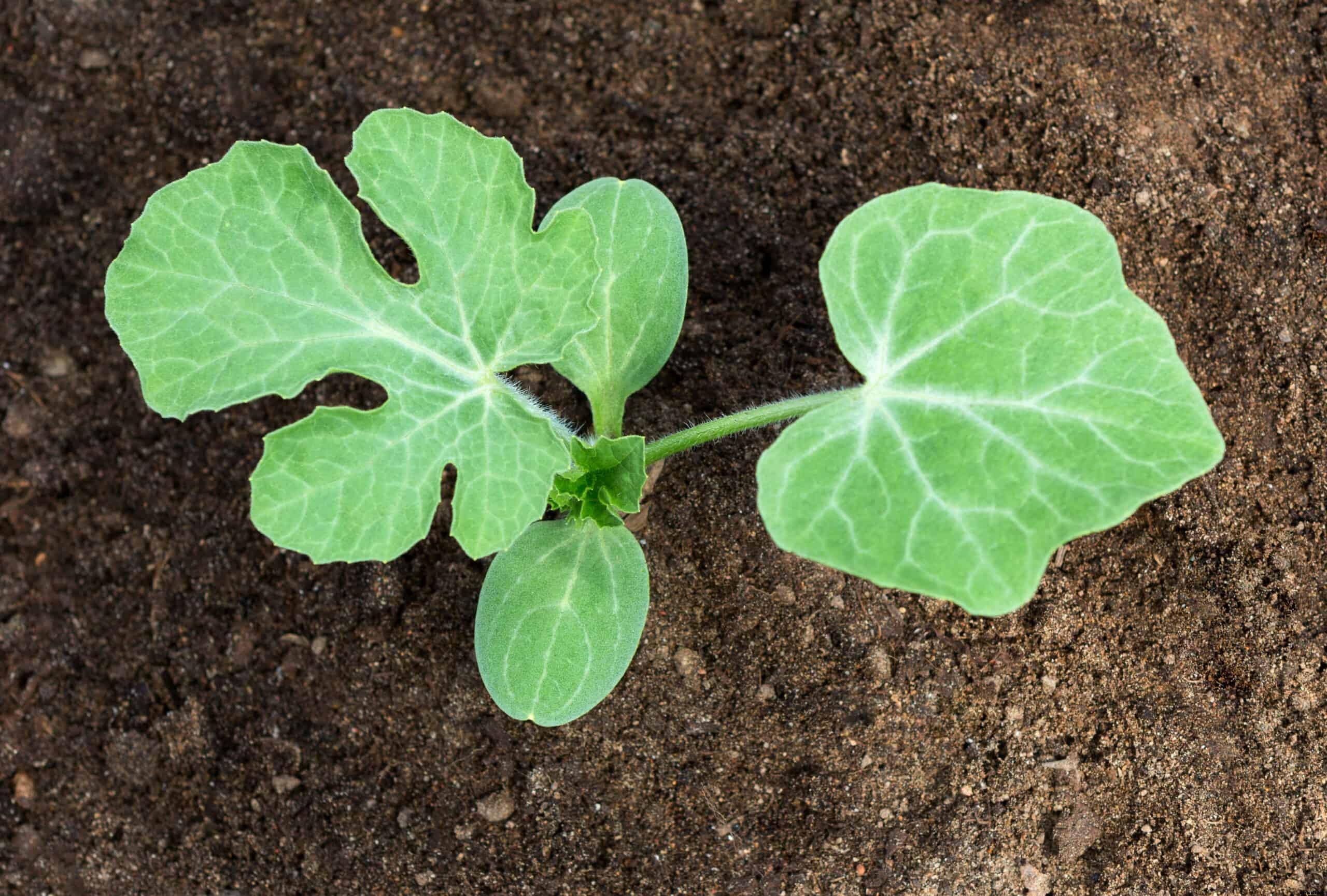
Recommended Watermelon Varieties
- ‘Sugar Baby’ and ‘Sugar Bush’ are small, 8-10 pounds.
- ‘Fiesta’, ‘Regency’, and ‘Sangria’ are 20 to 25 pounds—all are very sweet.
Botanical Name: Citrullus lanatus var. lanatus
Melons are a member of the Cucurbitaceae family; other members cucumbers, squash, watermelon, and pumpkins.


