
Welcome to Modern Agriculture!

Hydroponic expert tips, plans, secrets
Many problems, one solution HYDROPONICS!!
Hydroponics farming is an emerging sustainable soil-less gardening practice. It chiefly involves raising healthy plants without the use of a traditional soil in fact by using a mineral-rich water hydroponic nutrient solution instead. It is one of the celebrated modern farming technologies rising successfully across the globe. Toxin-free, low-cost, space-saving, low in pesticides, and environmentally pleasant, hydroponic gardening the art of growing plants without soil is a technique already used by millions for growing healthy, vibrant plants by everyday gardeners to commercial farmers. Let us get into Hydroponic expert tips and plans.
Hydroponic gardening can take shape based on your creativity and imagination. Successful growers can help people to think outside the box, by simply showing them that growing food can be carried out in lots more places then were conventionally thought to be inoperative for crops, and food production. With hydroponics you can imagine crops growing on rooftops, buildings, floating on lakes, suspended above parking lots and highways, on top of sports stadiums and Schools that are almost everywhere mates.
Try and fail but never fail to try!!
So that our readers try and flourish we are listing out expert tips from successful growers based on their years of practice so keep reading to escape the failure. The probable reasons for failing in hydroponics gardening could be:
Lack of knowledge– you don’t know how things must be or what you are required to do
Lack of discipline– you know how things must be and you know what needs to be done, but you don’t take the time or put up the effort
Lack of ability- you require more first-hand experience, or possibly you do not have the required hydroponic gardening equipment or supplies
So my friends these are the only three factors that may cause failure in hydroponics gardening and trust me if you keeping reading us and trying hands-on hydroponics these questions will turn into a success saga. You just have to follow the tips below to uplift your learning curve and skip right to excellent outcomes.
This is one of the best Hydroponic expert tips. Conventional fertilizers possibly will not dilute completely through your system. Similarly, it can clog drains and tubes. In its place, invest in special fertilizer designed particularly for hydroponic systems. Best Hydroponic fertilizer, which is easily available as liquids or granules, fulfills the growing requirements you require in a soil-less garden by providing additional nutrients your plants may otherwise miss.
Fertigation is the procedure of injecting fertilizers directly into an irrigation system. In hydroponic gardening the right distribution of fertilizer into the water supply is vital since the plants are being grown without soil, simply relying on the right amount of water and nutrients to continue to exist so it has to be under your command. Naturally, the soil typically offers a buffer for salts; acids and bases added to the root system, without this natural buffer, growers have to be cautious not to shock the plants with an overdose of any nutrient solution.
The absence of soil in a hydroponic system means there has to be something that the plants can be proliferated in and supported by for the nutrient solution to stream effectively through. The determination of a suitable growing medium is one that permits a good balance of oxygen and moisture to be readily taken up by the roots of the growing plants.
This is one of my favorite Hydroponic expert tips. If the system is dirty, clogged, and contaminated it won’t matter which grade of nutrient solution you are feeding, how exotic your plants are, or how huge is the system. Maintenance of hydroponic system regular cleaning is a critical part of leading a successful operation for the reason that this practice will keep the system free of pests and diseases.
Although may hydroponic system allows the cycling of nutrients even it can be fixed by a digital timer but for manual basic systems it is recommended to change the water and nutrients entirely every two weeks this is how often should you change the water in a hydroponic system. For smooth operation always keep an extra clean reservoir of plain water ahead of you for your next nutrient change at the same time.
This may sound rude and unfair to some of my pet lovers but friends its important for the safety of your pets and your plants too. You are feeding various nutrient solutions to the growing plants in the hydroponic garden system there are set up for light, maintaining humidity, etc that may get disturbed.
This is a very serious suggestion which is often ignored do not visit your garden after visiting another garden be it hydroponic or conventional soil cultivation or being outdoors this must be done to avoid any kind of foreign pollen or insect-pest stuck in your clothes or hands. This suggestion is a must for growers interested in organic hydroponic gardening. You may visit your garden after a shower and a fresh change of clothes better allot a day for a particular garden. This rule must be followed by any visitors to your garden
Keep reading and researching about hydroponic gardening as the more you know prior to setting up your garden, the better off you’ll be by the time you’re all set to harvest.
In case if you miss this: Growing Organic Vegetables in Greenhouse.
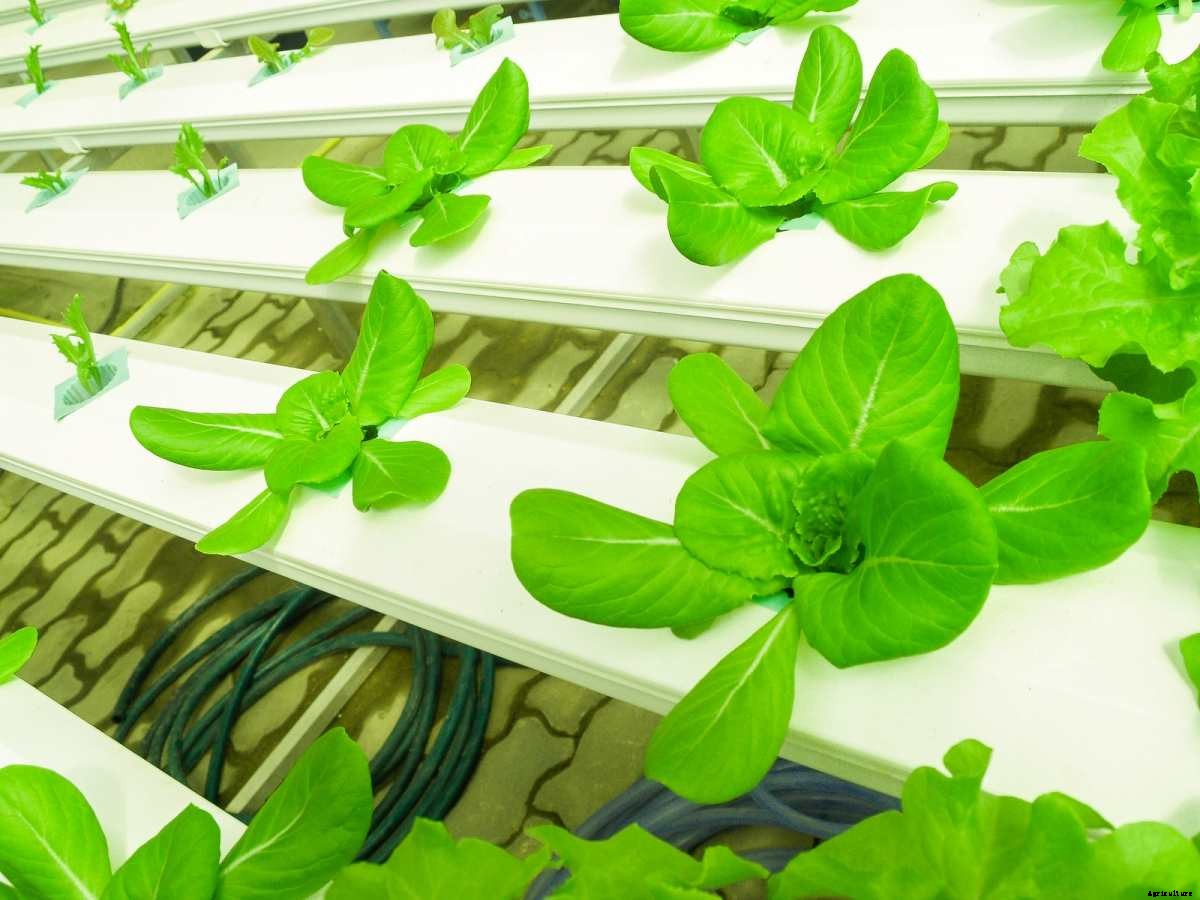
Hydroponic gardening success begins with a solid plan. Having a plan simply means you know about your plants, its nutritional requirements, and photoperiod requirements and having all the supplies and equipment required to meet those needs. Actually having a prepared well written week by week feeding schedule, complete along with required nutrient strengths and nutrient changes, would also be very helpful well these are planning is required when you are starting from scratch. These feeding instructions usually come along with the hydroponics starter kits that you can fetch from online stores or any shop dealing with horticultural planting material.
You can consider following hydroponic plans to go ahead to plan a small hydroponic system
Difficulty level: 1/5
One of the simplest hydroponic plans you can start off by yourself within several hours and a perfect answer for how to grow hydroponic plants at home use this plan and grow plants like lettuces, spinaches at the start, or plants such as tomatoes after you have gained enough experiences.
This system is great for anybody who just gets started with hydroponics. What you require are a bucket, some growing media (like perlite), some net pots, hydroponic nutrients, and pH testing kits. These are all required to set up a passive system (no electricity is required) that can run automatically for weeks without maintenance.
Difficulty level: 1/5
This is another effortless hydroponic setup suited for beginners. For this, you need a 5-gallon bucket, some growing media such as coco coir or perlite-vermiculite, and nutrient mix. The setup works by utilizing the growing media to make a capillary action, which facilitates the movement of nutrients up to the plant’s roots.
This system is ideal for single large plants. If you want to keep things easy you can water the system manually depending upon how much water per plant is needed. For an automated system, you will require another bucket for the reservoir, and a submersible pump, and a timer. Deepwater culture system is a best suited hydroponic system for home hydroponic growers and hydroponics for beginners
Difficulty level Advanced (4/5)
Large about 4 inch PVC pipes can be used to generate a homemade hydroponics system. In this plan, the plants are placed in grow nets which are fitted in holes made in the pipes.
The system is watered using a reservoir and pump. This is a closed system, with the water circulating amid the pipes and the reservoir, NFT pump timings can be set digitally with help of hydroponics timer.
This plan is perfect for growing many small plants within a limited area. The basic system can help you grow about 20-40 plants. This system can also be placed indoors or outdoors. If grown indoors, grow lights essentially installed. The hydroponics method used in this technique is called NFT. It is an outstanding plan for growing vining plants like hydroponic tomatoes.
You may also check this: Growing Grapes in Pots from Seeds and Cuttings.
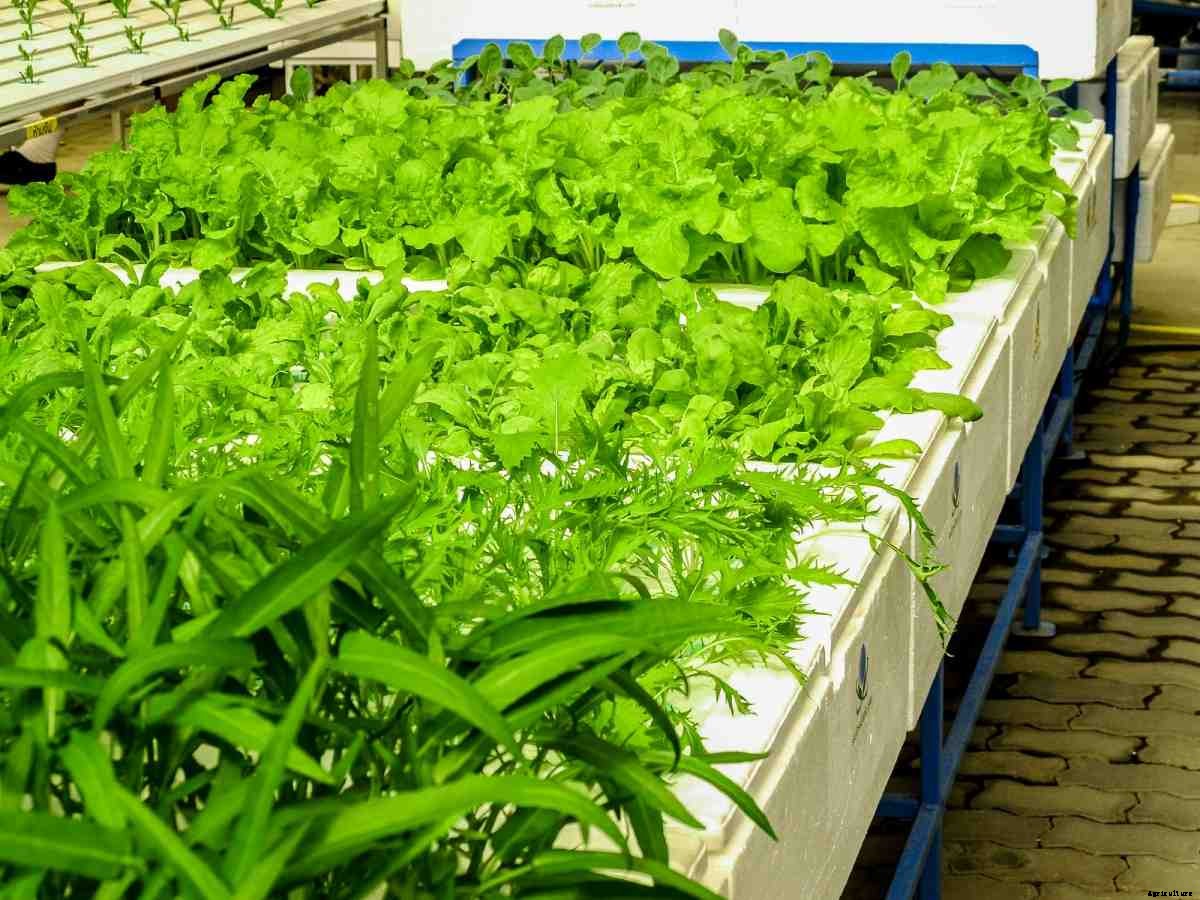
That’s all folks about hydroponic expert tips, I hope the above information will help you to set up a successful hydroponic system. In case if you are interested in this: How to Make Money from Hydroponic Business Store.


