
Welcome to Modern Agriculture!

Growing Pigeon Peas in Container
Hello gardeners, we are back with a new topic called growing pigeon peas in container. Do you want to know how to grow pigeon peas in containers? Well, and then you will need to follow this complete article to grow perfect pigeon peas in a container. In this article, we will also mention all the requirements for growing pigeon peas in a container.
Introduction to Growing Pigeon Peas in Container
Pigeon peas are very slightly nutty legumes and they are popular in African, Indian, and even Caribbean cuisines. They are a very great plant to grow as they are drought-resistant and can survive in many different types of soils. They do well and best when planted during the early spring and harvested in late summer. You can use them in your favorite dishes in place of lentils, beans, or even chickpeas, and you can cook a traditional pigeon pea dish, like Arroz con gandules. This information may be helpful in growing pigeon peas in containers/pots on terrace, backyard, and balcony,
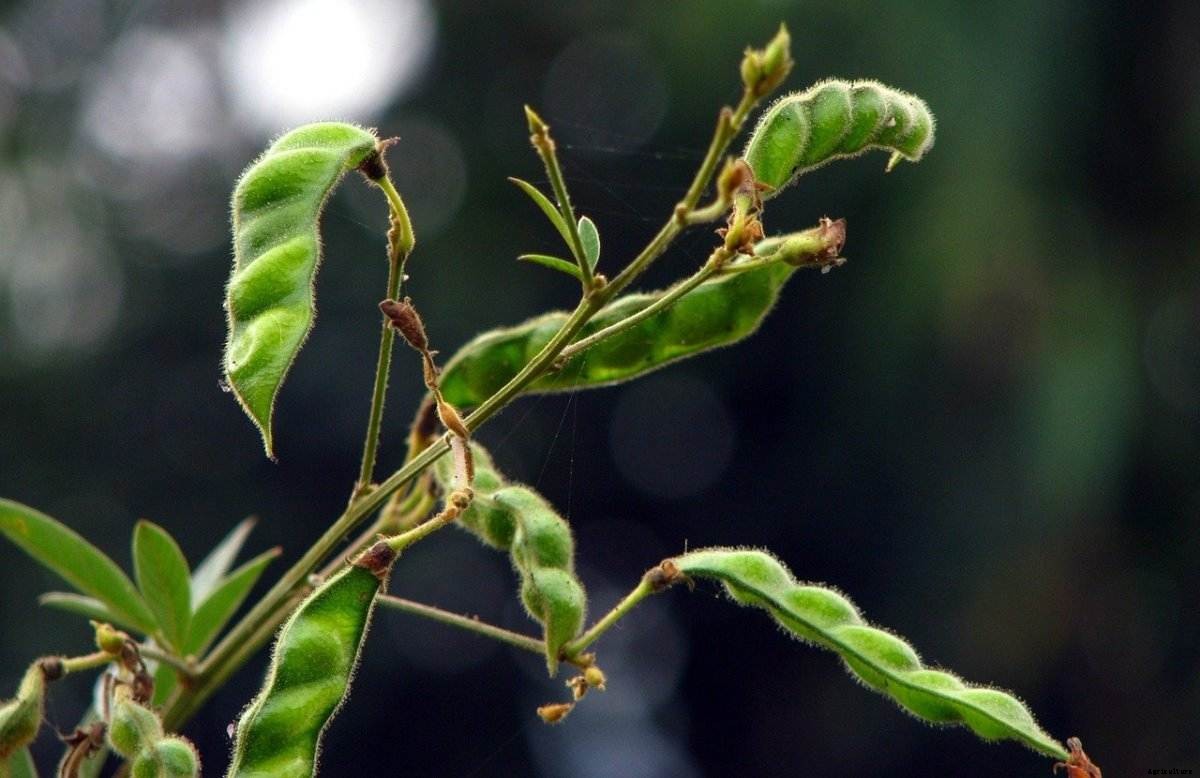
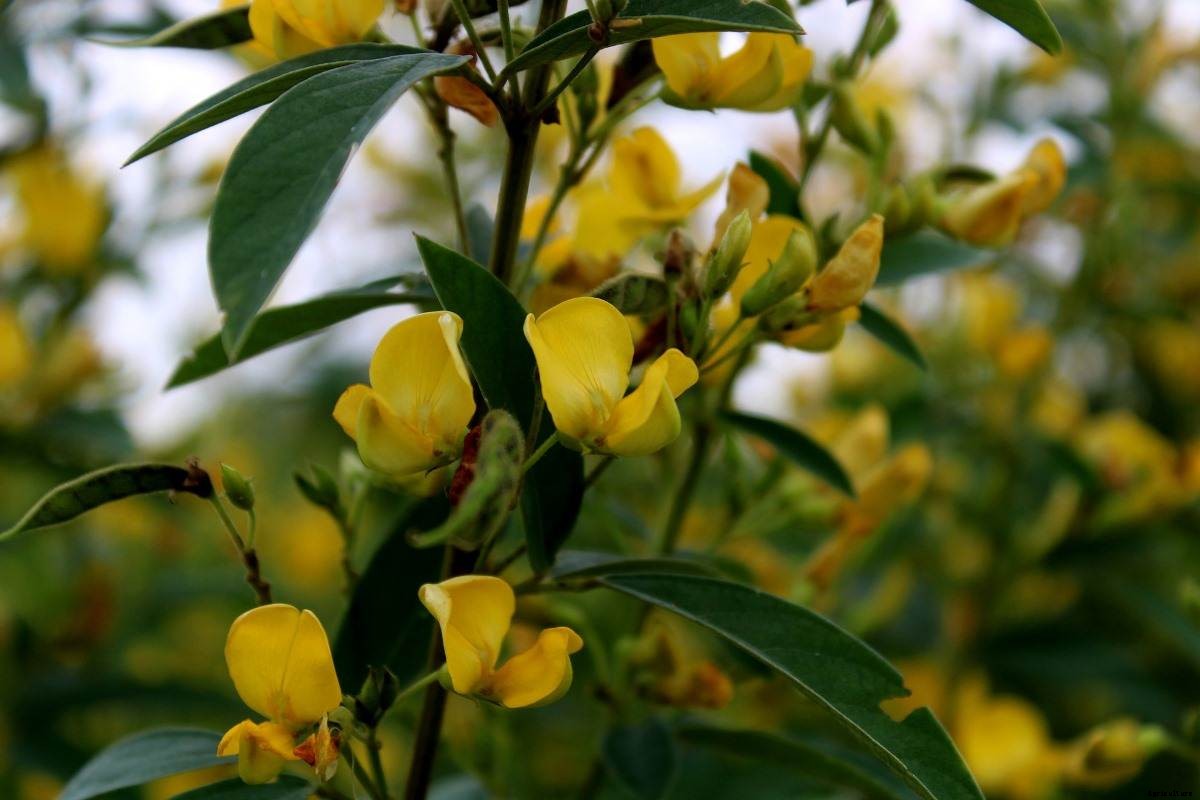
Pigeonpea, Cajanus cajan, is a perennial shrub and belongs to the family Fabaceae and it has grown for its edible pods and seeds pigeon pea is a very highly branched shrub with a woody base, slender stems, and even trifoliate leaves. The plant leaflets are oblong and elliptical and the leaves are alternate and even arranged spirally on the stems. This plant usually produces yellow flowers, but they can be yellow with streaks of purple or even red. The flowers are produced on racemes of 5 to 10 flowers. The seed pods are very flat and either straight or sickle-shaped and measure 5 to 9 cm in length. Each pod can easily contain between 2 and 9 seeds which can be white, cream, brown, yellow, purple, black, or mottled with any combination of these colours. Pigeon pea can easily reach 0.5 to 4.0 m in height and it is usually grown as an annual and harvested after one season. It is also be referred to as red gram or Congo pea and originates from India.
What are Pigeon Peas?
The pigeon pea (Cajanuscajan, family Fabaceae) is thought to have easily originated in India, where it is still widely grown as a food plant. It is also used extensively as a cover plant, green manure, intercrop, etc. in many sustainable farming systems in the tropics and subtropics, and in many home gardens in very warm climates.
The plant is a very short-lived perennial shrub. It grows to two to four meters or 6 to 12 ft. and lives for nearly about five years. The flowers are yellow and red. The leaves consist of three leaflets and they are very dark green above and silvery underneath.
It can be easily grown on a wide range of soil textures, from sands to heavy black clays but it needs free drainage to survive. Pigeon pea usually prefers a pH of 5 to 7 but it can tolerate pH 4.5 to 8.4. Pigeon pea is very sensitive to high salinity.
The best season to sow Pigeon peas seeds is in the winter. Pigeon pea seeds can be sown directly and very easily in raised beds, or even containers. You need to use a big-sized circular pot or grow bag with a 16 inches diameter and minimum depth of 8 to 10 inches to sow your seeds. Better make sure that the container of your choice has uniform drainage holes at the bottom of the container.
It usually prefers full sunlight but it can tolerate some shading during the vegetative growth phase, which can result in good etiolated stems. It is sensitive to very low radiation at pod development and also requires full sunlight at this growth phase.
You may also check this: How To Grow Cauliflower In Greenhouse.
Pigeon pea is tolerant of very hot conditions and grows in temperatures 35ºC when soil moisture and fertility are adequate, but generally grown in temperatures of 18 to 30ºC. It can easily grow at altitude but growth is slowed by very low temperature. Leaf cannot tolerate frost but may escape a light ground frost due to its good height.
Container garden peas will undoubtedly yield a smaller harvest than those grown in a garden plot, but the nutrition is all still there, and it’s a fun and low-cost means of growing your peas. therefore the main question is, “How to grow pigeon peas in containers?” confine mind that pot-grown peas usually require more water than garden-grown, possibly up to 3 times each day. Due to frequent irrigation, the nutrients are leached out from the soil, so fertilization is vital to growing healthy peas in a container. First of all, choose the pea variety you would like to plant. Almost everything within the Leguminosae family, from snap peas to shelling peas, is often container-grown; however, you’ll wish to pick a dwarf or bush variety. Peas are a warm-season plant, so growing peas in a container should begin within the spring when temperatures consider over 16ºC. Next, select a container. Almost anything will work as long as you’ve got drainage holes (or make three to 5 holes with a hammer and nail) and measures a minimum of 12 inches across. Fill the container with soil leaving a 1-inch space at the highest.
Create support for the potted pigeon pea with bamboo poles or even stakes set into the middle of the pot. Space the pea seeds 2 inches or 5 cm. apart and 1 inch or 2.5 cm. beneath the soil. Water in thoroughly and even top with a 1-inch layer of mulch, like compost or even wood chips.
Keep the seeds in a lightly shaded area until germination 9 to 13 days at which era you ought to move them to full sun exposure.
You need to water very deeply once a week. But never allow the soil to dry out totally or you will drastically reduce pea production. The main time for watering the plant is when the plants are blossoming and even producing pods. When pods are maturing in very hot weather, water daily if needed to maintain good pod quality.
Peas need a very deep watering right at the time of planting to help them establish themselves in their new home. it provides at least one inch of water per week and then tries to keep the soil from drying out completely, by checking moisture levels daily.
In case if you miss this: Coconut Coir Benefits For Gardening.
Do pigeon peas need full sun to survive?
Pigeon peas are often grown in most places where there’s tons of sun and really little frost. Pigeon pea’s growing conditions do not have to be perfect, as this adaptable plant does well in even the poorest soil and with only touch water.
Do pigeon peas get to be soaked before planting?
Whole dried pigeon peas got to be soaked for a minimum of 6 hours. 1 cup of peas to 2-1/2 cups of water and 1/2 tablespoon of salt (Yes, salt, see our Soaking / Bringing Dried Beans page). Dal isn’t soaked unless specifically involved by the recipe (soaking is claimed to changes its texture).
How long do pigeon pea plants live?
Classified as a shrub or very small tree, it rarely grows taller than 15 feet in its life. Pigeon peas are referred to as perennial, which suggests they still grow from year to year. In ideal conditions, they’ll live up to eight years, but occasionally they need a shorter lifetime of 4 to 5 years.
Why do they call them pigeon peas?
The pigeon pea (Cajanus cajan), whose cultivation is often traced back quite 3,500 years, is understood by a spread of names: Congo pea, Angola pea, pigeon pea — postmarks of its travels because it spread from eastern India to Africa and therefore the Middle East. In Barbados, it had been wont to feed pigeons.
How does one pick pigeon peas?
The plants are day-length sensitive and can flower sooner when the times are short. Pick the pods green if you would like fresh peas or leave them on the plant to dry. Pigeon peas are very heavy croppers and therefore the seed pods grow in big clusters at the top of the branches.
How fast do pigeon peas grow?
The new varieties produced pigeon peas in but four months, as compared to the long wait of six months or more for the normal varieties. They will be very easily planted throughout the year and they are expected to yield pigeon peas in 3-4 months.
Do I need to soak peas in hot or cold water?
Soak them in very cold water until peas are completely reconstituted, with all wrinkles removed. If you employ soda or even pea steeping tablets to melt the pea skin, to permit quicker water uptake, then dissolve the measure in predicament, and then stir into cold water mass.
Are pigeon pea leaves edible?
Edible parts of pigeon pea are the seeds, seedpods, leaves, and even young shoots. Pigeon pea is also very well known for its medicinal uses.


