
Welcome to Modern Agriculture!

Growing Lilies indoors in pots/containers
Lily flowers are easy-to-grow, flowering houseplants. Lilies are a group of flowering plants that are very important in culture and literature in much of the world. Lilies require ample light and water to produce the best blooms. Lilies need excellent drainage to prevent bulb or root rot. Select containers with ample drainage holes and saucers to collect excess water. In this article we also discuss below topics;
Lilies grace your home garden, blending lovely form, delicate color, and delightful fragrance. While the elegant blossoms make these plants seem the show poodles of the flower world, they are easy to grow from bulbs or seeds. Lilies are remarkably hardy, very easy to grow, and easy to maintain.
Number of popular Lily species available to gardeners;
Asiatic Lilies – Asiatic Lilies bloom first in early summer in May or June, right after peonies. They are not fussy as long as the flowers are grown in well-draining soil. They are the shortest type of Lily about 2 to 3 feet tall and come in many colors, from pastel to tropical. Then, they don’t have much of a fragrance, but they do add bright color to the garden. The Asiatic Lily is the earliest to bloom and they are also the easiest to grow. This Lily will grow almost anywhere. Most are unscented, but they have the widest variety of colors.
Easter Lilies – Easter Lilies are commonly grown indoors as a holiday plant. They are typically forced into bloom around Easter, in March or April.
Oriental Lilies – Oriental Lilies have that famously strong fragrance and they are tall and stately (4 feet) and tend to grow more slowly, blooming about the time when Asiatic Lily flowers are fading (mid- to late-summer). The Lilies can grow to 8 feet (2.5 m.) tall and they have a spicy fragrance and come in colors of pink, white, red, and bi-color.
Trumpet Lilies – Trumpet Lilies are similar to oriental Lilies, and producing many blooms with a nice scent. Their flowers tend to be smaller and closed (like a trumpet) than those of the other Lilies. Trumpet Lilies are known for their trumpet-like flowers and are fragrant.
Martagon Lilies – Martagon Lilies have whorled leaves and Turk’s cap lily flowers. It is also known as Turk’s cap Lily, with as many as 20 blooms on one stem. It comes in many colors and is freckled with flecks of color. Martagon flowers do not grow well in hot climates.
Tiger Lilies – Tiger Lilies are hardy and the flowers are recurved and freckled. They multiply in clumps and make more than a dozen flowers on each stem. Its colors range from a golden yellow into a deep red.
Rubrum Lilies – The Rubrum Lily resembles the Tiger Lily, while the colors range from white to deep pink and have a sweet scent.
Lilies normally like bright, indirect light. Put them near a sunny window where light is filtered by sheers, blinds, or other protection from the direct sun that can cause sunburn. Windows south-facing windows get the most intense light and northern exposures receive the least.
Lily plants prefer light partial shade and can tolerate fluorescent lights. Some plants have been known to thrive in rooms with no windows at all. Yellowing plant leaves indicate that the light is too strong and brown leaves or streaks indicate scorching from direct sunlight.
Ideally, select a spot in your garden with good drainage and plenty of sunlight. Lilies require a well-drained planting medium, such as sand or other porous soil.
To find a good drainage location, find the spot in the garden that dries out the quickest after a pour of rain. If there is no obvious location, plant Lilies on a slope, and let gravity take care of your drainage.
Choose a location for Lily that is out of the direct sun and not subject to frequent temperature changes. Though an indoor Lily will grow in low or artificial light, it will do best in a location with indirect sunlight. And, look for a spot that is out of the way of drafts and stays fairly warm. Indoor Lilies prefer temperatures that stay between 18 and 29°C, without any rapid fluctuations.
Place a 5cm layer of drainage material, such as crocks and small stones, in the base of clay pots before beginning to fill with potting compost. Plastic containers could not need this ‘crocking’ if their drainage holes are raised off the bottom of the container.
A medium to the large, well-draining pot is good for Lilies. Proper drainage is important for Lilies. While they like moist soil, sopping wet soil will cause the bulbs to rot and make sure you select a container with drainage holes on the bottom. For extra drainage, then add a layer of rocks at the bottom of the pot.
In case if you miss this: Growing Hydroponic Blueberries.
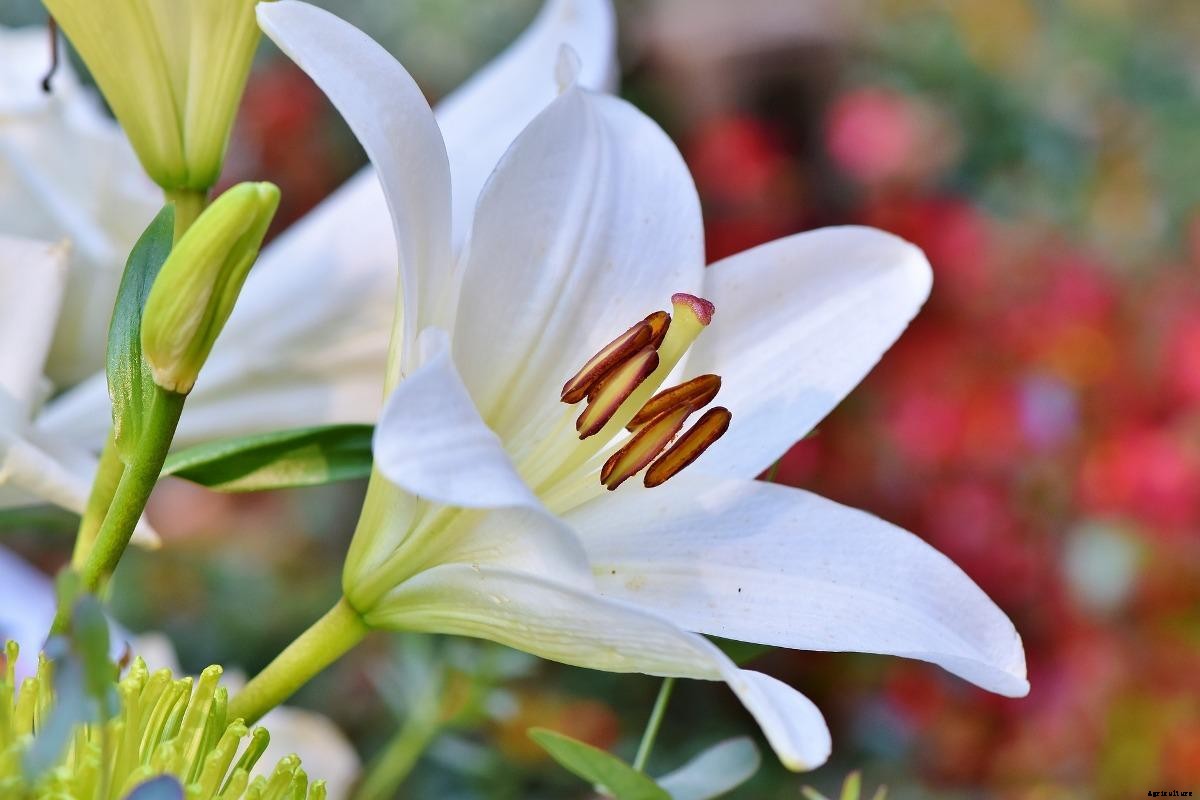
Lily plants do not like soggy soil. Both the growing medium and the container have good drainage, and the soil should be allowed to dry out on the surface between watering. And, do not let the soil become too dry, or the Lily will wilt. Lilies don’t require much fertilizer; you can give it a balanced liquid fertilizer, such as a 20-20-20 formulation, every 3 months. And allow the liquid to run out the bottom of the pot to help prevent the buildup of salts in the growing medium.
Lilies are perennial but die back after flowering. The plants grow from bulbs, rhizomes or corms. To propagate indoor Lilies, you can collect the seeds from the Lily flowers. Some species can be propagated by taking the Lily out of its container and carefully dividing the roots in half or thirds. This keeps the root system from becoming overcrowded. As the parent plant is out of its container, consider replacing the growing medium in its pot with fresh material. The new plants can be put in containers or, if your climate is suitable, planted in the garden. It may take up to 4 years for Lilies to mature enough to bloom. Water Lily plants often enough to keep the soil moist but not soggy. Provide about 1 inch of water in a single weekly watering except during hot, dry periods when additional watering may be necessary.
Cut Lilies for arrangements when the buds are on the verge of opening, preferably in the early morning time. Immediately plunge the stems into cool water and as the flowers fade in the garden, snip them off with scissors or pruning shears.
You may also check this: Growing Marigolds from Seed, Cuttings, Layering.
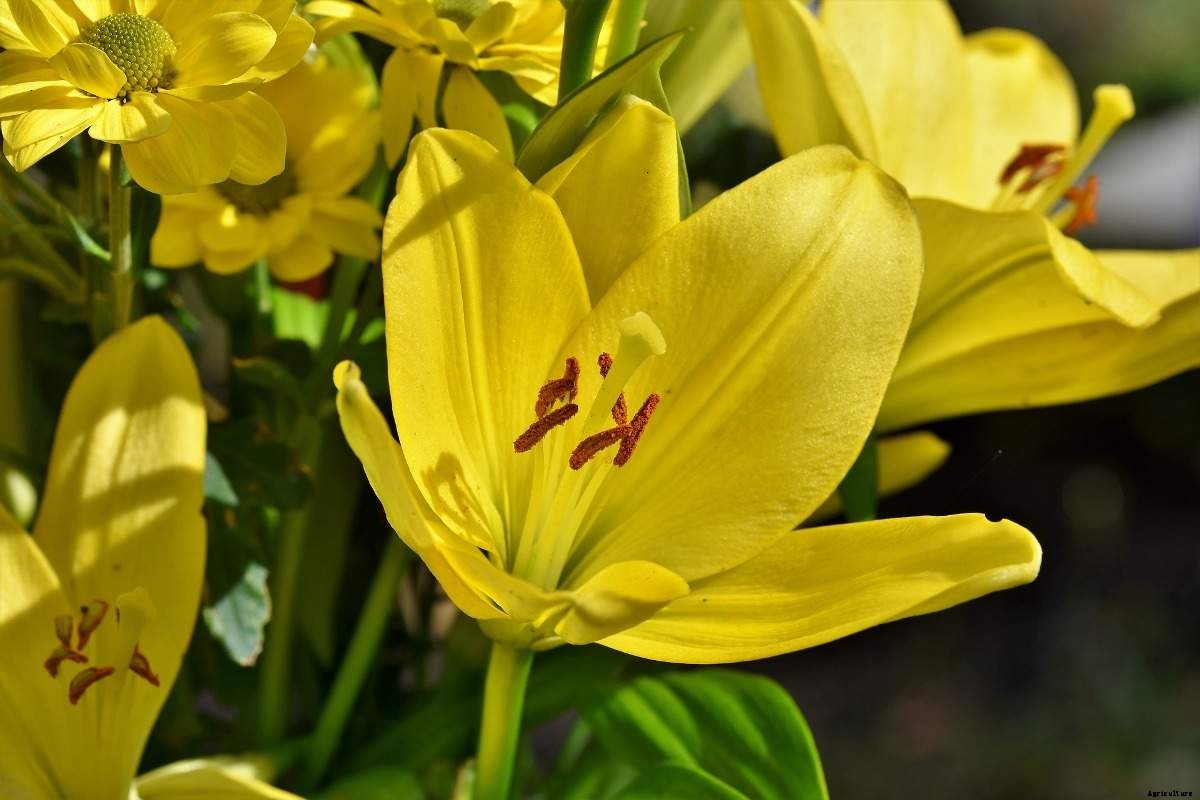
The most fragrant Lilies can be Orientals, Orienpets, and Trumpets, Asiatic Lilies are unscented. Some gardeners describe Oriental Lilies as having a spicy scent, whereas Trumpets emit a sweet perfume, and Orienpets offer a pleasant, light aroma.
Lilies flower best in full sun, but many gardeners find that they will tolerate some shade. Species Lilies, those originally found in the wild, are an excellent choice for light shade. Martagon Lilies can handle more shade than other Lily types.
Before a Lily plant can bloom or rebloom, it should store energy in the flower bulb. Normally, even if the Lilies are planted outdoors as soon as they finish flowering in spring, they will not bloom again in midsummer. And rebloom will happen on schedule the following year.
Lilies need moist, humid conditions to grow and develop, too much water can make them wilt and die.
Each class of Lily blooms during a specific range of time and most Asiatic Lilies bloom from 30 to 45 days after growth begins. Orientals Lilies take from 40 to 90 days. Tiger Lilies are the latest bloomers about100 to 120 days after spring growth starts.
Lily grows best in moist, well-draining soil that dries slightly between watering. Excessively dry soil causes plants to wilt and Lily leaves to turn yellow. Poorly draining soil or excessive watering can cause roots to become waterlogged, and which causes yellow leaves.
This can depend on variety, sun exposure, and weather during the summer, etc., but each flower can last up to 5-7 days from bud “break” to full blossom. As for an entire mature, blooming stem, 2 weeks is pretty average.
In case if you are interested in this: How to Make Money from Dried Flower Business.


