
Welcome to Modern Agriculture!

Growing Anthurium Plants in Pots from Seeds
Hello gardeners, today we are here with a new and different plant guide. The article is all about Growing Anthurium Plants from seeds in pots/containers. Do you want to grow anthurium plants? Well, and then you need to follow this complete article to know about how to grow anthurium. In this article, we will also mention all the requirements for growing anthurium plants.
Introduction to Growing Anthurium Plants
The anthurium plants genus contains nearly hundreds of tropical plant species and they are often admired as houseplants for their bright and nearly year-round flowers. Anthurium plant is native to the tropical rain forests of Central and even South America. Despite their sensitivity to temperature and even humidity, anthurium plants are relatively very hardy and are very easy to care for when kept indoors. They are usually sold as cuttings and as adult plants, but it is possible to grow them from seeds as well. Let us dive into Growing Anthurium Plants.
The flowering varieties of these plants are very highly distinctive for their multicolored spathes and even red or yellow tail-like flower spikes. Other varieties feature large-leaved and deeply veined foliage. Many of the anthuriums plants are climbers and all need is very high humidity and warmth to survive well.
Prepare soil mix for the plant. Anthurium usually prefers coarse and well-draining soil. Better try a mixture of equal parts perlite, peat moss, and even pine bark. Alternatively, you also need to combine these all three parts potting mix with one part coarse material such as orchid bark or even any lava rock. If the anthurium plant is at least a year old and it may prefer an even coarser material, that is achieved by adding a handful of crumbled aquarium charcoal, coarse river sand, or even very small pieces of broken brick.
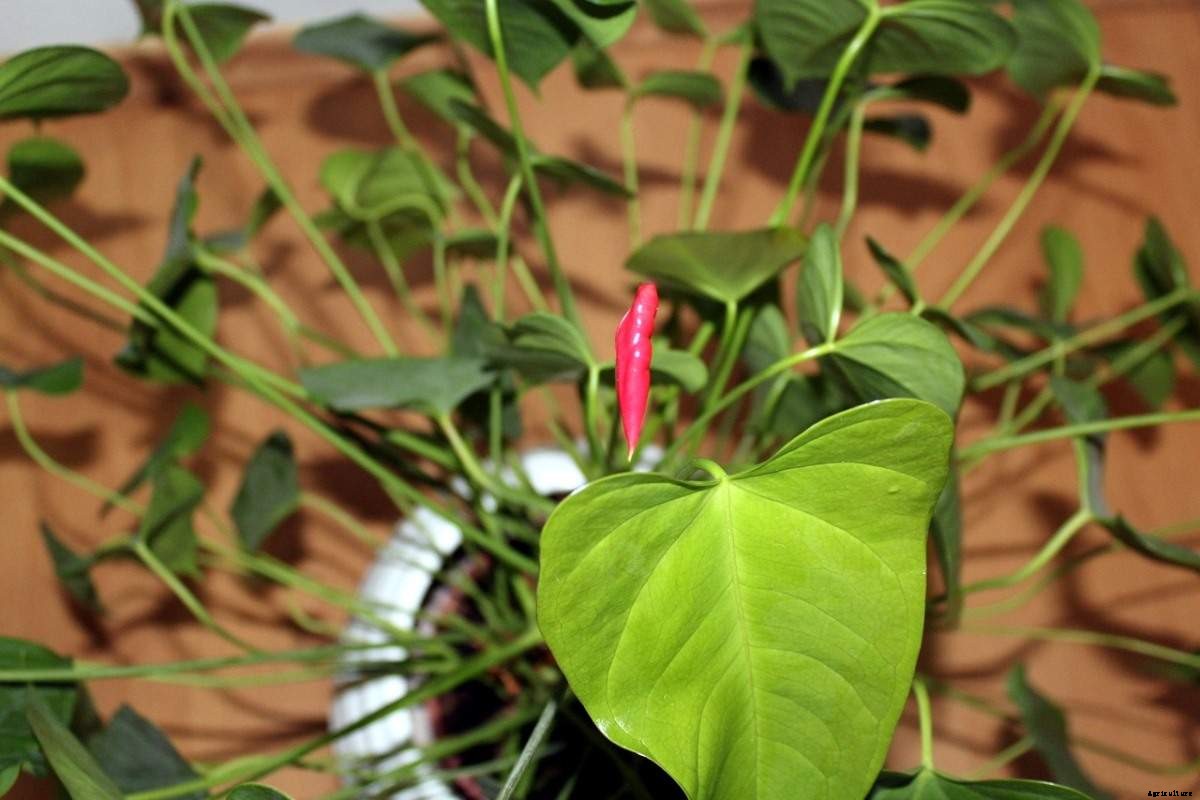
Mature anthurium plants need 10inches diameter pots, while slightly mature plants need 8inches diameter pots.
You need to plant anthurium plant in a pot that is 1/3 full of this soil mix. The anthurium plant needs to be kept in a pot only very slightly larger than itself, or the roots of the plant may rot and even die. You will just need to fill a pot 1/3 of the way full with the prepared potting mix and then place the anthurium plant on the top. Again better to fill in with additional potting mix around the sides. Typically, then the roots of the plant will continue to grow above the potting material, so you need to begin with this low level of fill to delay the need to transplant your anthurium to a very large pot.
If you are using a potting mix with very little coarse material or even worse drainage, then consider one or two layers of pebbles at the base of the container to speed up the water drainage system.
Keep in a warm or even in a hot location, with indirect sun. Anthurium plants survive in daytime temperatures between 27–32ºC. If this is not possible, then the plant will typically survive indoors at temperatures above 15.5ºC, but warmer is good and better. Better to avoid direct sun, which may burn the plant, but keep it in a very bright location to encourage blooming. A South- or east-facing windowsill is a very good option and a north- or east-facing if you are in the southern hemisphere.
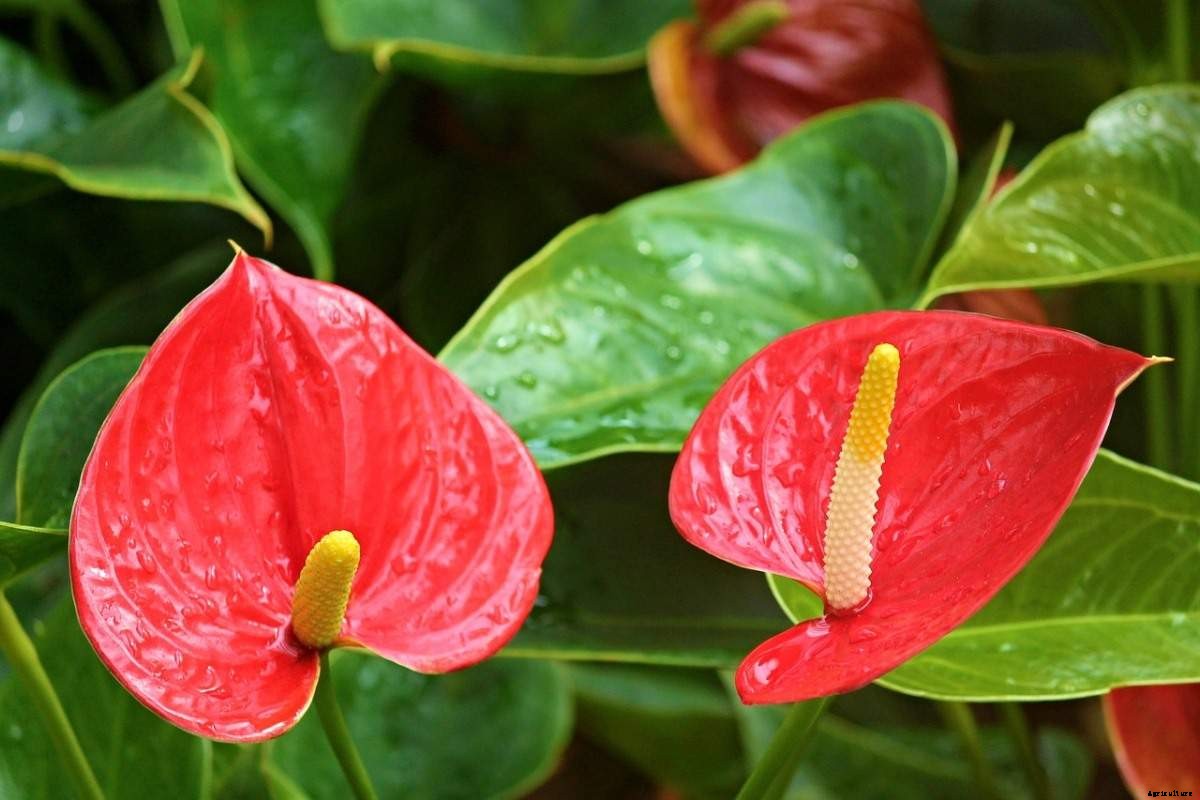
You need to place the anthurium plant 5–8 feet or 1.5–2.4 m from a window for some gentle sunlight.
If night temperatures dip below 4.4ºC, the leaves may turn yellow and even growth will likely very slow. The plant will very rarely survive long if temperatures fall below freezing 0ºC.
You should not keep plants directly in front of heaters and heating vents, which will burn them.
You need to keep the air humid. Mimic the humid and tropical environment of anthurium plants by keeping the room at 80% humidity or even higher. Placing the pot in an aquarium or a shallow tray of pebbles in water will help achieve a very high level of humidity. Better mist the plant weekly, or daily if you live in a very dry climate, by making sure to spray portions of the stem that have grown over the lip of the container.
Start with seeds for another challenge. Commercially grown anthurium plants are very typically propagated using cuttings and even grafts of the plant. It’s possible to grow anthurium from seeds, but the resulting plant may have unpredictable characteristics if it had been produced by a hybrid mother plant, and perhaps harder to grow. Outside of tropical areas, it’s going to be difficult to even locate fresh anthurium seeds.
If you’re growing an anthurium cutting or an adult plant, skip to the beginning of another section.
Harvest ripe anthurium fruit. Anthurium seeds must be very fresh and even moist when planted. If you are doing not have an anthurium plant yourself, ask another gardener or garden store whether you’ll collect a number of their plants’ fruits, which are rarely used. If you reside in a tropical New World region, you’ll be ready to harvest wild anthurium plants. There are hundreds if not thousands of anthurium species, so you’ll wish to ask for an area plant identification booklet.
Remove the pulp. The pulp of the fruit, surrounding the seed, may even prevent the seed from growing or even cause mold. Abrade the maximum amount of pulp as you’ll together with your fingers, then drop the seed into a cup of water. Leave it in there for each day or two while the pulp material detaches and floats to the highest.
Note: Some species of anthurium may irritate the skin. Using gloves is suggested.
Prepare a potting mix for the seeds. Prepare a potting mix with equal parts of sphagnum, pearlite, and pine bark. The soil needs of anthurium seeds are almost like the requirements of adult plants.
You need to plant the anthurium seeds and even potting mix in a flowerpot or any tray, with a clear covering. Anthurium plants are native to the tropics and require warm and even humid environments. There are many different ways you can recreate this environment:
Place the potting mix in 4 inches or even 10 centimeters flowerpots. Place a seed on the surface of the soil, one per flowerpot, and then place a glass canning jar upside down over each pot.
Or layer rock bottom of a shallow, earthenware tray together with your prepared potting mix. Scatter the seeds evenly over this, and canopy with a flat sheet of glass or plastic over the tray, leaving a niche of air between the sheet and therefore the soil.
Lightly moisten the potting mix. Wet the potting mix slightly, and then cover with the clear barrier as described above to stay the environment moist. Wetting the mossy mixture can also help prevent the seed from sinking beneath the surface, which reduces the likelihood of germination.
If the faucet water in your area is tough, use drinking water instead.
Keep in a warm environment, faraway from direct sunlight. Keep the potting mix at a temperature of about 27ºC, in a neighborhood of the indirect sun or partial shade. Keep the soil moist while you await the seeds to germinate, as they’re very susceptible to drying out at this stage. Move the young plant carefully, because the roots could also be fragile.
A very easy way to create new anthurium plants is by cutting off the “air roots” then that will grow up above the soil level in the pot, by dipping these root pieces in rooting hormone, and by burying them in other new pot with a fresh potting mix. Then roots will start to send up stems and the leaves within four to six weeks.
Anthuriums can also be propagated even from cuttings. You need to select a stem at least 6 inches long and with two or three sets of leaves. After that dip the cut end of the stem in rooting hormone, and then bury it in a potting mix up to the first set of leaves. You need to water the cutting thoroughly when you just plant it, then whenever the soil becomes very dry. Better to mist the cutting each week to provide the required humidity. The cuttings will develop roots within four to six weeks, and then new growth shoots will soon follow.
Keep the soil very moist, but not soaked. Water in small amounts as required preventing the soil from drying out. Even in very hot weather, the soil of this plant does not need watering more than once every two or three days, as the plant does not soak up very large amounts of water from its roots.
If the leaves turn yellow that means not brown and withered, this may be a sign of overwatering. Then let the soil dry out before watering again if this occurs.
Better provide a stake if the anthurium is dropping off. Most of the anthurium plants in nature, but probably the minority sold as houseplants, are “epiphytic,” which means they grow on other plants instead of in soil. If your plant is vine-like and even failing to support itself, you need to use a stake or even another wooden object for the plant to climb up. You do not need to move epiphytic anthurium out of the soil and it will not cause them harm.
You need to fertilize your anthurium plant cautiously. Newly planted anthurium should not be fertilized for at least a few months. If you decide to apply fertilizer to encourage vivid colors and even growth, then use a very slow-release 3:1:2 fertilizer and even dilute it to 1/4 the recommended strength before applying according to the instructions.
You can even fertilize your anthurium every other time you water it, or as needed.
Transfer to a very large pot whenever necessary. Anthurium plants will often build up a mound of roots above the surface of the soil. About once a year, or if the soil begins to dry out rapidly between watering, pack a layer of peat or sphagnum over the lower 1/2 or 2/3 of the exposed stem. Keep this layer moist and await roots to grow out of the buried portion of the stem. Once they need to be extended throughout this layer, cut the stem with a clean, sharp knife at the bottom of the soil mixture, and transfer the buried stem into a replacement pot, with the buried stem below the extent of the soil.
Remember, pot anthurium during a container only 1/3 filled with soil, therefore the stem is below the rim of the pot.
These plants are suspended to some of the same pests that commonly affect most of the houseplants that include mealybugs, spider mites, whitefly, and even scale. Horticultural oils and even soaps can be used to treat these.
If in very dry or drafty locations, the foliage on anthuriums plants may scorch. In very rare cases, fungal rots, blights, or even leaf spots may occur.
In case if you miss this: Growing Organic Leafy Vegetables.
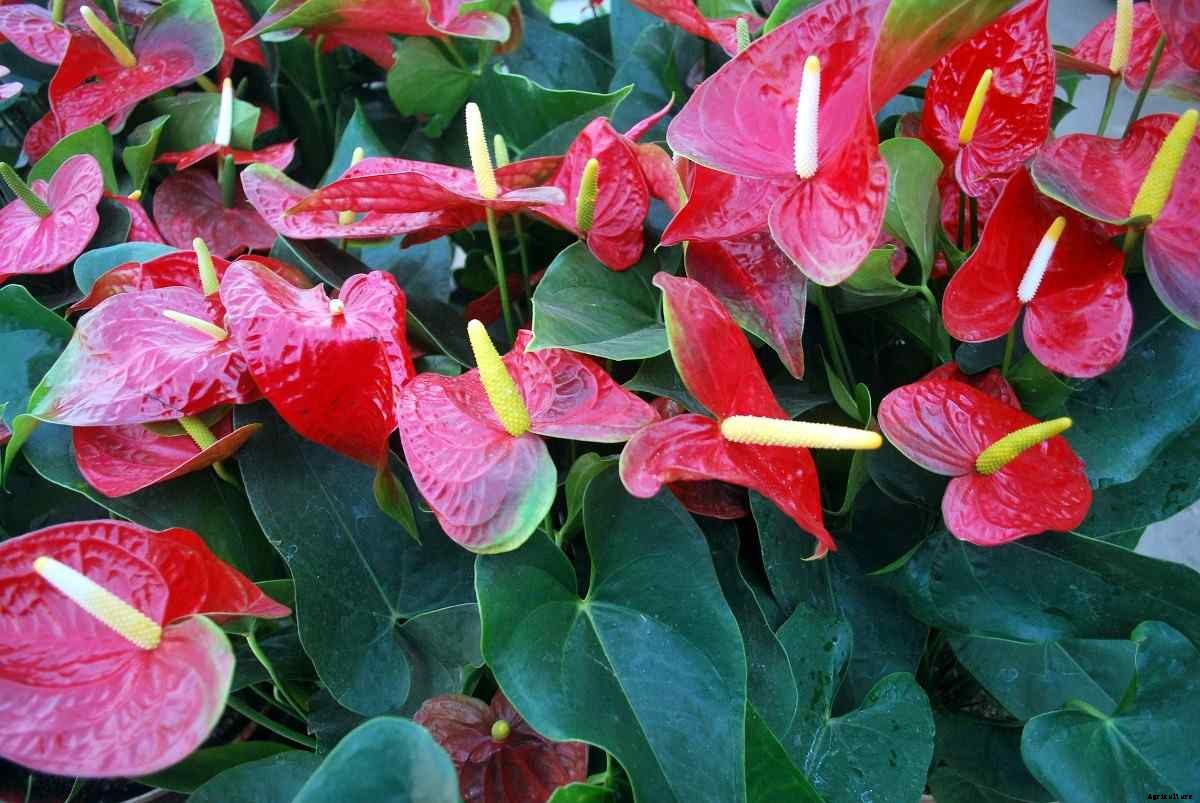
How do I care for a potted anthurium?
Place your Anthurium Ruffles in a warm and well-lit spot. The lighter the plant receives, the more it will grow, but never expose it to direct sunlight. Keep the soil consistently very moist during the growing and starting season from spring through the end of summer. Water when the top 1-2 inches of soil are very dry before watering again.
How long do anthurium plants will live?
If you are growing your anthurium plant for a temporary purpose that means the flowers last nearly about 6 weeks, like some people do orchids and even bromeliads, then you can skip this. They won’t be very tricky to keep alive for a couple of months.
How do I get my anthurium plant to bloom?
Anthurium plants are very picky about their environment, and they have major issues like soggy soil or even insufficient lighting that can prevent them from blooming. You need to encourage your anthurium to bloom by providing lots of indirect sunlight, proper watering, high humidity, and even weekly feeding with diluted phosphorus-rich fertilizer.
Do anthuriums plants need sunlight?
Anthurium plants need a medium to bright light to bloom, but they will survive and even grow (but not flower) in very low light conditions. You need to choose a spot near a sunny window, but not in harsh direct sunlight that means early morning or late afternoon sun is generally ok. Water: Keep the soil just barely moist but not very soggy.
Why is my anthurium plant dying?
Water your anthurium plant properly.
One of the main biggest risks to your anthurium plant’s health is root rot from improper watering. When you are oversaturating an anthurium plant, or not even giving them enough water, can both cause health problems that can lead to the death of the plants if you do not take very quick action.
Can I grow anthurium from a cutting?
To share your plant, you can easily propagate anthurium by division, by cuttings, or, less often, even by sprouting its seeds.
How often does the anthurium plant need to be watered?
For every 2 to 3 days
Water and humidity – This houseplant requires very low to medium amounts of water. You need to let the soil dry out in between other watering. If you live in a very hot area, water about once every 2 to 3 days; if you live in a rainy area, then water as necessary is. Most and very important, the anthurium plant requires proper drainage.
When should I re pot my anthurium plant?
Anthurium plants should be repotted every two to three years, or once they have outgrown their current pot. When your anthurium has grown to 20 inches tall in a pot with a five-inch diameter, then it is time to graduate it to a new pot.


