
Welcome to Modern Agriculture!

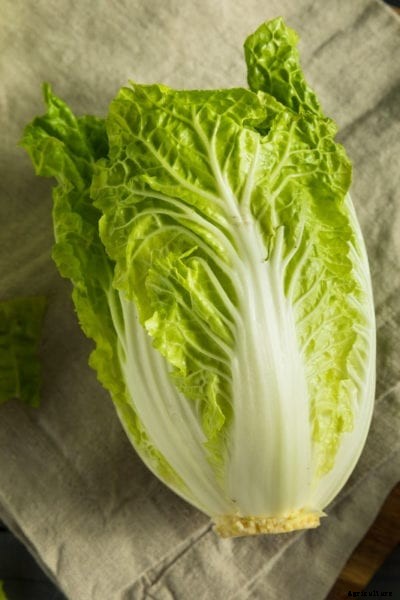
Orient Express Chinese cabbage is a type of Napa cabbage, which has been grown in China for centuries. Orient Express Napa consists of small, oblong heads with a sweet, slightly peppery flavor.
Growing Orient Express cabbages is almost the same as growing regular cabbage, except the tender, crunchy cabbage ripens much faster and is ready to use in only three to four weeks. Plant this cabbage in early spring, then plant a second crop in late summer for harvest in fall.
Loosen the soil in a spot where Orient Express Chinese cabbages are exposed to several hours of sunlight per day. To minimize the risk of pests and disease, don’t plant where brussels sprouts, kale, collards, kohlrabi, or any other members of the cabbage family have grown before.
Orient Express cabbage prefers rich, well-drained soil. Before planting this variety of cabbage, dig a generous amount of compost or other organic matter, along with an all-purpose fertilizer.
Plant cabbage seeds directly in the garden, then thin the seedlings to a distance of 15 to 18 inches (38-46 cm.) when they have three or four leaves. Alternatively, start seeds indoors and transplant them outdoors after any danger of a hard freeze has passed. Orient Express cabbage can tolerate frost but not extreme cold.
Water deeply and allow the soil to dry slightly between waterings. The goal is to keep the soil consistently moist, but never soggy. Moisture fluctuations, either too wet or too dry, can cause the cabbage to split.
Fertilize Orient Express Napa cabbage about a month after transplanting using a high nitrogen fertilizer with an N-P-K ratio such as 21-0-0. Sprinkle the fertilizer about 6 inches (15 cm.) from the plant, then water deeply.
Harvest your Orient Express cabbage when it’s firm and compact. You can also harvest your cabbage for greens before the plants form heads.


