
Welcome to Modern Agriculture!

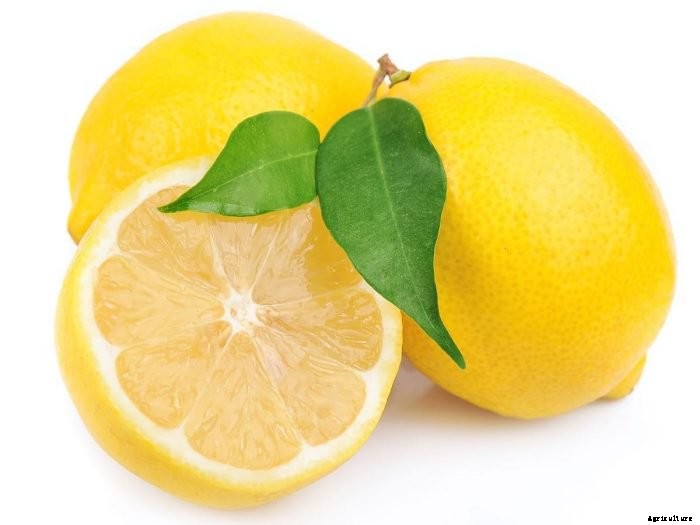
A LEMON tree is a sub-tropical plant, and in its natural habitat, its fruit is green and only slightly acidic for the fruit to develop its flavor and yellow color. The fruit is picked before maturity to preserve its acidity. Most of the species under the genus lemon are native to tropical and sub–tropical regions of Southeast Asia, particularly, India, China. Lemon juice is valued in the home as a stain remover, and a slice of lemon dipped in salt can be used to clean copper-bottomed cooking pots. Lemon juice has been used for bleaching freckles and facial cleansing creams. Lemon peel oil is much used in furniture polishes, detergents, soaps, and shampoos.
This citrus fruit ranks very high in its medicinal value, having many therapeutically uses. Lemon juice is a natural antiseptic which may be safely applied directly to cuts, bruises and infections. Lemon juice is good for asthma, headaches, pneumonia, and arthritis. It is a good general blood and body purifier and a mild diuretic. It is important in perfume blending and especially in colognes.
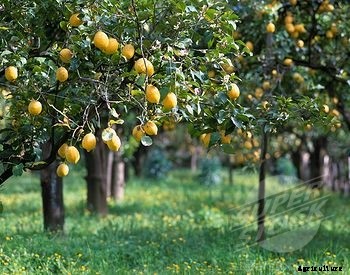
Lemon is grown in both dry and humid atmospheres, the latter being a disadvantage mainly in the processes of curing and storing. The lemon tree has the reputation of tolerating very infertile, very poor soil. Recommended soils are sand, clay and sandy–clay–deep, with high permeability and good drainage. Black soils are also suitable if not lying over calcareous sub-soil. Ph should be between 5.5 and 6.5. If acidity is high, it is necessary to apply lime to achieve the optimum level.Usually, lemon is planted in pits of 50 x 50 x 50cm or of 75 x 75 x 75cm sizes in square system with spacing of 5 to 8 m depending upon the species and rootstocks. For rough lemons or karana khatta wider spacing of 5 x 5 m is adequate. Though the planting is usually done during the monsoon season, it is better not to plant at the time of heavy rains to avoid any water logging near the planting pits. Weather should not be too wet or too dry at the time of planting.
China , Desi, Eureka , Kaghazi are the best varieties grown in Pakistan.
The rough lemon is widely grown from seed. The ‘Meyer’ lemon is easily reproduced by rooting large cuttings in the nursery and planting them directly in the grove. They fruit two to three years sooner than budded trees and have a long life, remaining in full production for over 30 years, perhaps much longer. In case of lemons, cutting and layering (air layering) are commonly employed and plants thus raised develop shallow but good root system.
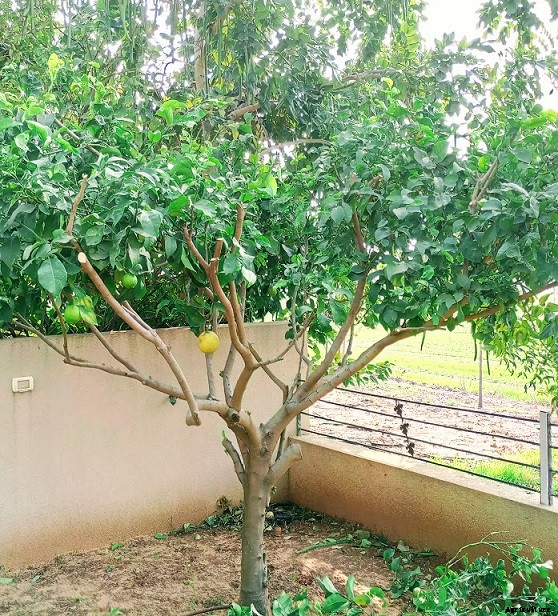
Remove congested growth in early spring, and pinch out shoot growing tips in summer. If renovation is required prune back by two-thirds in early spring. Pruning lemon trees should be confined to trimming extremely long branches that become untidy or new branches that cross over others, they do not require any special pruning to encourage flowers as these will be produced naturally shoot tips and wood old enough to bear them.
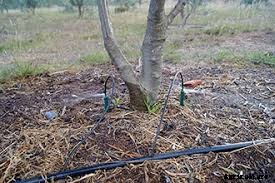
Irrigation is of vital importance to lemon orchard and it is considered as one of the most critical culture operations. About the method of irrigation, suggested that young trees up to eight years may be profitably irrigated by basin system. Other irrigation methods applied are flood, furrow, sprinkler methods. The application of irrigation in right time and in right quantity is more important than the method of irrigation. Usually, under local condition weekly irrigation during March to June and fortnightly irrigation during November to February are practiced.
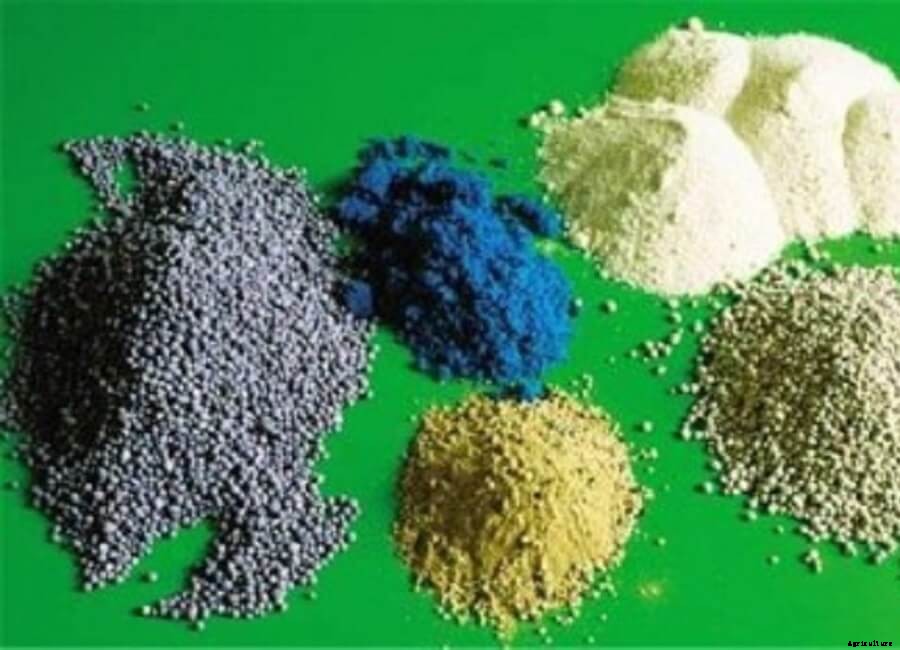
For sustained production and to maintain proper orchard health it is essential to apply manures and fertilizers to lemon orchard regularly. For non–bearing tree, fertilizer application may be done in an area more than drip circle, leaving 15 -30 cm radius around the tree trunk.
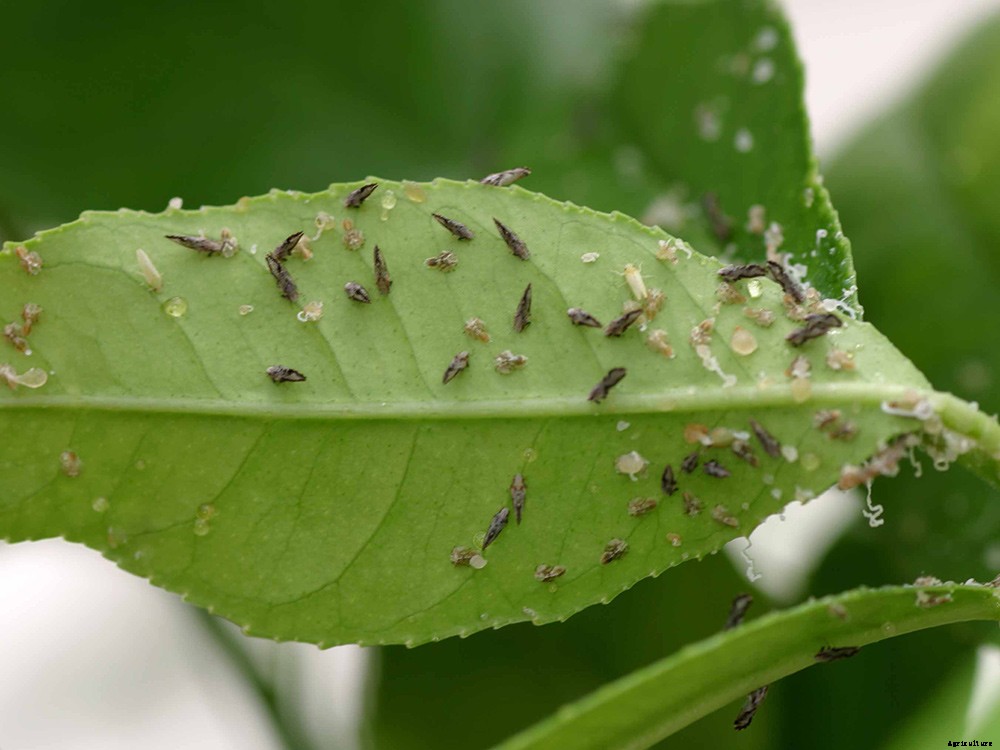
You can sometimes get rid of insects on lemon trees by spraying the trees frequently with oil sprays. This treatment can be very effective for the Asian citrus psyllid. These small lemon tree insect pests cause damage to new growth as they feed, due to their toxic saliva. Oil sprays do not have the downsides of toxic pesticides, yet prove effective against these insects. Horticultural oil sprays are also effective in treating pests of lemon trees known as citrus rust mites. These are insects that affect lemons, for the mites attack immature fruit. They can also attack foliage and leaves in some cultivars. Repeated oil sprays will get rid of insects on lemon trees.
Below are some of the most common diseases of lemon with tips for treating them.
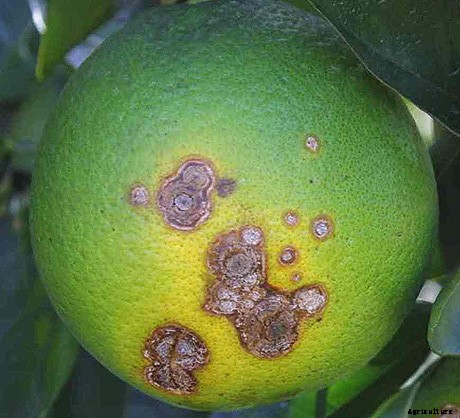
A highly contagious bacterial infection, citrus canker causes yellow halo-like lesions on fruit, leaves and twigs of citrus trees. If allowed to progress unchecked, this lemon tree problem will eventually result in dieback, fruit drop, and leaf loss. This disease is spread through the air with the aid of air currents, birds, insects and even humans. Spray with liquid copper fungicide as a preventative for treating citrus canker lemon disease. If the tree is already infected, there is no treatment and the tree will have to be destroyed.
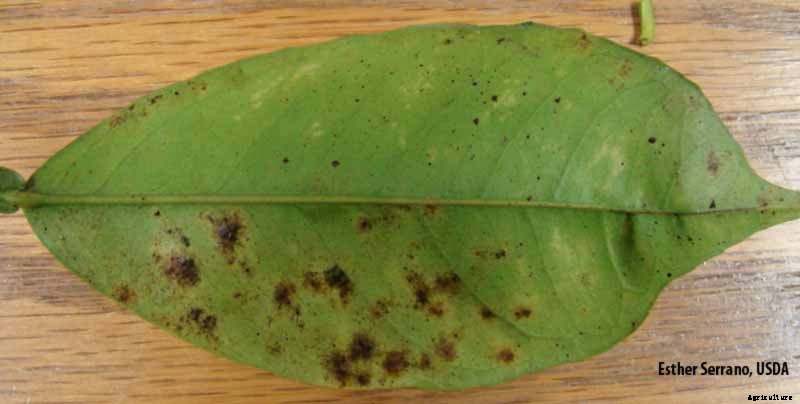
Greasy spot is a fungal disease of lemons whose symptoms include telltale yellow-brown blister on the underside of the leaves. As the disease progresses, the blisters begin to look oily. Treating this lemon disease also requires an application of liquid copper fungicide. Spray first in June or July and follow up with another application in August or September.
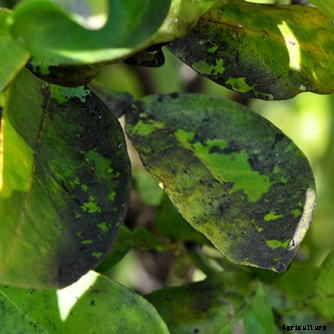
Sooty mold is a fungal infection resulting in black leaves. This mold is the result of honeydew excreted from aphids, whiteflies and mealybugs. To eradicate sooty mold, you must first control the insect infestation. Spray the lemon tree with Neem oil insecticide, both the top and undersides of the foliage. You may need to repeat in 10-14 days, depending upon the extent of the infestation. Follow up by treating the mold growth with liquid copper fungicide.
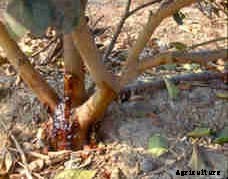
Phytophthora root rot or brown rot or collar rot is caused by the phytophthora fungus resulting in hard dark brown patches on the trunk of the tree often accompanied by oozing from the affected area. As the disease progresses, the patches dry, crack and die leaving a dark, sunken area. Fruit may also be affected with brown and decayed spots. This fungus lives in the soil, especially wet soil, where it is splashed up onto the tree during heavy rain or irrigation. To treat, remove all infected leaves and dropped fruit from the ground. Prune the lower branches from the tree, those that are more than 2 feet from the ground. Then spray with a fungicide such as Agri-Fos or Captan.
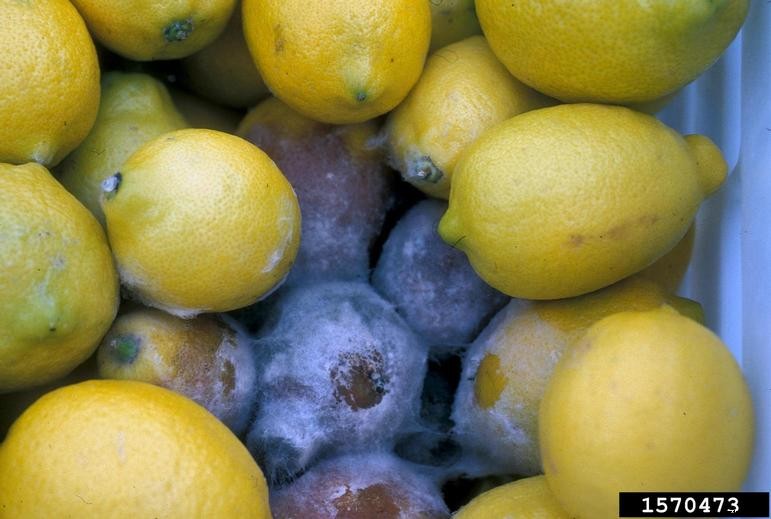
Botrytis rot is yet another fungal infection which may afflict lemon trees. It tends to develop after prolonged rainy periods, usually along the coastline, and moves from old blooms to newly developing blossoms in the spring. For this fungal infection, spray the lemon tree with a fungicide according to the manufacturer’s instructions.
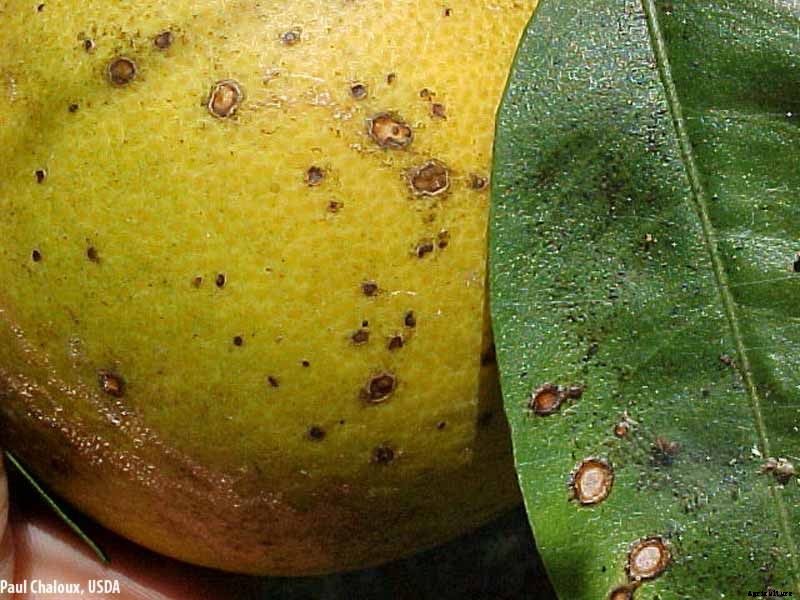
Anthracnose is also a fungal infection that causes twig dieback, leaf drop and stained fruit. It is caused by Colletotrichum and is also more common after prolonged periods of rain. As with Botrytis, spray the lemon tree with a fungicide.
The marketability of lemons depends on the stage at which they are picked. Lemons were allowed to remain on the trees until they became too large. It was realized that early picking is necessary. Some growers adopted the practices of picking at any time after the fruits reach 25 per cent juice content, and using rings to gauge the commercially acceptable size, and repeated spot-picking with clippers. Mechanical picking is impossible with lemons. The fruits are highly prone to oil spotting (oleocellosis) and cannot handle roughly nor picked wet.


