
Welcome to Modern Agriculture!

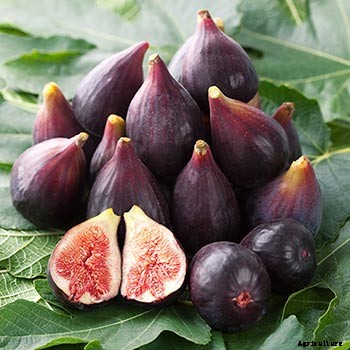
Fig is among oldest fruits to be cultivated on earth. Fig has different name in different languages. In Urdu it is called “Anjeer”.Fig is a very important fruit of the world. It is said to be fruit of heaven. This is a very old plant on earth.The scientific name of fig is Ficus carica. Ficus is a genus and carica is a specie. Fig belong to moraceae family. The origin of fig is Mediterranean region and western Asia. It is an umbrella type tree with spreading branches and 7-10 m in height. Leaf of fig are broad with grey color branches. Fig bear twice in a year. Flowers are unisexual. 1st bearing on previous year growth and 2nd is on new emerging shoot. Fig is botanically multiple fruit. The hollow fleshy fruit of fig is known as syconium. Fruit contains numerous seeds. The color of fruit is green when ripe changing into blue or brown and fruit become soften.
Fig can be grown on wide range of soil. But fig give better production on deep soils, light sand, rich loam, heavy clay and limestone soils with sufficient drainage. The pH of soil should be in between 6-6.5. Fig can tolerate heavy drought and adequate salt. Therefore semiarid, tropical and subtropical climate is best for fig growing. It should have a dry climate with light early spring rains. Too much dry and hot condition because fruit drop in fig. Plant require 8 hours of sunlight for better growth.
Figs can be eaten in both form fresh and dried. It can also be used in making jams and pickles. Fig is transport in dry or processed form. Once the fig is pick and do not transport in fresh form for distant market because fresh fig has very short shelf life. Different type of food products of fig is being use like fig paste, fig concentrate, fig powder, fig nuggets and sliced figs. Fig is being used in making fig jam. Flavor of fig is extracted and use in other product. 30 percent oil is contained by the fatty acids. Fig oil is edible and use as grease and lubricant. Humectants of figs make them a beneficial constituent in such wellbeing and loveliness goods as soap, conditioners and scent.
After the fruit harvesting, leaves of fig are being used for animal fodder. Calcium and fiber also found high quantity in fig. Experiments prove that dry figs are high in fiber, copper, manganese, magnesium, potassium, calcium and vitamin K according to human needs. Fig comprises small quantities of additional minerals. It is also use as antioxidants. Fig is a good source of flavonoids and polyphenols. Two figs produced a significant increase in plasma antioxidant capacity. Eight ounces of figs provide 30 percent of the recommended daily fiber. Figs have a reservoir of potassium and manganese. Fig fulfil 6% daily need of vitamin A, 9% of B1, 13% of B6, 10% of vitamin E and 13% of vitamin K. Kidney or gallbladder patients cannot use fig in high amount because it contains oxalates. The leaves of fig have less amount of insulin and triglycerides.
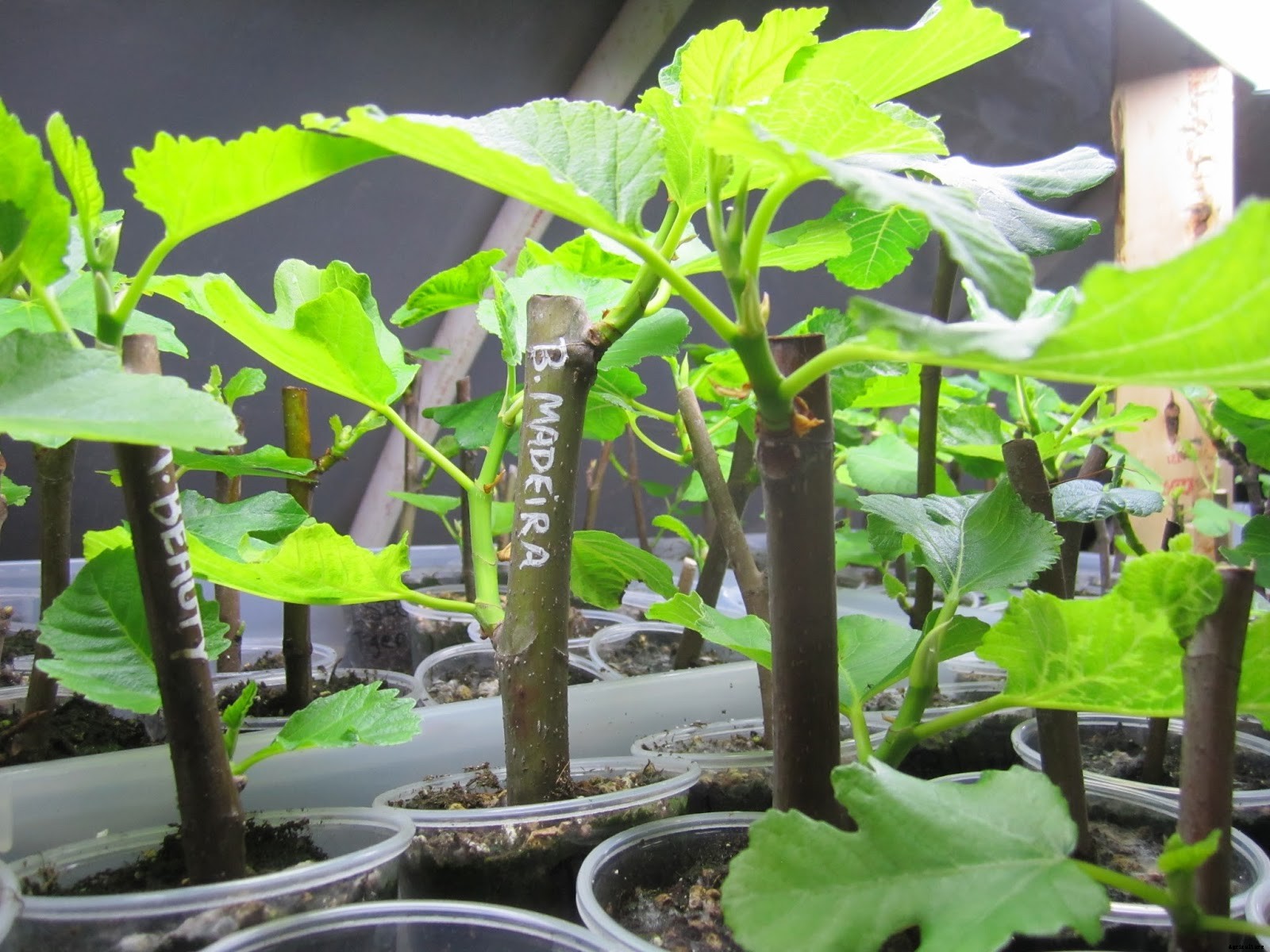
Fig can be produce by both methods sexually and asexually. For seedling seed are sown in the seedbed. Seeds are extracted from well develop dried and disease-free fruits. For asexual methods, ground- or air-layering are used for the raising of plant. For rapid multiplication of plant tissue culture technique is use in Greece. Cutting method also be done in propagation of plant. Fungicide applies after slanting cut. Cleft- or bark-grafting also use in propagation of fig. Top working also use in fig to replace the old one nonproductive by new ones.
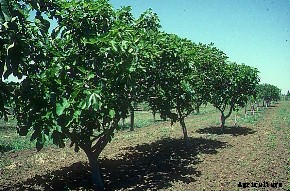
The planting distance of row to row and plant to plant should be 5×5 meter. 160 plants should be planted in an acre. The fruit yield also affected by the different planting densities. However low yield also improved by high density method. Plant get earlier cropping and give higher yield with improve fruit quality and profitability. The yield of fig is about 8-16 kg per plant depending upon the cultivars.
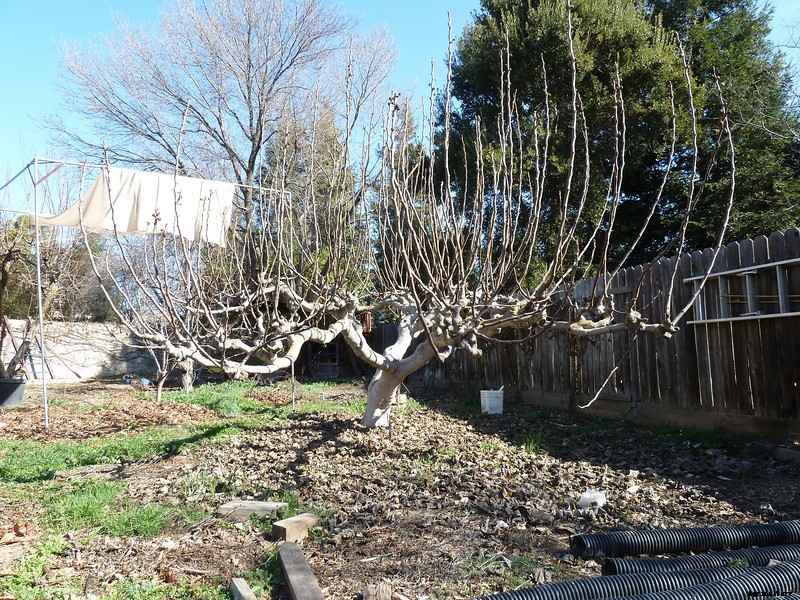
Pruning and training are very important in maintaining the yield and quality of fruit. After planting side branches are removed to increase the apical growth. Heavy pruning is recommended in the fig cultivation. Dead and disease able part remove immediately.
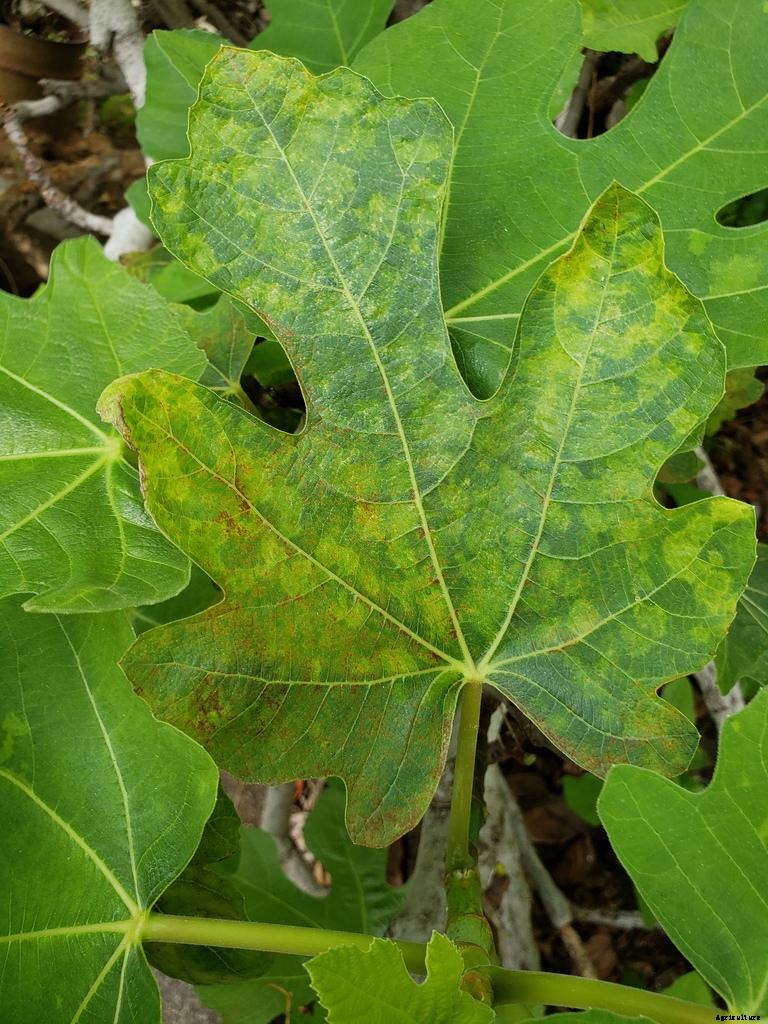
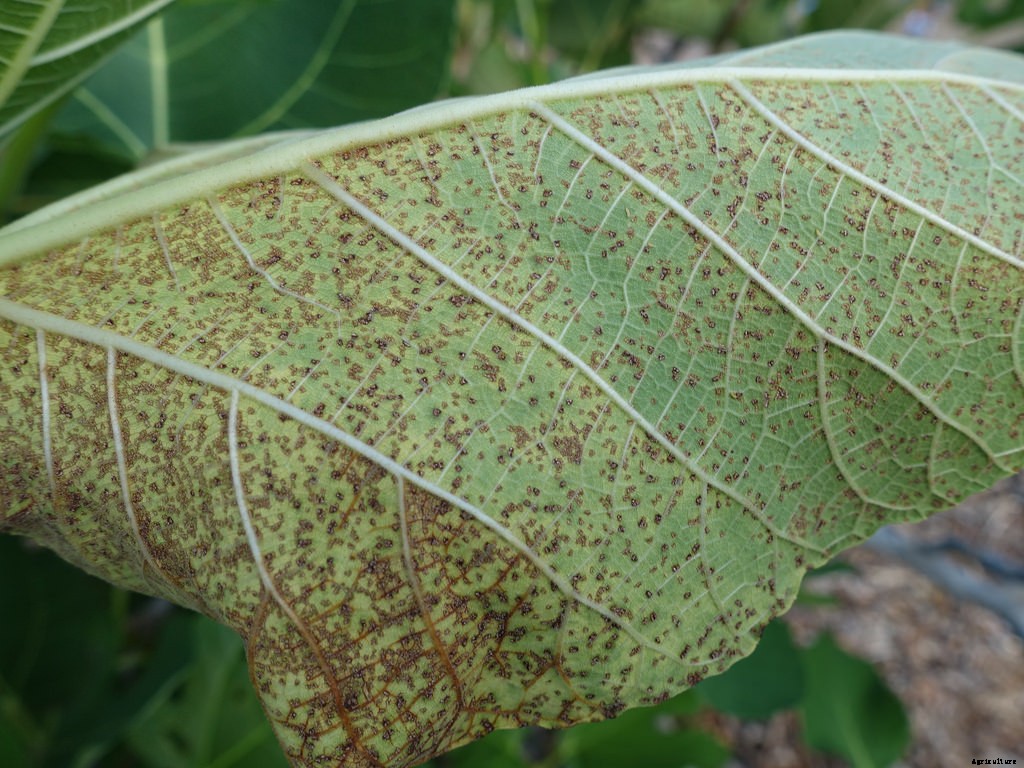
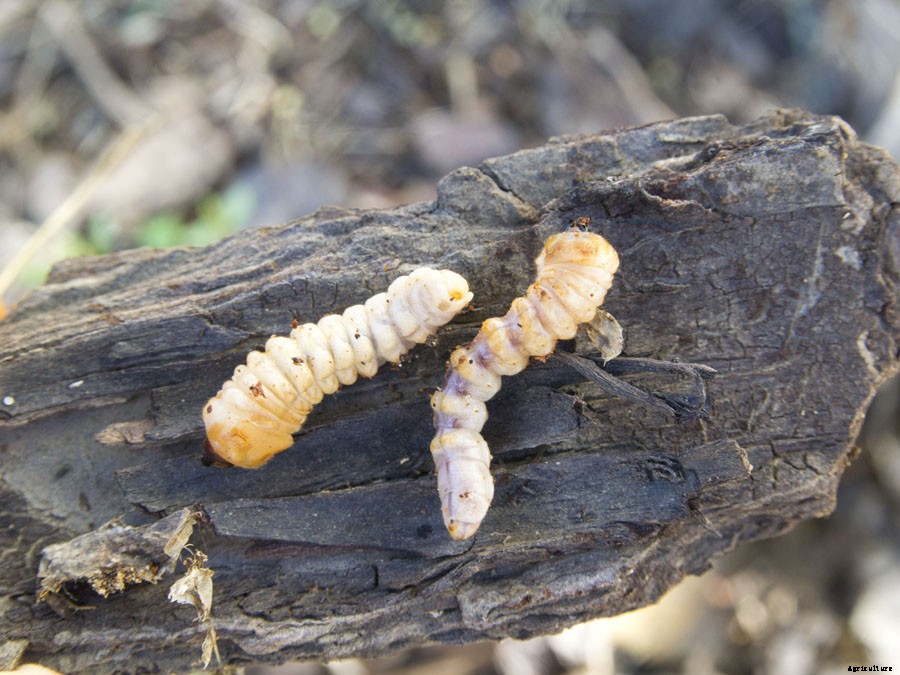
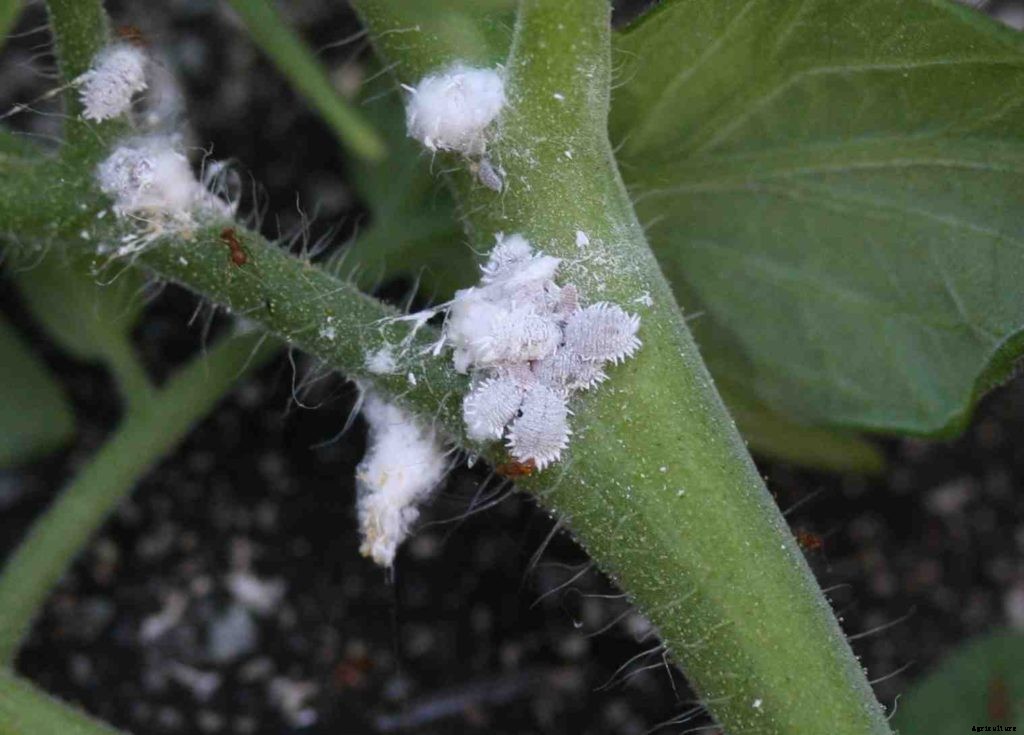
The insect pest and diseases have remarkable effect on yield. Fig mosaic and fig rust are the common diseases of fig. Apply the bordeaux mixture to control the problem. Root-knot nematode is also a big problem in fig cultivation. Different nematicides are being used to lesson this problem. Fig stem borer can be control by applying of phorate granules and fig fly can be control by spraying Demecron (0.05% spray). Mealy bugs and scale insects also control by using of different insecticide.
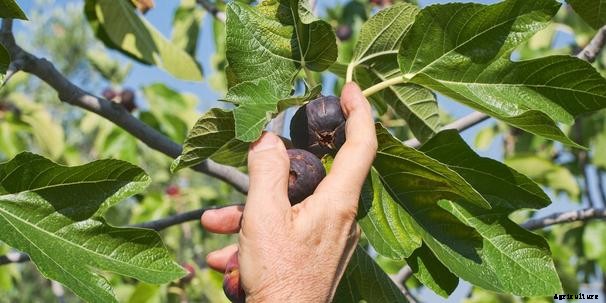
Harvest the fig when fully ripe keeps fresh figs cold to slow deterioration. Use them immediately or store in a plastic bag in the coldest part. Figs can be frozen whole, sliced or peeled in a sealed container for ten to twelve months. Canned figs will be good for a year in your pantry. Dried figs can be stored in the original sealed package at room temperature for a month. For long storage, store them in to refrigerator, from six months to a year. Opened dry figs should be shifted to a sealable plastic bag and kept in the refrigerator.
There are about more than 470 varieties of edible fig. But commercially grown verities are Celeste, Brown Turkey, Brunswick, Marseilles, Adriatic, Genoa, Purple Genca and Black Ischia. These verities are grown in different areas of world. High density verities are Black Mission and Brown Turkey. Fig plant is liked throughout the world due to its health benefits.


