
Welcome to Modern Agriculture!

Ash Gourd derives its name due to the colour of the skin of the fruit which is Ash. In some regions the skin of the Ash Gourd is having a waxy shine and hence it is called, Wax Gourd. The Ash Gourd can be cultivated even during rainy seasons and hence the name, Winter Gourd.
According to various studies made recently, the Ash Gourd is capable of treating many health related issues. It has anti-cancer qualities. It is said to have properties for treating diabetes, kidney dysfunction, inflationary conditions, and nervousness and used in the treatment of digestion related conditions like ulcer, vomiting, burning sensation of chest and acidity. Its extracts are also used in treating conditions like headache and tension; acts as an antidepressant and used for conditions like seizures, cold, fever and asthmatic conditions.
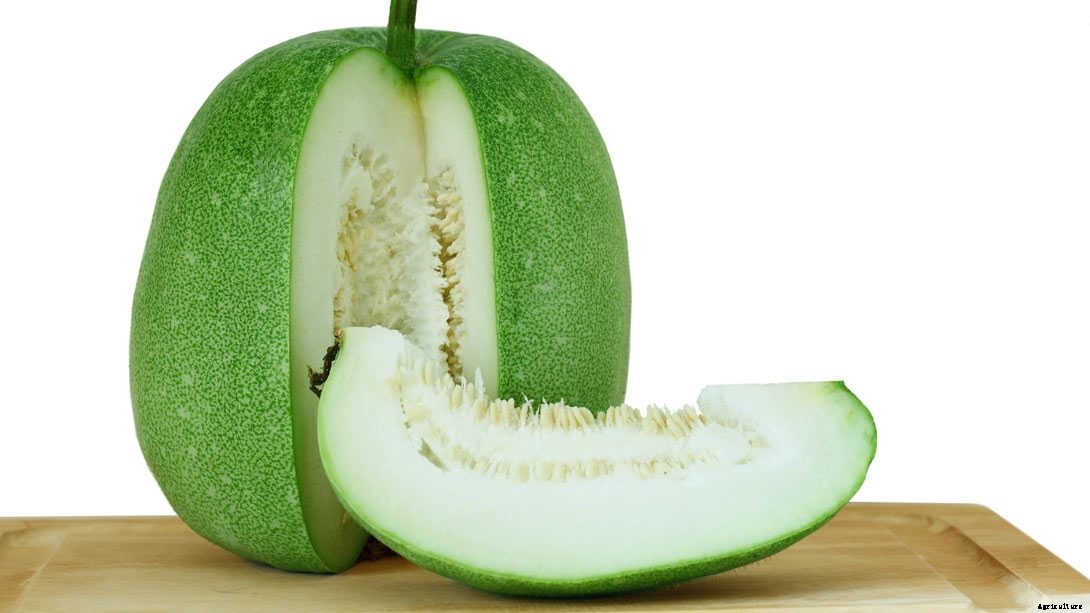
Ash Gourd can be grown throughout the year, where only mild winters are experienced. The ideal time for Sowing is January to March and September to December, it is suggested to sow October to November. Sowing in October can prevent Mosaic Virus to an extent.
Deep loamy soil with pH range of 5 to 7.5 with warm tropical climate is suitable for Ash Gourd cultivation.
Advanta 206 is best variety of Ash Gourd.
Pits of 60 cm diameter and 30-45 cm depth are taken at 4.5 x 2.0 m spacing. Well rotten FYM and fertilizers are mixed with topsoil in the field.
Propagation through seeds, planted in pits or furrows directly. The seedlings after developing veins allowed to train in soil surface.
1.85 Kg per acre in Pits type system and 5 Kg under furrow type system of growing
Seeds have to be soaked in water before sowing. Seeds are to be treated with Trichoderma viride 4g/kg or Pseudomonas fluorescens 10 gm/kg or Carbendazim 2 gm/kg before sowing. At least 4 or 5 seeds are sown in the pit and after the plants are grown after a period of two weeks, 2 plants which are healthy can be retained to grow further.
Generally the seedlings are grown directly to develop. But there is also practice of raising seedlings in portrays. The portray having 98 cells and plant one seed per cell. Decomposed coco peat is used as medium of planting the seeds. Regular watering two times a day to be ensured. For transplanting, it is necessary to grow the seedlings for at least 12 days in shade before it is planted in main field.
Pits of 60 cm diameter and 30-45 cm depth are taken at 4.5 x 2.0 Meters spacing.
Inter cropping method is beneficial.
Ash Gourd initially grows slow and takes time. It is advisable to raise quick growing Cucumber or Oriental pickling Melon as inter crop so as to get additional benefit.
Watering every third day is required in the initial stage and further it is to be increased to every alternate day during flowering and fruit formation.
Initially during ploughing just before last ploughing, apply Farm yard Manure at the rate of 120 Kg and Neem cake 240 Kg along with Azospirillum and Phosphobacteria at the rate of 5 Kg and Pseudomonas at the rate of 6 Kg per acre.
Apply Farm Yard Manure 10 Kg per pit as basal. Basal application of N-P-K as 10-10-10 kg per acre is recommended. N at 10 kg per acre may be repeated one month and two months after sowing.
Weeding and soil loosening to be done at the time of fertilizer application.
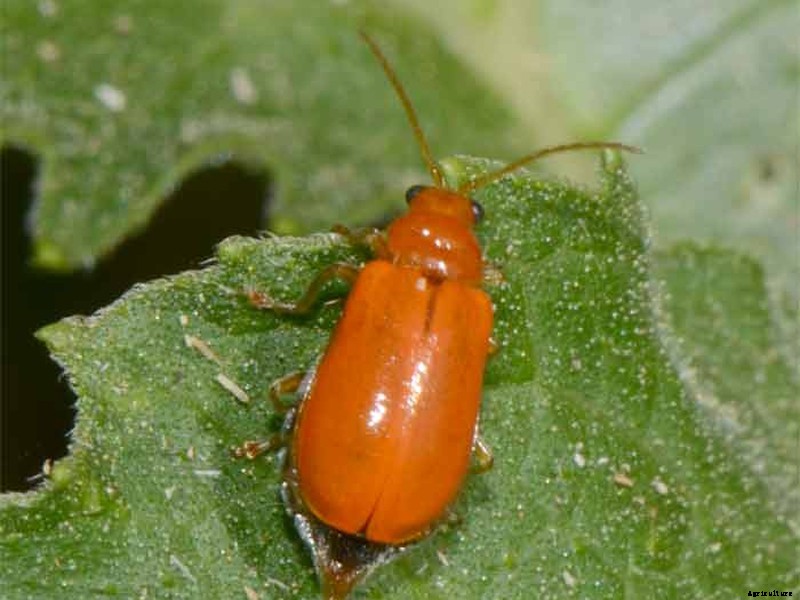
Pests are in Red colour, hatches white coloured Grubs feeds on the roots, stem and fruits touching the soil. When grown eats leaf and flowers. Spray Malathion 50 EC 500 ml or Methyl Demeton 25 EC at the rate of 1.235 Liters per acre. Thoroughly plough the field immediately after harvesting and expose the field to sun to destroy hibernating pests. Collect adult beetles physically and destroy them.
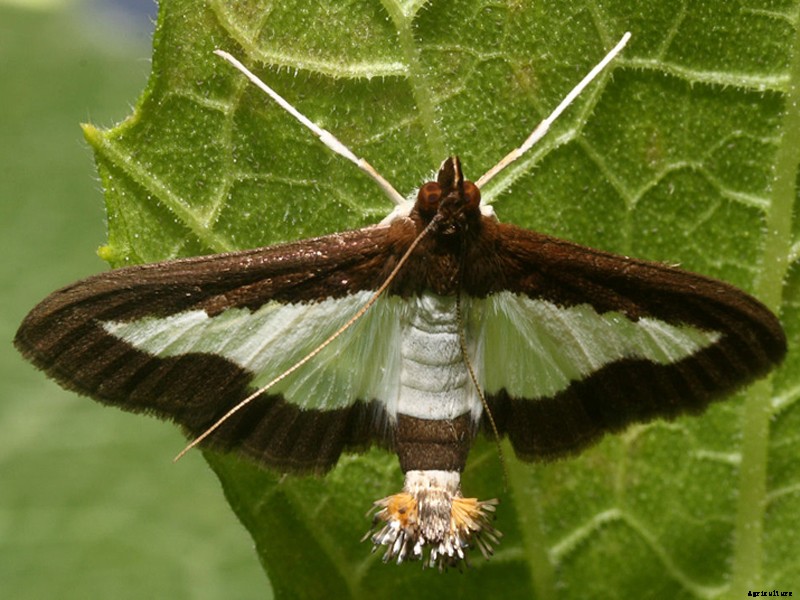
Eggs are laid on lower side of the leaves Larva having Bright Green colour. Creates cocoons inside the leaves and feeds on the leaves. Later it eats into Flowers and bores into fruits and feeds on them. To manage this condition spray Malathion EC or Dimethoate or Methyl Demeton, at the rate of 1.235 Liters per acre. Collect and destroy Caterpillars at the early stage.
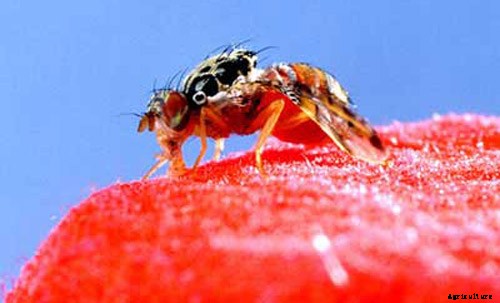
Fruit flies puncture the fruits and insert their eggs inside the fruits. Their Maggots feed on the fruits resulting in the fruits becoming damaged and rotten. To manage this condition it is preferable to use bait traps with Carbofuran granules with Malathion 50 EC at the rate of 2 ml per liter.
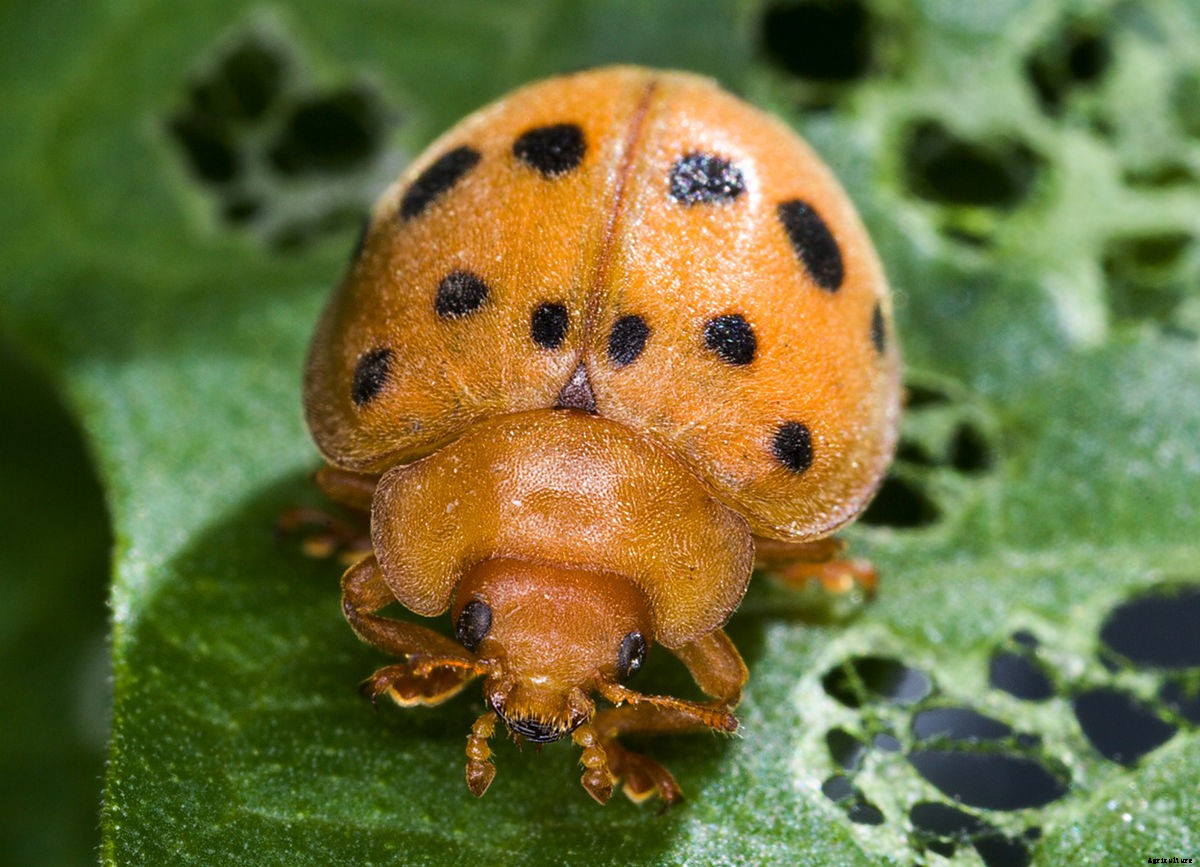
The pests and their grubs scrape the leaf surface and eats resulting in Skeleton formation of leaf and eventually they fall down. To manage this condition sprays Malathion 50 EC at the rate of 2 ml per liter. Collect the beetles and destroy.
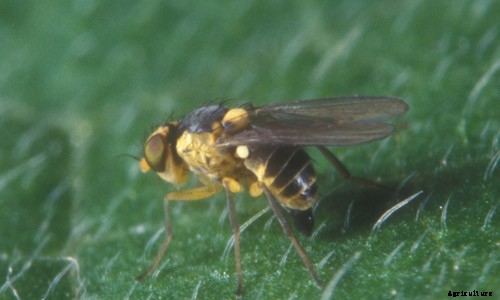
Eats chlorophyll of the leaves leaving a white trail with snake like white lines on the leaves. To control this Neem Oil emulsion application at the rate of 2.5% per liter of water is required.
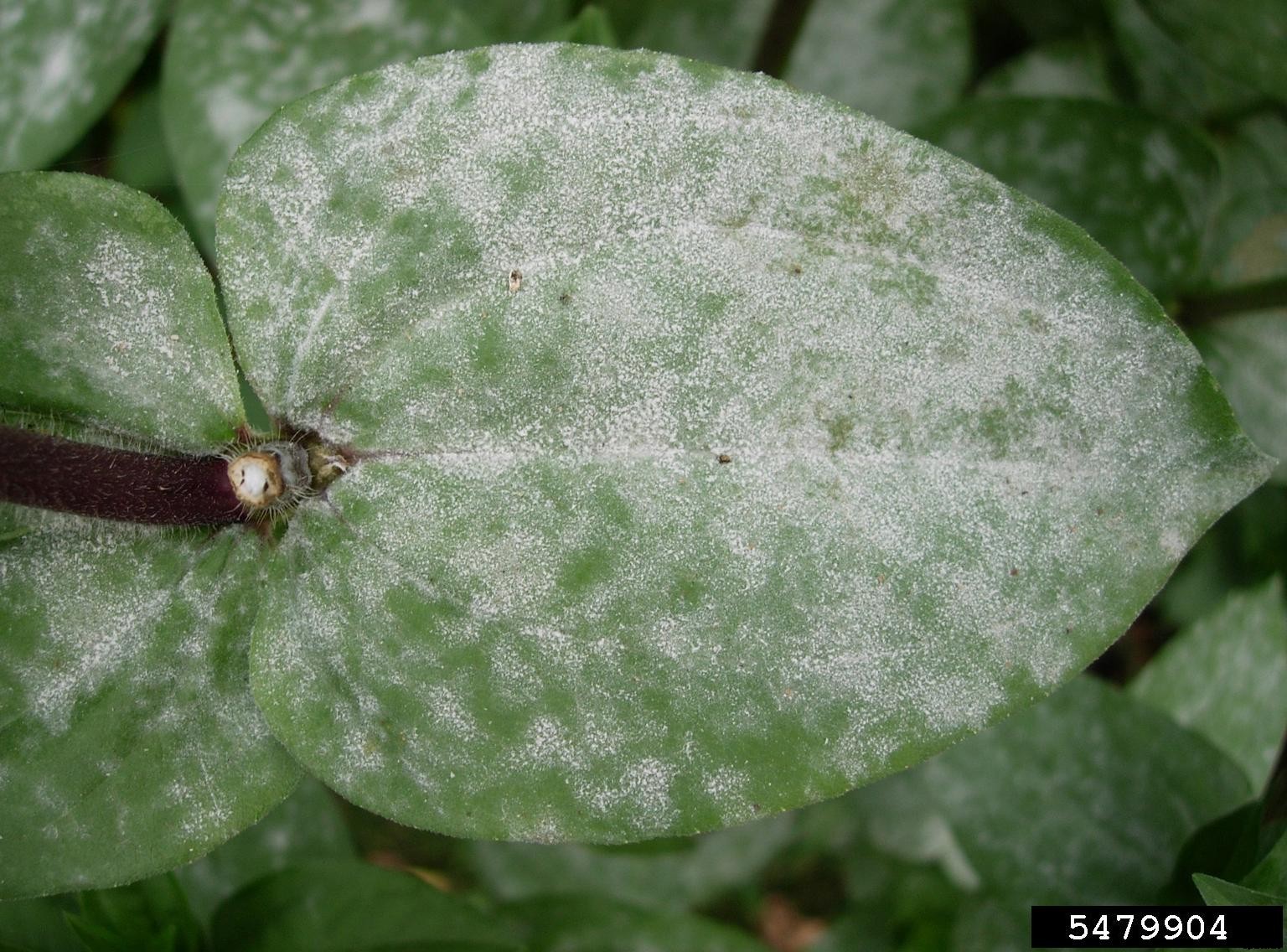
Ash coloured spots appear on the surface of the leaf and stem, damaging both. To control this, apply Bavistin at the rate of 4 gms per liter and sanitize the field.
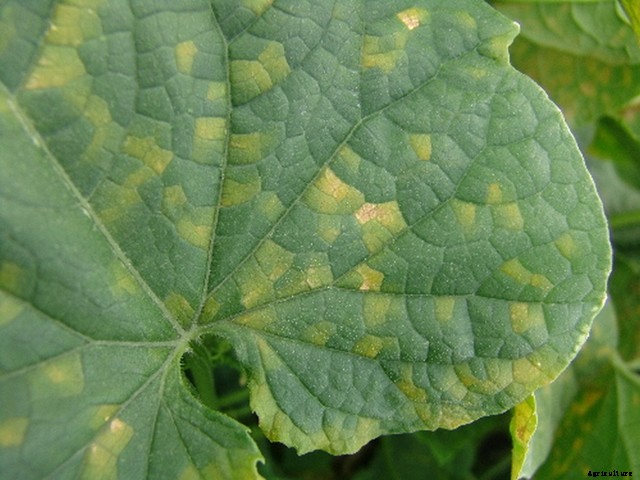
Yellow spots appear on the top side of the leaf. Similarly water soaked like spots of fungus appear on the bottom side of the leaf. To control this spray Dithane M 45 at the rate of 4 gm per liter of water and sanitize the field.
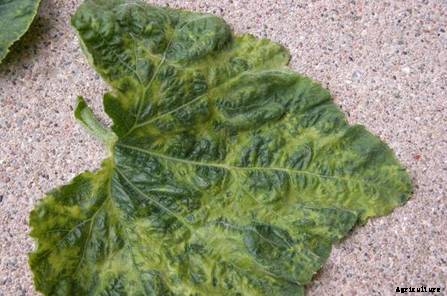
Yellow and Green coloured mottled appearance of the leaf. To control this, it is necessary to control the carrier pests. Use of Mosaic Resistant varieties and Field sanitation has to be done.
Fruits are harvested after three months of sowing. Harvesting can be done at weekly intervals. Harvesting of fruits can be done at immature stage and at mature stage. It is advisable to harvest fruits at immature stage for food consumption. If fruits are harvested at immature stage at frequent intervals application of Fertilizers in splits as top dressing is advised. Mature fruits are harvested for long distance transport requirements which takes time an for seed extraction. The matured fruits will have developed with full waxy coating on the surface. We can get more tonnage if we harvest fruits at immature stage than after maturity, since keeping fruits in the plant for long time will hinder further fruit formation. For seed purpose the fruits are left unharvested till all the veins and stalks are fully dried.
Ash gourd can be marketed through local markets or with an arrangement for marketing by a marketing agency. The fruits have should be kept in good condition avoiding bruises and cuts during handling. It can be stored for long time without any damage to the fruits. This is advantageous to the farmer since he need not have to sell this urgently in distress. For seeds extraction also it has to be stored at least for 3 months and can be marketed.
Ash gourd can be stored for long time even upto 6 months without getting rotten. Provided it is kept in well ventilated and hygienic storage. The fruits since are heavy, have to be kept apart each other without any damage to the external of the fruits, like bruising, cutting marks. The Ash Gourd has many uses and can be processed for use as preparation of Juice which is medicinal for people suffering from Lung ailments like Asthma, Bronchitis etc.


