
Welcome to Modern Agriculture!

Salad gardens are a staple in any gardener’s plot. They’re not only easy to grow, but provide plenty of produce for fresh salads every day.
Whether you want to grow your own lettuce garden or all manner of salad vegetables, a salad garden is an easy undertaking for green thumbs of any level.
A salad garden is exactly what it sounds like: a garden where you grow vegetables you’d use in a salad.
This usually involves growing different kinds of leafy greens. After all, you can’t make a salad without lettuce!
But you don’t have to limit yourself to a lettuce garden. You can also grow all sorts of vegetables that make great additions to salads, such as cucumbers, radishes, tomatoes, and carrots.
Salad gardens can be grown in a variety of ways, such as:
You can even regrow vegetables bought from the supermarket. Don’t throw away the end of that bunch of celery or the roots of that head of lettuce. Keep the growth going at home!
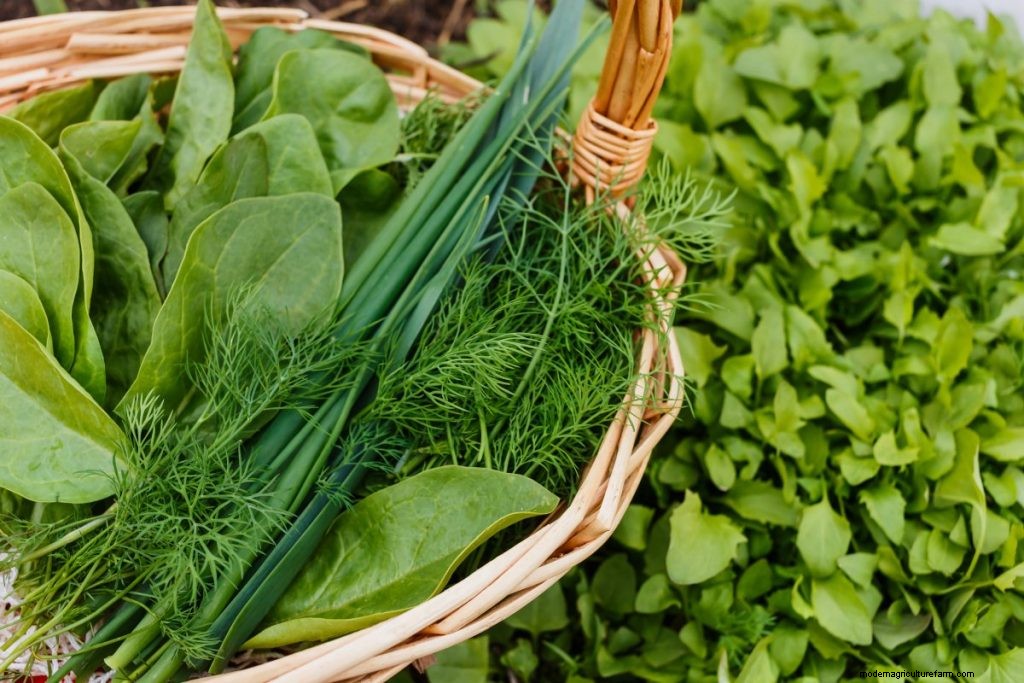
Salad greens thrive in many temperatures, grow fast, and can be sown right into the ground from seed— no need for seed trays or replanting seedlings. This makes lettuce gardens great for beginners.
Many varieties of lettuce continue to grow even after the leaves have been harvested. This allows you to get multiple harvests from the same plant.
There’s no need to wait until spring to get your salad garden started. Many varieties of lettuce and other typical salad vegetables can be grown during the cooler seasons.
These include romaine lettuce, baby spinach, and cruciferous vegetables such as broccoli and cauliflower.
And if you think broccoli and cauliflower don’t belong in a salad, you’ve likely never tried them roasted with some pine nuts!
There are two stages to making a salad garden: designing and planting.
Designing is crucial to creating and maintaining a thriving salad garden. Remember: failing to plan is planning to fail!
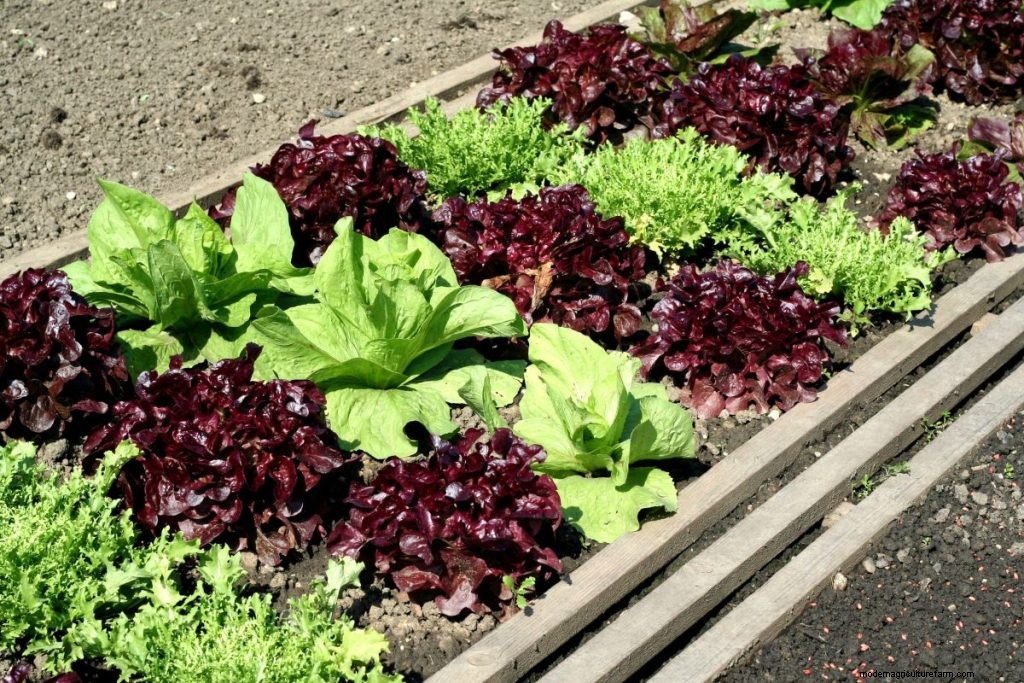
There are a few important elements to include when designing your salad garden. These are the space you’ve set aside, the time of year, and the types of lettuce and other vegetables you’d like to grow.
Here’s what you’ll need to get started:
You want to make sure you’re selecting plants that will thrive in your garden, so make sure to go through the planning detailed below before buying any seeds or seedlings.
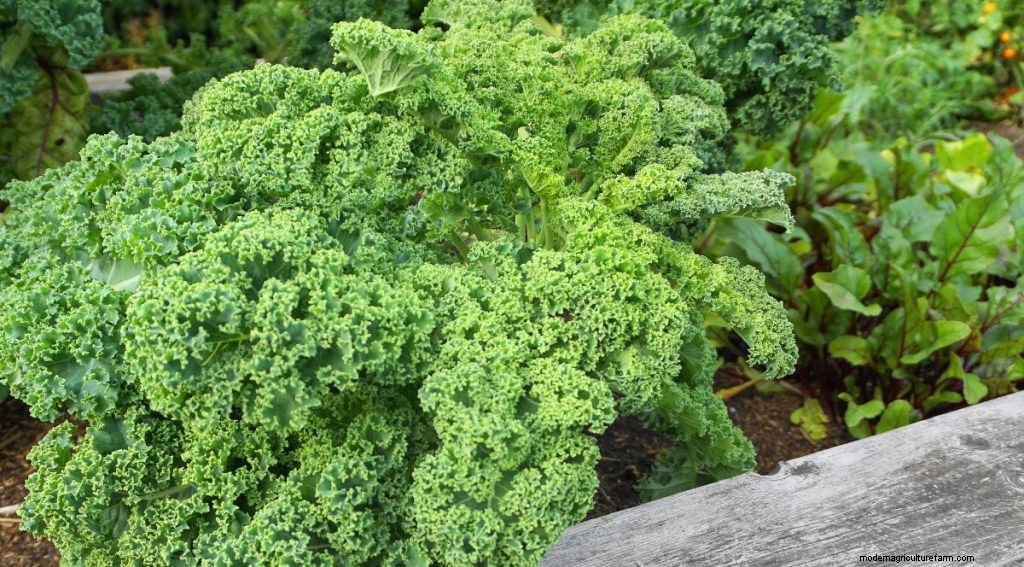
The first step is to assess your options for your salad garden’s location.
For example, you may have a large backyard. You might have an empty corner in a courtyard or a balcony. Or perhaps you have a small space on your windowsill.
That’s right: a windowsill is all the space you need to create a salad garden.
Take note of the sun and shade in these areas, as this will dictate the plants you’ll be able to grow. All plants need sun, but they don’t all need the same amount. For instance, vegetables such as tomatoes require more sun than leafy greens.
Next, consider your options for planters.
If you have use of a backyard with soil, you can plant both in-ground and above ground.
If you don’t have access to a patch of soil, such as a tiled or concrete backyard or balcony, you can use an above-ground garden bed.
If you’re short on space or renting, you might want to create a container garden. You can easily create an impermanent salad garden using garden pots or repurposed containers in a tiny backyard, balcony, or even windowsill.
You should now have an idea of the following details:
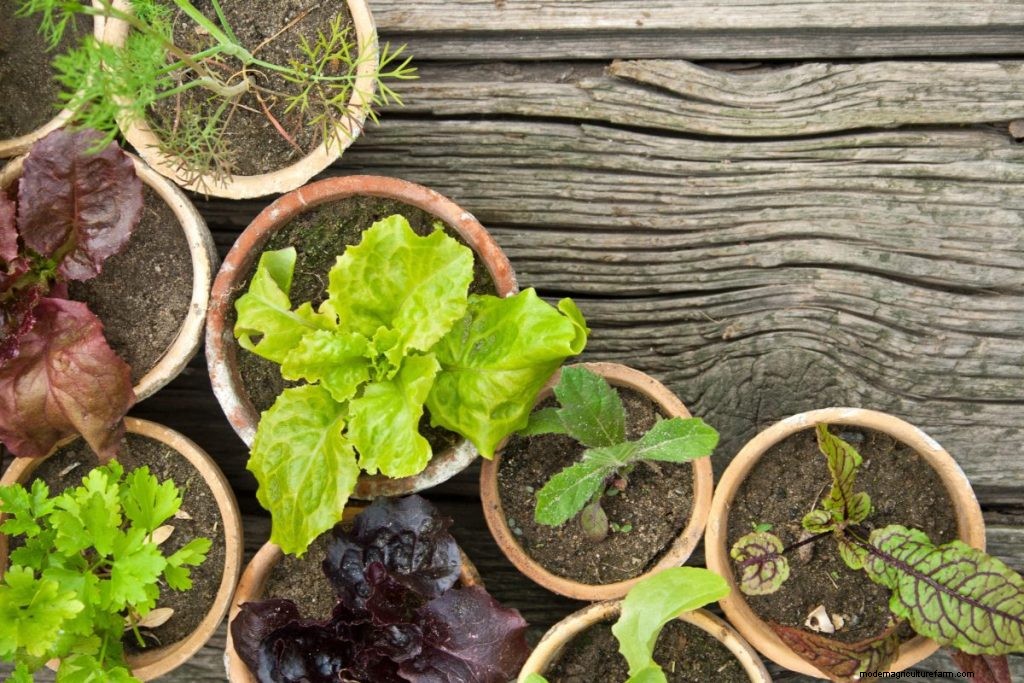
So what can you plant in a salad garden?
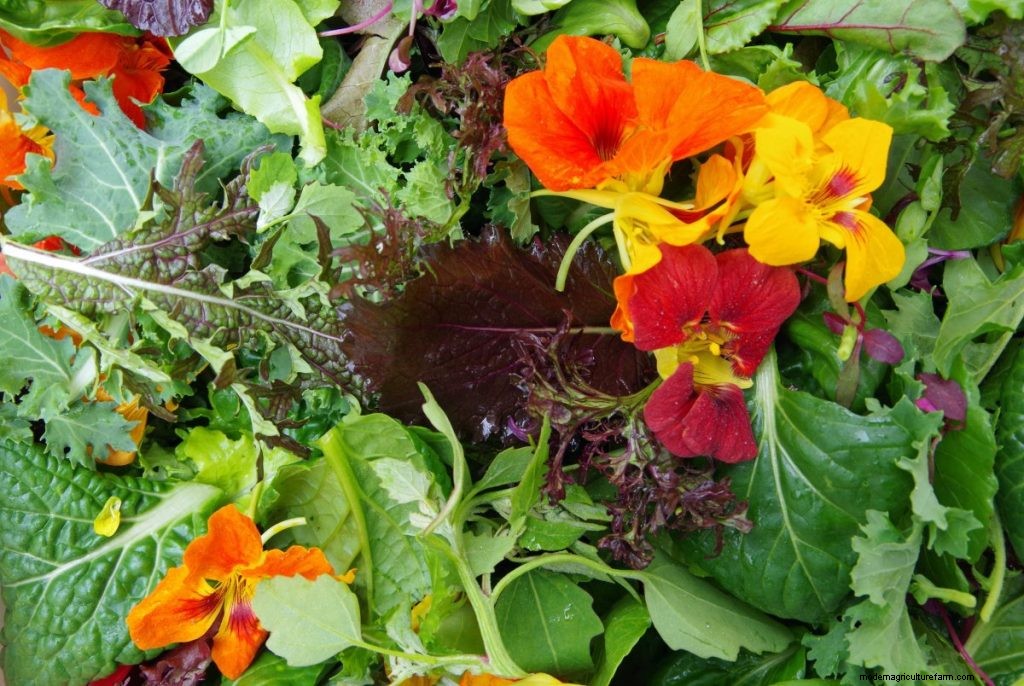
You can plant a huge array of vegetables in your salad garden, including lettuces and other leafy greens, fresh herbs such as parsley and basil, vegetables like cucumbers and peppers, and even edible flowers such as calendula and nasturtiums.
It’s a good idea to choose a good variety of greens for your lettuce garden so you’ll be able to create diverse and delicious salads. Try to select a mild, bitter, and textured variety for balance.
Here are some ideas:
Mild greens
Bitter greens
Textured greens:
Different varieties of vegetables grow fantastically together, as they benefit each other during the growing process. This is called companion planting.
Some companion planting combinations for salad gardens include:
Create a list of plants depending on how much sun your garden gets, then decide which ones you’re going to plant based on how much space you have in your garden.
Different plants take up a different amount of space, so look up the specific ones you’d like to grow to assess how much room they’ll need.
Now comes the fun part: When should I plant out my salad?
You should plant out your salad garden based on the best time for the lettuce and vegetable varieties you’ve selected.
It’s difficult to give a general time frame on when to plant seeds and seedlings, as each plant has specific needs. Again, be sure to look up the variety you’re planting and see the best window for planting.
Some greens and other vegetables can still be grown in winter, some prefer milder climates, and some thrive in the heat— so you may be able to get started right away! Here are some salad vegetables that can be grown in either warm or cool climates:
Warm season
Cool season
Your planting window also depends on if you’re using seeds or seedlings. For instance, lettuce seeds may take a few weeks to sprout and grow into seedlings, so you’ll want to plant them earlier.
Seedlings can be planted in your garden later in the season as they’re already somewhat established.
Are you growing from seed? Some seeds can be sown directly into the ground, whereas others are better off starting out in seedling trays.
Salad vegetables that can be sown directly into the ground include:
A lettuce garden can be started in the ground right away without the need for seed trays.
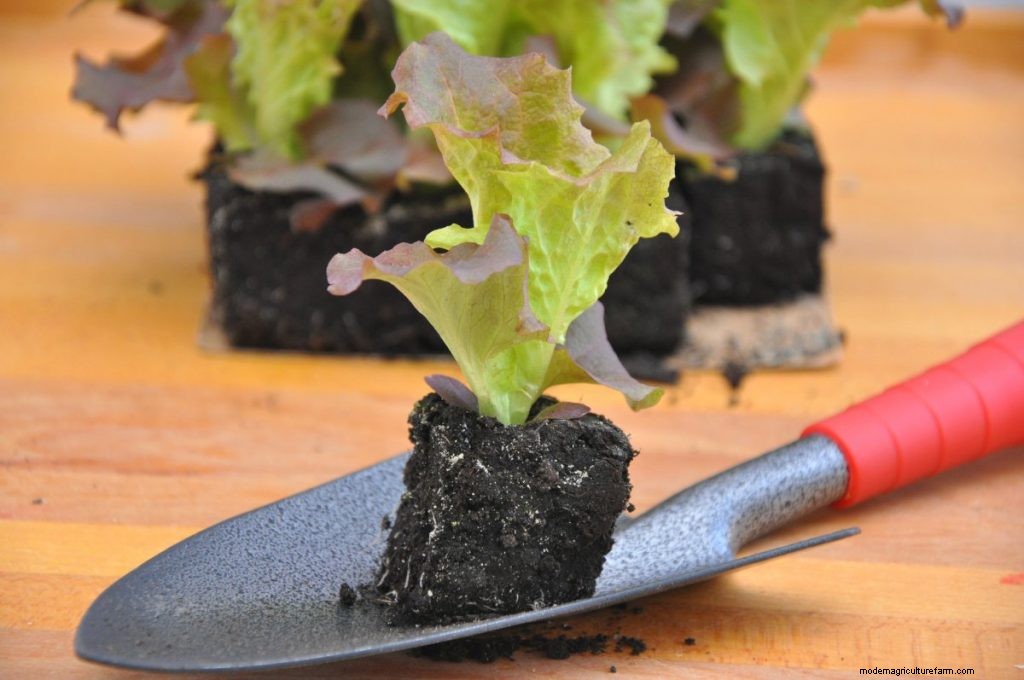
Here’s a broad overview of the planting process:
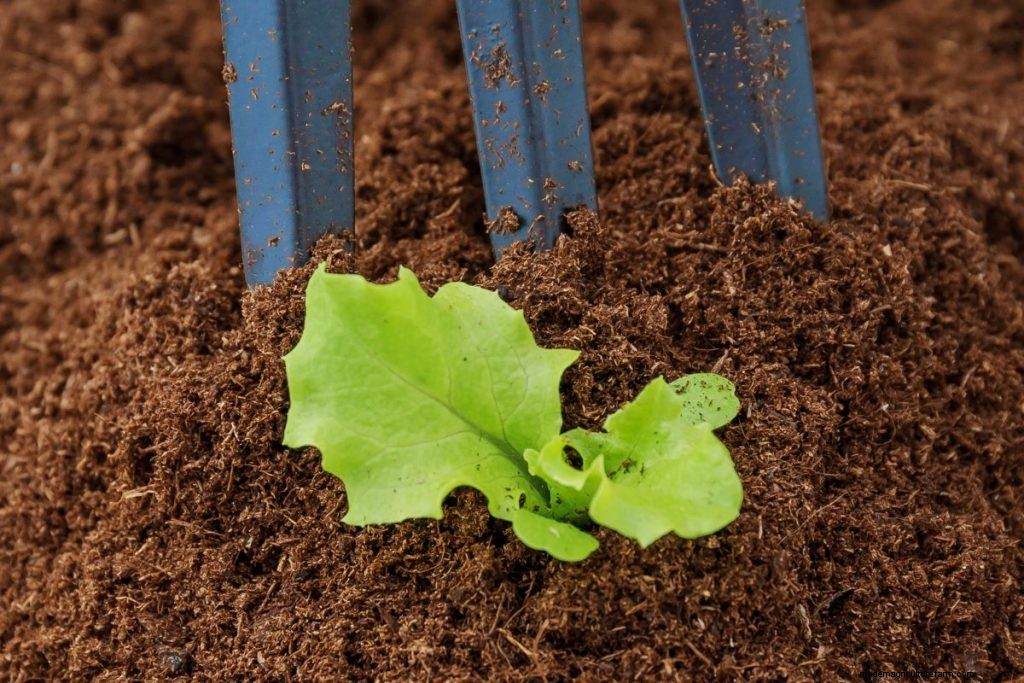
Want to help your salad garden thrive year-round? There are plenty of ways you can ensure your garden is set up for success.
These tips could make all the difference from taking your daily salad from bland to amazing
Soil is more than dirt! It’s a rich, living substance filled with all the nutrients your plants need to live. Think of it as ingredients in a cake.
Your garden is only as good as your soil, so make sure you’re putting time into making it as nutrient-dense as possible. You can do this by adding compost and fertiliser to your garden both before planting and as your plants grow.
Some gardeners opt for above-ground beds even if they have the option to plant in the ground. This is because they can “build” new, healthy soil that’s ideal for growing a salad garden.
Not sure what to grow? Make a list of the salad vegetables you like to eat! This ensures you’ll enjoy your bounty rather than getting stuck with produce you’re not too keen on.
You may wish to continue to plant new seedlings every few weeks so you don’t run out of delicious salad vegetables to eat! Sewing more seeds as you harvest your growing plants ensures a consistent yield.
Many people wonder: “Does lettuce grow back every year?” Yes, some varieties of greens and lettuce will grow back. These are called perennial varieties. Some perennial greens and lettuces include lovage, sorrel, and watercress.
As mentioned above, lettuce can often be harvested two to three times, so long as you’re only picking the leaves and leaving the root intact.
Plant herbs and flowers to attract bees and butterflies. These helpful little friends are key to making sure you end up with vegetables and not just leaves!
Many flowers are also edible and make great additions to a salad, such as borage, pansies and marigold.
Mulch, such as straw, acts as a cover for your garden bed. It helps to retain moisture by stopping the soil from drying out. This is a fantastic method to keep your summer salad garden happy and well-watered.
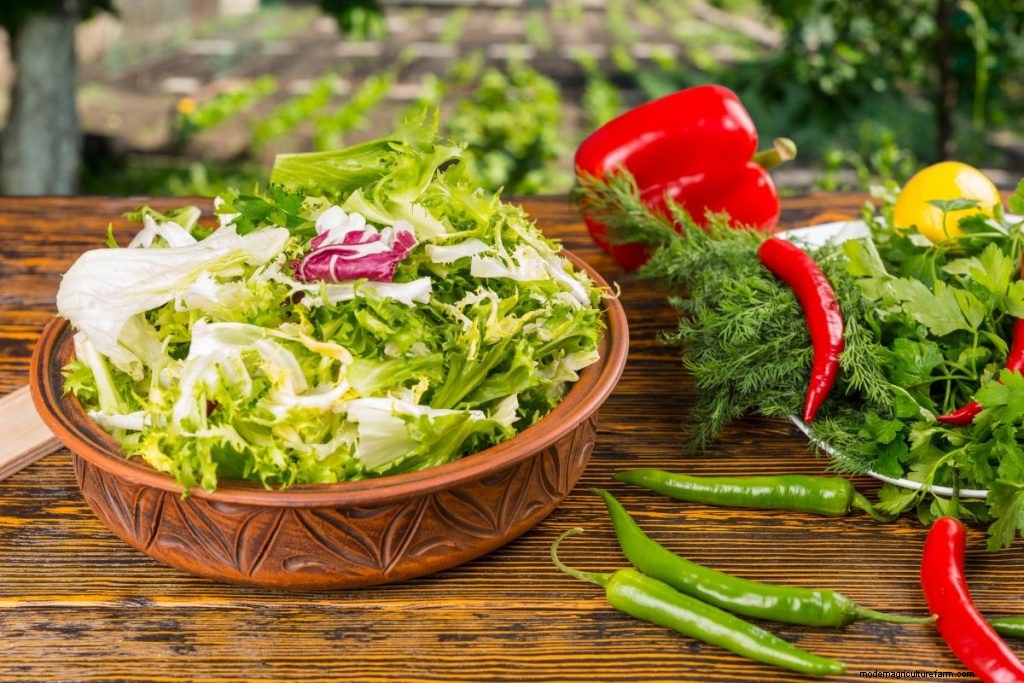
No garden is without its challenges. While some obstacles can be overcome with a little extra gardening practice, here are some issues you may encounter and how you can safeguard your garden (and future lunch!) against them.
This is usually a sign of too much or too little sun or water.
Proper planning is key to ensuring you’ve selected plants that are suitable for the amount of sun your garden gets. To avoid over-watering, set up a watering schedule, such as every morning or every second day depending on your plants’ needs.
Yellow or “scorched”-looking leaves often means too much sun or too little water, so increase watering, create some shade, and make sure to mulch.
It’s also normal for plants to wilt slightly during very hot days. They should spring back up at night, or after a good drink of water.
Slugs, snails, squirrels, birds, aphids, fungus, bacteria— sometimes gardening can feel a bit like going to war!
Your garden is part of its own ecosystem, and predators such as pests and diseases are an unavoidable part of it.
Considering the huge variety of pests and diseases you may encounter, the best thing you can do is educate yourself. While it’s not recommended for humans, Google your plant’s symptoms — such as splotchy leaves, holes, or black dots — then try to find a solution through trial and error.
Has one of your plants suddenly transformed into something out of a sci-fi movie? It’s probably gone to seed! “Bolting” occurs when the plant has reached the end of its season. This is usually triggered by very hot weather.
Bolting can be avoided by planting out earlier, providing more shade, watering generously, and applying mulch.
If your lettuce is tasting bitter when it’s not supposed to, it may have gone to seed, which means it’s time to move on and plant something else. Or, you may be harvesting at night!
Many varieties of lettuce secrete a milky-white substance at night as a defence mechanism to ward off pests. It’s harmless, but it doesn’t taste too great. Try to harvest during the day to get the best-tasting greens for your salad.
A salad garden is versatile, ideal for gardeners of all levels, and provides delicious additions to your salads throughout the year.
Once you’ve mastered salad gardening, you might wish to expand your knowledge and garden. Take a look at some of these gardening articles for ideas for your next project:


