
Welcome to Modern Agriculture!

Growing Herbs Hydroponically
Hello hydroponic lovers, we are here with a new topic of growing herbs hydroponically or without soil. Hydroponics is the process of growing plants without soil and the plants grown in nutrient-enriched water. In most systems, the plant roots are directly suspended in nutrient-rich and perfectly pH-level balanced water. There are a wide variety of herb plants that work wonderfully in hydroponic gardening. Hydroponic systems are a great method to grow herbs indoors. The basic principle is to grow your herbs in a container filled with water and nutrients. An air pump is used to keep the water oxygenated and circulating the herb root system. Then, the nutrients are in the water, they are absorbed directly through the herb’s roots. In this article we also discuss the below topics about growing herbs hydroponically;
A hydroponic herb garden is efficient since the roots of the herbs get both water and nutrients simultaneously in a controlled environment which results in a fast-growing, very healthy herb plant. If you are growing herbs for culinary purposes or medicinal purposes, hydroponics is a great way to grow them. There are some benefits for doing so, and the first is that they grow faster. Commercial growers love using hydroponics since they can grow a large number of herbs in a small growing space. This maximizes their profitability. But home gardeners can enjoy the benefits of growing hydroponic herbs.
For growing herbs, hydroponics systems can be used either indoors or outdoors it all depends on where you live and the space you have available. An indoor hydroponic herb garden is a great way to easily grow your favorite culinary herbs without bringing the mess of the outdoors inside.
Most herb plants like to be well watered but don’t like constantly wet feet so good drainage or exposure to oxygen is important.
Light – at least 8 – 10 hours a day – In hydroponic cultivation light is essential for plant growth. It is ideal when sunlight is available. If not, use powerful LED (light-emitting diode) lamps. There are special plant LEDs with optimum wavelength ranges available for this purpose. Especially in the case of some plants, you’ll need to either place your plants near a south-facing window or figure out some other way to get them much-needed light ideally at least 6 hours a day.
Oxygen O2 – The hydroponic plants need oxygen in their rhizomes for growth. And, the high content of dissolved oxygen in the water improves the absorption of fertilizers into the plant. If there is sufficient oxygen, the nutrient content can be reduced, but the plants grow quickly.
EC (Electrical Conductivity) – is a dissolved salts measurement in a solution. Too strong EC level and your plants will burn and ultimately be unable to absorb water and nutrients. Though, too weak EC level and then plants will struggle to develop due to a lack of nutrients. Most herbs perform well in a pH level of 5.5-6.5, and an EC level of 1.0-1.6, but these levels are also changed according to the selected plants.
A good quality hydroponic nutrient formulation is very important for plant growth. Selecting the right nutrient solution is key to system health and production. If you are starting a hydroponic system for growing herbs, or switching nutrient solutions, you’ll want to consider several factors.
There are two types of nutrients you must use in a hydroponic system – base nutrients and additives. The best hydroponic nutrients have minerals and vital elements, such as nitrogen, phosphorus, and potassium that play crucial roles in plant life. These nutrients are necessary for your herb plants to grow and bloom. Different herb plants have different nutrient requirements in hydroponics.
There are several herbs easy to grow in hydroponics. Some of the hydroponically grown herbs are Basil, Chamomile, Rosemary, Oregano, Cilantro, Anise, Dill, and Catnip. Growing herbs using hydroponics helps you to keep yielding herbs no matter the season or the weather conditions. The hydroponic system takes up less space and reduces water consumption. While all herbs can be easy to grow, here are the most important herbs to grow in a hydroponic system.
Parsley
Ideal conditions for growing hydroponic parsley are;
Lavender
Basil
Chamomile
Rosemary
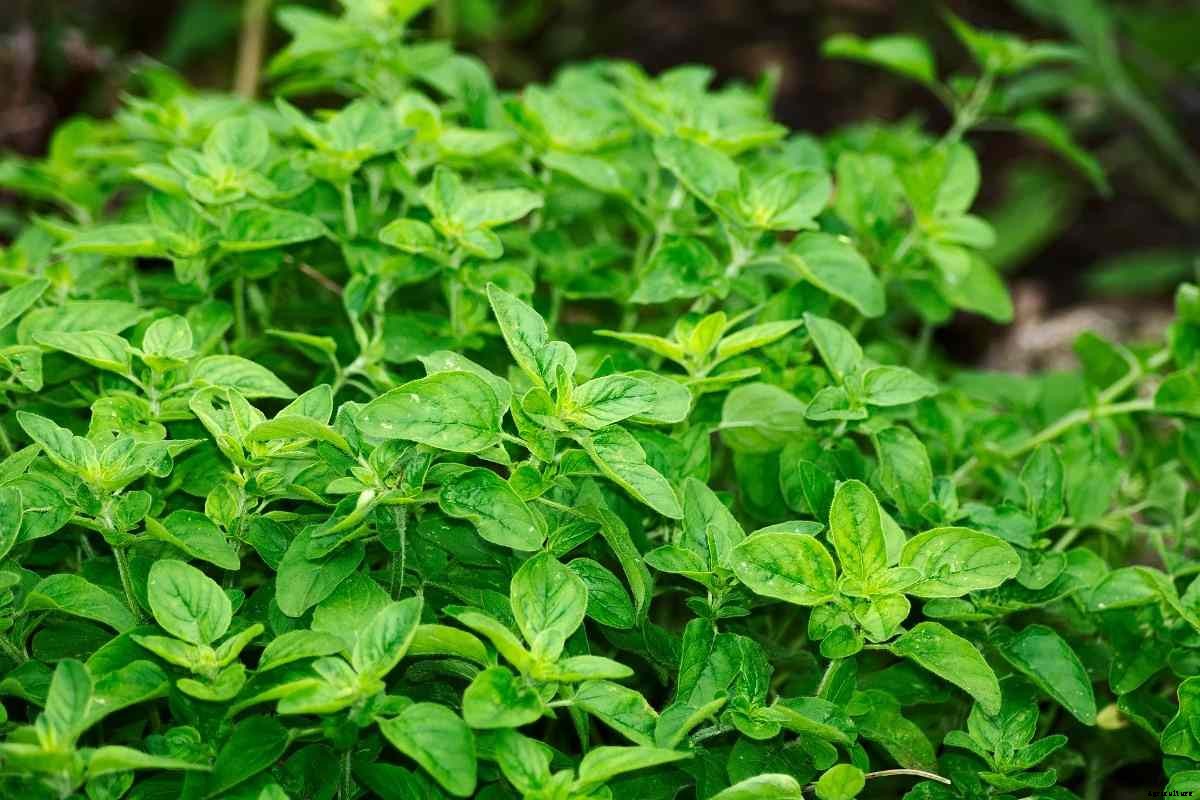
Oregano
Chives
Thyme
Watercress
Cilantro or Coriander
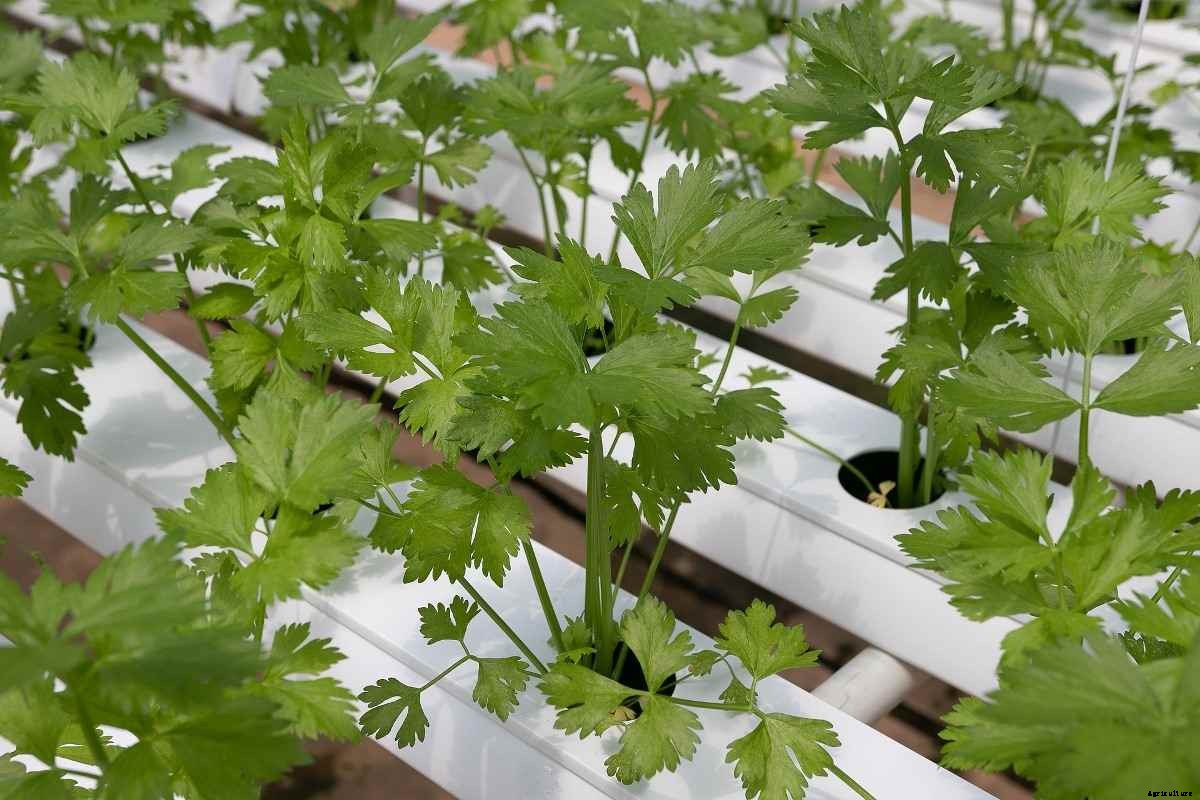
A few other herbs that do well hydroponically include Anise, Catnip, Chervil, Dill, Fennel, and Tarragon.
How to Make a Hydroponic Herb Garden
If you want to make a hydroponic herb garden, do your research because you’ll need a basic understanding of plant growth and how hydroponics systems work in general. Though, hydroponic window farms can be complex, involving a system of pumps, tubes, a timer, and growing containers. In this procedure, the water is pumped from a container at the base of the garden to the top, where it runs slowly down through the system, soaking the roots as it trickles. Supplemental light is required.
If you want to keep things simple while you learn about the hydroponics system, you can always make a hydroponic herb garden with a small kit. Then, the kits are ready to go and you need them for growing and caring for hydroponic herb plants. Nearly any type of herb plant is appropriate for this type of gardening system.
The herbs can be started by seed or you can purchase established plants. Start seeds like you would but use rock wool instead of soil. Thread the roots through the bottom of the net pot. Soak about 2 or 3 cubes of rock wool and gently place them on the bottom of the pot then anchor the plant with hydrotone clay pellets. The rock wool helps the pellets from falling through the bottom of the pot. It’s time for the nutrients. You may use any nutrient solution but make sure it is for the hydroponics system. Therefore, used a PPM/EC/cF (parts per million/electrical conductivity/conductivity factor) meter to monitor the nutrients for the herbs. The PPM number is used for hydroponics.
The pH/PPM/cF levels for Growing Herbs Hydroponically
PPM – Parts per million – It measures the concentration of solids dissolved in the water.
EC – Electrical conductivity – It measures the ability to conduct electricity. The EC meter measures how well the nutrients dissolved into the water.
cF – Conductivity factor. We use cF (conductivity Factor) to measure the strength of the nutrient and this measures the amount of electrical current that passes through the water.
HerbspHcFPPMBasil5.5-6.510-16700-1120Chicory5.5-6.020-241400-1600Chives6.0-6.518-221260-1540Lavender6.4-6.810-14700-980Lemon Balm5.5-6.510-16700-1120Mint5.5-6.020-241400-1680Parsley5.5-6.08-18 560-1260Thyme5.5-7.08-16560-1120Watercress6.5-6.84-18280-1260Rosemary5.5-6.010-16700-1120There are a few different types of hydroponics systems that are used in the home environment for growing herbs.
1. Deep Water Systems for Growing Herbs Hydroponically
These are the most common types of hydroponics systems and well suited for beginners for growing herbs. The hydroponic herbs grow in a large reservoir of water which is kept fresh and oxygenated by a small air pump.
Growing herbs at home are becoming increasingly popular. Deep water culture hydroponics is a great way to get started with hydroponics. This growing process can be as simple or as complicated as you want it to be and can be scaled up as you gain experience. DWC hydroponics provides an efficient and sustainable way to grow a large variety of plants that can be used for food in the kitchen or commercial production by food producers.
The water in deep water culture needs to be supplemented with nutrients required for plant growth, which would otherwise be absorbed via the soil. Adding the correct amounts of nutrients into the water solution makes sure the plants are well-nourished and also able to develop to their full potential.
2. Ebb and Flow Systems for Growing Herbs Hydroponically
The ebb and flow hydroponic systems keep the main water tank separate from the growing herb pots. A pump is used to fill the pots with water and nutrients, and then drain it back into the main reservoir. Then, these units are operated on a timer that controls the pumping system.
Ebb and flow systems are also called a flood and drain system, rely on intermittent water delivery (flood) to a plant or series of plants held in an inert medium. The medium is mainly for stabilizing the plant and is not required to have any nutritional value. In a true hydroponic ebb and flow hydroponic system, all nutrition is provided by the nutrient solution.
The most common media used in ebb and flow hydroponic systems include hydroton (clay pebbles), stone wool, and rinsed gravel, but any inert medium that doesn’t float will suffice. It is one of the simplest hydroponic systems to set up and use. There are mainly two common ebb and flow configurations used by indoor horticulturists a tray and reservoir configuration (single pump system) or an individual module configuration (dual pump system).
3. Drip Systems for Growing Herbs Hydroponically
Drip hydroponics systems keep the plant’s roots in a sterile medium. The drip system will drip-feed the water and nutrients into the herb pots. A timer is used to keep the drip feed system on a schedule running for a few minutes each hour.
4. Aeroponic Systems for Growing Herbs Hydroponically
Aeroponic systems use a misting spray to feed the roots. The roots get their water and nutrients from the mist while receiving oxygen directly from the air. Creating your own indoor hydroponic herb garden is another way to enjoy growing your culinary herbs. If you would like to start your indoor herb garden, but don’t want to bring the mess of the outdoors inside, then growing hydroponic herbs is a perfect solution.
In case if you miss this: Vermicompost Business Plan.
Herb plants will benefit most from the ability to receive a constant supply of nutrients and oxygen through the watering system. Hydroponic growing systems give restaurants, supermarkets, and commercial growers the ability to produce fresh herbs for their customers, which allows for greater flavor and cost-efficiency.
Below are the benefits of growing herbs hydroponically;
You don’t need soil – While some may love the naturistic appeal of getting hands dirty with gardening out the sunshine, the fact of the matter is, some of us prefer not to have to go that route. Hydroponic growth requires water and some simple mediums. Lots of indoor gardening goes on in the kitchen and that’s not always the best place for dirty fingernails or empty herb pots. This is what makes hydroponic systems so nice when you want to grow your herbs indoors.
Hydroponic Herbs Grow Fast – Hydroponic herbs can grow anywhere from 25% to 50% faster than herbs grown in a soil garden. The plant roots get fed consistently from the nutrient solution in the water. You never have to worry about over or under-watering or having plants dry out. Since the growing conditions are much more consistent in a hydroponic system, this translates to your plants growing that much quicker. You will still need to provide a strong light source and constant temperature for hydroponic herbs to grow into healthy plants. This is true with all methods of growing herbs indoors. You’ll have larger crop yields and faster growths. Then, this faster growth means you can yield more in a smaller amount of time.
You will conserve more water – On average, Hydroponics systems only use up to 10% of the water that outdoor soil plants require. Then, the water gets filtered and reused continuously. Once you have your hydroponic herb garden setup, the only maintenance it should require is to change the nutrient solution every 7 to 14 days. You don’t want to constantly be checking to make sure your herbs aren’t drying out or growing too big for their pot. There must be plenty of room for the roots to grow in the water reservoirs.
Year-Round Supply – You can grow hydroponic plants any time of year. Since we are growing plants indoors, we don’t need to worry about the temperature fluctuations outside. Then, you can create your hydroponic herb garden at any time of the year. You can start seeds in January, and then enjoy a nice harvest of plants within two months. Imagine having fresh herbs in March.
You did not use herbicides and an insecticide that means you can keep your herbs 100% organic and free of harmful chemicals. You will save a significant amount of space using hydroponics. Systems can be customizable and even built vertically.


