While shrimp aren’t the first animal people think of when they hear “aquaponics,” they can be a highly efficient, low‑space, and high‑value addition to any system.
When managed correctly, freshwater shrimp thrive in the nutrient‑rich, biofilm‑laden environment that aquaponics naturally creates. They recycle waste, keep the substrate clean, and offer a quick‑growing protein source that fits comfortably into most plant‑and‑fish polycultures.
This guide walks you through selecting the right species, designing shrimp‑friendly tanks, maintaining optimal water chemistry, and avoiding common pitfalls—whether you’re starting fresh or refining an existing setup.
Contrary to popular belief, shrimp don’t require complex or salt‑water systems. Most species are fully adaptable to freshwater aquaponics, provided you choose the right type and give them a well‑cycled environment.
Aquaponics turns fish waste into plant‑friendly nutrients through nitrification. Shrimp feed on the resulting biofilm and organic detritus, making them natural scavengers that help keep the system clean and efficient.
The Best Shrimp Species for Aquaponics Systems
Freshwater shrimp are the most common choice for aquaponics. Their tolerance for a wide range of water parameters and ease of care make them ideal for growers of all scales.
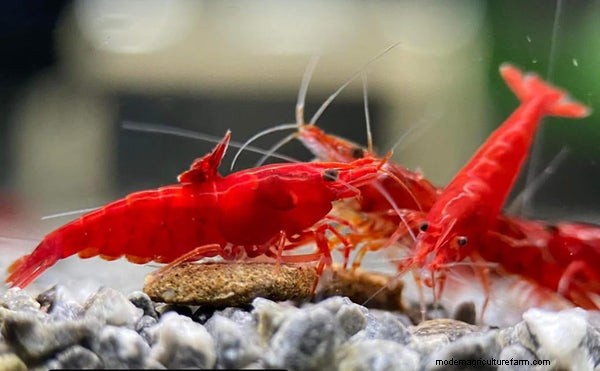
1. Red Cherry Shrimp (Neocaridina davidi)
Renowned for their vivid red hue and peaceful temperament, Red Cherry Shrimp are a favorite for ornamental tanks and small‑scale aquaponics.
- Easy to breed and hardy
- Suitable for nano or small tanks
- Excellent biofilm scavengers
- Adaptable to pH 6.5–8.5 and 68–82 °F (20–28 °C)
Cons:
- Too small to harvest for food
- Sensitive to copper and sudden chemical changes
- Predation risk from aggressive fish
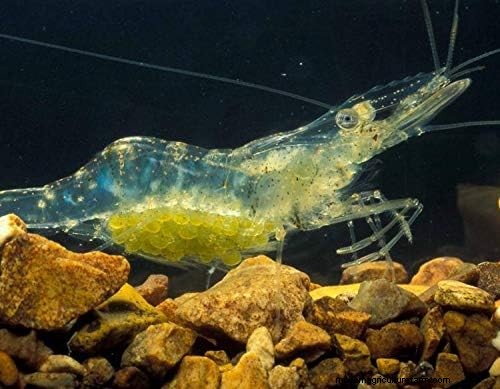
2. Ghost Shrimp (Palaemonetes paludosus)
These translucent shrimp are prized for their cleaning ability and rapid reproduction in well‑cycled systems.
- Low cost and easy to acquire
- Effective substrate cleanup
- Tolerance for a broad temperature range
- Fast breeders under optimal conditions
Cons:
- Lifespan 1–2 years
- Stress sensitive in unstable systems
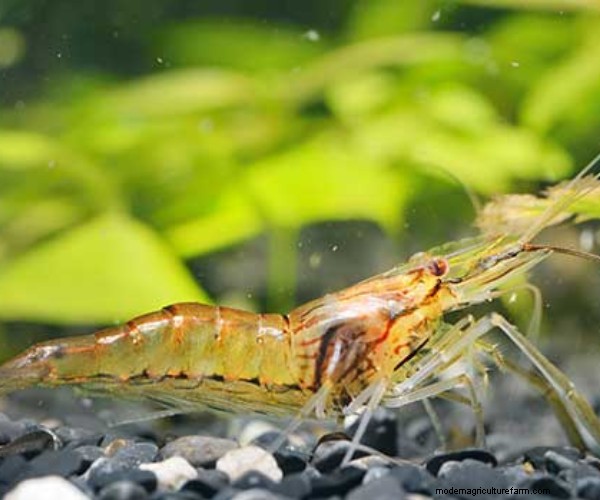
3. Freshwater Prawn (Macrobrachium rosenbergii)
Often called “giant freshwater shrimp,” this species is prized for its rapid growth and market value.
- High yield potential
- Harvestable in 5–6 months
- Robust to a wide range of water conditions
- Compatible with tilapia polyculture
Cons:
- Aggressive, especially males
- Requires warm temperatures (78–88 °F / 26–31 °C)
- Needs ample space due to territorial behavior
Shrimp Compatibility With Other Aquaponics Components
1. Fish Species Selection
Choose fish that coexist peacefully with shrimp. Tilapia and catfish are common allies because they tolerate similar temperatures and do not prey on shrimp.
2. Plant Selection and Growth Requirements
Leafy greens, herbs, and select fruiting plants thrive in shrimp‑rich water. Their nutrient and light needs should match the system’s overall balance.
Setting Up Your Shrimp Aquaponics System
Success hinges on thoughtful design and precise water management. The following sections cover key design elements, stocking strategies, and water quality control.
A. Design Considerations
1. Tank Size and Layout
- Tank size: Match volume to expected shrimp growth and stocking density.
- Layout: Create compartments with PVC pipes, rocks, or plants to provide hiding spots and ensure even flow.
2. Water Filtration and Circulation
- Filtration: Mechanical and biological filters keep waste from accumulating and maintain clarity.
- Circulation: Air or water pumps, along with air stones, distribute oxygen and nutrients throughout the tank.
3. Temperature and Environmental Control
- Temperature: Maintain consistent water temperature for both shrimp and fish; heaters or chillers may be needed.
- Lighting: While shrimp don’t need special light, your plants do—adjust intensity and photoperiod accordingly.
B. Stocking Density and Ratios
- Calculate density based on tank volume and shrimp species growth rate.
- Balance shrimp numbers with the system’s waste‑processing capacity.
- Overcrowding can trigger stress, disease, and lower growth.
C. Water Quality Management
1. pH Levels and Buffering
- Maintain a slightly alkaline pH (7.0–8.0) for most shrimp.
- Use crushed coral or limestone to buffer pH swings.
2. Monitoring Ammonia and Nitrate
- Test ammonia regularly; it should be undetectable.
- Keep nitrate levels low enough for plant uptake—periodic water changes can help.
Feeding and Nutrition for Shrimp in Aquaponics
Providing a protein‑rich, balanced diet is essential for shrimp health and system stability.
1. Dietary Requirements
- High protein content, with essential vitamins (C, E) and minerals (calcium, phosphorus, iodine).
2. Feed Choices: Pellets vs. Natural Foods
- Pellets: Commercial shrimp pellets offer consistent nutrition and ease of dosing.
- Natural sources: Brine shrimp, daphnia, or bloodworms supplement diversity.
3. Feeding Frequency and Portion Control
- Feed small amounts 2–3 times daily to match consumption and reduce waste.
- Monitor for uneaten food; if it accumulates, scale back portions.
- Adjust portions based on shrimp size and activity.
Monitoring Shrimp Health
1. Common Diseases and Issues
- Susceptible to bacterial, fungal, and parasitic infections.
- Behavioral changes, discoloration, or erratic swimming may signal problems.
2. Prevention and Treatment
- Keep water parameters within optimal ranges—pH, ammonia, nitrate, temperature.
- Quarantine new shrimp before adding them to the main system.
- Practice good hygiene: clean equipment, avoid overfeeding.
- Consult aquaculture specialists or veterinarians for disease outbreaks.
3. Harvesting Shrimp
- Harvest when shrimp reach market‑sized length (typically several inches).
- Use a fine‑mesh net or a trap with a small opening that allows water flow.
- Alternatively, partially drain the tank for easier collection.
Additional Practical Insights
- Growth to market size takes ~4 months.
- Optimal temperature range: 75–85 °F (24–29 °C). Tilapia also thrive at 75–90 °F, making them compatible partners.
- Three harvest cycles per year are possible with a 4‑month cycle.
- Target pH: 7.8–8.5.
- Aeration is critical—use an air pump or a water‑air mix to maintain dissolved oxygen.
Conclusion
Incorporating shrimp into your aquaponics system can elevate sustainability, efficiency, and profitability. By selecting the right species, harmonizing fish and plant needs, and rigorously managing water quality, you create a resilient ecosystem where every component thrives.
Start today, refine your system, and enjoy the bounty of shrimp that underscores the harmony between nature and modern aquaculture.