Welcome to Modern Agriculture!

Looking to transform your outdoor space into a cool, vibrant retreat? The right trees can provide year‑round interest, natural cooling, and curb appeal. Below is a hand‑picked list of 25 shade and flowering trees—each selected for its ability to block harsh sun while adding color, texture, and lasting value to any landscape.
For the biggest shade payoff, choose trees with wide, dense canopies that cool an entire yard. The Northern Red Oak and American Sycamore deliver that scale, each with distinct bark and leaf character.
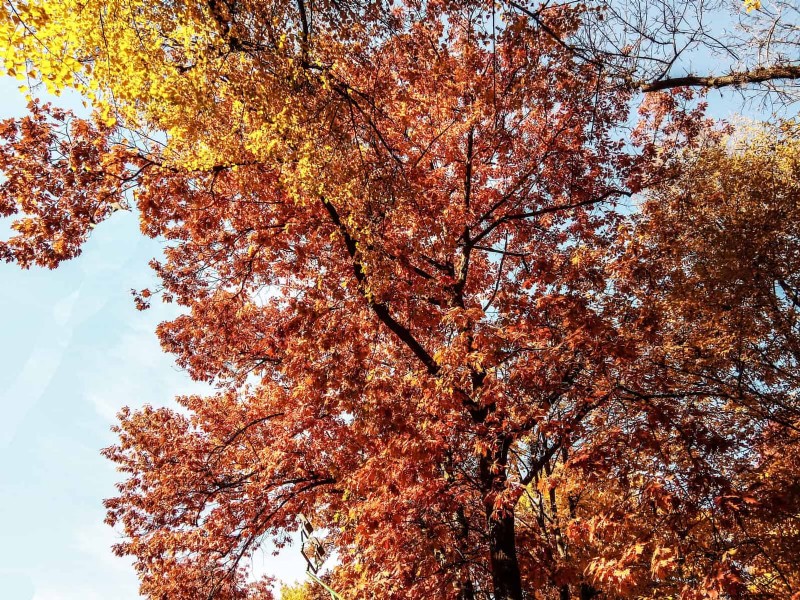
The Northern Red Oak is a classic choice for fast shade and striking fall color. Its wide limbs and rounded canopy block intense sunlight, while the vivid red leaves of autumn light up the yard. A tall, straight trunk provides clean lines for formal landscapes.
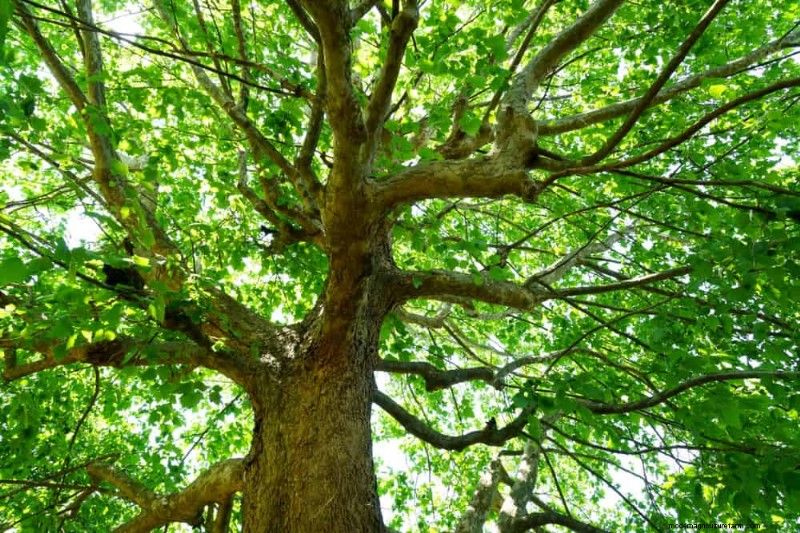
The American Sycamore stands out with its large, maple‑like leaves and mottled bark. It climbs to impressive heights, casting broad shade over lawns or patios. Moist soil lovers, it tolerates urban conditions well and offers winter visual interest with its patchy white and gray bark.
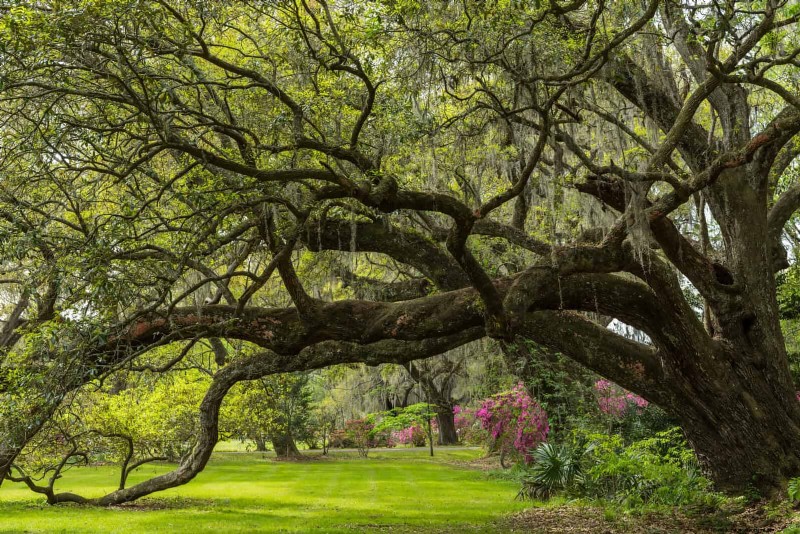
Southern Live Oaks are evergreen giants with graceful, horizontal limbs. Their dense canopy provides some of the best shade in warmer regions, and the dark green leaves remain year‑round. Spanish moss drapes from the branches, adding Southern charm. Slow‑growing yet long‑lived, they’re ideal for large estates and historic settings.
Save this article & instantly unlock today’s gardening deals!
Sugar Maple and Tulip Tree are two of the most rewarding fast‑shade choices in temperate gardens, offering spectacular seasonal color on top of their cooling canopy.
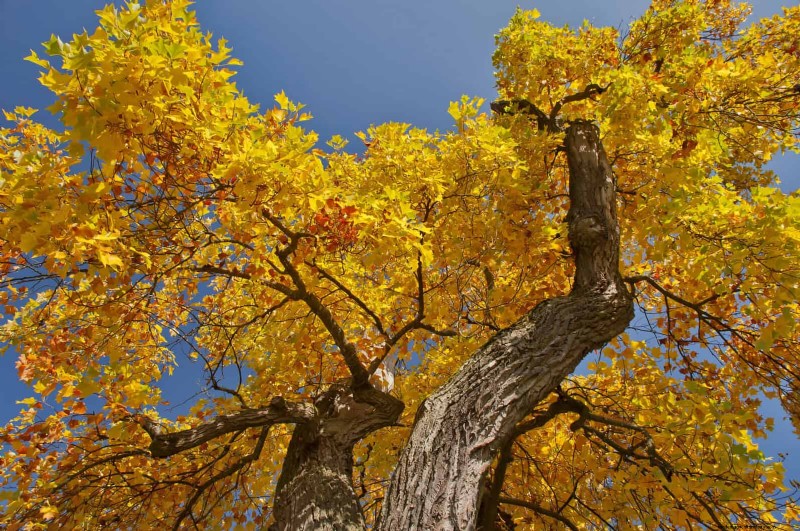
Also known as the tulip poplar, this tall tree offers beauty and excellent shade. Its tulip‑shaped flowers bloom in late spring, adding whimsy. Large leaves form a broad canopy that keeps patios and lawns cool, and fall foliage turns golden yellow.
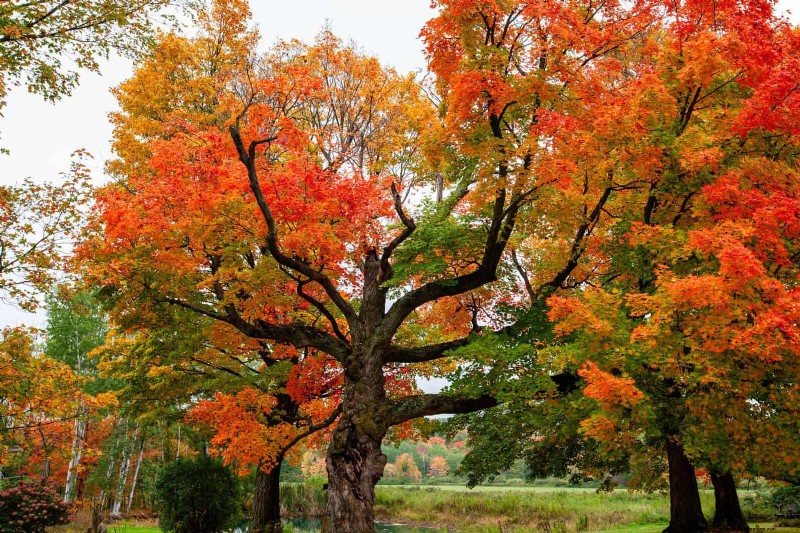
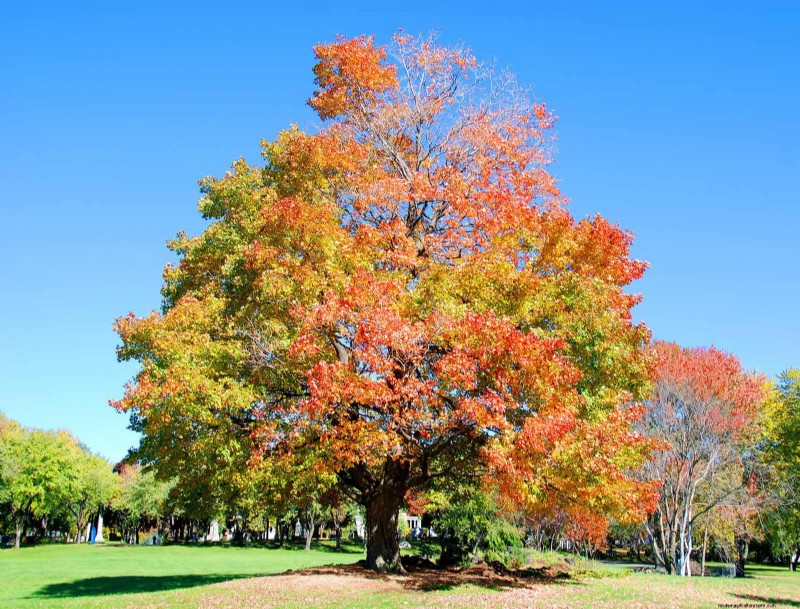
Famous for its fall fireworks, the Sugar Maple also excels as a shade tree. Its wide, spreading crown provides relief from the sun during warm months, and autumn leaves shift through yellow, orange, and red. Best suited to cooler climates with moist, well‑drained soil.
City lots, compacted soil, and air pollution demand trees with exceptional tolerance. London Plane, Hackberry, and Amur Maackia each punch above their weight in exactly these situations.
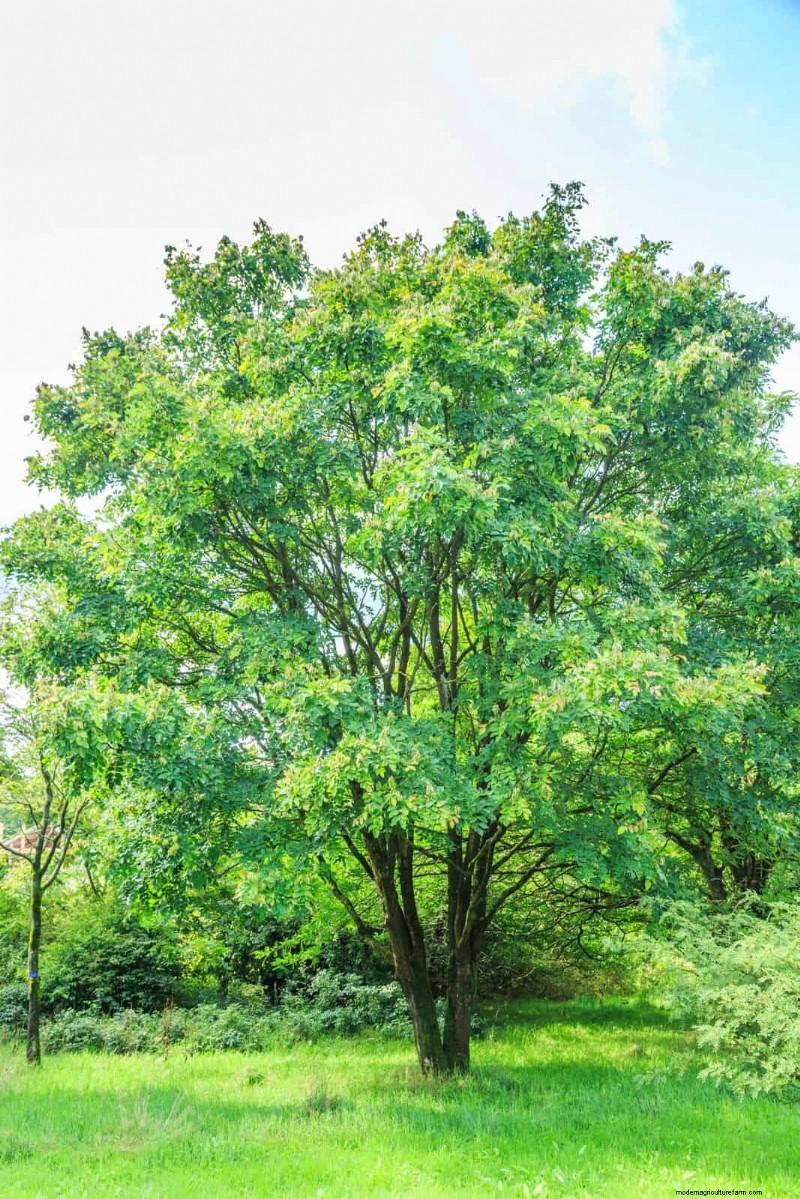
Amur Maackia is a small, tough shade tree with silvery bark and creamy summer flowers. Its compact size makes it perfect for tight spaces, while its leaves stay lush through dry spells. Thriving in poor soils and requiring little care, it resists pests and disease naturally.
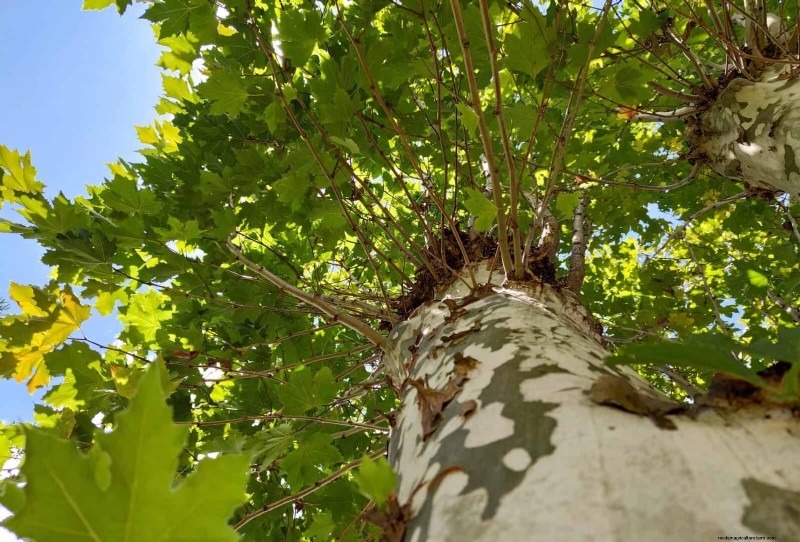
The London Plane Tree thrives in city conditions where other trees may struggle. A large canopy and patchy bark provide year‑round interest, and its deeply lobed leaves give dense, cooling shade. It’s a staple along boulevards and in residential yards.
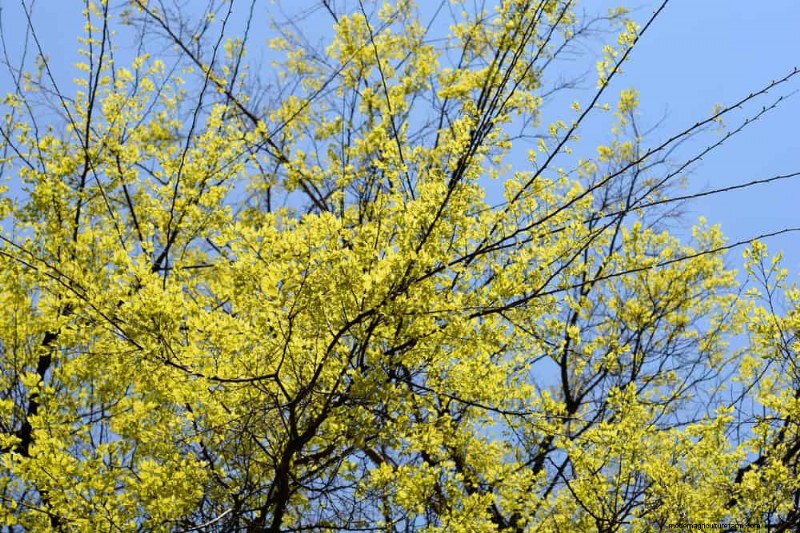
The Hackberry is a tough, adaptable tree that tolerates wind, drought, poor soil, and urban pollution. Coarse‑textured leaves and a rounded shape provide generous shade, while small berries attract birds in fall.
Soggy ground is no liability if you choose trees that are naturally adapted to moisture. River Birch and Kentucky Coffeetree handle wet feet with ease while still providing meaningful shade.
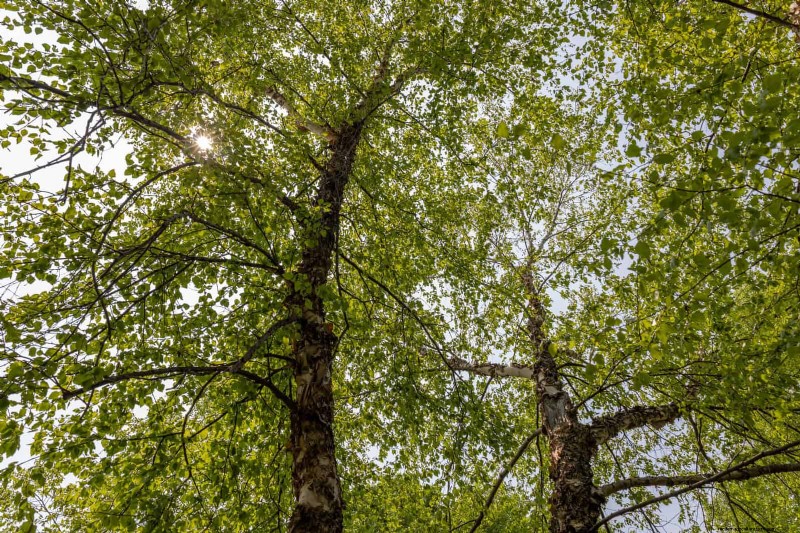
The River Birch is prized for its peeling bark and ability to handle wet soil. It grows in clusters or as a single trunk, with a fast growth rate and light shade. Triangle‑shaped leaves flutter in the breeze, and its copper‑colored bark adds winter charm.
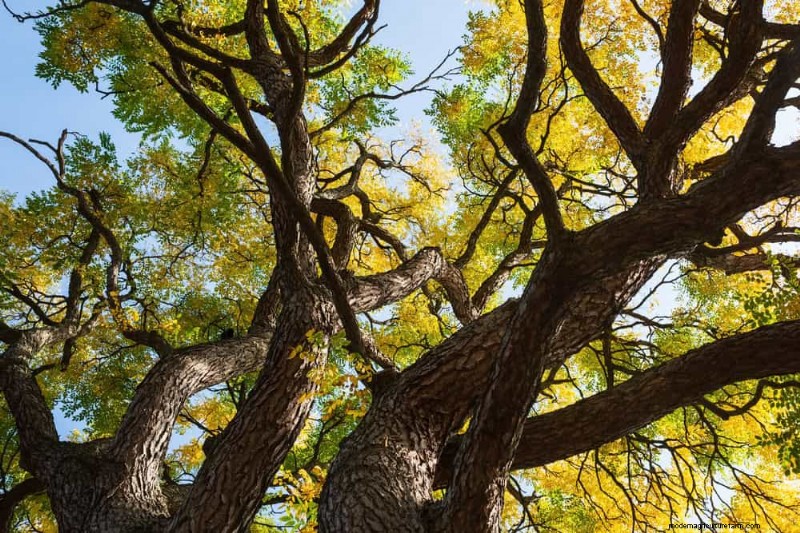
The Kentucky Coffeetree adds bold character with coarse texture and open branching. Its massive, double‑compound leaves filter light, and the tree is drought‑tolerant once established. Large pods appear in winter, creating striking silhouettes.
Disease‑resistant breeding has revived two American icons. The American Elm is once again a viable long‑term shade tree, and the Black Walnut remains a bold choice for gardeners with room for its commanding presence.
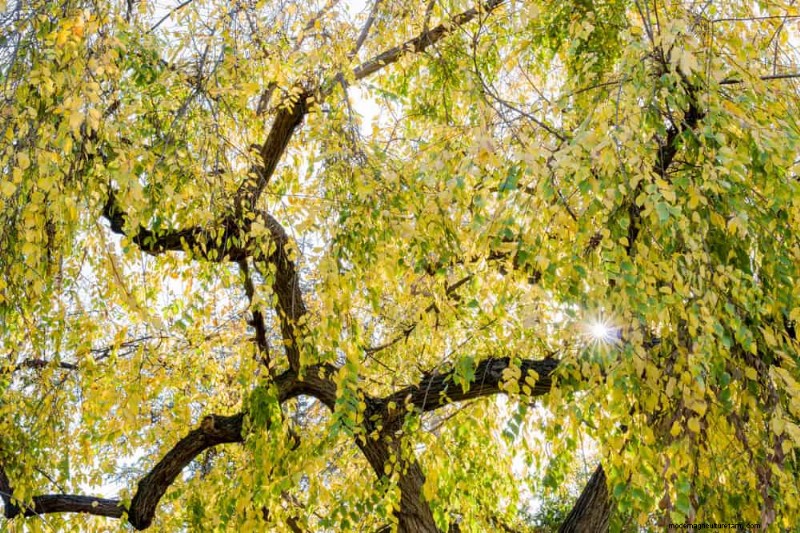
The American Elm returns thanks to disease‑resistant cultivars that restore its historic charm. Its vase‑shaped form casts broad shade without overwhelming structures. Fast‑growing and adaptable to many soil types, it adds soft yellow foliage in fall.
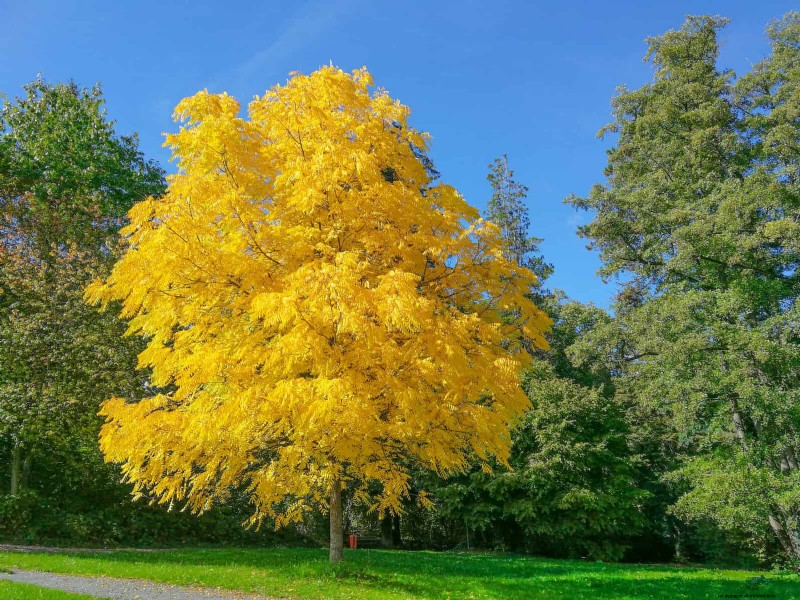
The Black Walnut is a bold, commanding shade tree for large properties. Its compound leaves and broad canopy create deep, cooling shadows. The tree produces edible nuts but releases juglone, which can inhibit some nearby plants. Rugged bark adds appeal, and it offers both food and shelter to wildlife.
A modest lot doesn’t have to mean a treeless yard. Eastern Redbud and Ginkgo Biloba offer beautiful structure, striking seasonal color, and a scale that fits tight spaces without overwhelming nearby plantings.
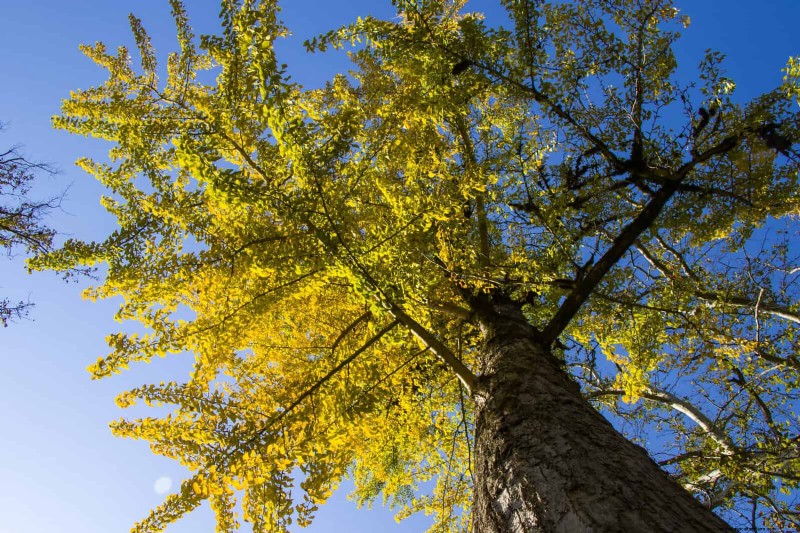
Ginkgo biloba is a living fossil known for its fan‑shaped leaves and golden autumn color. Male varieties lack the unpleasant‑smelling fruit, making them ideal for urban planting. Strong structure, wind resistance, and a filtered canopy provide cooling in summer.
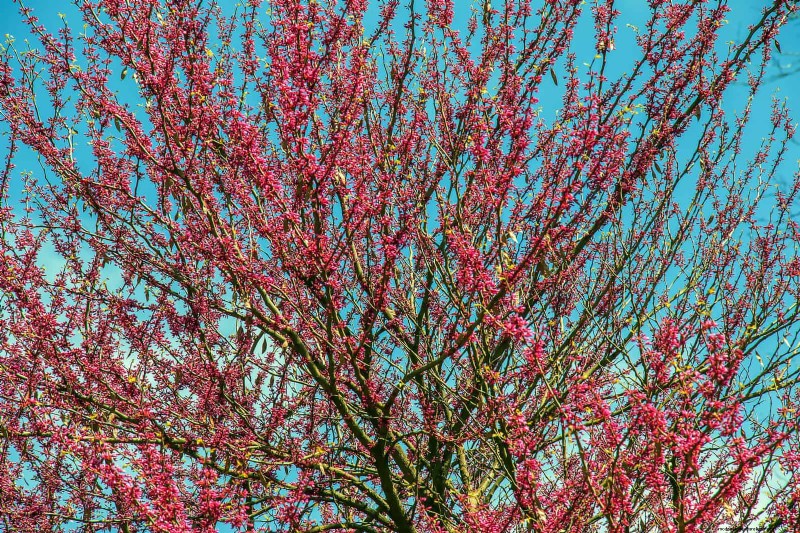
Eastern Redbuds burst with pink to magenta flowers on bare branches in early spring, followed by heart‑shaped leaves that create a light canopy. Growing well in full sun to partial shade, it’s perfect near patios or entryways where color and charm are needed.
Some trees earn their spot twice over: spectacular blooms in spring and leafy canopy through summer. Dogwood, Saucer Magnolia, and Ornamental Cherry all deliver on both counts.
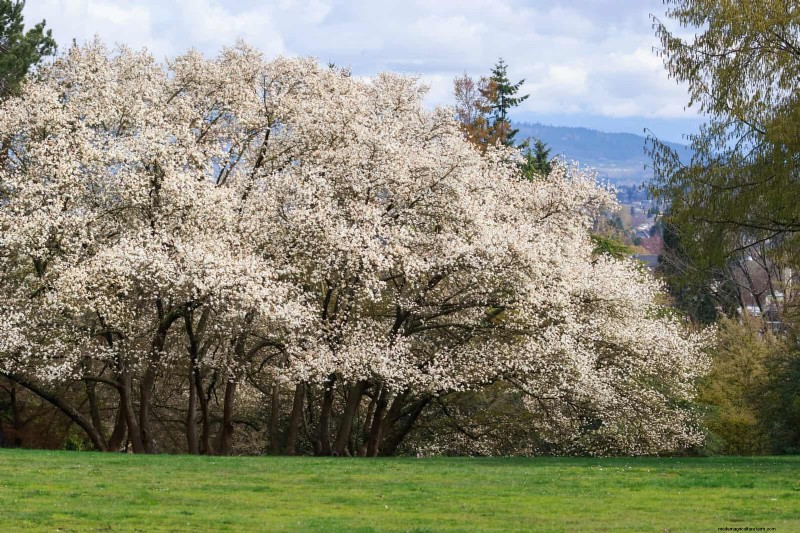
Dogwoods provide beauty in every season—white or pink blossoms before leaves, dappled shade, red or purple fall foliage, and bright berries for birds. Plant in filtered sunlight with rich soil for elegance and structure.
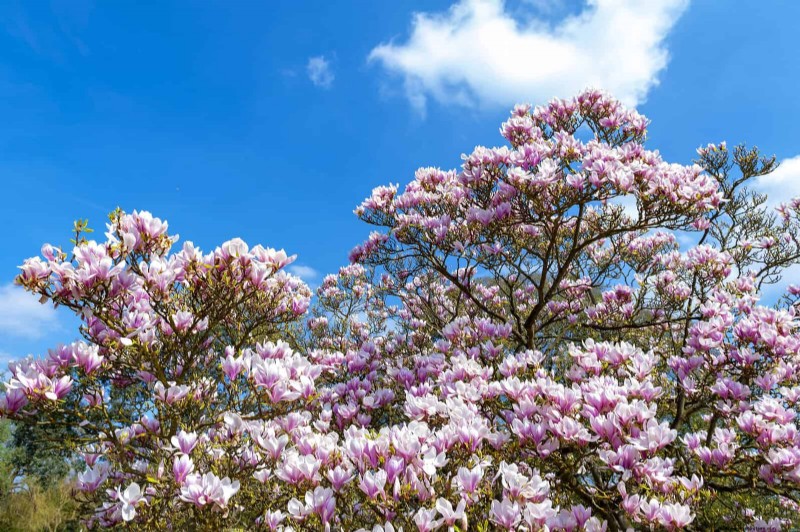
Saucer Magnolias bloom in shades of pink, purple, or white before leaf‑out in early spring. A rounded form with medium height offers good seasonal shade without overwhelming a small yard. Full sun and rich soil help them thrive.
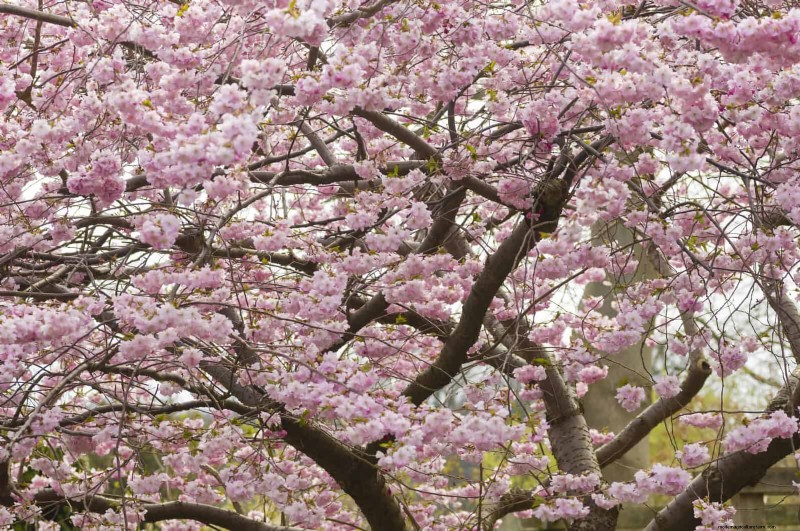
Yoshino and Kwanzan Cherries deliver spectacular spring blossoms—pale pink to white for Yoshino, double‑pink for Kwanzan. They provide light shade, grow at a moderate pace, and create romantic focal points, though their lifespan is shorter than other trees.
Long after spring trees finish flowering, these choices carry the ornamental baton into midsummer and beyond, adding color during the hottest months.
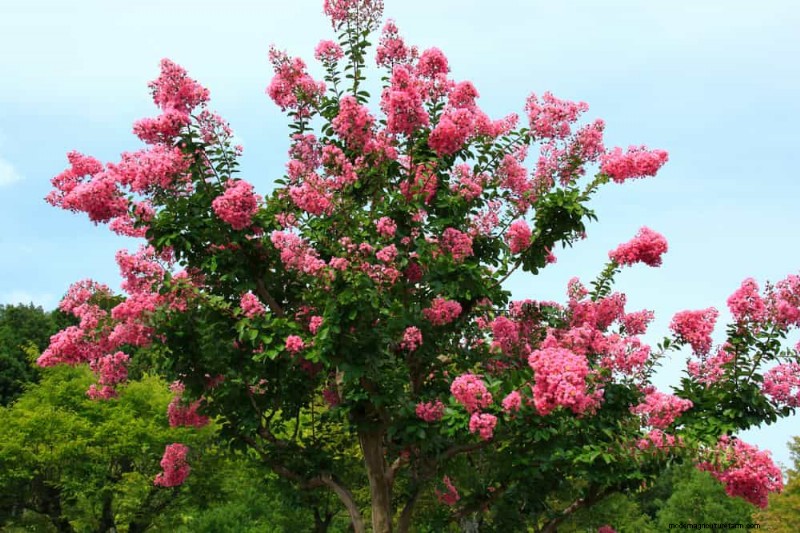
Tree‑form Crape Myrtles offer months of flowers and airy shade from midsummer to fall. Bloom colors vary from pink to red to white to purple. Smooth, peeling bark adds winter interest, and they thrive in warm climates with drought tolerance once established.
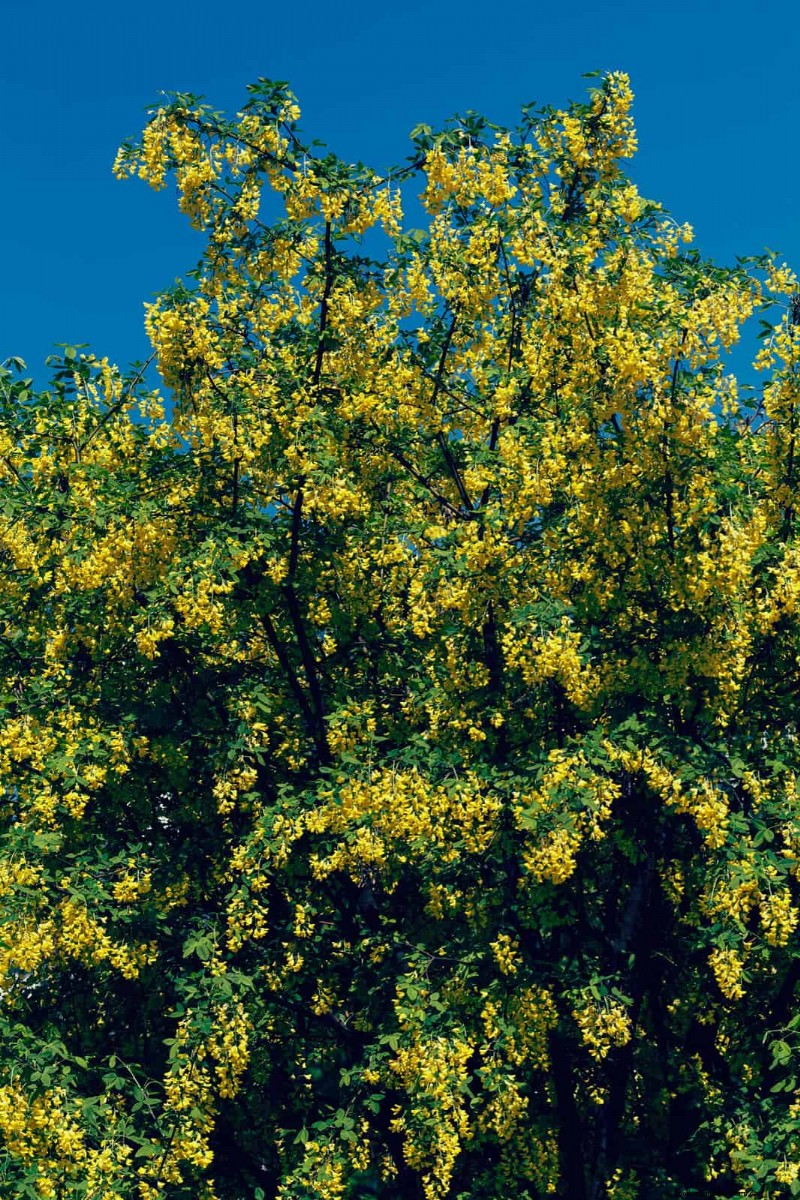
The Golden Rain Tree dazzles with yellow blossoms in midsummer, followed by lantern‑like seed pods. Its compound leaves provide soft, filtered shade throughout the growing season, and the pods linger into fall. Drought‑tolerant and suitable for suburban landscapes.
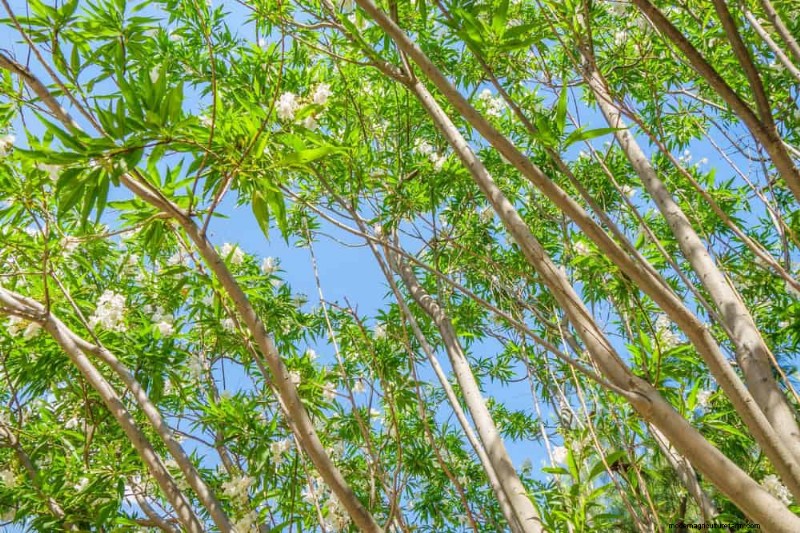
Chitalpa hybrids boast long‑lasting, trumpet‑shaped blooms in soft pink or lavender. Willow‑like leaves and fast growth make them perfect for dry climates. Drought‑tolerant with an open canopy that cools without blocking all light, blooming from late spring through summer.
Dry summers and sandy soils are no obstacle for Desert Willow and Chitalpa. These hybrids and regional natives thrive in low‑moisture conditions while putting on a generous flower show.
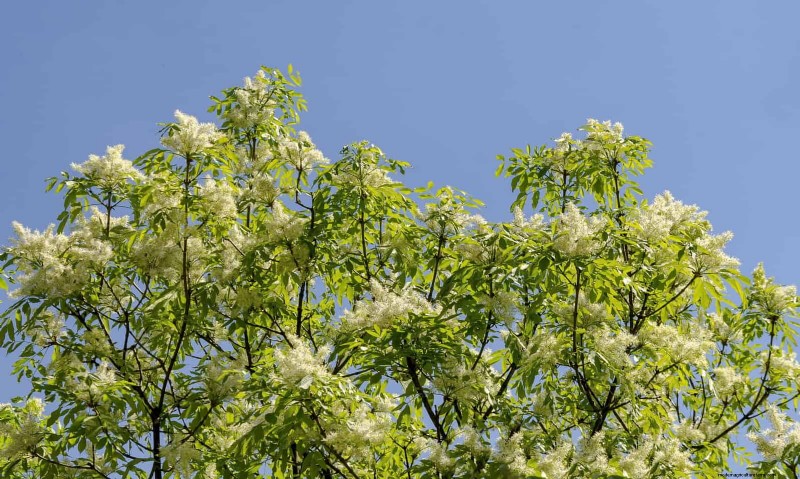
Japanese Tree Lilacs bloom with creamy white flowers in early summer, long after spring trees fade. Their upright growth habit suits narrow spaces. Smooth, decorative bark is striking in winter, and the tree offers subtle fragrance in an urban setting.
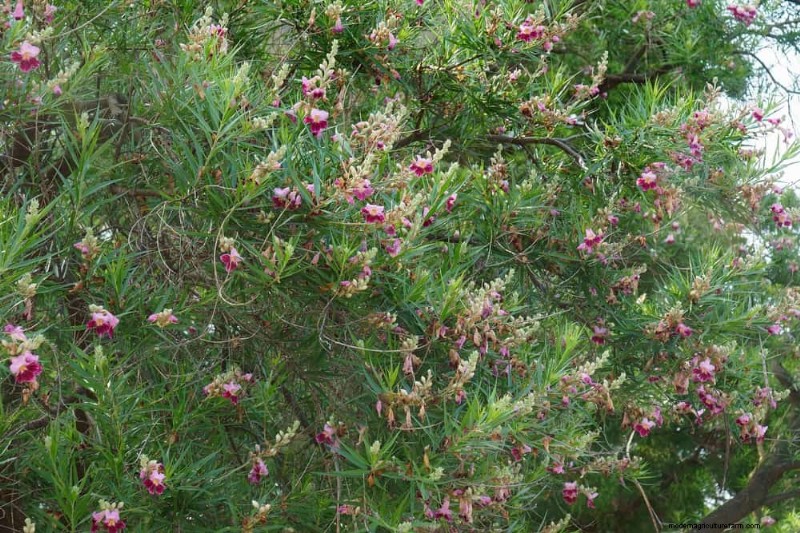
Desert Willows bring tropical‑looking blooms and a wispy structure to dry gardens. Trumpet flowers in pink or purple bloom from spring through fall. Narrow leaves and an open canopy provide filtered shade, while drought tolerance means minimal water once established.
The most versatile picks on this list offer something worth seeing in every season: spring flowers, summer shade, autumn color, and winter structure.
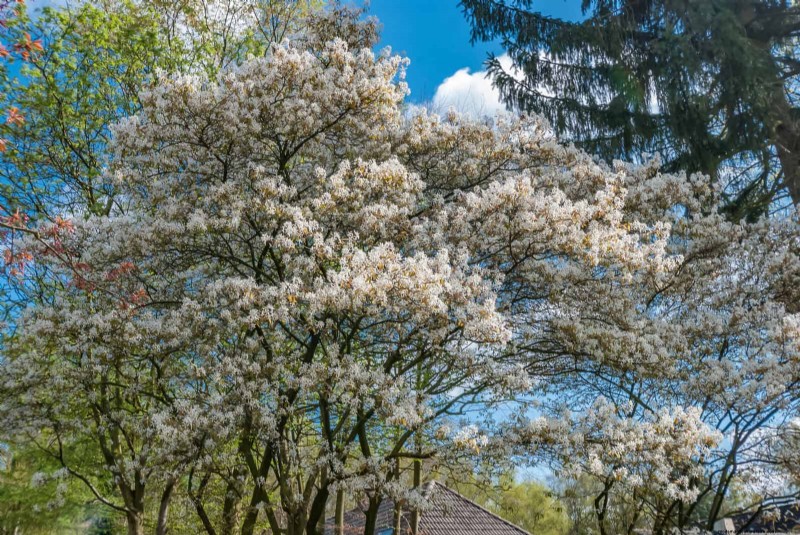
Serviceberries shine with white spring flowers, summer berries, and colorful fall leaves. Fruit attracts birds, and dense branching provides light shade. Small, adaptable, and suitable for borders or patios.
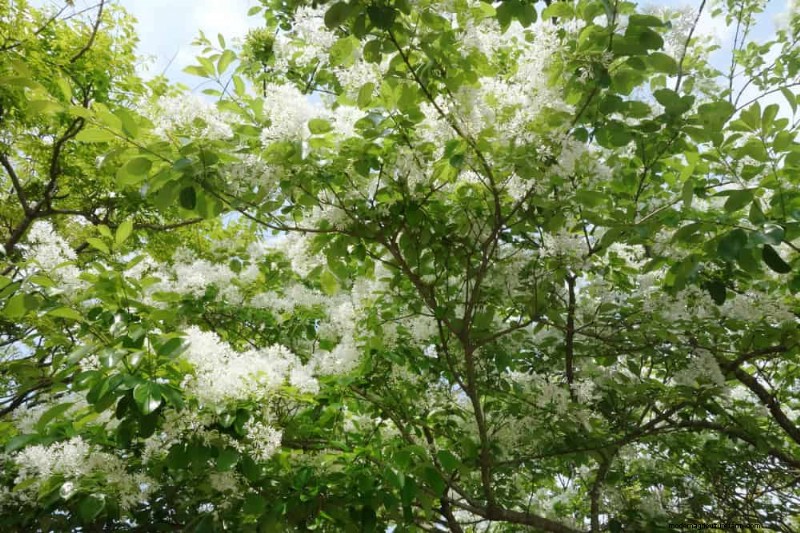
Fringe Trees are small, fragrant trees that bloom in late spring with unique white fringe‑like flowers. Slow growth and a compact shape make them ideal for front yards. Leaves turn yellow in fall, adding another layer of color.
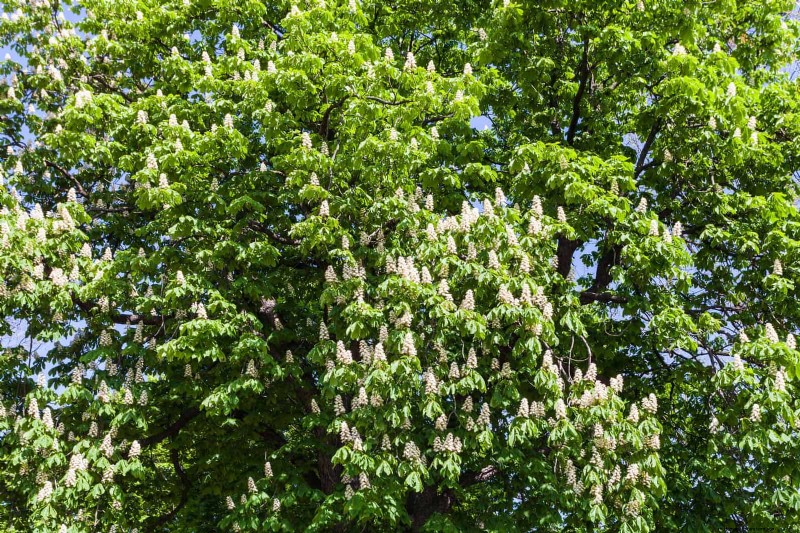
Flowering Horse Chestnuts display tall flower spikes in spring, large palmate leaves for shade in summer, yellow foliage in fall, and shiny brown nuts that drop from the canopy. Best in cooler climates with rich soil, their bold form stands out in expansive yards.
With such a varied selection, the best approach is to match tree to site conditions first, then let visual preference guide the final choice. A tree that suits its spot will outperform one chosen purely for looks.
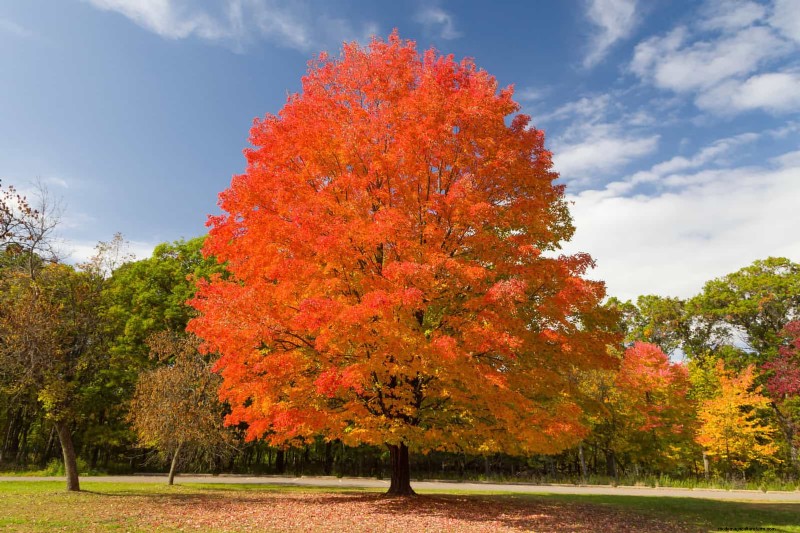
No matter whether you seek thick shade to cool your patio or bursts of flowers to refresh the view, the right tree can do it all. This mix of shade trees and flowering varieties offers options for nearly every climate and yard size. With thoughtful planning, your landscape stays cooler while looking vibrant from season to season.
From the bold canopy of an oak to the delicate blooms of a fringe tree, nature provides plenty of choices to make your space beautiful and comfortable.
Transform leftover stumps into living displays with 20 Plants You Can Plant Over A Tree Stump.

Editorial oversight
GardenTabs content is reviewed by Steve Snedeker, a seasoned gardener with decades of hands‑on landscaping experience.