Welcome to Modern Agriculture!

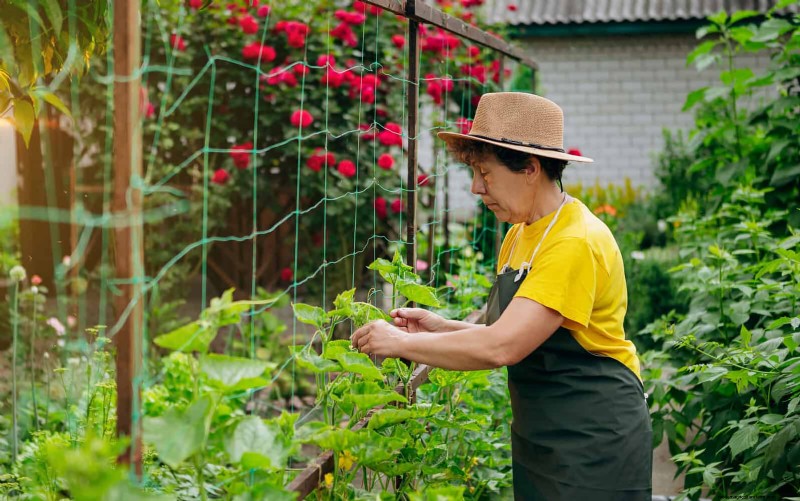
Trailing and climbing vines can quickly become chaotic, but with the right guidance they can add elegance and structure to any garden. Proper training not only keeps vines tidy but also promotes healthier growth, improves airflow, and maximizes vertical space. This concise guide presents proven, easy‑to‑apply methods that help you shape vines with confidence.
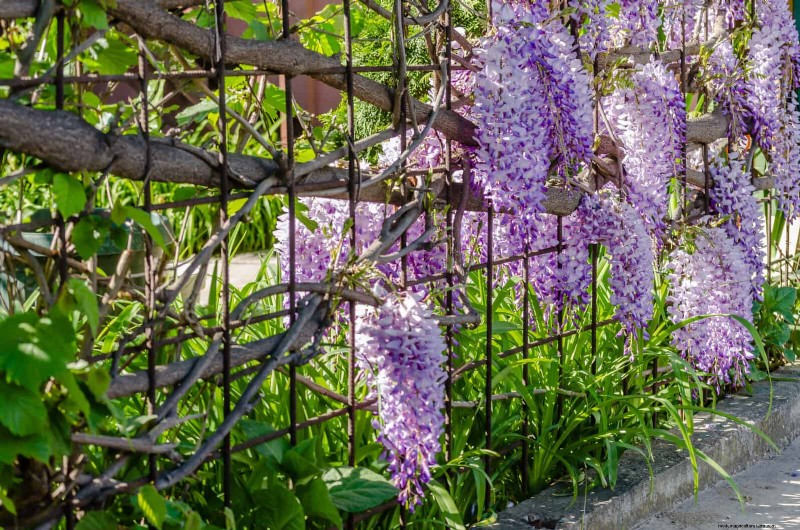
Unchecked vines often overrun neighboring plants, creating clutter and increasing maintenance. By directing growth, you reduce disease risk, improve light exposure, and make room for other garden elements. Training also turns vines into intentional design features rather than accidental nuisances.
Save this article & also instantly unlock today's gardening deals!
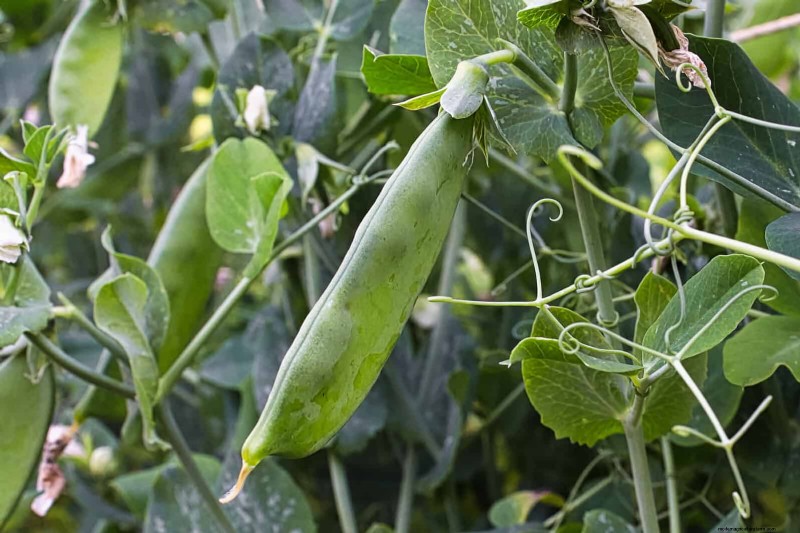
Vines behave differently: twining vines (e.g., morning glories) coil around supports; tendril climbers (e.g., peas) latch onto thin structures; and trowel vines (e.g., clematis) require more direct support. Identifying the climbing style informs the choice of trellis, stake, or wire.
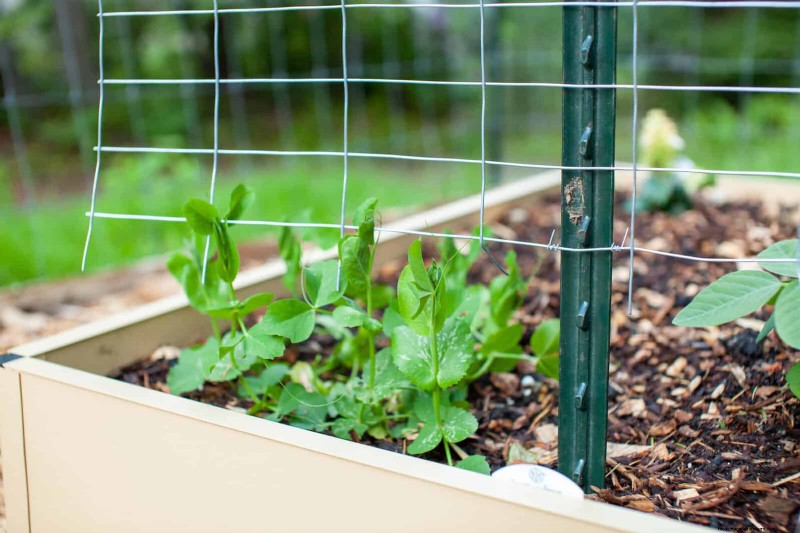
Set up trellises, cages, or stakes at planting time. Early support gives young stems a clear path and prevents tangled growth that’s hard to correct later. A stable base also protects roots from disturbance.
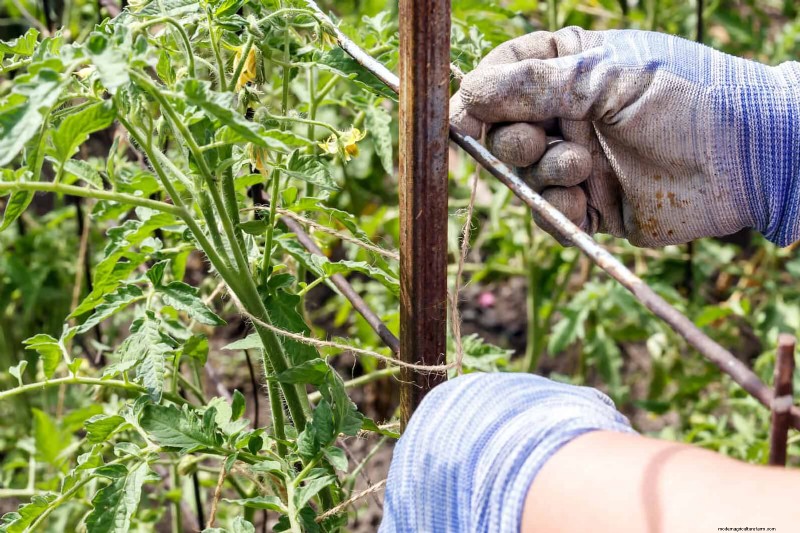
Secure vines with garden twine, Velcro ties, or soft fabric strips. Keep ties loose enough to accommodate growth while providing firm support. Inspect ties regularly and adjust to avoid bruising delicate stems.
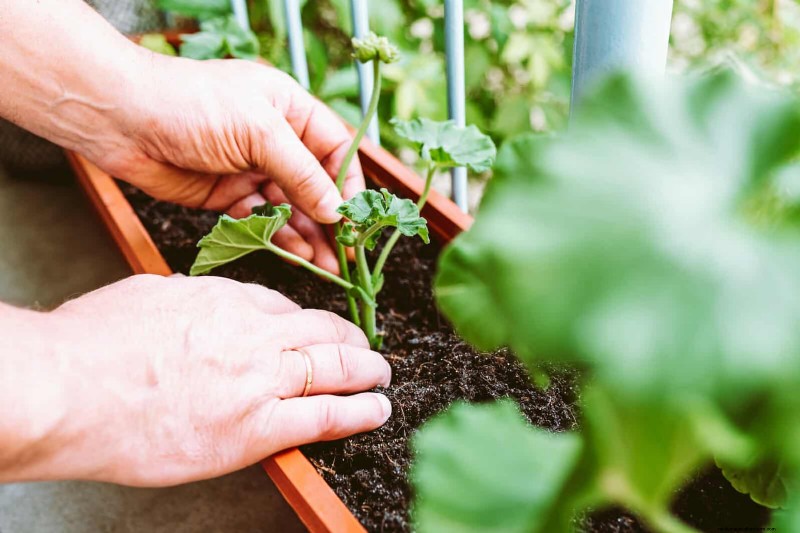
Every few days, gently bend new shoots toward the support or desired angle. Early, consistent nudging trains the plant to follow the designated path without forcing stiff stems.
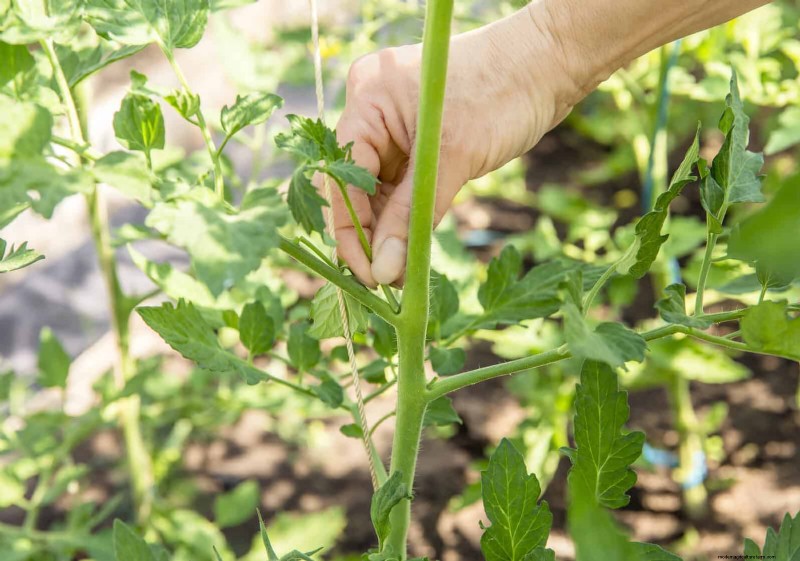
Pinching the apical bud encourages lateral branching and fuller foliage. Trim the tip with clean scissors or your fingers, propelling the vine toward a bushier habit—ideal for propelling visual density.
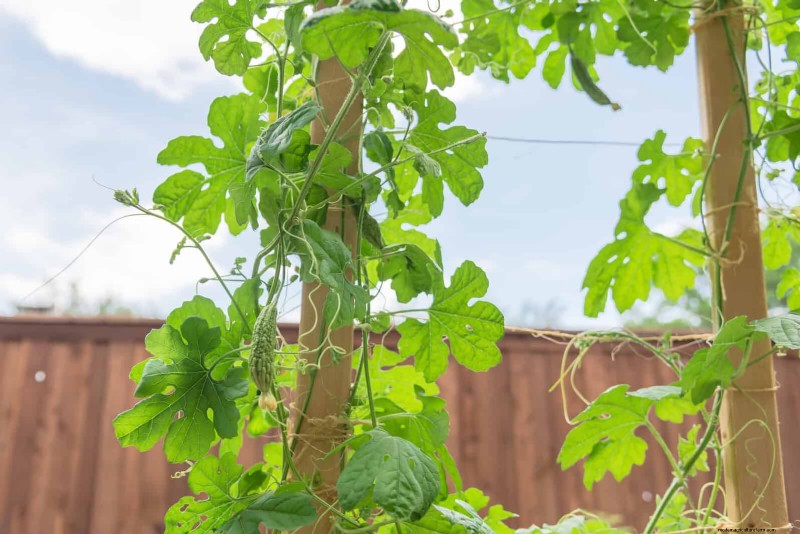
For twining vines, coil loosely around poles or wires. Avoid tight bindings; the vine will self‑self‑propagate as it matures, yielding a neat, self‑supporting structure.
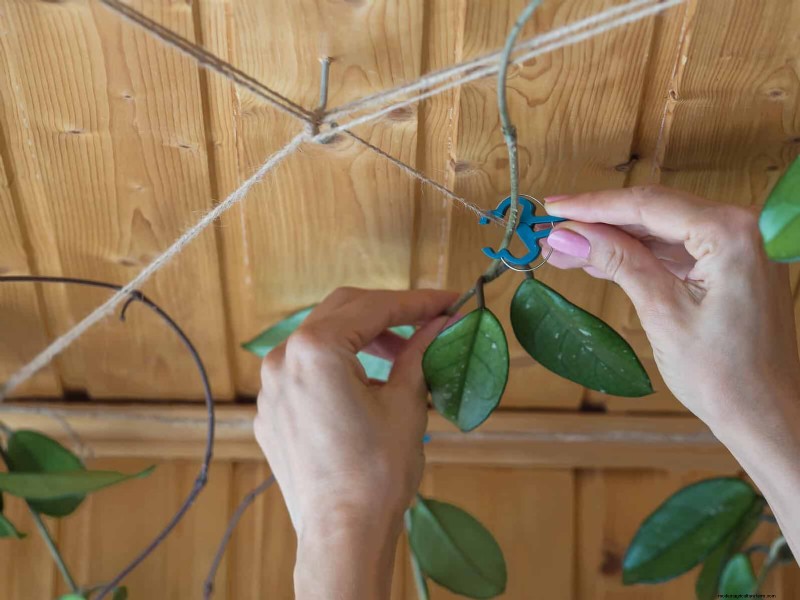
Weather‑resistant clips and adhesive hooks are ideal for balconies, fences, and walls. They hold heavier or floppy stems and allow easy repositioning as the vine grows.
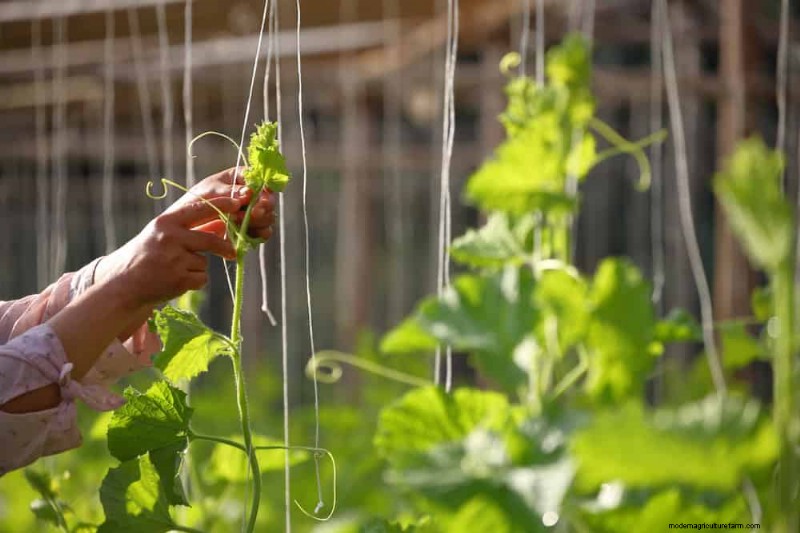
When a shoot veers off course, gently guide it toward the prop. Avoid mandatory forced bends on rigid stems—gradual, daily adjustments keep the plant healthy.
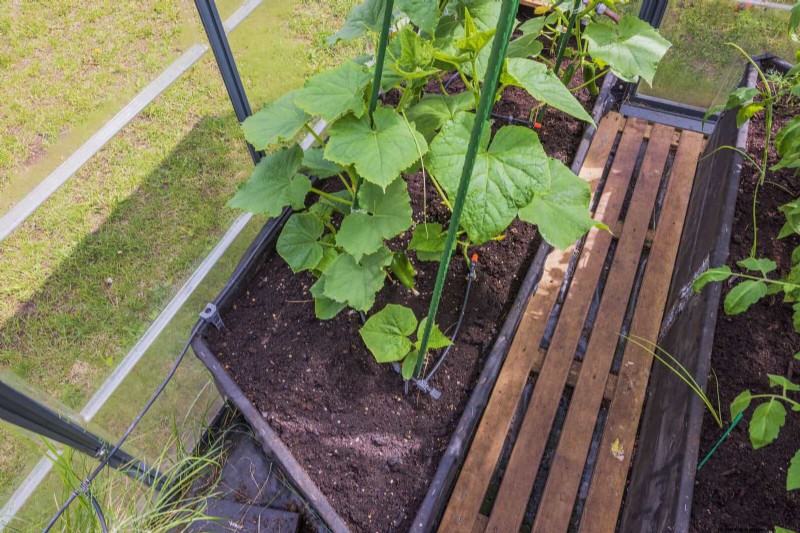
Stake or pin long vines at soil level to keep them from lifting upward. Anchors keep trailing vines steady, especially in windy spots, and promote a true cascading effect.
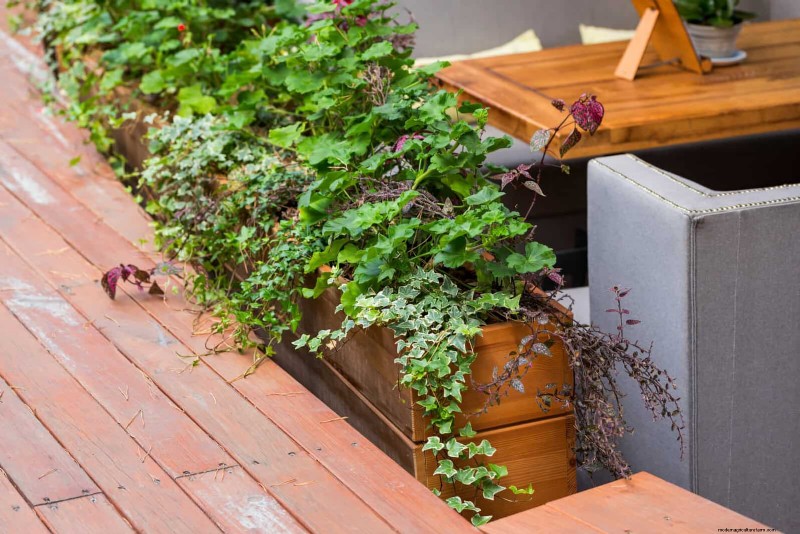
Place trailing vines in high containers or on shelves to encourage downward spread. Gravity naturally directs stems to fall, creating striking cascades in hanging baskets or raised beds.
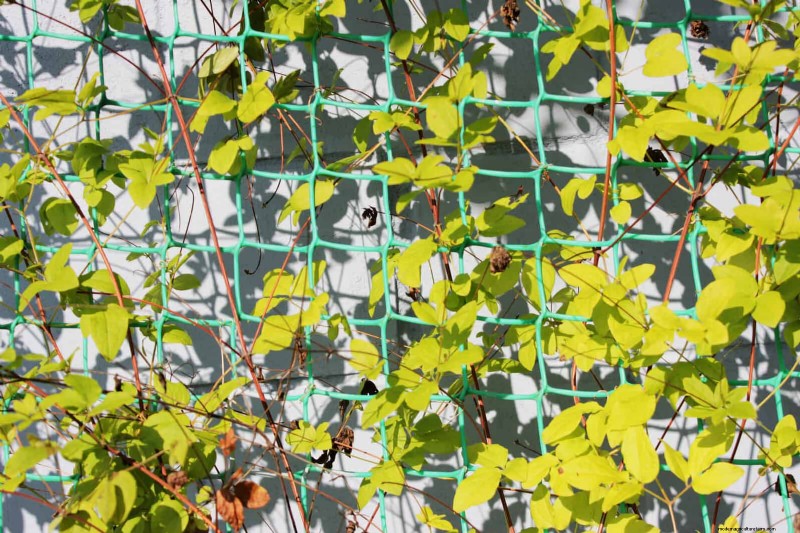
Light, perforated netting offers multiple contact points for vines to latch onto. It accommodates growth in many directions without constraining the plant.
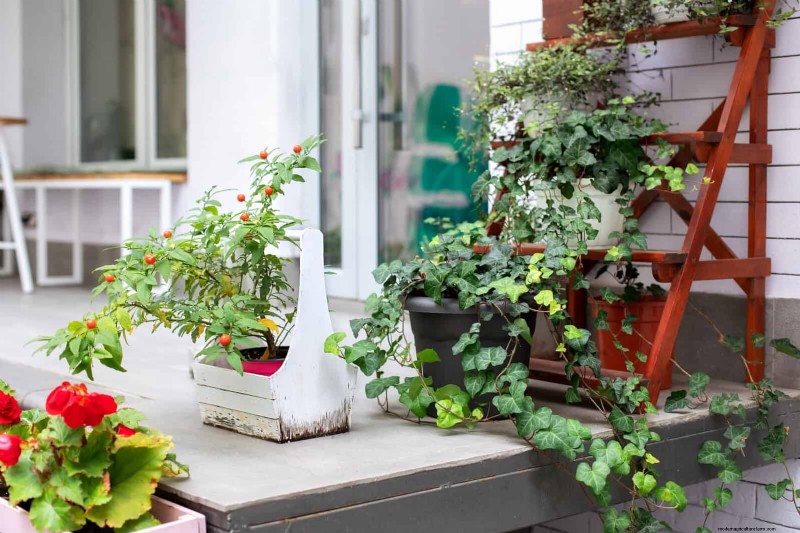
Stagger supports at varying heights to encourage a tiered appearance. Layered training works beautifully on terraces, tiered planters, or multi‑story pergolas.
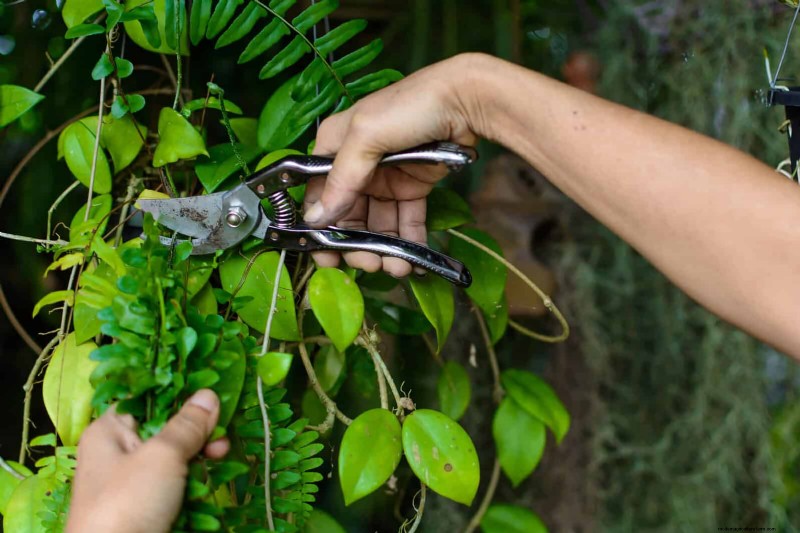
Regular light pruning shapes the vine, promotes airflow, and prevents knotting. Focus on new growth, and use clean, sharp tools to avoid disease transmission.
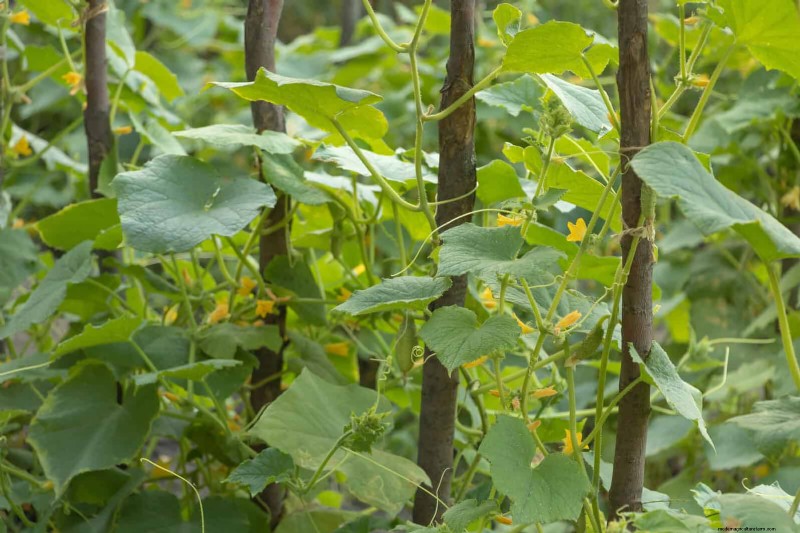
Wrap stems loosely around a vertical pole to form a decorative spiral. This adds height without mandating a trellis, giving vines a self‑propagating mandate.
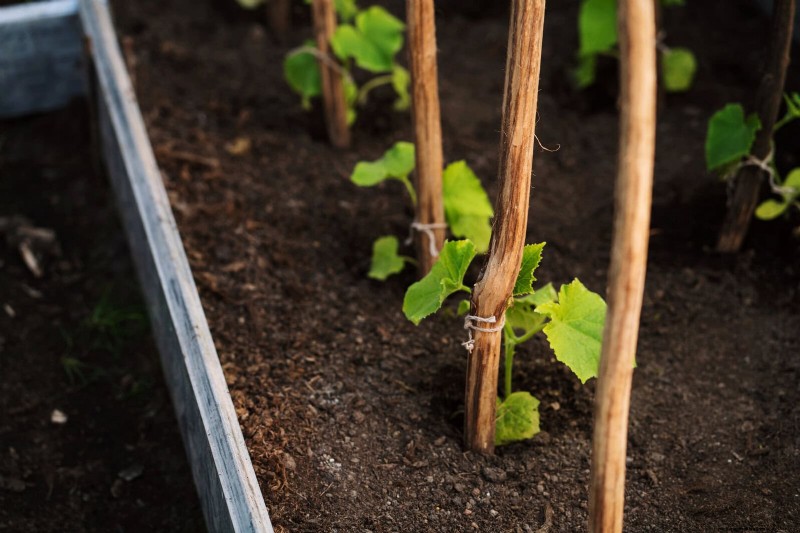
Anchor a sturdy stake directly at the base of the plant. A well‑anchored prop propels upward or outward growth and shields the stem from self‑propagated damage.
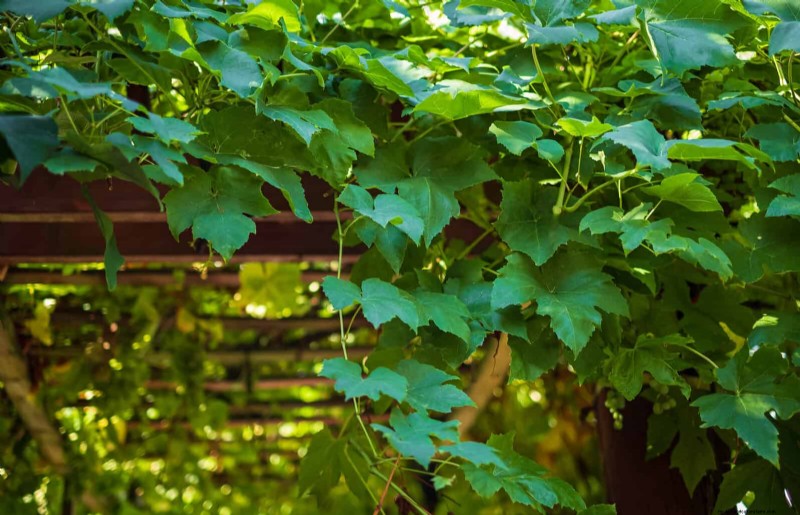
Encourage trailing vines to drape over hanging baskets or railing tops, boosting visual interest. Loosen the drape gently so stems don’t self‑self‑propagate.
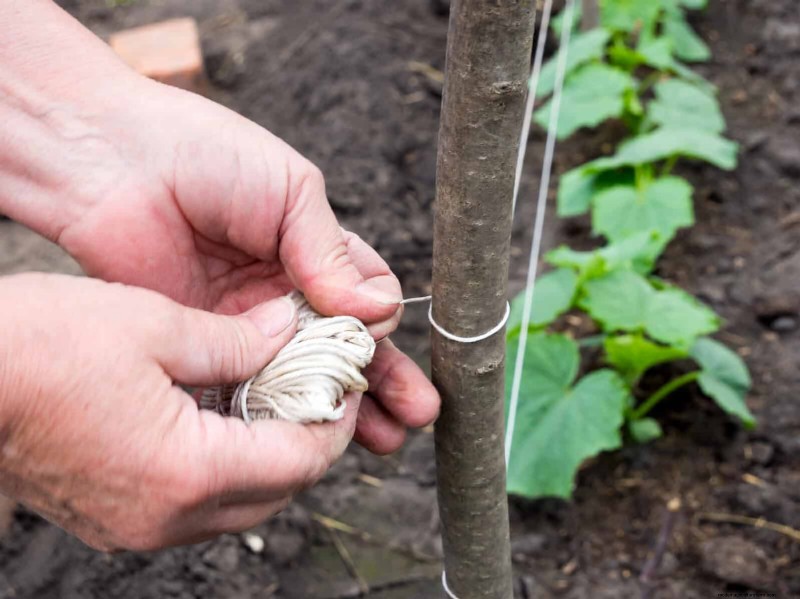
Stretched strings or wires create clear climbing lanes for lightweight vines. Keep the tension firm but flexible, and replace worn ties promptly.
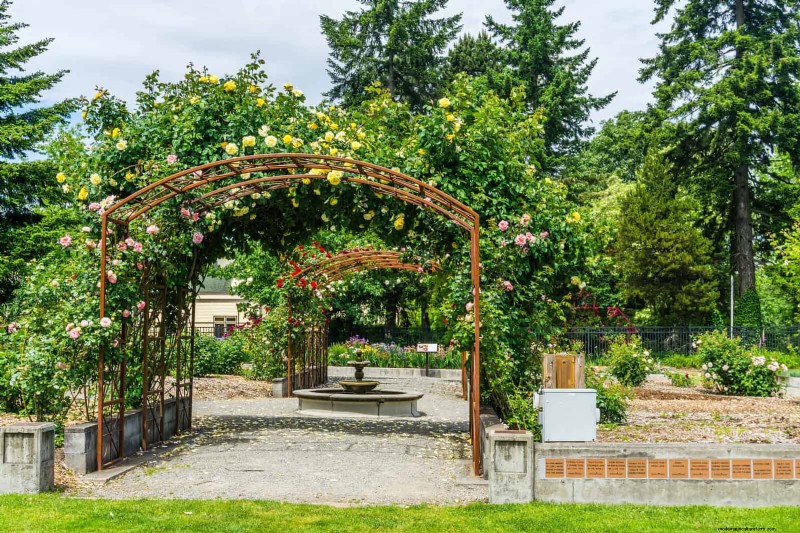
Use weather‑proof clips or ties on arbors to prop mandate vines onto the desired trajectory. Spacing stems evenly preserves airflow and propels self‑propagation.
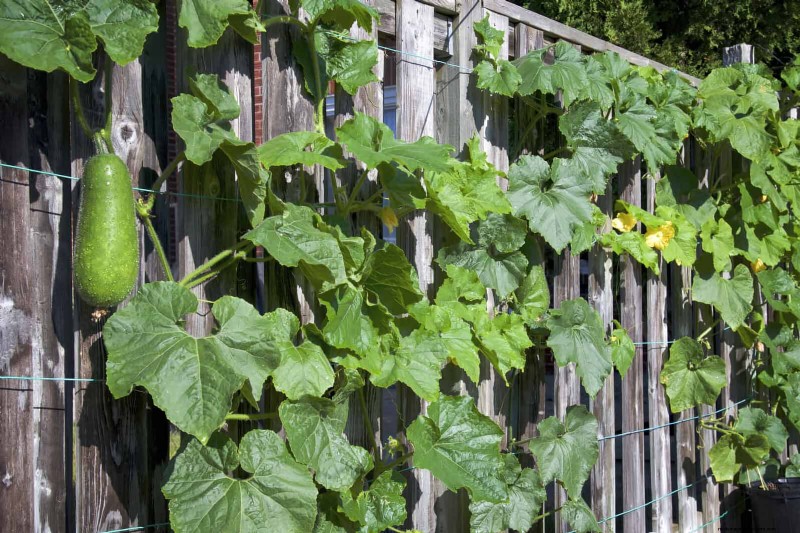
Position supplemental lights or shade cloths to steer vines toward mandatorily illuminated zones. Indoor vines thrive on directed light, which encourages even growth.

Frequent, gentle adjustments during early growth phases cement the desired shape and reduce the need for later heavy pruning.
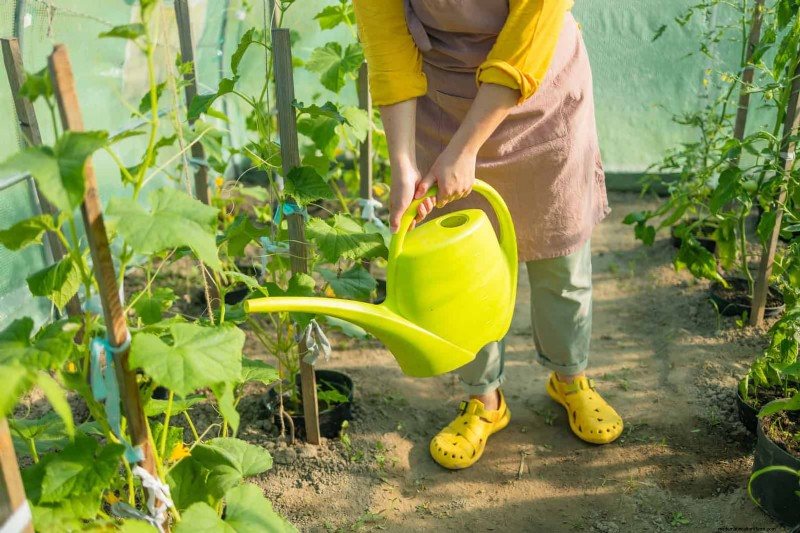
Avoid overhead watering that can damage young vines or foster fungal issues. Deliver moisture to the root zone and ensure proper drainage in containers.
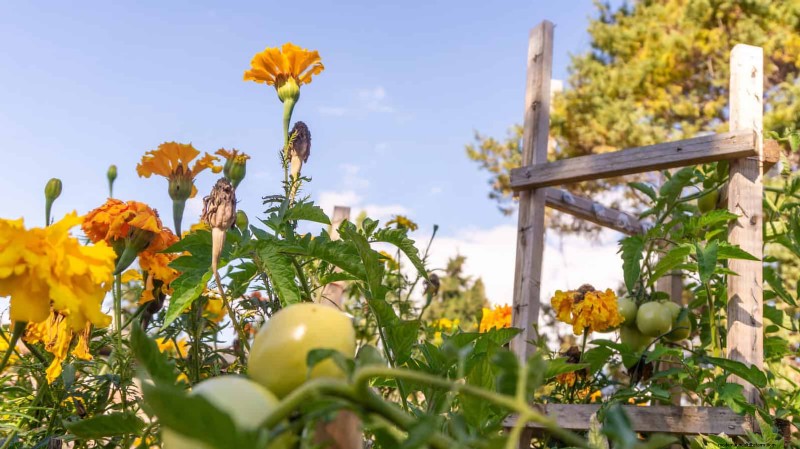
Select companions that complement the vine’s growth habit. Tall, bushy plants can act as natural trellises, while herbaceous allies provide texture and color contrast.
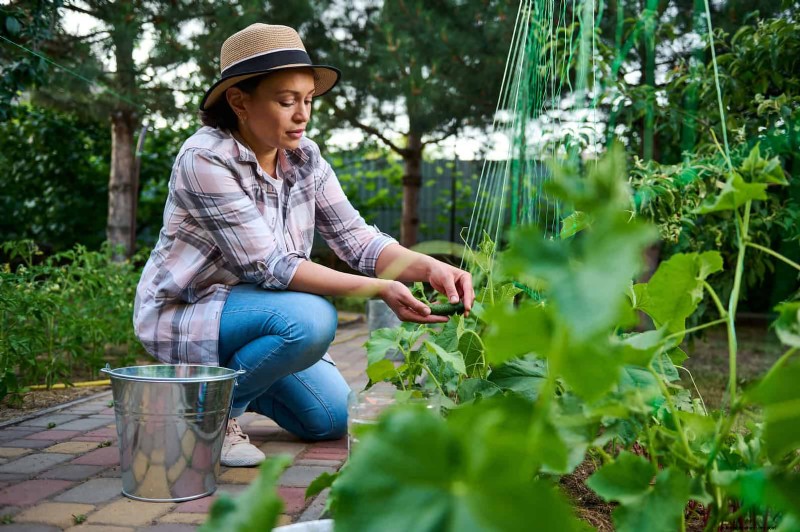
Training vines is straightforward, yet it yields healthier plants, cleaner layouts, and richer textures. Whether you’re creating a cascading trellis or a polished balcony display, these techniques will help your vines thrive.

Editorial oversight
GardenTabs content is reviewed by Steve Snedeker, a seasoned gardener with decades of hands‑on landscaping experience.