Welcome to Modern Agriculture!

Is your garden soil feeling rock‑hard and unyielding? You’re not alone. Soil compaction and hardness are common setbacks that can stunt growth, reduce nutrient uptake, and make gardening a chore.
In this guide, we break down the science behind soil texture and pH, pinpoint the root causes of hardening, and offer proven, actionable remedies that will restore a light, airy foundation for your plants.
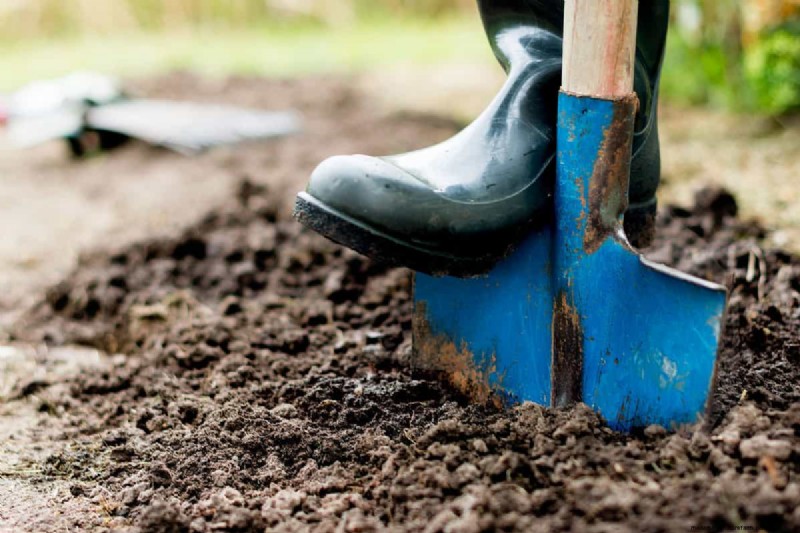
Soil texture—the mix of sand, silt, and clay—determines how well water, air, and nutrients move through the ground. A balanced loam (roughly equal parts of each particle) is ideal for most gardens, but many soils deviate from this sweet spot.
Use a simple jar test to gauge your soil’s composition. The resulting percentages will guide targeted amendments.
Large, coarse grains that improve drainage and aeration.
Medium‑sized particles that give soil a silky feel and hold moisture.
Fine grains that lock water and nutrients—but in excess, they create dense, hard layers.
Bookmark this guide and unlock today’s exclusive gardening deals.
Most garden plants thrive at a pH between 6.0 and 7.5, where nutrients are most available. Acid‑tolerant species like blueberries or azaleas may require a pH as low as 4.5.
Read more here: Why Soil pH Matters: Ensuring Your Garden’s Health and Success
Alkaline or overly acidic soils can lock up nutrients and contribute to hard, compacted beds.
When soil particles press together, pore space shrinks, limiting root expansion and water movement.
Typical culprits: foot traffic, heavy equipment, and working wet soil.
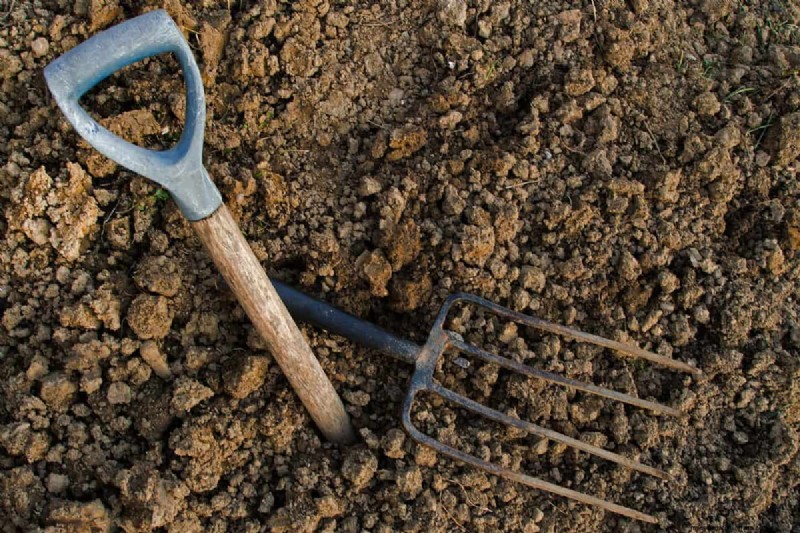
Solution: aerate with a garden fork, install raised beds or defined pathways, and avoid disturbing wet beds.
Healthy soil is rich in decomposed organic material, which fosters microbial life and improves structure.
Without organic matter, soil becomes dense and root‑impenetrable.
Add 2–4 inches of compost, aged manure, or leaf mold each season. Mulch on the surface to lock in moisture and release nutrients slowly.
Overwatering compacts soil; underwatering dries it out, making it hard.
Water deeply but less frequently, allowing the soil to dry between sessions. Drip irrigation or soaker hoses deliver water directly to roots, minimizing evaporation.
When soil particles coat with organic matter, they repel water, creating air pockets and hard, dry patches.
Remedy: submerge the affected area in water for several hours to rehydrate, then incorporate organic matter to prevent recurrence.
Follow these evidence‑based practices to keep soil light and productive:
Regularly top‑dress with compost, manure, or leaf mold to sustain a porous structure.
Seed cover crops in fall; till them into the soil after 3–4 weeks before spring planting to build organic content and reduce erosion.
Mark paths, use garden beds, and avoid working wet soil to protect structure.
Deep, infrequent watering encourages deep roots and prevents surface compaction.
Track pH, nutrients, and texture. Testing is especially critical when starting a new garden or if past amendments are unknown.
Hard, compacted soil restricts root penetration, leading to shallow roots, diminished water and nutrient uptake, stunted growth, and heightened vulnerability to pests and disease.
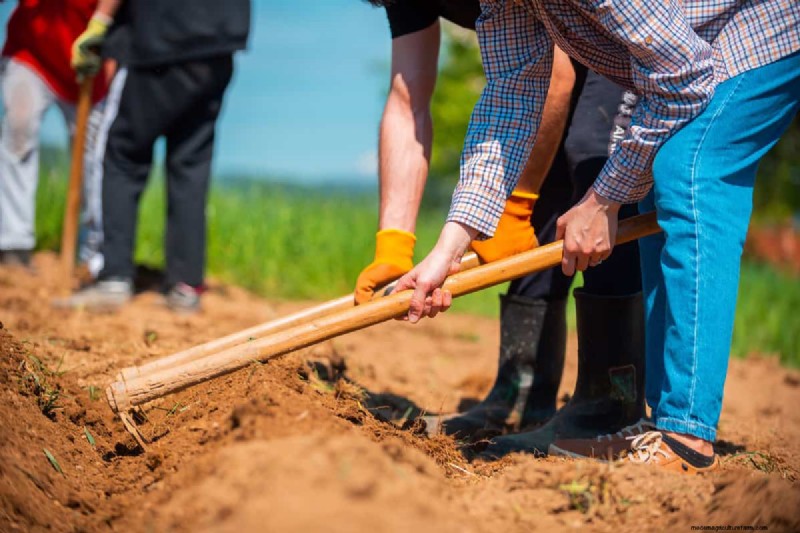
By integrating organic matter, practicing proper watering, and guarding against compaction, you’ll create a vibrant, resilient garden that yields healthy, vigorous plants.
For more soil‑boosting insights, explore these related articles:
Written by
Shane Desuasido
Shane is a seasoned content creator with a decade of experience in gardening and technical writing. Her e‑commerce and social media background informs engaging, data‑driven posts, while her advocacy for animal welfare and sustainability shines through every piece.
Meet the GardenTabs team →

Editorial oversight by Steve Snedeker, a veteran gardener with decades of hands‑on landscaping expertise.