
Welcome to Modern Agriculture!

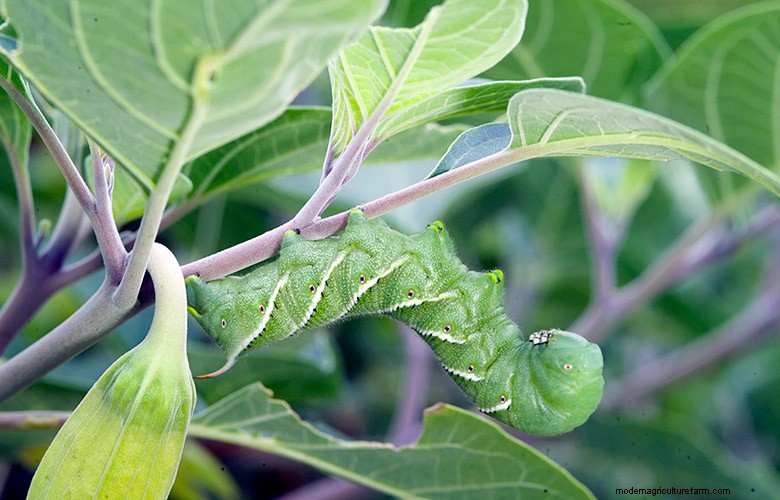
Squirm at the mention of anything that creeps or crawls? Insects can cause a lot of damage to your plants, and, without proper controls, weaken their health to the point of no return. But while some bugs need to be kept in check, there are others that are huge garden helpers. For instance, did you know that there is a natural predator for the leaf-chewing tomato hornworm above? The beneficial insects here eat damaging insects, keeping them out of your garden. And remember to go easy on chemical insecticides. They may treat the insect pests you have, but they’ll wipe out the hard workers, too.
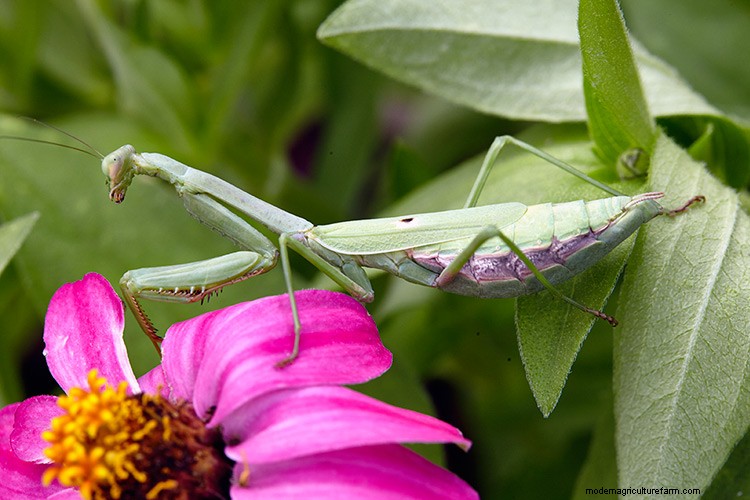
These menacing-looking insects have elongated, folding forelegs that catch and hold prey. Most are pale green when they hatch, turning shades of richer green or brown depending on their environment and the kinds of foods they eat.
Around leaves, twigs, flowers or any garden area where other insects can be found
These insects thrive in almost every climate, but you can control exactly where they wind up in the garden by ordering egg cases from a specialty company, like www.planetnatural.com.
See our articles on How To Deal With Garden Pests
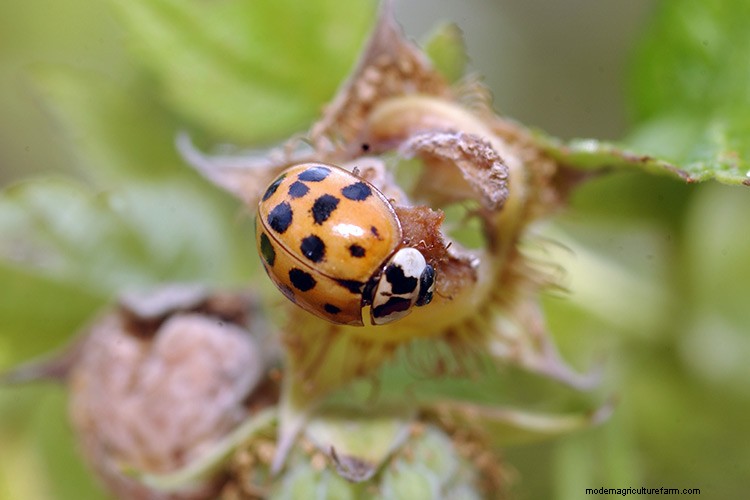
Also known as a ladybug, the multicolored Asian lady beetle is best identified from other species by the distinctive “M” marking on the back of its head. Color varies, from green to orange, as well as the number of spots on its back.
Leaves, stems or anywhere there’s prey.
Soft-bodied insect pests that attack flowers and vegetables, such as: - Aphids - Thrips - Mealybugs - Mites
Plant tansy (Tanacetum vulgare), angelica (Angelica archangelica) and scented geraniums (Pelargonium spp.).
Keep an eye out for these 7 common garden pests
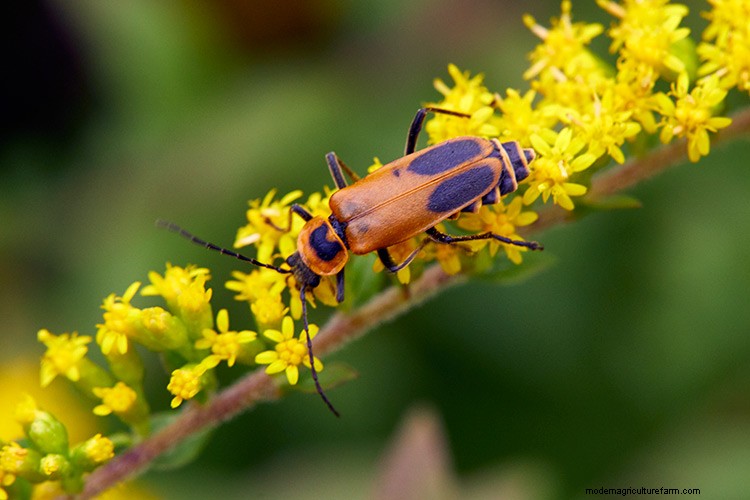
The adult soldier beetle is ½ to ⅔ in. long and orange or yellow with one black triangular and one black rectangular marking on its back. Often seen feeding on yellow flowers in late summer, the female crawls down and lays eggs under debris on the ground. Hatching larvae feed on insect pests on the soil’s surface.
Feeding on the pollen of many yellow late-season blooms.
Both adults and larvae are abundant in many areas; grow goldenrod (Solidago spp.) as a source of nectar and pollen.
Have you checked out our garden plans?
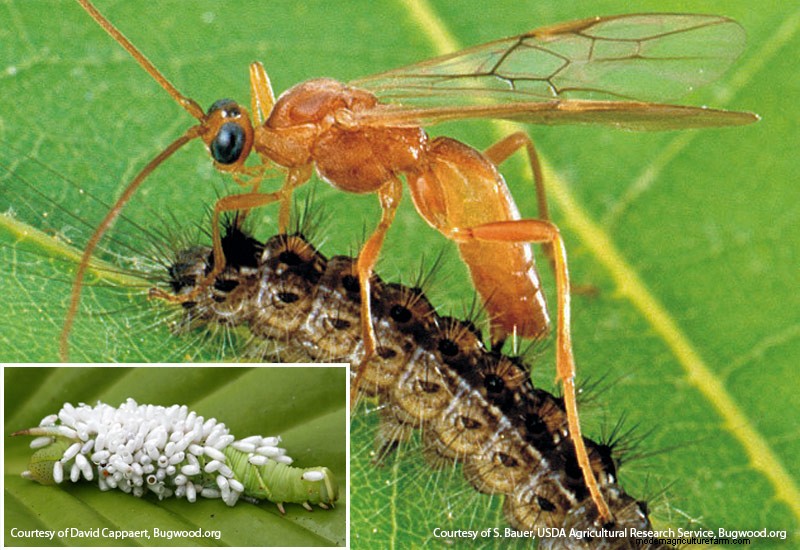
Usually black, orange or yellow, there are lots of species of braconid wasps, but they all have a similar life cycle. First, the adult female wasp lays her eggs in a caterpillar. The one above is a gypsy moth caterpillar. Then the caterpillar body provides nutrients to the cocoons as they grow. Have you ever seen a caterpillar with a lot of white bumps on it? Those are braconid wasp cocoons. A little gross, but a little cool too, right?
You’ll rarely see the young because they grow inside their hosts, but adults are present wherever insect pests are.
Plant cosmos (Cosmos spp. and hybrids), fennel (Foeniculum vulgare), lemon balm (Melissa officinalis), parsley (Petroselinum crispum), crocus (Crocus spp. and hybrids) or sweet alyssum (Lobularia maritima).
See our Flower & Plant Guide articles
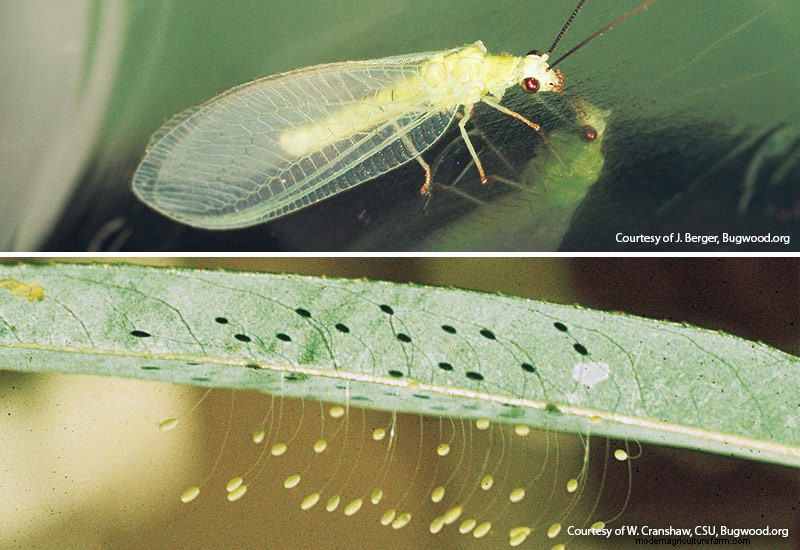
The ¾-in.-long female adult lays pale-green to gray eggs at the ends of the hair-thin stalks, like the ones in the photo above. Once they hatch, tiny 1 ⁄3-in. yellow to pink-brown larvae (known as “aphid lions” for their voracious appetites) inject a paralyzing toxin into their victims before sucking out bodily fl uids.
Adults feed on nectar or pollen or where there are insect pests in range.
Larvae eat the eggs and immature stages of: - Aphids - Thrips - Leafhoppers - Mealybugs - Moths - Spider mites - Whiteflies
Plant angelica (Angelica archangelica), cilantro (Coriandrum sativum) or dill (Anethum graveolens) to feed adult lacewings.


