
Welcome to Modern Agriculture!

For those who want to make their plot more environmentally friendly, wildlife ponds are a must. In fact, they're one of the best features you can add to give visiting critters a helping hand, even if you opt for just a tiny design.
Whilst all garden ponds are valuable for wildlife to some degree, there are things you can do to make them as welcoming as possible. After all, it's lovely to have more life in your garden – who doesn't like watching visiting birds, dragonflies, and perhaps a frog or two going about their merry way? But, it's not just about making your outdoor space a more joyful place to be (although that is, of course, important too). In the grander scheme of things, wildlife ponds play a critical role in helping to mitigate the decline of natural habitats.
As The Wildlife Trusts (opens in new tab) explains, the UK has lost ponds, rivers and streams at a rapid rate and now, only a small amount of natural ponds and wetlands remain. 'Many of these are in poor condition and 13% of freshwater and wetland species are threatened with extinction from Great Britain.'
'The loss of these important places – to development, drainage and intensive farming – is linked to a huge decline in wildlife, including frogs and toads, water voles and insects,' they continue. And it's not just in the UK – habitats are being destroyed all over the world.
If as many people as possible create a wildlife habitat in their own outdoor space, there's a greater chance of protecting local species. And as you'll soon see from this guide, it's not tricky or expensive to do. So, why not make it your next DIY project?
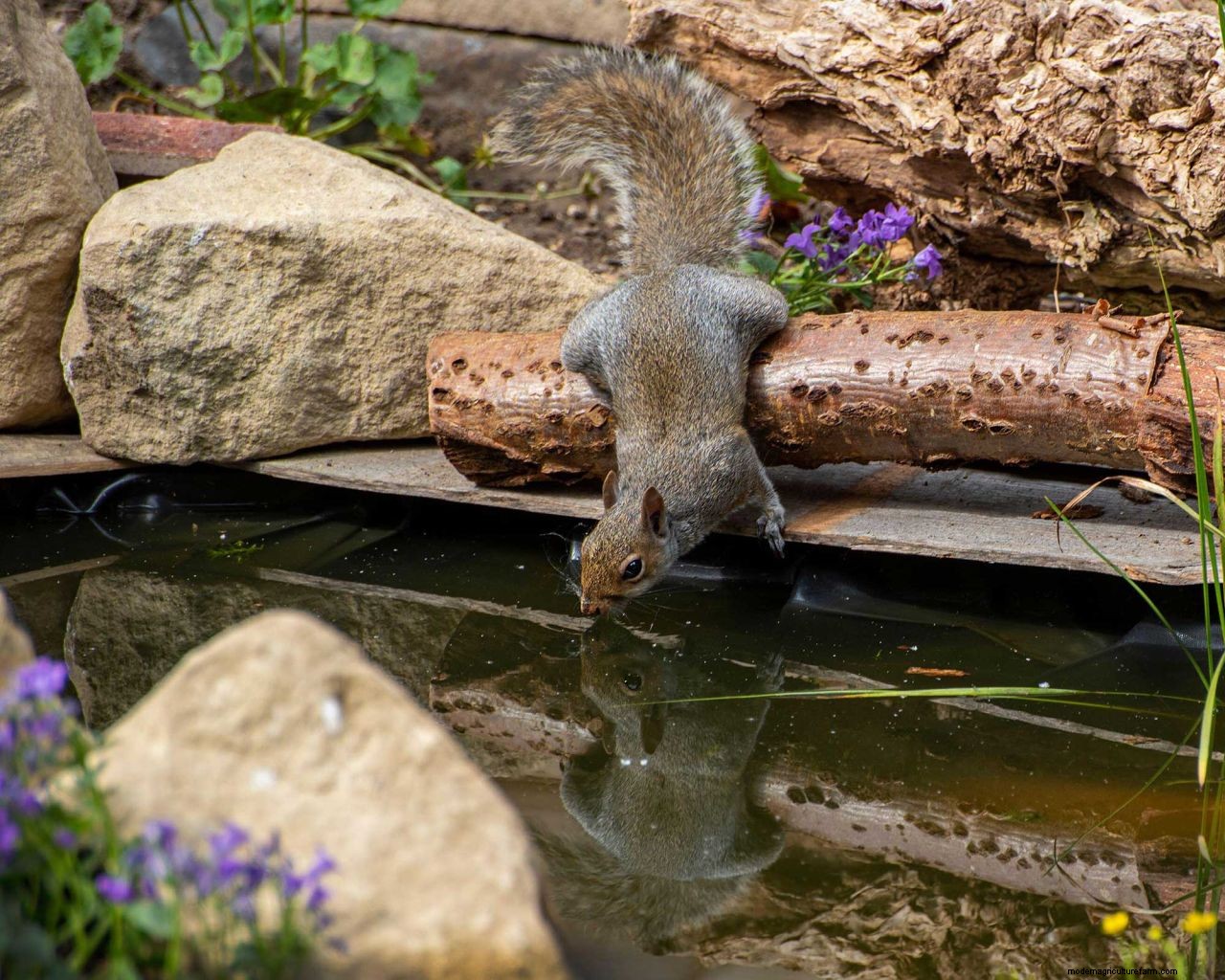
We've bought together everything you need to know to start building your own nature-friendly pond. From a simple step-by-step guide to tips on where to place it and which plants to choose, you'll be ready to welcome in wildlife in no time.
Wildlife ponds are one of the easiest garden features to make. The experts give their advice on how to do it:
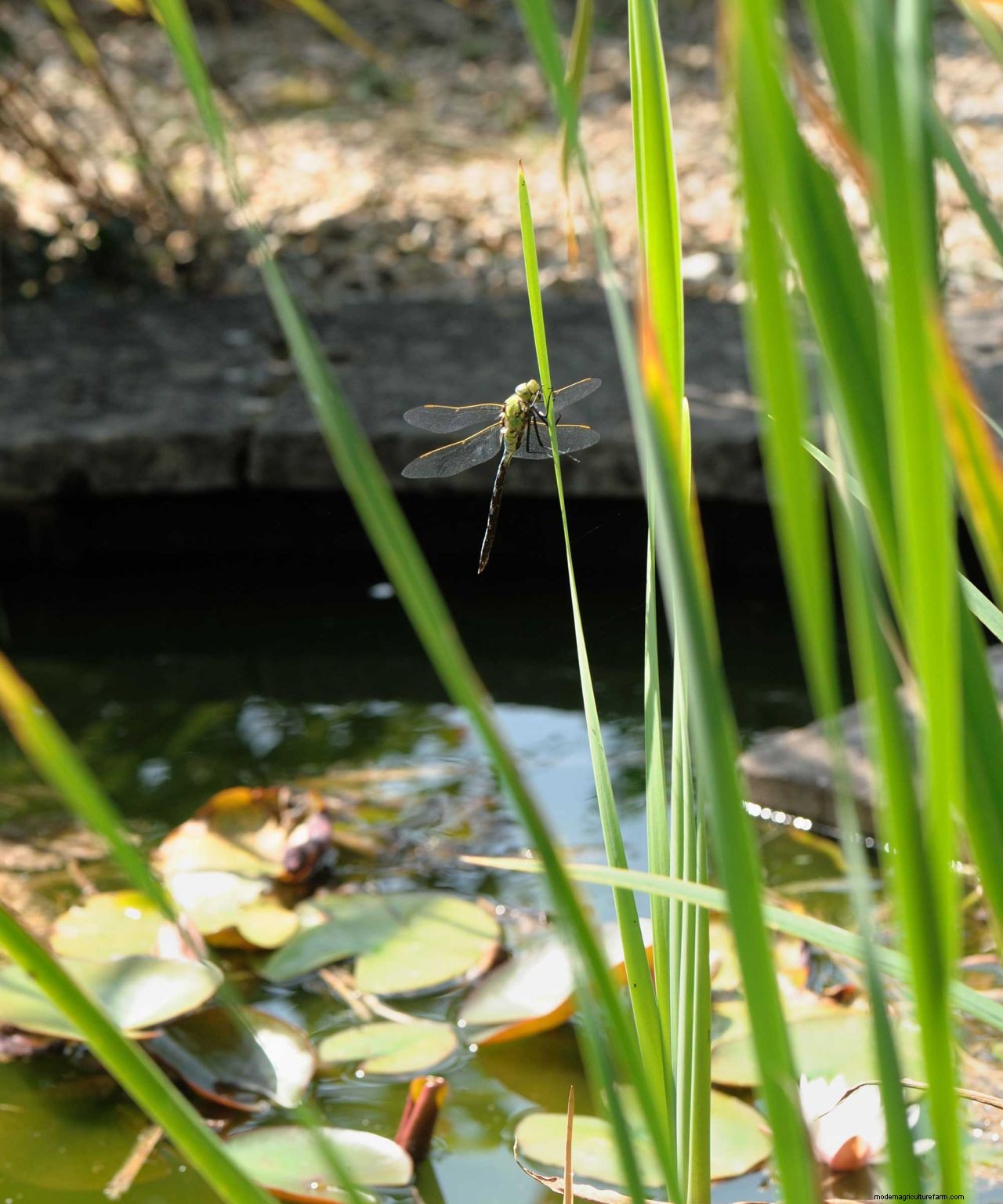
Our small garden pond ideas demonstrate how you don't need acres of space to introduce a water feature, and wildlife ponds are just the same. 'Ponds can be as big or as small as you like – even a bucket placed in the ground can be a home for wildlife!' says Adrian Thomas, the RSPB's wildlife gardening expert.
'However, the bigger the pond the more wildlife it will attract, and it's always good to have multiple levels in the pond if possible as it allows a wider range of wildlife to find their niche.
'In terms of depth, aim for 60cm [23.5in] in the middle of a larger garden pond, but shallows are good for pondlife. Ensure that you have a gently sloping "beach" or ramp for animals to find their way in – and out.'
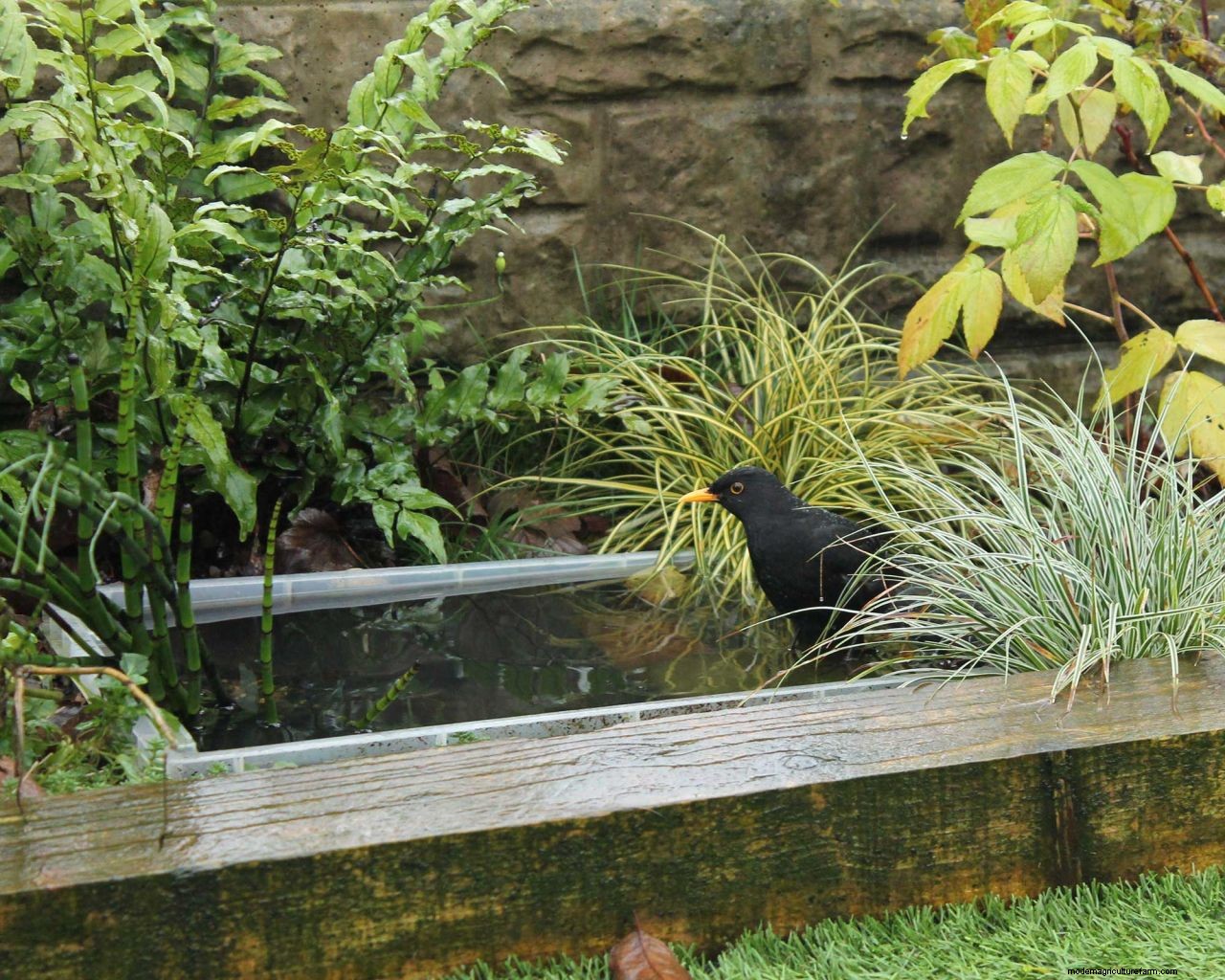
Pond ideas with waterfalls and fountains are often contemplated for their soothing and sensory qualities. However, if you're looking to make your pond as nature-friendly as possible, you might wish to reconsider, due to the pump that they use.
'Some people use pumps as a way to aerate pond water and keep the pond healthy, but in a well-functioning pond the aquatic plants and minibeasts should do that job for you,' says Adrian Thomas of the RSPB. 'Pumps can also pose a danger to wildlife, especially all the small creatures that can get sucked into the pump.
'If you are finding that your pond is getting a bit stagnant, or that algae is a problem, make sure you fish out any leaves that fall into the water,' and 'only top the pond up with rainwater (as tap water can contain nutrients),' he says.
You'll also want to find the right balance of pondweed, which helps to keep a pond clear. 'Either add extra pondweed if your pond has very little, or gently reduce the amount of weed if the pond is clogged, leaving it on the pond edge for a day or so for any pondlife to crawl back in.'
You can find more tips on how to clean a pond in our guide.
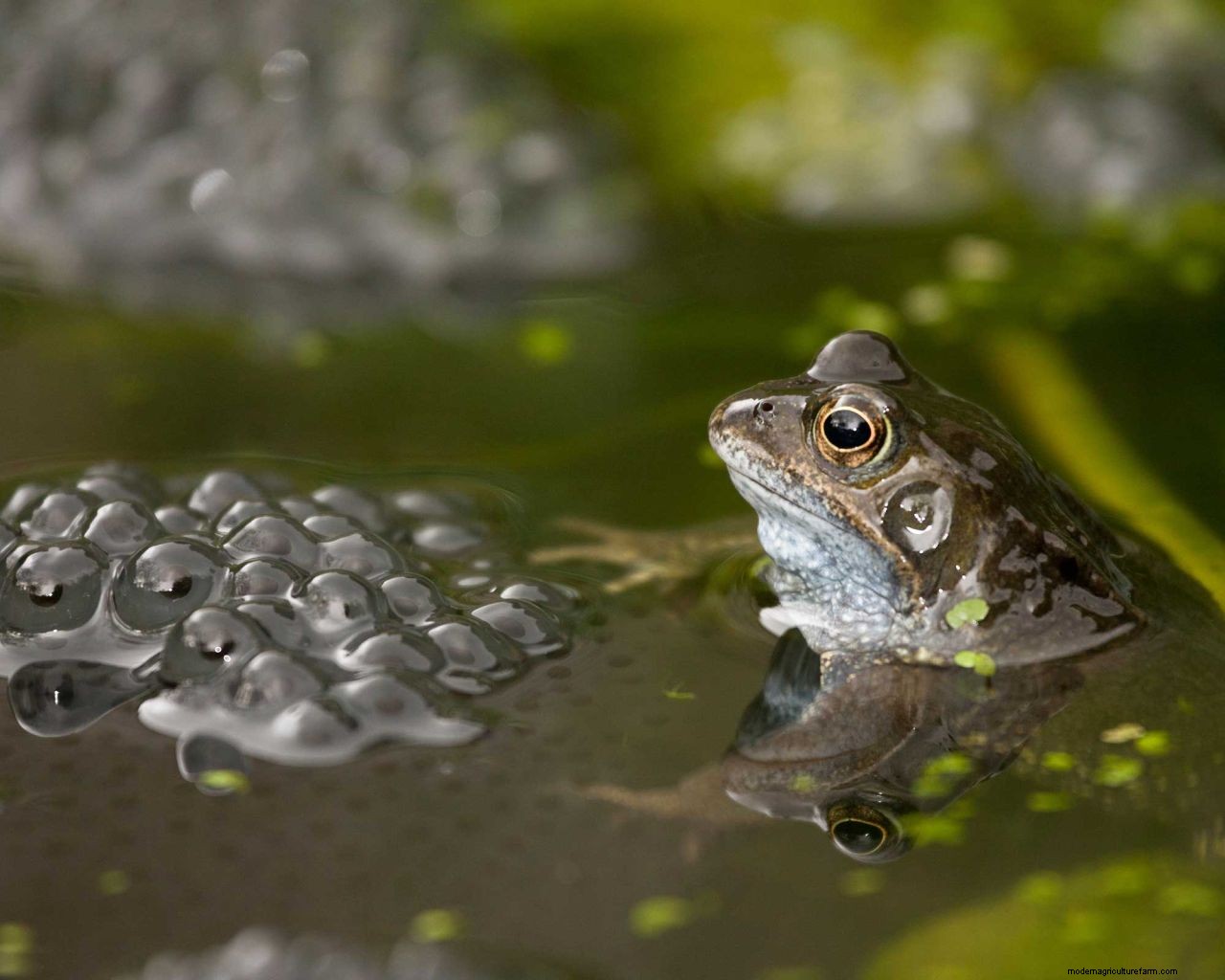
'Ponds do best in places that get sunshine for at least part of the day,' says Adrian Thomas. However, bear in mind that lots of sun can speed up algae growth, so it's best to find a spot that gets a bit of shade, too.
'Place them away from overhanging trees as too many leaves falling in can cause problems when they rot (though you can also just fish them out regularly as well),' continues Adrian.
'It's also a great idea to place it within view of your windows – that way you can enjoy your pond and the wildlife it’s attracting throughout the day. And, always think about safety – if young children may access the pond, put a little fence around it until they are a bit older.'
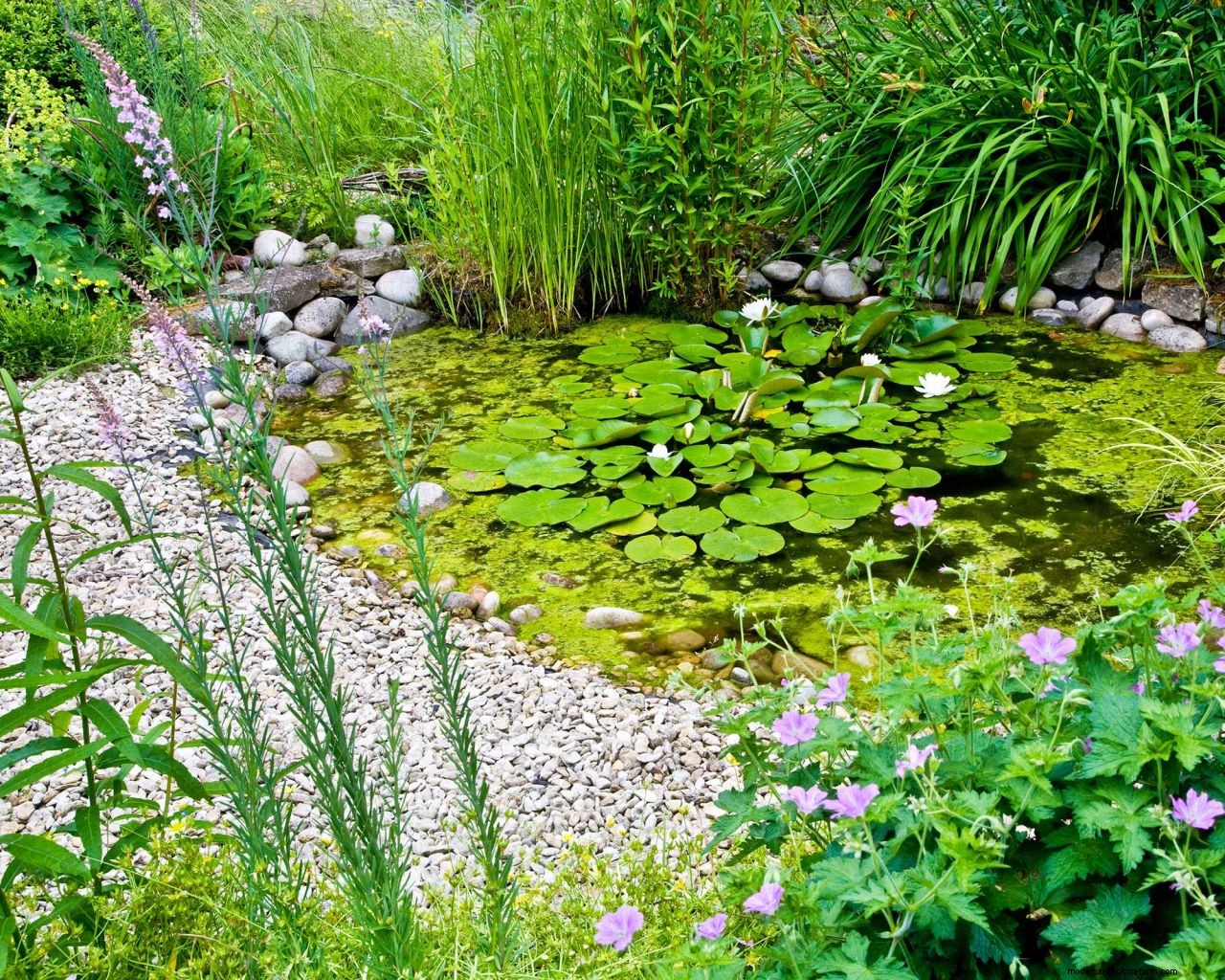
'Submerged pondweed is vital to help the pond stay clear,' advises the RSPB. 'And always use native plants in ponds,' they add. Rigid hornwort and whorled water-milfoil are recommended for the UK. 'You can buy these from garden centers or specialist pond suppliers.
'It's a great idea to include native marginal plants around the edge, poking clear of the surface to give perches and cover to wildlife.' Just be very careful to only use varieties that won't grow too large for the space, they add. 'Try plants such as water forget-me-not, lesser spearwort and marsh marigold.'
Floating plants are also valuable additions, as they offer somewhere for birds and insects to rest. The large leaves of water lilies also provide shelter for frogs, whilst the blooms provide nectar for pollinators.
There are lots more of the best pond plants in our guide.
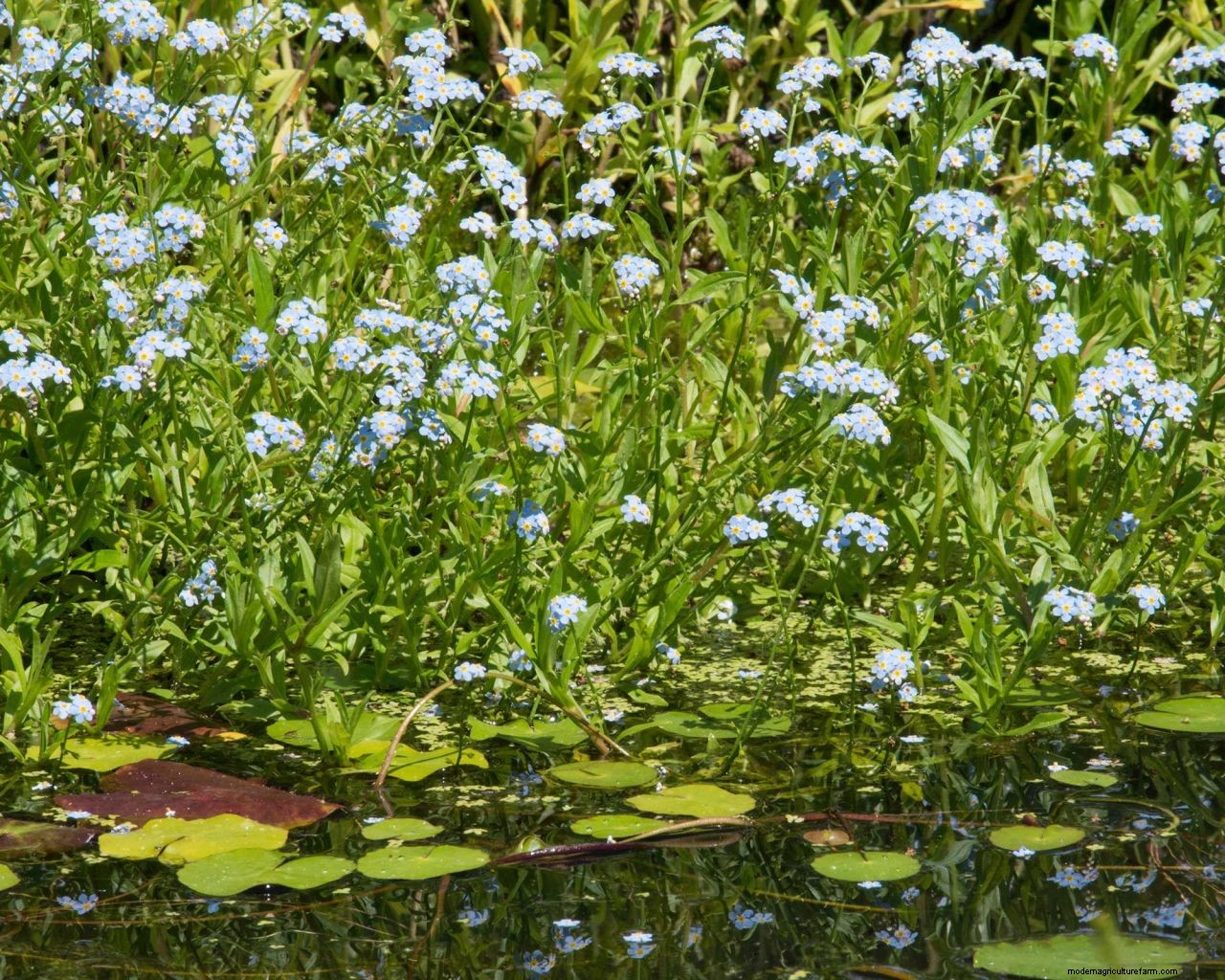
Another great thing about wildlife ponds is they're super simple to look after – in fact they pretty much look after themselves – so are ideal if you're a fan of low maintenance garden ideas. However, there are a few jobs you can do to keep them at their best throughout the seasons, as the RSPB and the RHS (opens in new tab) explain:
Don't forget, there are lots more ways you can help out nature. Our guide to wildlife garden ideas is full of inspiration.


