
Welcome to Modern Agriculture!

Are you looking for a way to create an appealing and practical garden? Have you ever considered incorporating edible perennials into your landscape design? Edible perennials offer an excellent option to plant in your garden if you want to enjoy the beauty of your garden while producing food at the same time. In this article, we will provide a comprehensive guide to help you understand, plan, plant, care for, and harvest your edible perennials and make good use of them.
Before we dive into integrating edible perennials to your landscape, it’s important to understand what they are, their benefits, and popular edible perennials you can grow.
Edible perennials are perennial plants that produce edible fruits, vegetables, or herbs year after year without replanting. Unlike annuals, which complete their lifecycle within a single year, perennials persist for many years, and they continue to grow and produce as long as they are taken care of properly. Edible perennials come in a wide range of varieties suitable for different climate zones and soil types.
One of the most popular edible perennials is the rhubarb. Rhubarb is a vegetable that is often used in desserts, such as pies and crumbles. It is a hardy plant that can survive in almost any climate, making it a great choice for those who live in colder regions. Rhubarb plants can grow up to 3 feet tall and produce large, bright red stalks that can be harvested in the spring and early summer.
The benefits of incorporating edible perennials into your garden design are numerous. Not only do they produce food, but they can also serve as ornamental plants to brighten up your landscape. Edible perennials are a sustainable and low-maintenance alternative to annual crops as they save time, money, and effort spent on planting new crops every year. They are also safer to grow than annuals because they are less prone to pests and diseases, and they improve soil quality and structure.
Another popular edible perennial is asparagus. Asparagus is a vegetable that is often used in salads, soups, and stir-fries. It is a hardy plant that can survive in most climates, although it prefers cooler temperatures. Asparagus plants can grow up to 5 feet tall and produce tender, green spears that can be harvested in the spring and early summer.
There is a wide range of edible perennials you can grow in your garden. Here are some popular options to consider:
Artichokes are another great edible perennial to consider. Artichokes are a vegetable that is often used in dips and salads. They are a hardy plant that can survive in most climates, although they prefer mild temperatures. Artichoke plants can grow up to 6 feet tall and produce large, green flower buds that can be harvested in the summer.
Blueberries are a delicious fruit that are often used in desserts, such as pies and muffins. They are a hardy plant that can survive in most climates, although they prefer acidic soil. Blueberry bushes can grow up to 6 feet tall and produce clusters of sweet, juicy berries that can be harvested in the summer.
Strawberries are another popular fruit that are often used in desserts and smoothies. They are a hardy plant that can survive in most climates, although they prefer cooler temperatures. Strawberry plants can grow up to 1 foot tall and produce sweet, juicy berries that can be harvested throughout the summer.
Grapes are a delicious fruit that are often used in wine-making. They are a hardy plant that can survive in most climates, although they prefer warm temperatures. Grape vines can grow up to 30 feet long and produce clusters of sweet, juicy grapes that can be harvested in the fall.
Raspberries are a sweet fruit that are often used in jams and desserts. They are a hardy plant that can survive in most climates, although they prefer cooler temperatures. Raspberry bushes can grow up to 6 feet tall and produce clusters of sweet, juicy berries that can be harvested in the summer.
These are just a few examples, and there are many more edible perennials to choose from. Before deciding on which edible perennials to plant in your garden, it’s important to assess your space and climate. With proper care and maintenance, edible perennials can provide a sustainable source of food and beauty for years to come.
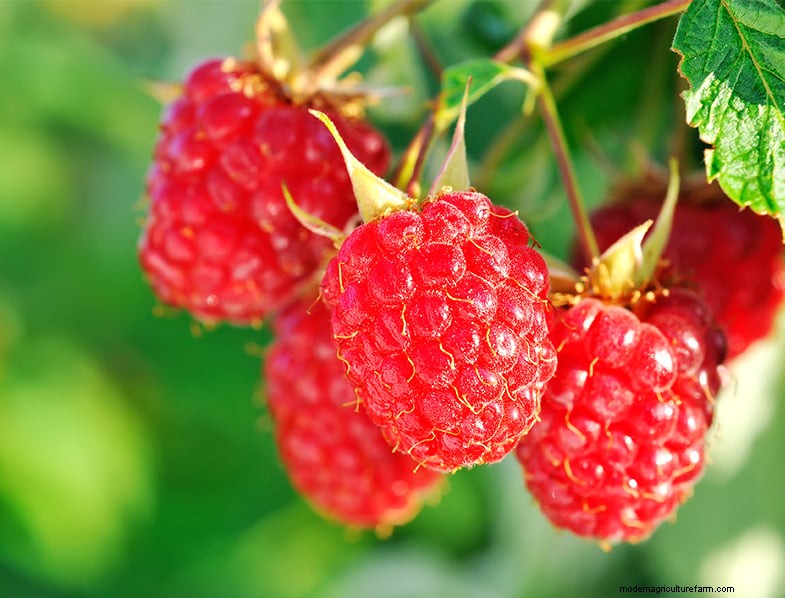 Raspberries
Now that you have an idea of the edible perennials you can grow, it’s time to plan your landscape design. With the right planning, you can create a beautiful and productive garden that provides fresh, nutritious food for you and your family.
The first step in planning your edible landscape design is to assess your space and climate. Consider the amount of space available, the soil quality and type, sun exposure, water availability, and climate zone. This will help you choose which plants will grow best in your garden and which ones you should avoid.
It’s important to note that different plants thrive in different climates. For example, if you live in a hot and dry climate, you may want to consider planting drought-resistant plants such as cacti or succulents. On the other hand, if you live in a cooler climate, you may want to consider planting cold-hardy plants such as kale or spinach.
Consult with local nurseries or a horticulturist to make informed decisions about what will work well in your climate and soil type. They can also provide you with valuable information about the best time to plant and how to care for your plants.
After evaluating your space and climate, it’s time to choose the right edible perennials for your garden. There are many different types of edible perennials to choose from, including fruit trees, berry bushes, and herbs.
Consider the flavor, nutritional value, texture, and beauty of each plant. You should also think about the purpose you want them to serve in your landscape. For example, some plants may be better suited to serving as border plants, while others work well as ground cover.
When choosing your plants, it’s important to consider how much maintenance they will require. Some plants, such as strawberries, require regular pruning and care, while others, such as rhubarb, require very little maintenance.
Integrating edible perennials with ornamental plants is an excellent way to make your garden both beautiful and productive. Mix your edible perennials with colorful flowers, shrubs, and trees to create an attractive and functional landscape that looks great all year-round.
When planning your garden, consider the height and width of each plant. This will help you create a visually appealing design that is also practical. For example, you may want to plant taller fruit trees at the back of your garden and shorter herbs and vegetables at the front.
Remember, your edible landscape design should be both functional and beautiful. With the right planning and care, you can create a garden that provides fresh, nutritious food for you and your family while also enhancing the beauty of your outdoor space.
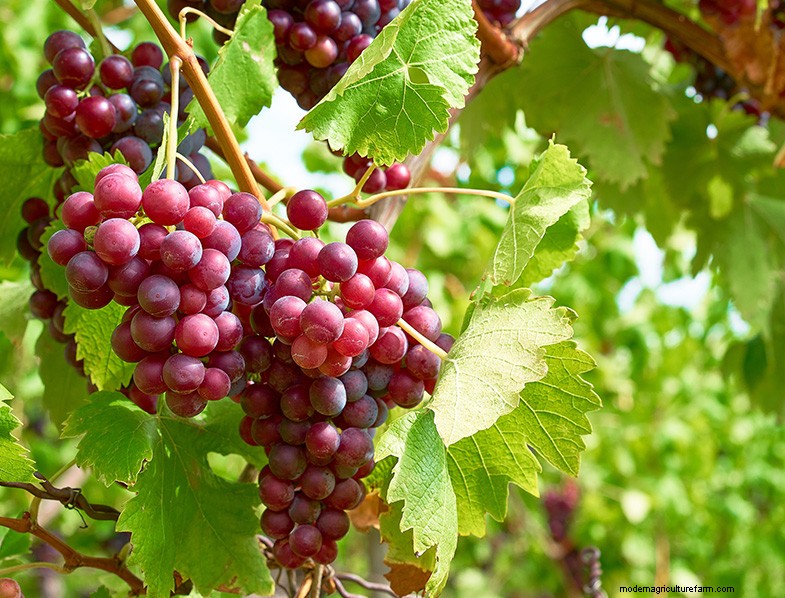 Grapes
Before planting your perennials, it’s important to choose a suitable location. Most edible perennials prefer full sun, but some can tolerate partial shade. Consider the mature size of the plant and ensure that it will have enough space to grow without being shaded by other plants.
Once you have chosen the location, prepare the soil by removing weeds and adding compost or other organic matter to improve soil quality. This will help to provide your plants with the necessary nutrients to grow and produce a bountiful harvest.
When planting your perennials, make sure to dig a hole that is deep enough to accommodate the root ball. The top of the root ball should be level with the soil surface. Give each plant enough space to grow without crowding each other. This will help to prevent competition for nutrients and water.
After planting, mulch around the plants to retain soil moisture and suppress weeds. This will help to conserve water and reduce the need for frequent watering.
Edible perennials do not require frequent watering and fertilization like annuals, but they need consistent moisture and nutrients to thrive. Water your perennials deeply to encourage deep root growth, rather than frequent shallow watering. This will help to ensure that the roots have access to water during dry spells.
Similarly, feeding them compost or an all-purpose fertilizer once a year is usually sufficient. This will help to provide your plants with the necessary nutrients to grow and produce a bountiful harvest. Avoid using chemical fertilizers and pesticides that can harm the soil and plants in the long term.
Pests and diseases can affect the health and productivity of your edible perennials. Monitor your plants regularly for signs of pests or disease, and take action as soon as possible to prevent or control them.
One natural method of pest control is companion planting. This involves planting certain plants together that have a beneficial effect on each other. For example, planting marigolds alongside your edible perennials can help to repel pests.
Crop rotation is another effective method of pest control. This involves rotating your crops from year to year to prevent the buildup of pests and diseases in the soil.
Cultural practices such as pruning and sanitation can also help to prevent infestations. Pruning can help to promote air circulation and reduce the risk of fungal diseases. Sanitation involves removing any diseased or infected plant material to prevent the spread of disease.
If necessary, use organic or non-toxic pesticides and fungicides to control major infestations. These can be effective in controlling pests and diseases without harming the environment or beneficial insects.
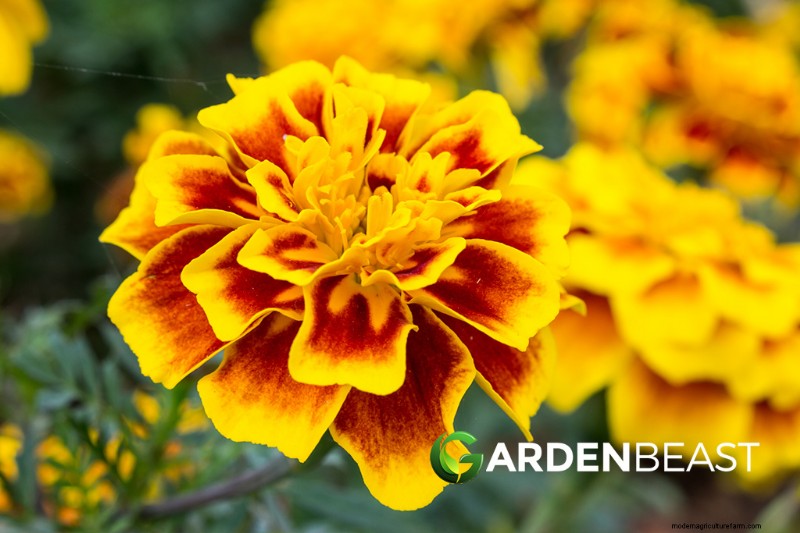 Marigold Guide: How to Grow & Care for “Tagetes”
Edible perennials are a great addition to any garden. They are low-maintenance, long-lasting, and provide a continuous supply of fresh produce year after year. However, harvesting and using edible perennials can be a bit tricky if you’re new to gardening. In this article, we’ll explore some tips and tricks to help you get the most out of your edible perennials.
Harvesting your edible perennials is a crucial step in getting the most from your garden. Knowing when to harvest your plants is essential to ensure that they are at their peak flavor and nutritional content. Most perennials produce abundant yields, allowing you to harvest regularly throughout the growing season.
When harvesting your perennials, it’s important to use appropriate tools to avoid damaging the plant. Use sharp pruning shears or scissors to cut stems cleanly, and avoid pulling or twisting the plant. Always check plant tags or gardening books to know the best time to harvest your plants. Some plants, like rhubarb, should be harvested early in the season, while others, like asparagus, should be left to grow for a few years before harvesting.
After harvesting your edible perennials, it’s important to store and preserve them properly to ensure their longevity. Proper storage can help extend the shelf life of your produce, allowing you to enjoy them even in the offseason.
Freezing is a great way to preserve your harvest. Blanch your produce first to help retain its color and texture, then place it in freezer bags or containers. Canning and pickling are other popular methods of preserving produce. Dehydrating is also an option, especially for herbs and fruits.
Alternatively, you can share your harvest with friends, family, and neighbors. Edible perennials often produce more than you can eat, so sharing is a great way to reduce waste and build community.
Cooking and enjoying your harvest is the last step in making good use of your edible perennials. There are various ways to prepare your plants depending on the flavor, texture, and nutritional content.
Some popular ways to cook edible perennials include roasting, grilling, sautéing, and baking. You can also use them in salads, soups, stews, and casseroles. Look for recipes that feature your harvest, and experiment with different preparation methods to discover what you like best.
Incorporating edible perennials into your landscape design is an excellent idea that can transform your garden into a productive, sustainable, and beautiful space. By understanding, planning, planting, caring for, and harvesting your perennials, you can enjoy the benefits of homegrown food while enhancing your landscape. With a little bit of effort and know-how, you can enjoy a bountiful harvest of delicious, nutritious produce year after year.
Yes, there are numerous types of edible perennials that can be grown in your garden. These include rhubarb, asparagus, artichokes, blueberries, strawberries, grapes, and raspberries among others.
Many food plants are perennials. Here are some examples:
Actually, there are more than two perennial vegetables. Some examples of perennial vegetables include asparagus, artichokes, and rhubarb. These vegetables grow back each year without the need to replant.
Various types of vegetables are perennials. These include but are not limited to asparagus, artichokes, rhubarb, and certain types of onions (like Egyptian onions). Some varieties of tomatoes, potatoes, and peppers can also be grown as perennials in certain climates.
Tomatoes are typically grown as annuals, which means they complete their life cycle in one year. However, they are technically a tender perennial, which means they can live for more than two years in conditions free of frost. In tropical climates, tomatoes can indeed be grown as perennials.
Zucchini is typically grown as an annual plant. This means it completes its life cycle in one growing season and then dies off. While it can produce fruit multiple times within this period, it does not return year after year like a perennial plant would.
28


