Welcome to Modern Agriculture!

If you are looking for a healthy edible plant to grow in your home or garden, Brassica oleracea a.k.a. Kale is a great option.
Brassica oleracea also known as kale belongs to the group of cabbage plants which are grown for their delicious edible leaves. Generally speaking, kale plants are known as being more closely related to wild cabbage than to the widely-known domesticated forms of Brassicas. The name Kale comes from the Northern Middle English “cale” which was used for various cabbages, but the real origin of the word is the Latin “caulis” which also means “cabbage”.
Leaf cabbage or kale originates from the eastern Mediterranean and Anatolia regions, where it was widely grown for food, but it is growing in popularity all around the world. Kale can be consumed raw, and it can be used in many delicious recipes, but it also has great ornamental value.
A few ways to eat kale and enjoy its numerous health benefits include adding it to salads, making kale chips, adding it to soup, sandwiches or burgers, or in green smoothies. If you are not a fan of green leaves, there are a few tricks that can make them taste better – massaging the leaves with lemon juice and olive oil, blanching the leaves, or sautéeing them with your favourite spices.
Another great thing about this plant is the fact that it is a pet-friendly plant and generally considered non-toxic. For some dog breeds, however, it can cause an upset stomach, especially in large quantities. If your furry companion munches on a few kale leaves, they will most likely be fine, but it is not recommended to feed your dog large quantities of kale.
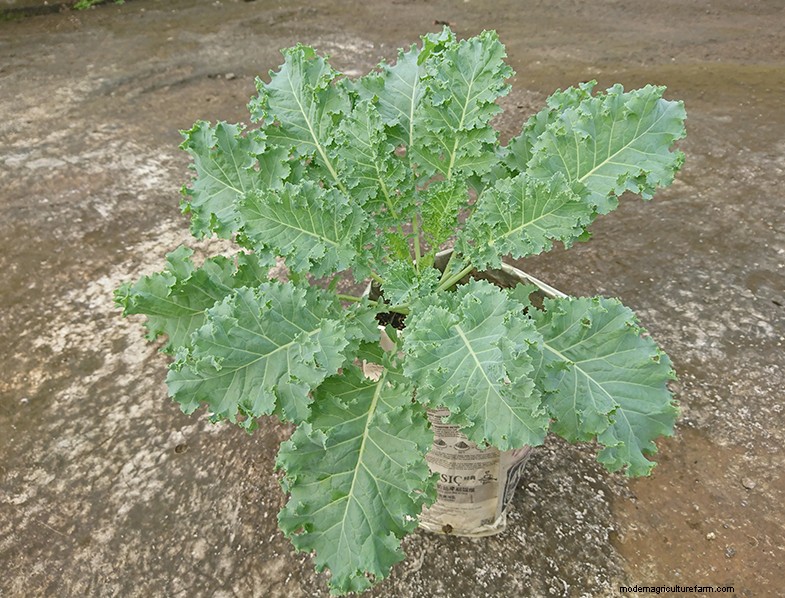 Brassica Oleracea
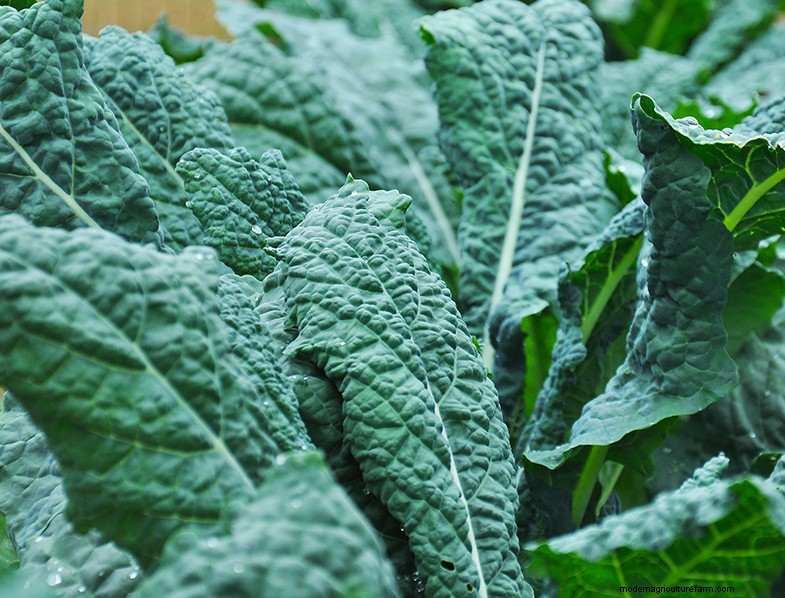 Brassica Oleracea
Brassica oleracea is an annual plant that grows from seed with great tolerance to germination temperatures. It is hardy and develops really well in winter time and it can survive temperatures as low as -15° Celsius. One interesting detail about this plant is that its taste may become even sweeter after a heavy frost. Because kale is so well adapted to low temperatures and it can grow well in winter, one variety is called the “hungry gap” after the winter period when in traditional agriculture there is little less to be harvested.
Generally, kale is grown mainly for autumn and winter harvest because it is known that lower temperatures boost its qualities and flavour. Its resilience to low temperatures permits the harvesting of fresh greens in a period of the year when vegetables become inaccessible.
There are a few tips that you can use as a guide in order to enjoy your Brassica oleracea harvest. First, you will have to make sure that you plant kale four to five weeks before the last frost. In in-ground gardens, raised beds are fantastic growing options. Also, you will have to plant each plant at a distance of 45-60 cm in a place with full sun and very well-drained, fertile soil. You can boost the nutrients of the soil by mixing several cm of aged compost or other rich organic matter. If you want to enjoy nutritious kale all year long, you may also consider an indoor, water-based system.
When it comes to pests and diseases, kale often grows as a carefree crop but there are some types of insects that can damage the plant. Among them, there are the cabbage worms which like chewing the leaves of all types of cabbages. You will also have to watch for outbreaks of cabbage aphids, as they can damage your plants significantly. If there are only a few small areas affected, you can use insecticidal soap locally. The leaves that are badly infested should be picked off and discarded.
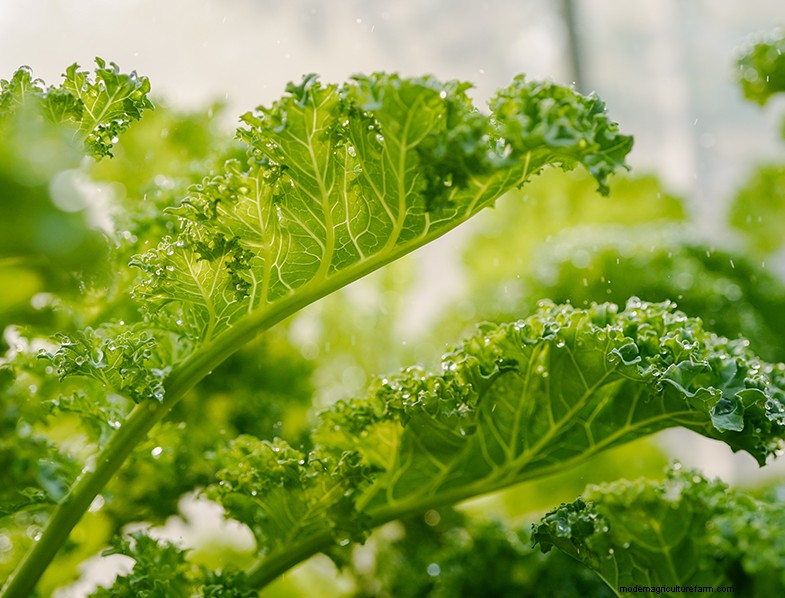 Brassica Oleracea
As previously mentioned, kale is a cold-hardy and resilient member of the cabbage family. You can start planting your kale early in the spring as long as you protect it against severe winds. Its growth is influenced by the outside temperature so, it will grow steadily in the colder months and will stop in growth as soon as the temperatures will start to rise.
You can also plant kale in the fall when the weather is cool and makes them have that wonderful, unique nutty flavour. The fall period is considered to be the best period to grow kale as the leaves mature in cooler temperatures.
Kale loves sunny spots, but it also can tolerate partial shade. The plants that receive lower amounts of sun daily, under six hours, will have fewer leaves and will be less stocky than the ones that get more than six hours of sun daily. If you plant kale in spring, you will have to be a little patient your plants may remain pretty small until the warmer temperatures trigger the growth of the plant.
Bestseller No. 1
Lacinato Kale Seeds for Planting Outdoors or Indoors – Heirloom Dinosaur Tuscan Kale Variety – Cold Hardy Green for Fall & Spring Vegetable Gardens - Survival Garden Seeds (1 Pack)
Bestseller No. 2
Sow Right Seeds - Kale Seed Collection for Planting - Non-GMO Heirloom Packet with Instructions to Plant and Grow a Home Vegetable Garden, Great Gardening Gift
Bestseller No. 3

Organic Kale Seeds (Vates Blue Scotch Curled) - Approx 500 Seeds - USDA Organic, Non-GMO, Open Pollinated, Heirloom, USA Origin
Last update on 2025-11-27 / Affiliate links / Images from Amazon Product Advertising API
If you want to plant ornamental cabbages and kales in your garden, it is important to know that these plants do not tolerate extreme heat very well. The ideal planting season for them is mid-summer. Sow the seeds about six to 10 weeks before the expected date of the first frost in your area.
When purchasing ornamental cabbage or kale transplants, it is best to choose large, compact plants that are nearly or fully coloured. Keep in mind that these plants might not grow much after they are planted in the garden, especially if they are planted in containers and the roots are pot-bound. Another important aspect to consider when purchasing ornamental kale transplants is to assess your available space and choose the plants accordingly.
Kale is easy to plant and grow both in raised beds and containers. Plant them at the depth at which they are growing in the container. If you let more space between the plant, the leaves will have more space to grow bigger, but at the same time, you have to know that the smaller leaves tend to be the most tender. After you finish with the whole plantation process, you will have to water the plant well.
Kale needs large amounts of water in order to properly develop and stay healthy. You will have to water them regularly to keep the soil moist, but pay attention not to overload the soil with water. Together with the cool weather, moist soil keeps the kale leaves sweet and crisp, instead of tough and bitter.
As with any other leafy vegetable, kale has many large, tender leaves so this large area means that the plant transpires more moisture, particularly when the temperatures are higher. So, you will have to replace all that loss of moisture by ensuring the plant receives enough water. This means that when the temperatures are higher, you will have to water the plants almost daily, especially if the area where you live is dry. One tip regarding watering and determining the soil moisture of your kales, especially in summer, is checking whether the leaves start to drop. If that happens, it means that your plants are lacking moisture so you should provide some afternoon shade for your plants and water them more often.
Another way you can ensure proper moisture of the plants is to mulch them. For this, you will have to apply a generous layer of organic mulch. You can use compost or quality composted hay. Mulching your plants will guarantee that the moisture won’t evaporate that easily from the soil and will also keep it cooler.
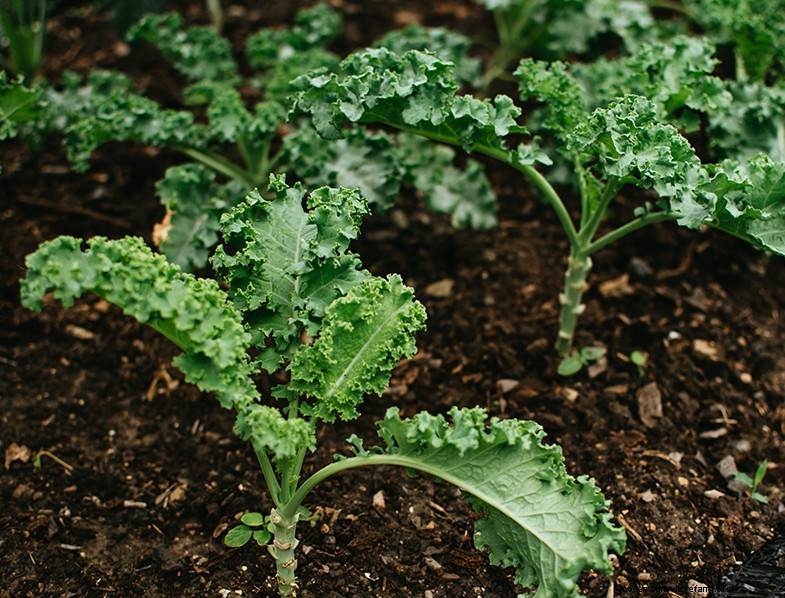 Brassica Oleracea
When it comes to propagating the Brassica oleracea plant, you can grow a whole new plant just from a cutting. This is the procedure you will have to follow: cut off seven centimetres of the top bud from the centre of a kale plant, you may include several budding leaves and cut right below a leaf node. After that, you can dip the stem in honey or you can use rooting hormone, if you have any, to encourage growth.
Next, plant the stem straight into compost in a container, and cut some of the foliage off, this way the plant will focus on root growth, rather than the leaves. After this step, you only have to take care of the plant and keep it moist, it should develop a new root system within a few weeks.
Another way of propagating the kale is by using seeds. Kale seeds will germinate very quickly and should sprout up within five to eight days since you planted them. Cover the kale seeds with approximately 1.5 cm of soil and keep the soil moist. The seeds will mature between 55 and 75 days. As a tip, you may want to soak the kale seeds for 24 hours before the plantation, this method can significantly cut down on germination time. To soak the seeds, you just have to put them in a cup of water for 24 hours, but is not recommended to keep them in water for more than 24 hours as they may lose their properties. Once you have sown the seeds, keep them in the warmest spot of your house. The ideal temperature for germination is between 7° to 29°C.
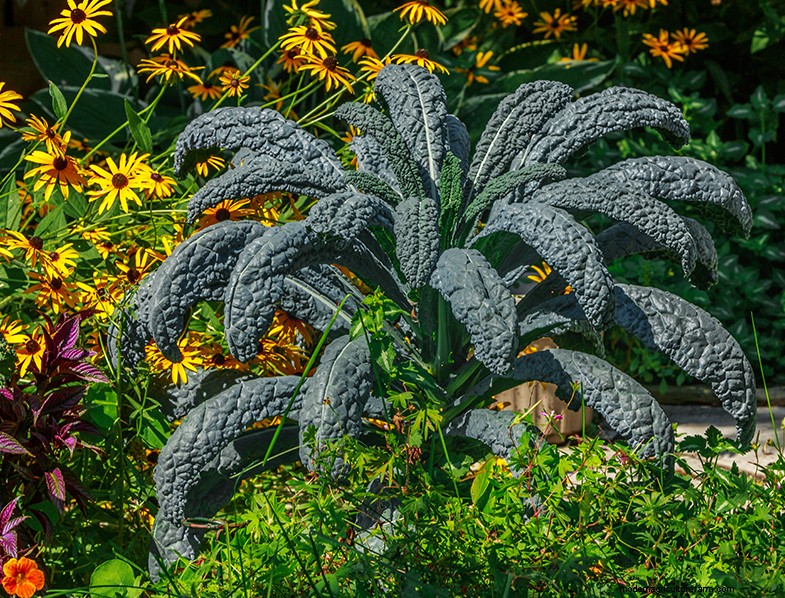 Brassica Oleracea
Growing Brassica oleracea, commonly known as kale, in your garden can be a fulfilling activity as you will have fresh produce at hand. Kale is easy to care for and it also has a lot of healthy nutrients, not to mention how tasty it can be when added to a salad or a smoothie. When growing kale, keep in mind that one of its particularities consists of the fact that it tastes even better when the temperatures are lower, so you can harvest it even near the winter period when there are no other plants in your garden.
Kale can also be an excellent plant if you grow it for ornamental purposes, as some species have deep colours like violet or dark green and you may even plant it along other ornamental flowers as a companion plant.
Whether you love eating kale or you just enjoy growing it for ornamental purposes, don’t forget to celebrate National Kale Day is celebrated on the first Wednesday of October.
Are you growing Kale in your home or garden? Share your experience in the comments!
For beginners, kale can be started from seeds or transplants. Choose a location that gets full sun and has well-draining soil. Plant seeds 1/2 inch deep and 12-18 inches apart. Water well after planting and keep the soil moist but not waterlogged. If starting with transplants, plant them at the same depth they were in their pot.
Kale typically takes around 55 to 75 days to mature from planting, depending on the variety. However, you can start harvesting leaves as soon as they’re big enough to eat, usually around 30 days after planting.
Kale is relatively easy to grow. It’s a hardy plant that can tolerate cold temperatures and even a light frost, which makes it a great choice for fall and early spring planting. It also grows well in containers, making it suitable for small spaces or indoor gardens.
Yes, kale does continue to grow after you cut it. When harvesting, cut the outer leaves and leave the center intact, which allows the plant to continue producing new leaves.
While kale prefers full sun, it can tolerate partial shade. If you live in a warmer climate, a bit of afternoon shade can help prevent the plant from overheating.
Kale prefers consistently moist soil, so regular watering is necessary. However, it’s important not to overwater as this can lead to root rot. A good rule of thumb is to water deeply once a week, and adjust based on weather conditions.
43