
Welcome to Modern Agriculture!

By May, all risk of frost has passed in most regions of the UK. Many vegetable, herb and flower seeds can be directly sown outdoors, while earlier sowings can now be planted out after a period of acclimatisation (hardening off) to outside conditions. Plenty of seeds can be sown indoors too, including more tender crops like cucumber and melon. Sowing indoors will protect young plants from slugs and snails, and by planting them outside when they're large enough to handle you'll give them a head start on predators.
Half-hardy annual flower seeds such as zinnia and nasturtium, and summer-flowering bulbs like Eucomis and Nerine, can be planted outside this month, once the risk of frost has passed. Pot-grown fruit trees and shrubs, including fig trees, citrus trees and gooseberries can be planted all year round, while May is your last opportunity to plant strawberry runners for a chance of a crop this year. Find more vegetables, fruit, flowers, trees and shrubs to plant in May, below.
Many seeds can be sown outside at this time of year, and after the last frosts, tender plants can be planted outside. You might find that it's worth investing in additional kit, which we've suggested below.
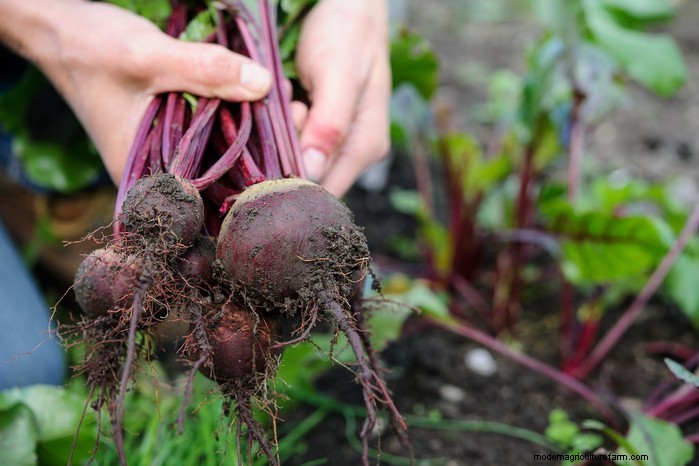
Harvesting beetroot. Jason Ingram
When to harvest: June to October.
How to grow: if you're new to growing vegetables, beetroot is a good, easy-to-grow option. The seeds don't need much encouragement to germinate and they require little maintenance once established. Beetroot 'Boltardy' is one of the most popular cultivars to grow, but you could also try a more unusually coloured cultivar, such as 'Touchstone Gold'. Sow seeds direct in shallow drills or pots. Now's also the time to plant out pre-sown beetroot plugs outside – make sure you plant them before the roots develop or they will grow into unusual shapes.
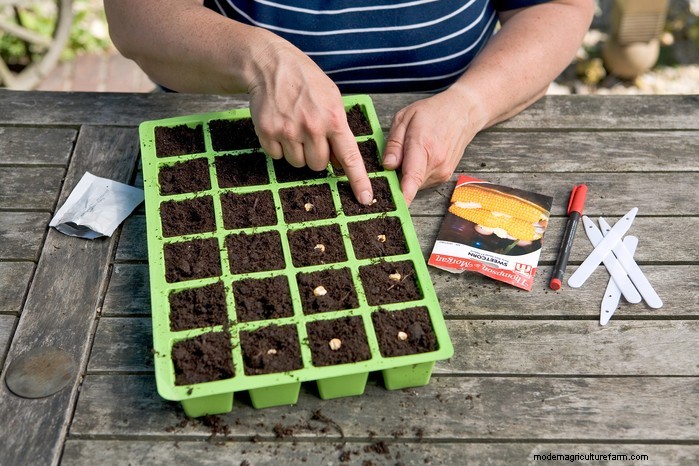
Sowing sweetcorn. Sarah Cuttle
When to harvest: August to October.
How to grow: May is the last time to sow sweetcorn, to give the plants plenty of time to grow and ripen. For best results, sow in a multi-celled tray indoors and plant out when the seedlings are large enough to handle. Any sweetcorn plants sown in April can be planted out now, after a period of hardening off.
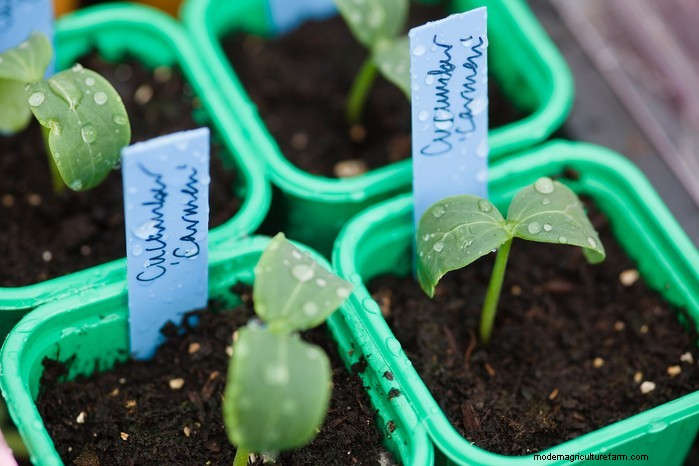
Cucumber seedlings. Paul Debois
When to harvest: July to September.
How to grow: cucumbers grow best in a greenhouse but some newer varieties have been bred to tolerate outside conditions. Sow into multi-celled seed trays or individual pots, and pot on when seedlings are large enough to handle.
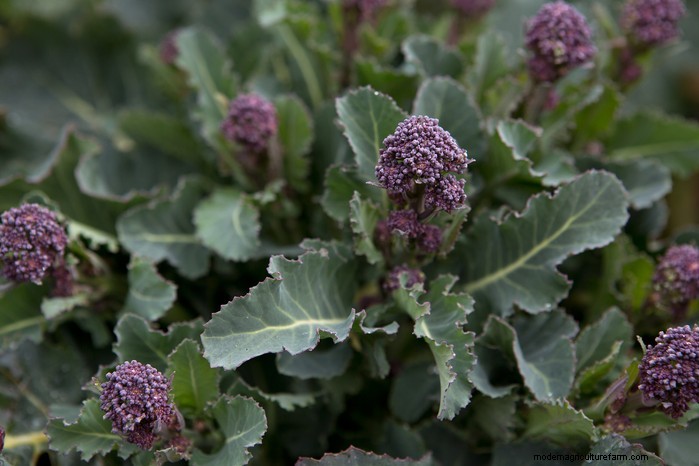
Purple sprouting broccoli ready to harvest. Sarah Cuttle
When to harvest: November to May.
How to grow: an extremely robust crop, sprouting broccoli produces nutrient-packed succulent spears, which are perfect for steaming, boiling and grilling. It's easy to grow and, if you grow different varieties, you can harvest broccoli spears throughout winter and into spring. Sow into seed trays or small pots, and pot on until they're ready to plant out.
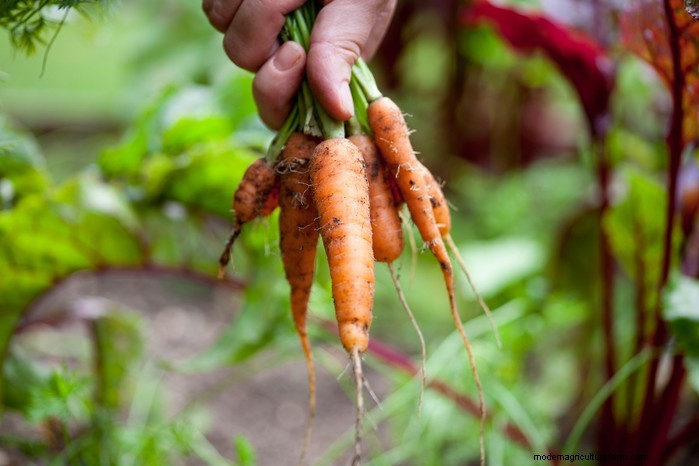
Freshly harvested carrots. Paul Debois
When to harvest: May to October.
How to grow: carrots are a fantastic, easy-to-grow crop to raise from seed. As well as the classic orange cultivars, you could also try growing colourful cultivars such as 'Yellowstone'. Sow into shallow drills of well-prepared, stone-free soil, or in pots.
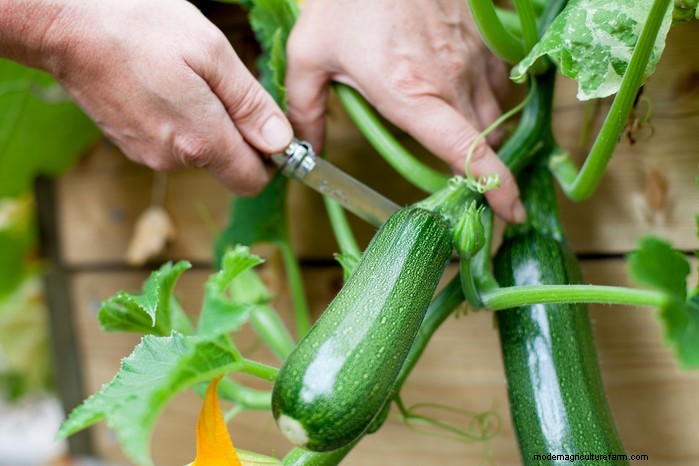
Harvesting a courgette with a knife. Paul Debois
When to harvest: July to October.
How to grow: courgettes can be direct-sown in well-prepared soil outside or in pots or multi-celled trays for transplanting later on. They also work well in containers. Plants sown last month can be planted out now, once acclimatised. Protect young plants from slugs and snails, and water regularly. Courgettes are hungry crops – feed them weekly once they've started flowering.
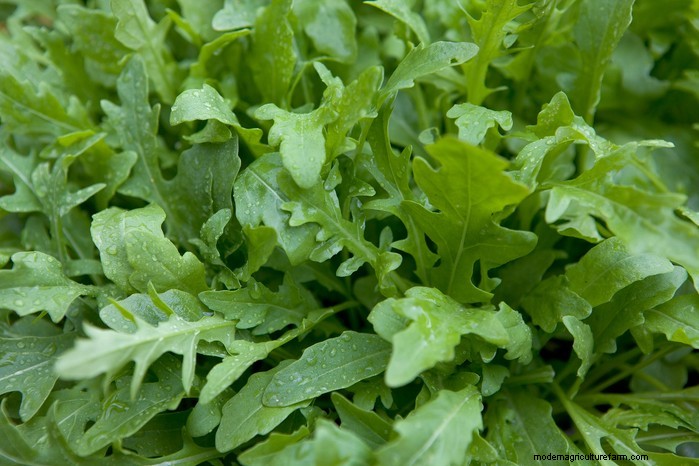
Rocket leaves ready to pick. Sarah Cuttle
When to harvest: April to November.
How to grow: rocket is a quick-growing crop that takes up little space. Perfect for pots, direct-sow seeds on the surface of moist, peat-free, multi-purpose compost and protect emerging seedlings from slugs and snails. Make regular sowings every few weeks for a continuous crop throughout summer, and harvest as and when you need to.
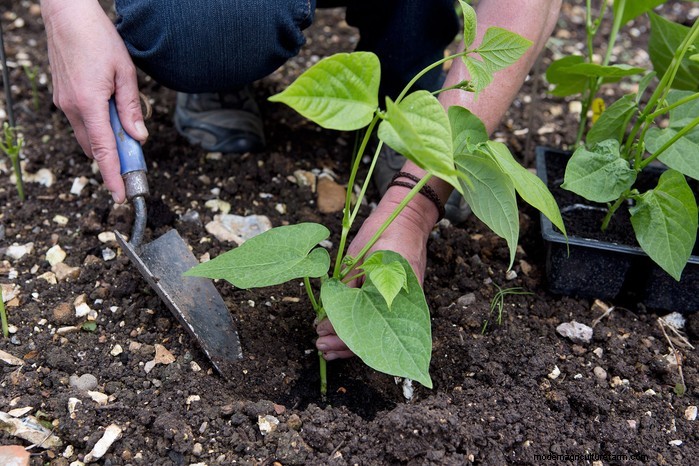
Planting out French beans. Sarah Cuttle
When to harvest: July to October.
How to grow: French beans and runner beans (as well as soybeans) can be sown direct outside now – dwarf French cultivars are suitable for growing in pots. Support climbing beans with a teepee of canes. Any beans sown in pots or multi-celled trays last month can be planted out now after a period of hardening off – do protect young plants from slugs and snails.
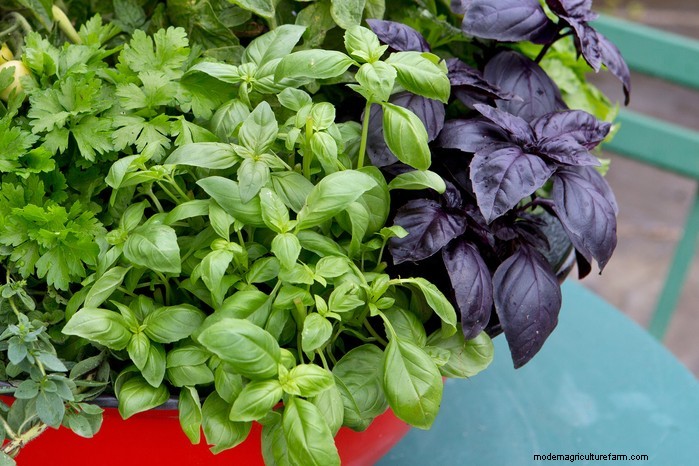
Purple and green basil growing in a pot along with other herbs. Sarah Cuttle
When to harvest: June to September.
How to grow: basil will grow outside but does best in heat and sunshine, making it perfect for sowing in May and keeping indoors, either on a windowsill or in a greenhouse. Sow direct in pots or in seed trays to transplant later.
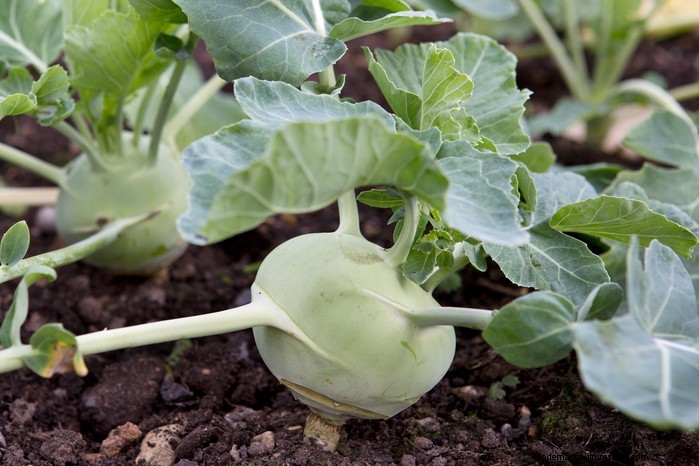
Kohlrabi ready to harvest. Sarah Cuttle
When to harvest: May to November.
How to grow: kohlrabi is an unusual-looking, but delicious vegetable that's not widely grown. It's quick-growing and reaches maturity in just a couple of months. Sow like other brassicas and harvest when no bigger than a tennis ball.
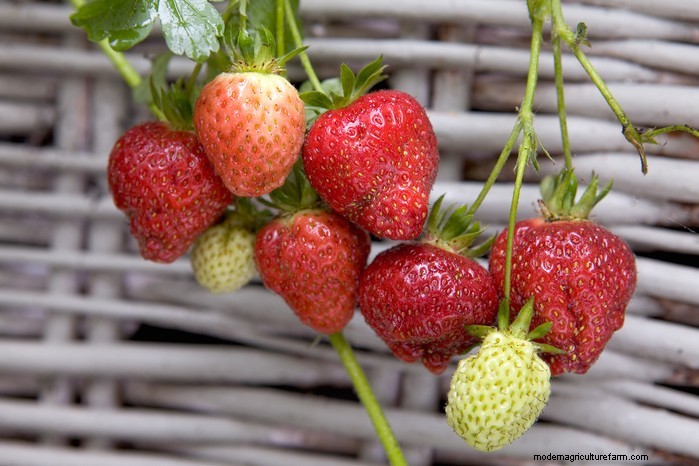
Early fruiting strawberry 'Korona'. Sarah Cuttle
When to harvest: June to September.
How to grow: strawberry runners can be planted outside now, and if you keep them well watered in the coming weeks you should get a small harvest, especially from ever-bearing varieties, which fruit over a longer season.
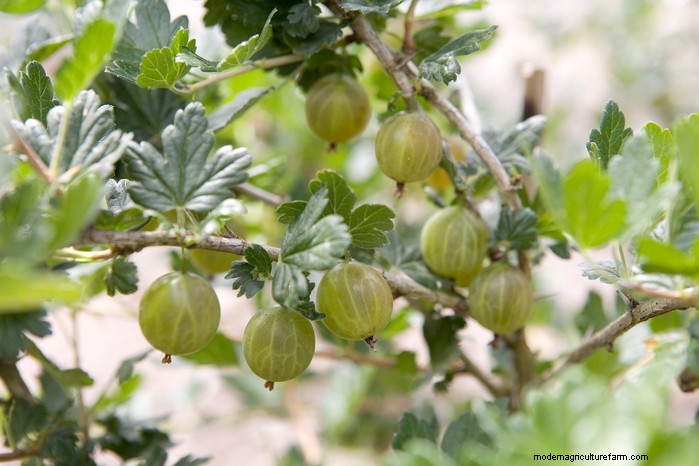
Ripe gooseberries. Sarah Cuttle
When to harvest: June to August.
How to grow: pot-grown gooseberries can be planted in May, but bear in mind that the plant may be flowering at this time, so you'll need to water it regularly to ensure the crop doesn't fail. In dry conditions, it may be best to remove any flowers and let the plant focus on becoming established instead. After planting, mulch around the base with home-made compost to conserve moisture in the soil.
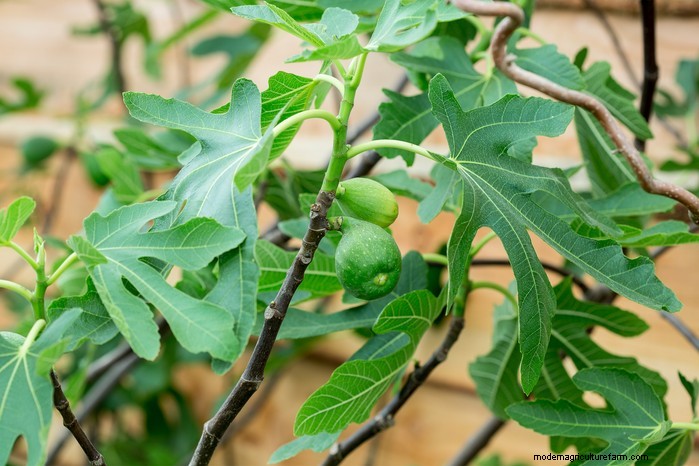
Fig tree. Paul Debois
When to harvest: August to September.
How to grow: figs grow best in a warm, sheltered spot in full sun. If you plant in the ground, use rubble or submerged paving slabs to restrict root growth, which helps promote fruit production. Pot-grown plants should be well-watered and fed every couple of weeks with tomato food once the fruits start to appear.
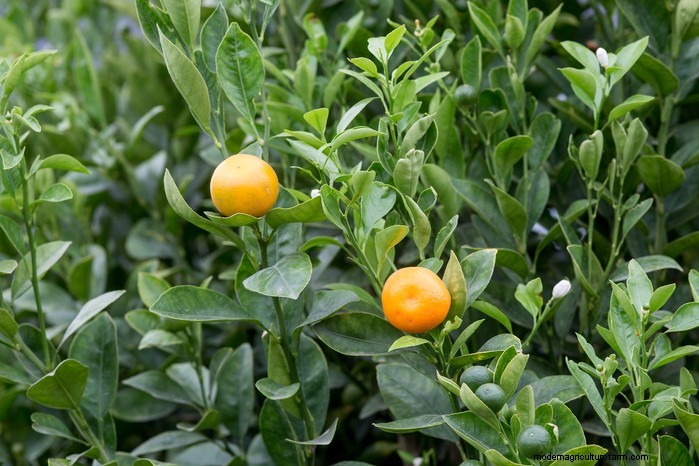
Calamondin orange tree. Paul Debois
When to harvest: November to April.
How to grow: compact citrus trees can be grown successfully in a sheltered, sunny spot in a terracotta container, provided you have somewhere bright and frost-free to keep the plants during the winter months. Citrus trees need watering weekly with rainwater in summer and watering sparingly in winter, only when the surface of the compost begins to dry out. Plants also need regular feeding with a specialist citrus feed.
The ‘Lunario’ lemon tree bursts into blossom from late spring, producing juicy fruits that ripen from the end of summer. Once it’s had time to settle, you’ll be picking full sized lemons within 12 months.
Save £20 and buy 1 x 4L pot for just £19.99.
Offer ends 23.59, Wednesday 27 May.
Buy Lemon 'Lunario'
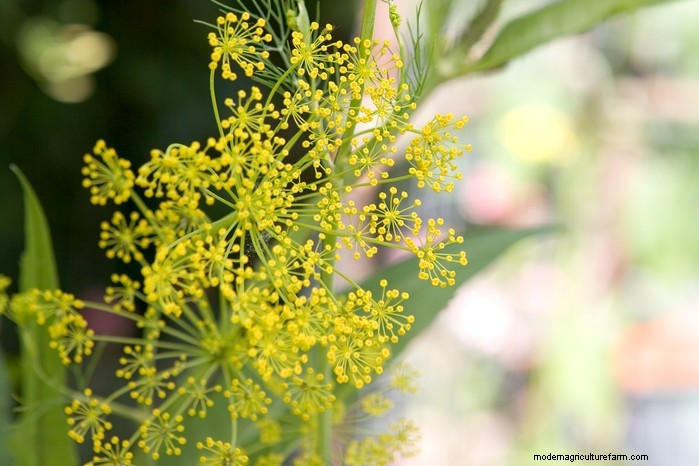
Delicate umbels of bright yellow dill flowers. Sarah Cuttle
Flowers: July to October.
How to grow: this airy annual not only looks good, but you can also use the anise-flavoured leaves for cooking. A brilliant plant for wildlife, it's particularly popular with hoverflies. Direct sow dill now for summer blooms.
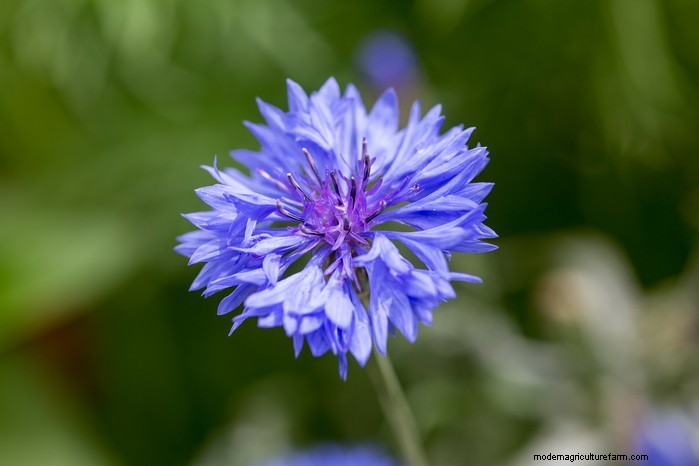
A striking blue cornflower. Paul Debois
Flowers: June to August.
How to grow: May is the final month to sow cornflowers (Centaurea cyanus), to ensure you get blooms the same year. They look particularly impressive when planted with other meadow plants, such as corn poppies.
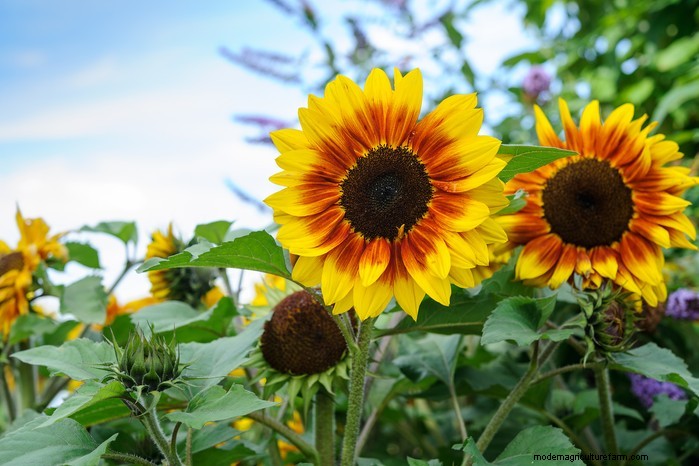
Sunflower 'Shock-o-Lat'. Jason Ingram
Flowers: July to September.
How to grow: sunflower seeds can be sown direct outside now, or into pots or multi-celled trays for planting out later. Try growing monster cultivars like 'American Giant' or shorter varieties such as 'Moulin Rouge' for cut flower arrangements. Protect young plants from slugs and snails. You may need to stake particularly tall varieties.
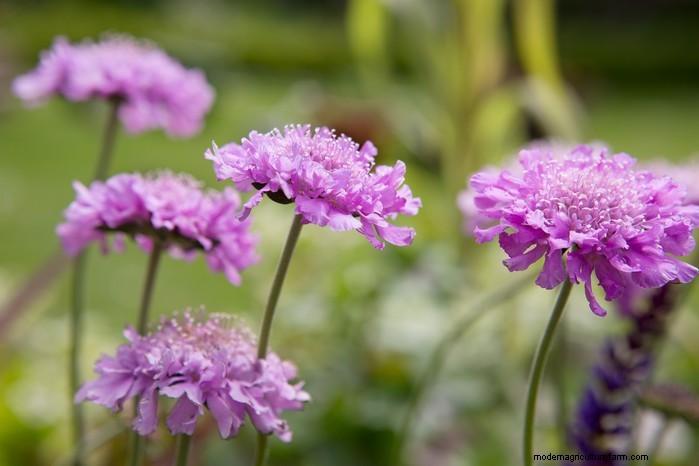
Scabious 'Pink Mist' in flower. Sarah Cuttle
Flowers: June to August.
How to grow: in shades of purple, pink and blue, scabious flowers are a real magnet for butterflies. Some are hardy perennials, such as Scabiosa columbaria 'Butterfly Blue', while tender species like Scabiosa atropurpurea are usually grown as annuals. Sow in small pots or seed trays to pot on and eventually transplant outside as young plants.
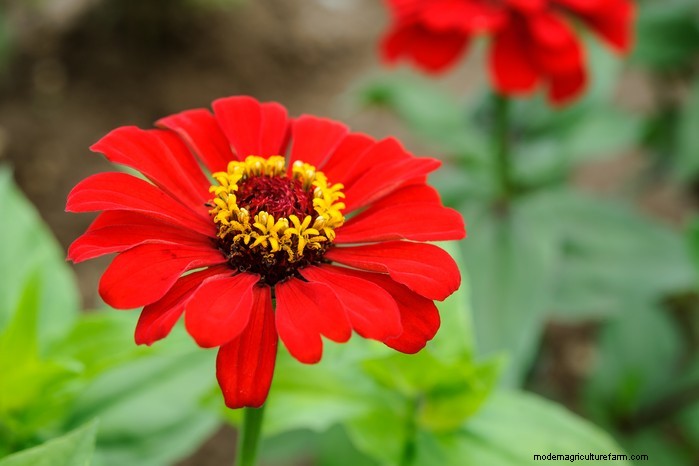
Bright red Zinnia 'Scarlet Flame'. Jason Ingram
Flowers: July to October.
How to grow: native to Mexico, zinnias can be sown outdoors in May. Simply scatter seed over moist, well-prepared soil and cover with a thin layer of compost. Zinnias also work well in pots.
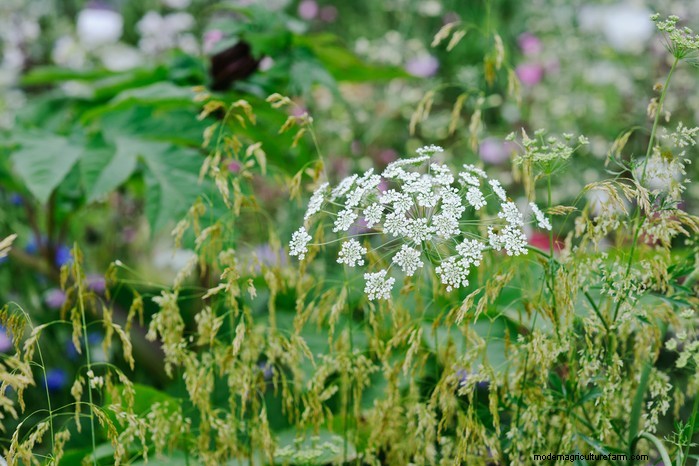
Pretty white umbels of Bishop's flower, amongst grasses. Jason Ingram
Flowers: June to August.
How to grow: Bishop’s flower, Ammi majus, is pretty annual, growing to around 1m in height. More delicate than cow parsley, its blooms are popular with pollinators such as hoverflies. Try growing with other summer flowers like salvia, cornflower and echinacea.
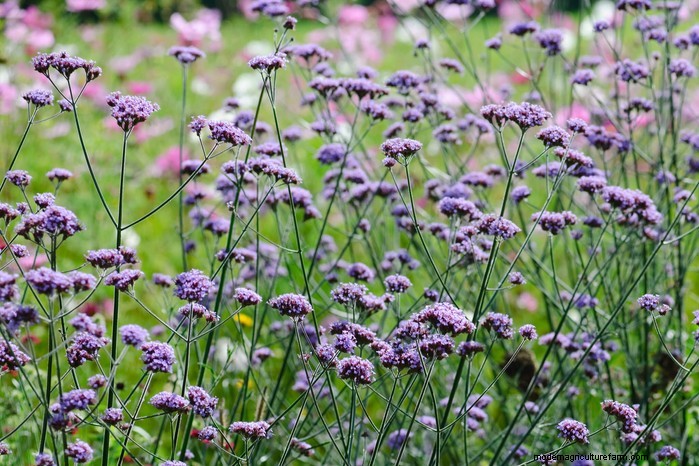
Verbena bonariensis. Jason Ingram
Flowers: June to October.
How to grow: Verbena bonariensis seeds can be sown directly in well-prepared, moist soil from May, in full sun to partial shade.
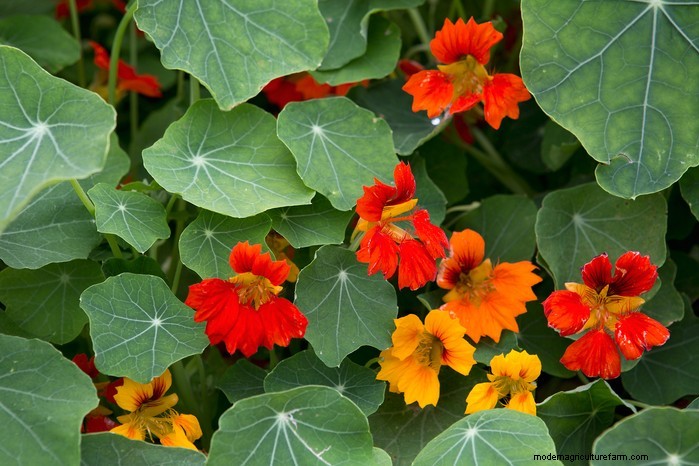
Bright orange nasturtium flowers and leaves. Sarah Cuttle
Flowers: June to October.
How to grow: nasturtiums are versatile plants for filling gaps in the border or growing in pots. Trailing varieties can be trained up a trellis or allowed to trail over the sides of containers. The leaves and flowers can be eaten, imparting a peppery kick, and you can pickle the fresh seeds for a homegrown version of capers. Or just leave them for their ornamental value. Sow direct outside or in seed trays to transplant later.
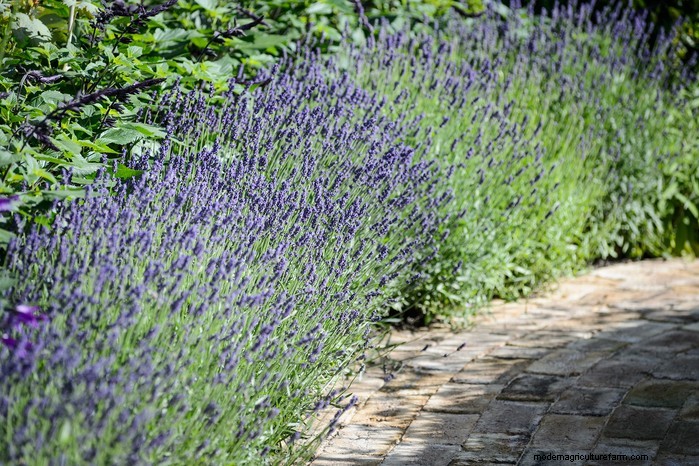
Hedge of lavender 'Hidcote'. Jason Ingram
Flowers: June to August.
How to grow: this sweet-scented evergreen shrub is best suited to a sunny spot in free-draining neutral to alkaline soil. Plant in spring, once the soil has warmed up. Many lavenders are hardy, but some types, such as French lavender (Lavandula stoechas), should ideally be brought under cover in the winter and kept in a frost-free place.
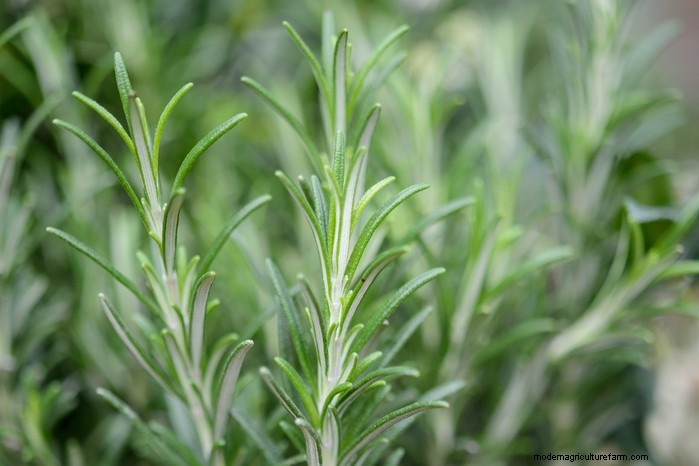
Rosemary. Jason Ingram
Flowers: April to June.
How to grow: like lavender, rosemary thrives in well-drained soil in full sun, and struggles in wet conditions in the winter. You can grow rosemary in pots, but many varieties can grow large and will need potting on in fresh compost every couple of years. Rosemary is a low-maintenance shrub, needing only to be cut back after flowering to prevent plants becoming straggly and woody.
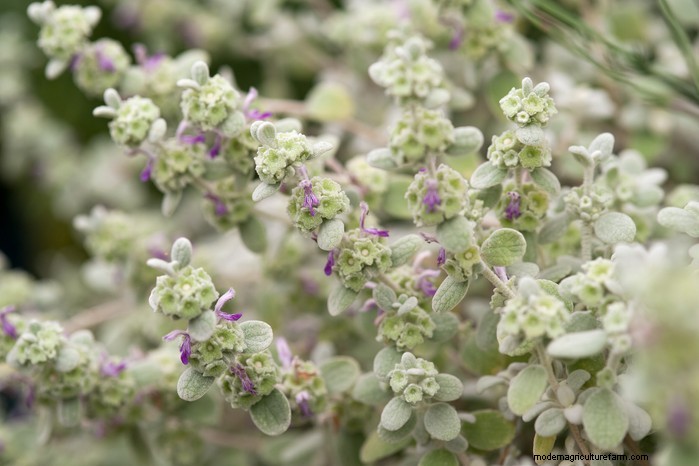
Ballota foliage and flowers. Torie Chugg
Flowers: May to June.
How to grow: false dittany (Ballota pseudodictamnus) is a bushy shrub that copes well in dry, sunny conditions. After planting in spring in poor, well-drained soil, it requires little maintenance. Prune into shape in early spring.


