
Welcome to Modern Agriculture!

Introduction to Turnip Gardening for Beginners, Planting Questions and Answers (FAQs): Hello gardeners, we are back with one more new article and the topic is all about turnip gardening for beginners. Do you want to grow your own turnips and do you have any doubts about planting and growing turnips? Well and then you will need to follow this complete article to grow perfect turnips. In this article, we are going to discuss some frequently asked questions about turnips.
The turnip, sometimes known as the white turnip, is a root vegetable farmed for its white, fleshy taproot in temperate climes around the world. Turnip is a combination of turn (as in turned/rounded on a lathe) and neep (from Latin napus, the plant’s name).
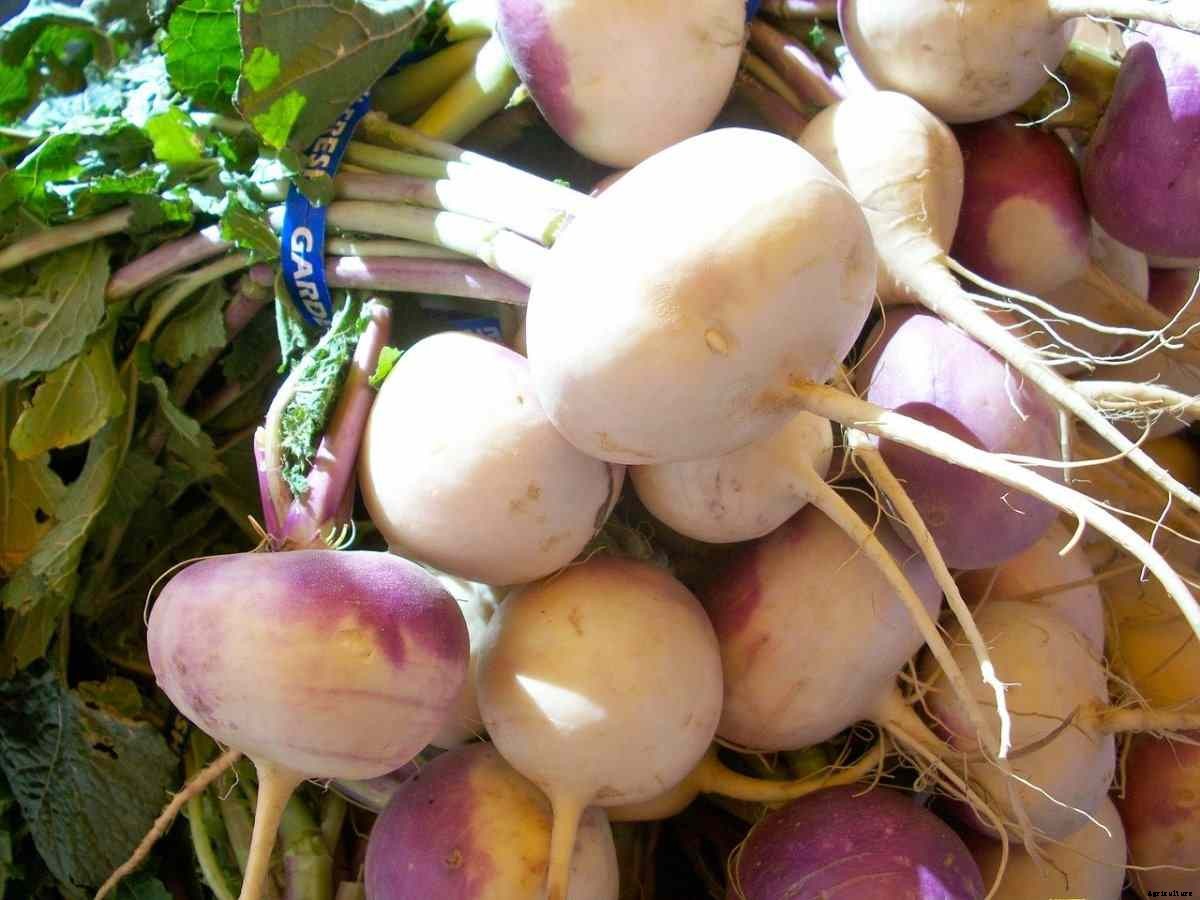
Sow turnip seeds about 2 to 3 weeks before the typical last spring frost date for a late spring yield.
Sow turnips in late summer for an autumn harvest. Sow after onions, squash, beans, or sweet corn has been harvested in the summer.
You can also sow seeds in the early autumn for a harvest in the late autumn.
Loose soil is essential for growing large turnips. If the soil has a lot of clay, put in a 2- to 4-inch layer of compost or old manure, as well as some sand, ahead of time to enhance drainage.
When temperatures vary from 4°C to 24°C, turnips grow best in full sun.
Mix in a great low organic fertilizer (such as a 5-5-5) about 12 inches into the soil before planting.
If you over-fertilize with nitrogen, you’ll get leafy greens instead of a large root. A Miracle-Gro or any other high-nitrogen fertilizer should be avoided.
Turnips should be planted directly in the garden because they do not transplant well.
Sow seeds 14 to 12 inches deep, 1 inch apart, in 12 to 18-inch rows.
Turnip seeds can also be scattered and covered with no more than 12 inches of soil.
Water frequently and thoroughly.
Thin seedlings to 4 to 6 inches apart after they reach a height of 4 inches. Small or deformed roots can develop from overcrowding. They won’t grow if you get them any closer than 4 inches apart.
Keep the beds free of weeds, but be cautious not to disrupt the young turnips’ roots.
Mulch extensively to keep moisture in the soil and keep weeds at bay.
Turnips don’t require much attention, but they do require continuous soil moisture. Regularly water to keep the soil mildly moist; 1 inch of water per week should protect the roots from growing tough and bitter.
Now, let us discuss some frequently asked questions about turnip gardening;
In case if you miss this: How To Start Backyard Vegetable Garden In The USA.
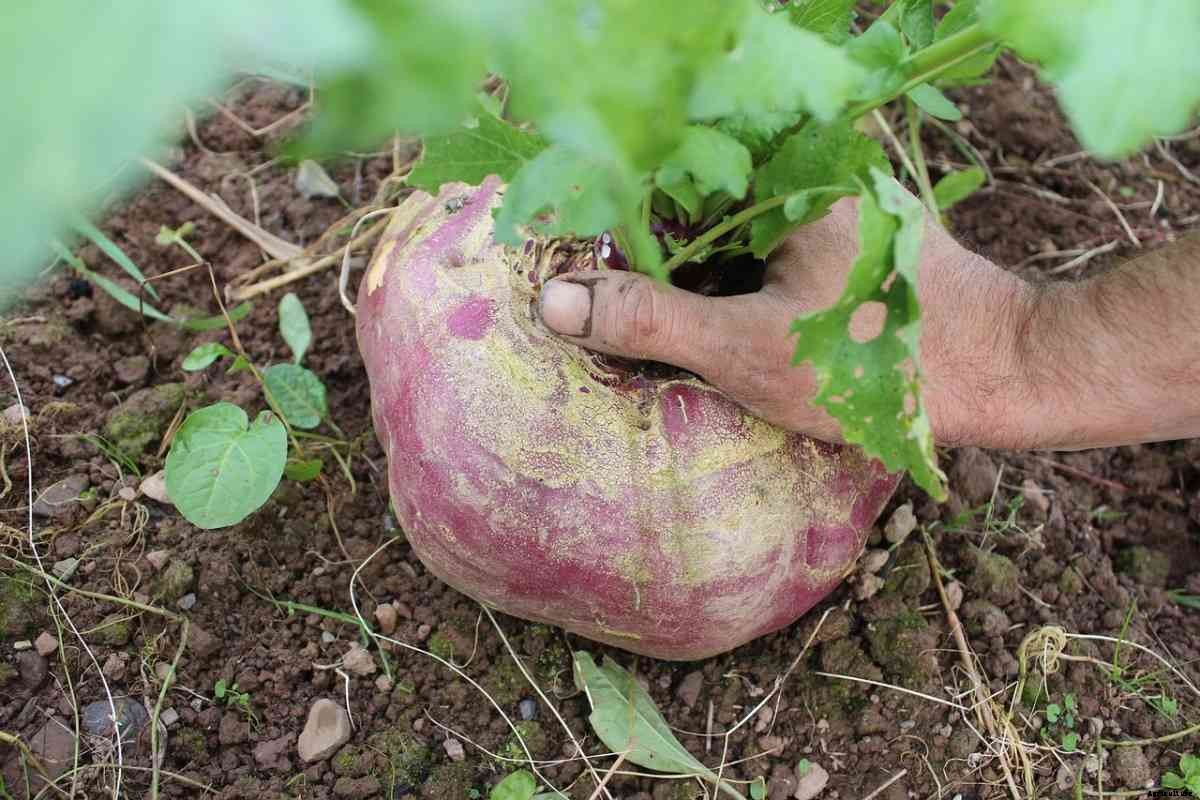
After 40 to 55 days, turnips are ready to harvest. When harvesting the leaves, wait till they reach a height of 4 to 6 inches. If you’re only going to harvest the leaves, cut them off the plant when they reach the correct size, leaving 1 inch of leaves above the plant’s crown.
Plant turnip greens in the fall from late August to October, and in the spring from 2 to 4 weeks before the last frost. In healthy, well-drained soil with a pH of 5.5 to 6.8, space these easy-to-grow greens 6 inches apart.
Turnips prefer full light but will take partial shade if the plant’s greens are to be harvested. It’s simple to prepare a bed for turnip plants. For planting, simply rake and hoe it as usual.
Planting turnips near other root crops like parsnips, carrots, potatoes, or beets will result in nutritional competition in the soil.
Radish, kale, rutabaga, rapeseed, and broccoli are all members of the brassica family. Turnips, like the rest of this large family, are a cool-season annual that thrives throughout the cooler months of the year.
In rows 18 to 30 inches apart, plant seeds one to two inches apart. Leave three to six inches between turnip seedlings when thinned. Thinly slice rutabagas and space them eight inches apart. Turnips and rutabagas can become bitter or woody as a result of drought stress.
Turnips are a nutritious, versatile cool-season vegetable farmed for their soft roots or lush greens. Container vegetables are simple to maintain, needing minimal digging, bending, or crouching. Plant turnip seeds in the early spring for early summer usage, or in the late summer or autumn for winter use.
The seeds must germinate at 10°C, and the roots grow the fastest in soil temperatures between 4°C and 15°C near the conclusion of their development. Summer temperatures in temperate Mediterranean climes, on the other hand, are ideal for turnip development.
Drought, especially early in the season, might obstruct the production of a spherical root. Turnips prefer light soil over heavy dirt. The root may not develop properly if the soil is too heavy, dense, or rocky. Transplantation: Turnips have a low transplant tolerance.
Turnips should be planted directly in the garden because they do not transplant well. Sow seeds 14 to 12 inches deep, 1 inch apart, in 12 to 18-inch rows. Turnip seeds can also be scattered and covered with no more than 12 inches of soil.
Soil. Turnips prefer a slightly acidic pH of 6.0 to 6.5 in their soil. They will grow more swiftly if the soil is fertile. To keep the roots from rotting, make sure the soil is well-draining.
Summer-planted turnips may typically be made to endure until late fall or winter, however, spring-planted turnips should not be left in the ground until winter. Turnips tolerate frost well and do not require digging until the ground has frozen.
Still, before sowing turnip seeds, you need to mix in a normal application of a balanced organic fertilizer, watered in well. Furthermore, thoroughly wetting the prepared bed promotes vigorous germination. The only way to encourage turnip seeds to germinate in beds or rows is to keep them moist for three days.
When turnips are planted just for the greens, no thinning is required because the fragile greens are harvested organically. When the greens are about 2 inches tall, thin them to a spacing of 1 to 4 inches if you believe they’re too dense.
Place the cut side of the turnip top in 1 inch of water and place it in full sun. Plant the turnip in a rich, loose potting mix after new roots grow. Maintain a damp but not wet environment for the turnip plant. Regularly harvest the fragile fresh leaves and older leaves develop a stronger flavor and can become harsh.
How about this: How To Grow Spinach In Greenhouse.
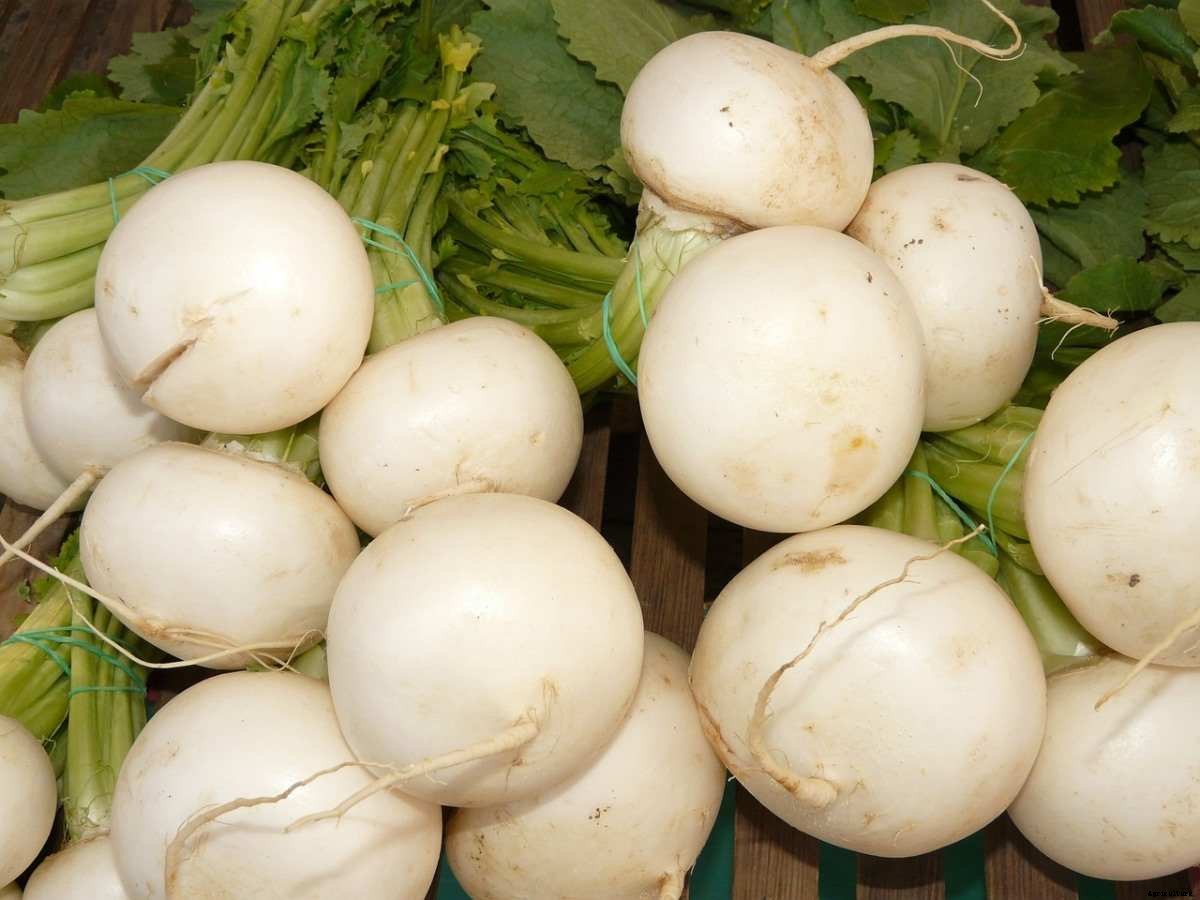
Plant turnip greens in the fall from late August to October, and in the spring from 2 to 4 weeks before the last frost. In healthy, well-drained soil with a pH of 5.5 to 6.8, space these easy-to-grow greens 6 inches apart.
Turnips can be grown in full sun or partial shade. Plant turnips in well-drained, organic-rich soil with a pH of 5.5 to 6.8. Apply garden compost and well-aged manure to planting beds ahead of time.
This is typical with radishes, as well as turnips and rutabagas to a lesser extent. The soil is excessively hot. They do require sunlight, but in this case, high soil temperatures are to blame.
Turnips don’t require much attention, but they do require continuous soil moisture. Regularly water to keep the soil mildly moist; 1 inch of water per week should protect the roots from growing tough and bitter.
Plants can be safeguarded by growing them in an insect-proof mesh enclosure. Horticultural fleece, which also helps to warm the soil, maybe preferred for seedbeds.
Cabbage root fly (Delia radicum L.) is the most destructive pest of swedes and turnips, with white grubs feeding on the roots, causing plant wilting/death or harm to the swede/turnip itself.
The turnip flea beetle (Phyllotreta undulata) is a little striped flea beetle. Adult beetles devour seedling leaves and stems, leaving little circular holes. Tiny round scars appear on the affected areas. The attacks begin when the shoot emerges above ground and continue until the plants reach maturity.
Surrounding your turnip plants with reflective mulch, such as silver-colored plastic, is one solution for preventing these pests from resting on your plants.
It’s a case of black rot. Turnips and rutabagas can be infected with black rot, which is one of the most harmful bacterial diseases. This organism, caused by Xanthomonas campestris PV. campestris, can destroy the leaves and infiltrate the plant’s vascular system, causing systemic disease and eventually death.
Boron deficiency causes brown streaks and dark, water-soaked patches in turnip roots. To avoid this, apply one pound of boron per acre.
Alternaria leaf spot is a fungal disease that affects a wide range of plants, including turnips and other Brassica family members. Alternaria leaf spot on turnips, if left untreated, can result in a considerable reduction in yield and a loss of quality.


