
Welcome to Modern Agriculture!

Introduction on how to Start Bell Pepper Gardening for Beginners, Planting Questions and Answers (FAQs): Hello gardeners, we are here with one more topic. Do you want to grow your own bell pepper plant and do you have any doubts about planting bell pepper? Well and then you will need to follow this complete article to have a perfect bell pepper plant. In this article, we are going to discuss some frequently asked questions about bell pepper planting.
The bell pepper is the fruit of Capsicum annuum plants belonging to the Grossum planter group. The plant produces fruits in a variety of hues, including red, yellow, orange, green, white, and purple cultivars. Bell peppers are frequently referred to as “sweet peppers” since they are combined with milder Chilli kinds.
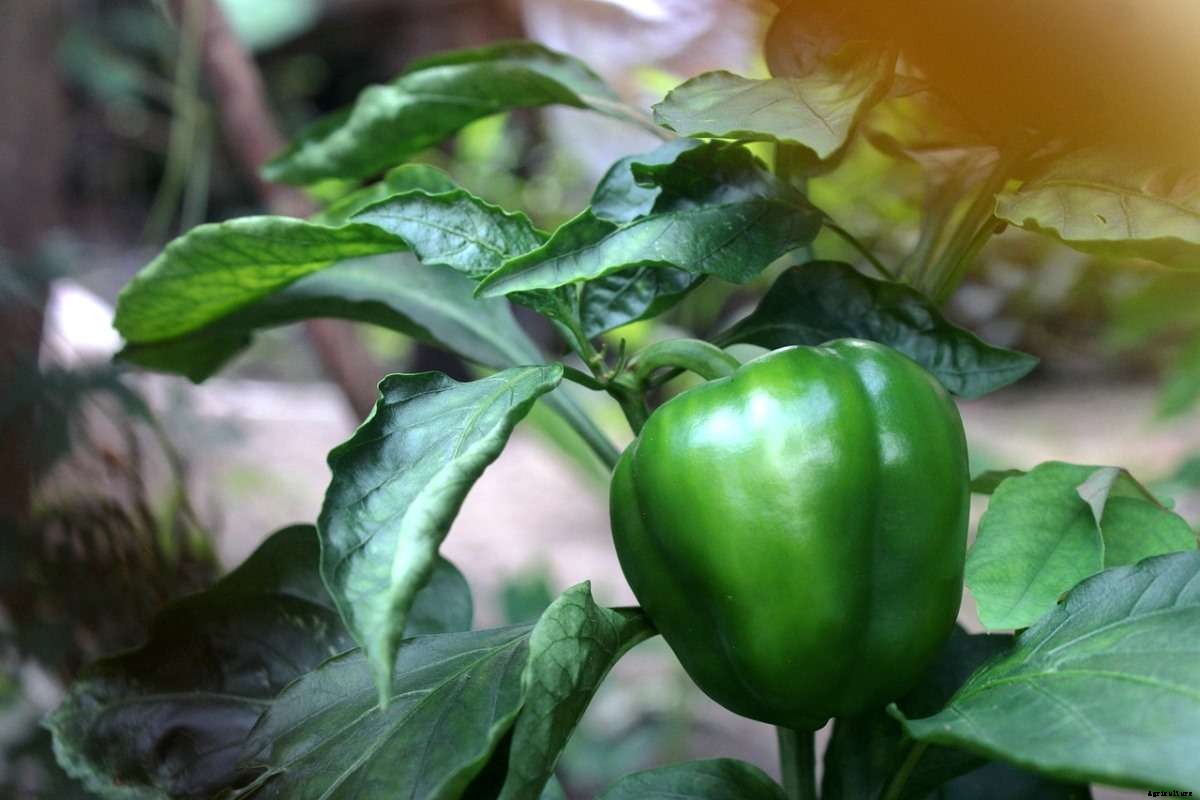
Start seeding peppers inside early in the spring to allow them plenty of time to produce throughout the summer. 8 to 10 weeks before your last spring frost date, start seeds indoors. Germination is quickest when the temperature is between 25°C and 32°C. If you want to plant peppers outside in the spring, do it two to three weeks after the fear of frost has passed.
You’ll need a heated propagator or heat mat to reach these temperatures. Seeds can be started at lower room temperatures, but germination will be slower and possibly inconsistent. Seedlings should appear in two weeks under ideal conditions, but some types can take up to five weeks, so don’t give up too soon.
Plant transplants purchased from a nursery outdoors 2 to 3 weeks after the fear of frost has passed. Because bell peppers are susceptible to cold temperatures, it’s important to harden off immature plants before putting them outside.
Now, let us discuss some frequently asked questions about bell pepper planting
Bell peppers thrive in warm climates. Plant them only after the threat of frost has passed. Plant fall peppers 12 to 16 weeks ahead of the first frost date. Make 3 to 4-inch deep transplant holes about 112 feet apart in the row.
Fill a planting tray halfway with soil and plant your bell pepper seeds a quarter of an inch deep to germinate. Water them, give them sun, and keep them warm—if required, lay the seeds near a heating pad. Maintain temperatures of at least 10°C for your seeds.
In case if you miss this: How To Grow Organic Lettuce.
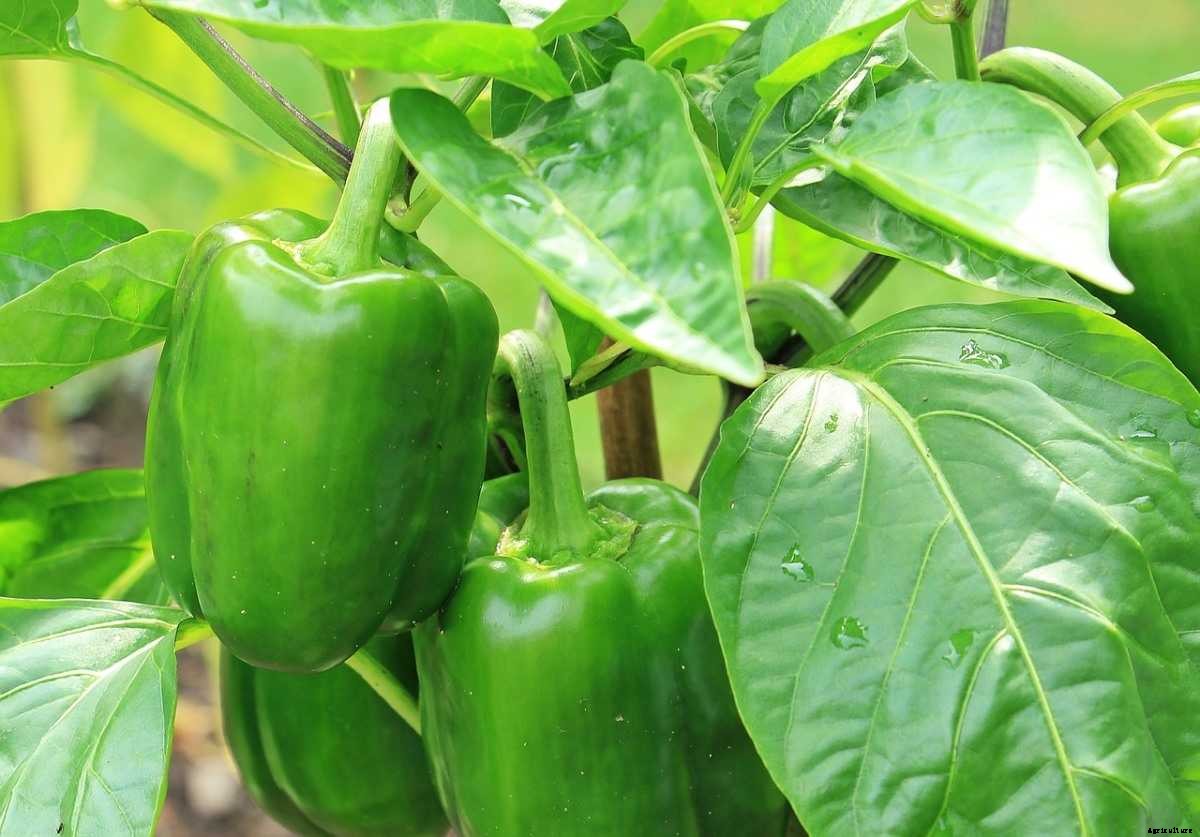
Growing bell peppers isn’t difficult, but the right temperature is crucial. While pepper plants are relatively easy to maintain, they require special attention in their early stages. Pepper plant seedlings should always be started indoors. To germinate, the seeds require the warmth of your home.
Sweet peppers require 60 to 90 days to mature, whereas spicy peppers might take up to 150 days. Keep in mind that the number of days to maturity listed on the seed packet refers to the number of days from the time the plant is transplanted until it produces a full-sized fruit.
Look for a 5-10-10 fertilizer when fertilizing your bell peppers. This has half the nitrogen content of phosphate and potassium. More fruit will be produced if the phosphate and potassium levels are higher. A reduced nitrogen level will aid the plant’s growth without sacrificing fruit production.
If your peppers are little, they’re probably not getting enough water, yet their small size could also be due to your environment or how you planted them.
Expect 5 to 10 huge bell peppers and 20 to 50 spicy peppers per well-grown plant. Bell peppers don’t last more than a few days in the refrigerator, so utilize them while they’re in season.
In about 14 days after the flowers develop on the bell pepper plant, peppers will begin to form from the flowers. It will take approximately 35 days from the time bell peppers begin to grow to their maximum size. About 2 weeks after reaching maximum size, bell pepper fruits will have changed colour and will be fully ripened.
Bell peppers may be grown from scraps with relative ease. To begin, gather bits from the remains, making sure they are ripe or mature enough. Remove the scraps’ seeds and spread them out on a clean paper towel, container, or tray. When they’re completely dry, you’ll be able to see them.
Water is another factor that contributes to thin bell pepper walls. The lack of water affects the firmness of pepper flesh. Bell peppers prefer soil that is damp, not wet, and drain well. Work some organic matter into the soil before planting to improve water retention.
Proper pruning, when done at the right time, promotes robust, sturdy stems, healthy branching, less disease, and insect pressure, fruits that ripen fast and evenly, and higher yields in many pepper cultivars. While vell pepper pruning isn’t always essential, it can benefit the plant’s health.
From the time the plants flower until they are harvested, peppers require plenty of water. Deeply water the plants once a week with 1 inch of water, adjusting the amount or frequency as needed during hot, dry seasons, after rain, or if your soil is sandy and drains quickly.
Knowing ahead of time is always preferable: Bell pepper plants (Capsicum annum) that are mature can take up a lot of area in the garden. These plants can grow to be 18 to 24 inches across and 3 to 6 feet tall.
Yes, Epsom salt is good for bell pepper plants. Epsom salt is extremely useful in vegetable gardens where peppers are grown.
Shell fertilizer will assist bell pepper plants. The increased calcium will aid in the prevention of blossom-end rot. Even if you only have indoor garden space, eggshells can help your plants grow by making “eggshell tea.”
Peppers thrive in warm climates. Plant them only after the threat of frost has passed. Plant fall peppers 12 to 16 weeks ahead of the first frost date. Make 3 to 4-inch deep transplant holes about 112 feet apart in the row.
Before planting your peppers, dust the planting hole with magnesium and work it in. Stake peppers now to prevent stakes from injuring the roots later.
Keep bell peppers well-watered, but don’t let the soil become too wet. Allow soil to dry somewhat after watering to saturate it about 6 inches deep. Watering is especially critical during fruit sets and as the bells grow, when small peppers take the place of blooms. Peppers need consistent hydration to stay firm and healthy.
Bell peppers should be planted in a full-sun bed. Provide a sandy loam soil with enough organic matter and good drainage. The distance between pepper kinds should be 12 to 18 inches apart, depending on their size. Plant some peppers in flowerbeds and borders to use as ornamentals.
Peppers grow slowly in cool temperatures — they are a tropical plant that thrives in temperatures between 21°C to 29°C throughout the day. Peppers will also develop slowly if they are not properly watered, have soil issues, or have been transplanted.
Due to the roots’ inability to obtain enough oxygen and nutrition from the soil, overwatering can cause pepper leaves to curl. Yellowing leaves and reduced plant development are common side effects of overwatering. The leaves will begin to wilt if you allow the plant to dry out too much, but they will recover after a while.
To help your seeds develop quicker until the warm weather arrives, start them early, keep them warm, and use season extenders or indoor lights. Also, make sure to plant them in full sun, as peppers require a lot of sunlight to grow large and strong.
How About This: Easy Vegetables To Grow Indoors.
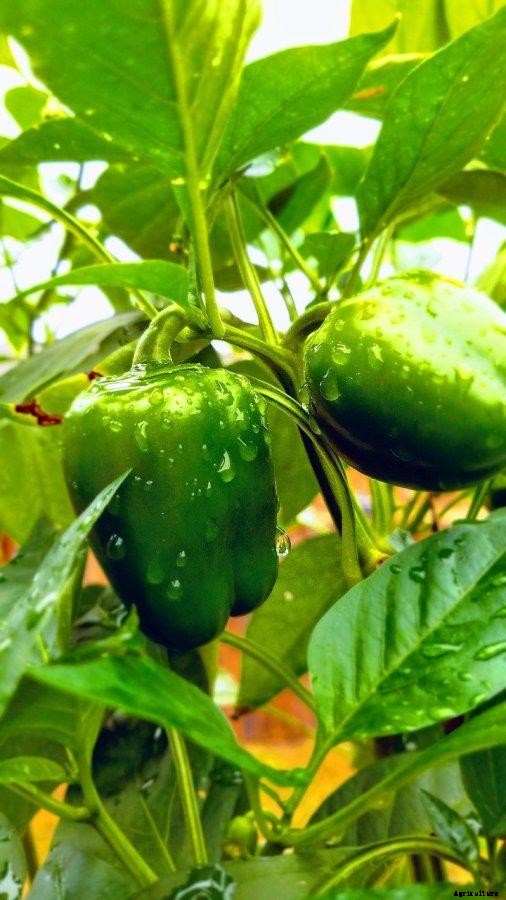
To keep the soil cool and moist, cover it with mulch, such as chopped-up leaves or straw. To handle the weight of the fruit, support the plants with a tomato cage or stake. Harvest the peppers with a knife and keep them refrigerated. Before the first October frost, harvest them all.
Here are some of the most effective methods for removing aphids from pepper plants.
A bacterial leaf spot is a bacterial infection that affects the leaves.
Various sprays containing copper fungicides and other substances can be used to treat bell pepper plant diseases. Phytophthora stem rot is another prevalent concern with pepper plants. This is caused by a fungus that attacks peppers in the soil.
One of the most common illnesses in pepper plants is bacterial leaf spots.
Insects are attracted to mosaic virus, which is a frequent viral infection.
Southern blight is a fungus that thrives in hotter regions.
Powdery mildew affects the undersides of leaves the most.
In a bucket, combine 1 tablespoon dawn dish soap, 1 tablespoon vegetable oil, and 1 gallon of warm soft water (tap water is ideal). After it’s been combined, spray it on the entire plant and coat the undersides of the leaves, which are where bugs like to hide.


