
Welcome to Modern Agriculture!

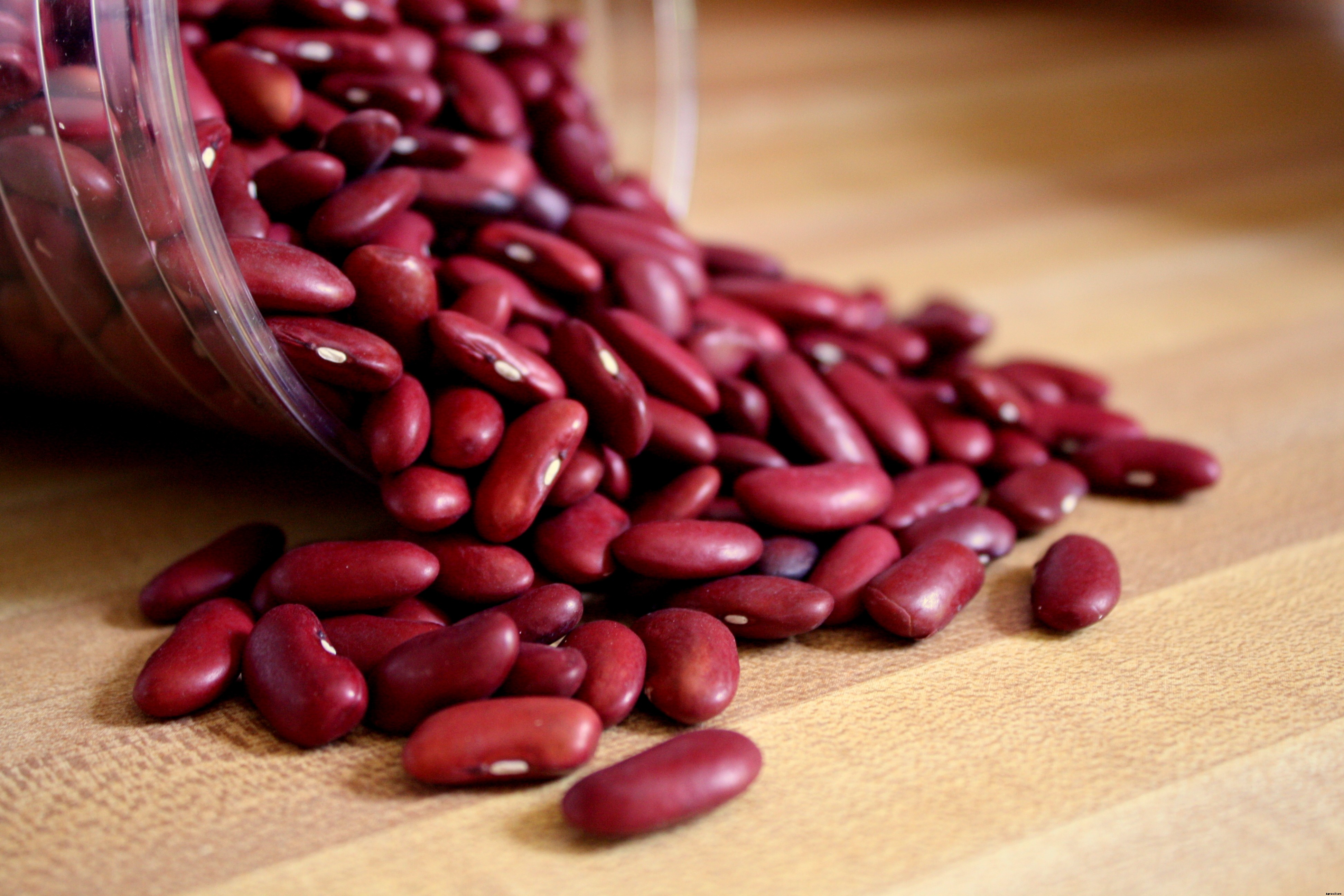
Red beans are moderately easy to grow, but you do need to make sure that the roots do not get waterlogged or otherwise damaged at any point during the season. Like many other bean varieties, Red beans can be grown as bushes or as vines, so you will need to choose a type that works best according to the space you have.
Most Red bean plants do not survive the transplanting process, so you should plan on directly sowing the seeds instead of getting starter plants.
Two to three ploughs are required Red beans need full sun in order to thrive, so you should plan on growing them in a spot that gets at least six hours of direct sunlight a day, if not more. If possible, find a spot with soil that is naturally somewhat loose. Loose soil drains water more effectively, and this is crucial if you want to grow a healthy Red bean plant. If you notice that the water settles or pools in a given area when it rains, you should consider choosing another location. Practice crop rotation from year to year. Do not plant Red beans in soil where other legumes have grown within the past three years.
The soil needs to be fairly light and loose so that water can drain. If your soil is too heavy, you will need to amend it with enough organic material to even it out. The pH of the soil also needs to be near neutral. Good soil amendments include manure and compost. Either option will help loosen the overall density of the soil while also providing plenty of nutrition for the plant as it starts out.
Amend the soil by mixing these extra components in with a trowel or small rake a few weeks before you plan to plant.
The pH of the soil should be between 6.0 and 7.0. Consider mixing powdered inoculants into the soil, as well. This is a type of natural, healthy bacterium that makes it easier for beans to absorb nitrogen during the earliest and most crucial stages of growth.
While many popular Red bean varieties are bush beans, there are a few pole bean varieties. Pole beans grow vertically, so you will need to fix a stake or trellis to the growing location if you want these varieties to produce their maximum yield.
White star ,No2127 , CP103, CP113, CP145 these verities can be grown for better results between feburary to july.
Red beans require adequate warmth and humidity to thrive. Plant them in the spring once you feel fairly certain that the last frost has already passed.
The temperature of the soil should be between 70 and 80 degrees Fahrenheit (21 to 27 degrees Celsius). If at all possible, avoid letting the soil temperature drop below 60 degrees Fahrenheit (16 degrees Celsius)
ideally, the air temperature should be between 65 and 80 degrees Fahrenheit (18 and 27 degrees Celsius) throughout most of the growing season. If a frost does arrive unexpectedly after your Red bean plants have sprouted, cover the seedlings with a bit of mesh cloth or canvas to help protect them from the freezing temperatures.
Red bean seeds should be planted 1 to 1-1/2 inches (2.5 to 3.8 cm) deep. Many farmers prefer to space seeds 1 to 2 inches (2.5 to 5 cm) apart initially. After your seedlings reach a height of roughly 3 inches (7.6 cm), thin them out to a more appropriate spacing, removing the weakest seedlings when possible and preserving the strongest.
For most varieties, you will need to sow separate Red bean seeds 3 to 4 inches (7.6 to 10 cm) apart from one another.
More specifically, pole or vine varieties do well when spaced 4 inches (10.16 cm) apart, while compact bushes may benefit more if spaced up to 8 inches (20.32 cm) apart. The seeds should germinate within 10 to 14 days.
The soil should never be allowed to get too soggy since the roots of the plant are easily damaged when waterlogged. As such, you should only give the plants extra water if your area has experienced a drought. Instead of watering the soil in an effort to keep it continually damp, you should only water it if you check the soil and determine that it has dried out at least a full 1 inch (2.5 cm) down from the surface. You can test it by gently sticking your finger down into the soil and feeling for moisture.
Even though nitrogen-based fertilizers will make your Red bean plants look vibrant and leafy, these fertilizers actually do more harm than good since they encourage the plant to send its energy to its leaves rather than its fruits. Large doses of nitrogen will produce an impressively leafy plant that bears very few edible beans. After the plant gets started, Red beans actually produce their own nitrogen inside their roots. A fertilizer with high levels of nitrogen will inevitably end up feeding the plant too much nitrogen. If your plants are suffering and in need of more nutrition, use a small amount of organic fertilizer that does not supply a hearty amount of nitrogen.
The roots of the plant are quite shallow, so when you dig up weeds, you need to do so carefully to avoid accidentally disturbing or damaging the roots of the Red bean plant.
Never chop up the weeds around a Red bean plant using a hoe or trowel. Instead, you should pull the weeds up by hand. You could also help keep weeds out by spreading a 1- to 2-inch (2.5- to 5-cm) layer of mulch on around the plant after it sprouts. Additionally, mulch provides the extra benefit of maintaining adequate warmth and humidity while preventing pods from rotting once they touch the ground.
Some pests do target Red beans, and the plant is also vulnerable to a few different diseases. If you run into problems, you may need to apply an appropriate pesticide or fungicide.
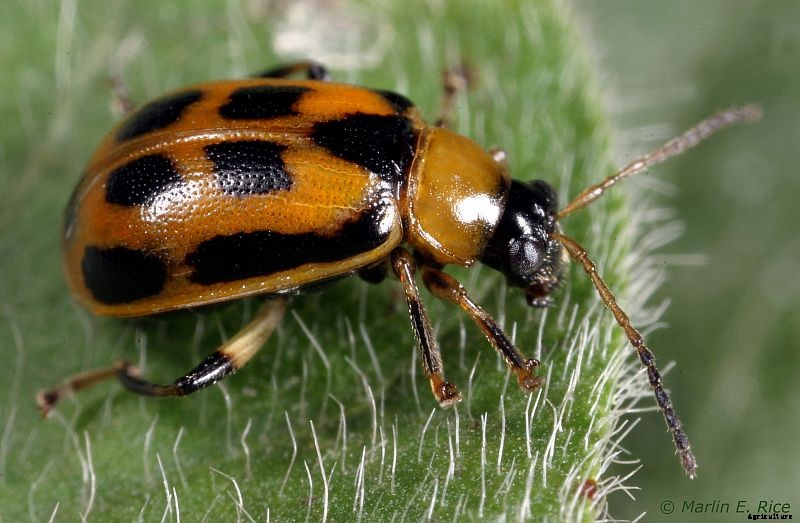
Several insecticides that are effective against bean leaf beetles, including esfenvalerate, permethrin, or carbaryl.
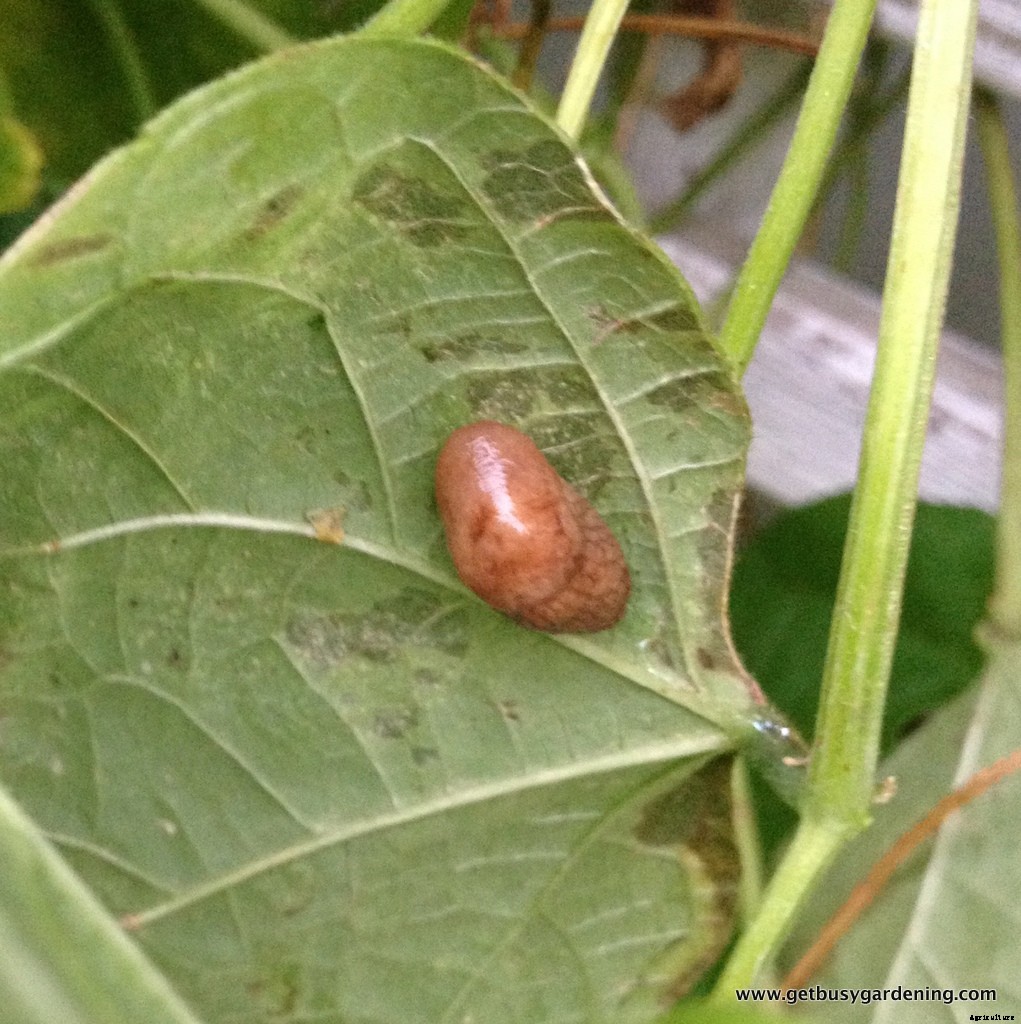
The most effective slug control is handpicking, but it can be time consuming. Carefully check each plant around nightfall, paying special attention to hidden spots deep within beds and removing slugs as you find them. Drop the slugs into a bucket of soapy water to drown them. If you are persistent and check nightly, after a week or so you should see no slugs in your garden, but continue to check periodically in case eggs hatch or new populations move in.
Exclusion is often used along with handpicking to prevent reinfestation. Copper bands 4 inches wide are used like a barrier around the garden, either with the band flat or with the bottom 1/2 to 1 inch bent so that the barrier can be stood up like a wall. With either use, make sure that the barrier has no gaps and remains free of debris and that no plant material hangs over it that the slugs may use as a bridge. When slugs attempt to slide across copper surfaces, it is believed they feel a shock, causing them to flee.
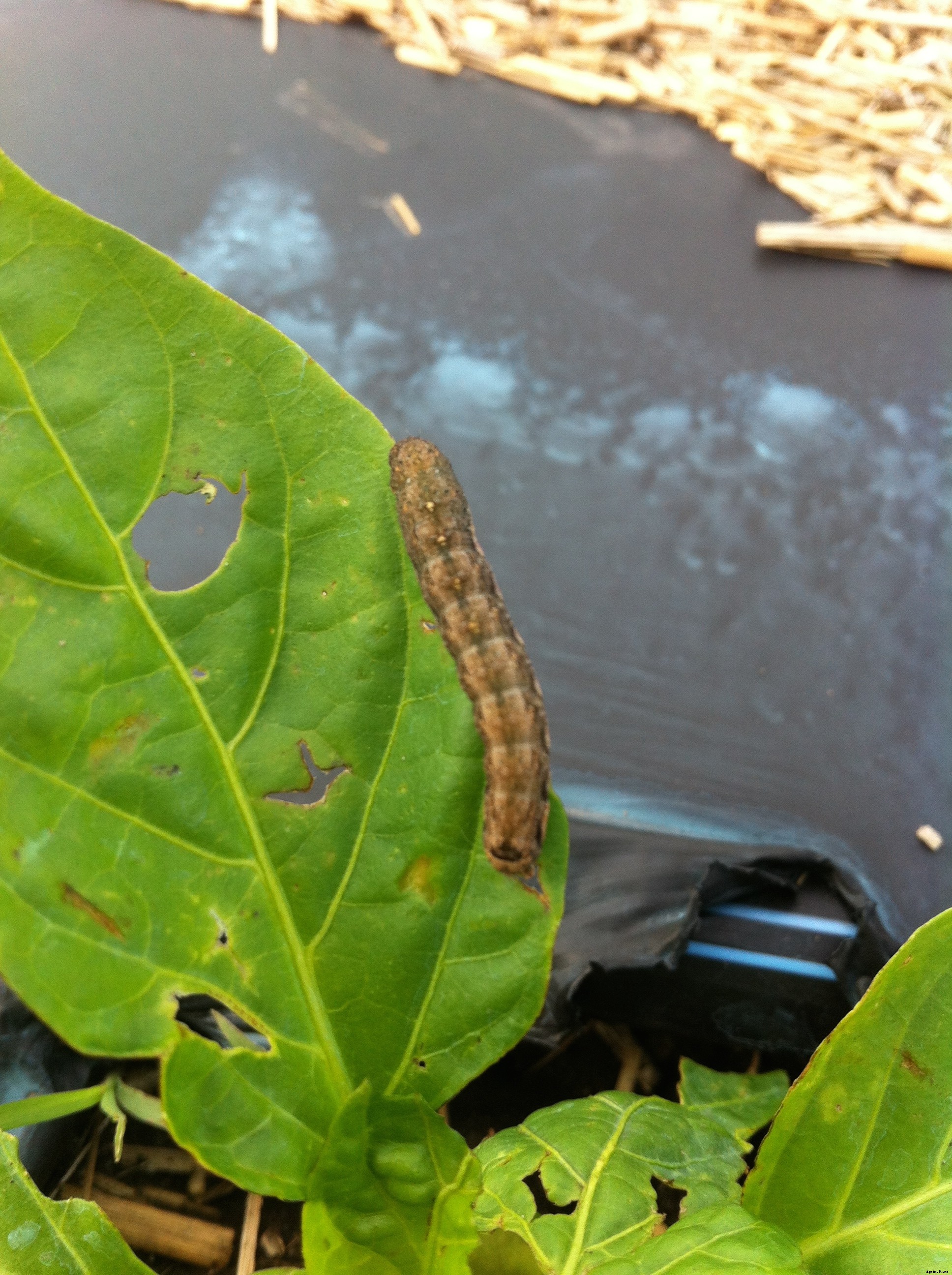
In the spring, emerging cutworms will be waiting to feast on your crop. Cut off their food supply by delaying transplanting or planting by a couple weeks if possible. Keep up with cultivation. The moths prefer to lay eggs in high grass and weeds. At the end of the season, plow or till the garden and mow surrounding areas to expose cutworms and destroy their winter habitat. Fireflies are a fun insect to have around the garden, plus they are a natural predator to cutworms. Check out these tips to attract fireflies to your garden. Birds are another natural predator to cutworms. Learn how to make your garden bird-friendly.
Cypermethrin and Karate 2.5 WG are the chemical control for this insect
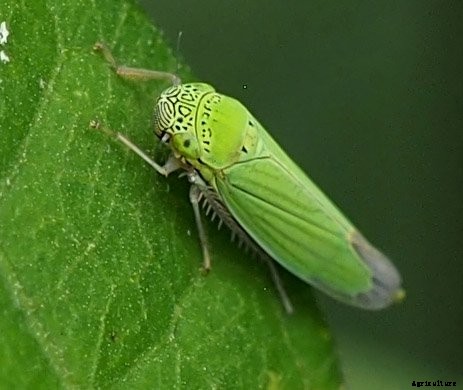
Remove garden trash and other debris shortly after harvest to reduce over-wintering sites. Floating row covers can be used as a physical barrier to keep leafhoppers from damaging plants. Commercially available beneficial insects, such as ladybugs, lacewing and minute pirate bugs, are all voracious predators of both the egg and young larval stage. Apply diatomaceous earth to plants and/or spot treat with insecticidal soap to keep pest populations under control. Thorough coverage of both upper and lower infested leaves is necessary for effective control. If pest levels become intolerable, spot treat with potent, fast-acting organic insecticides as a last resort.
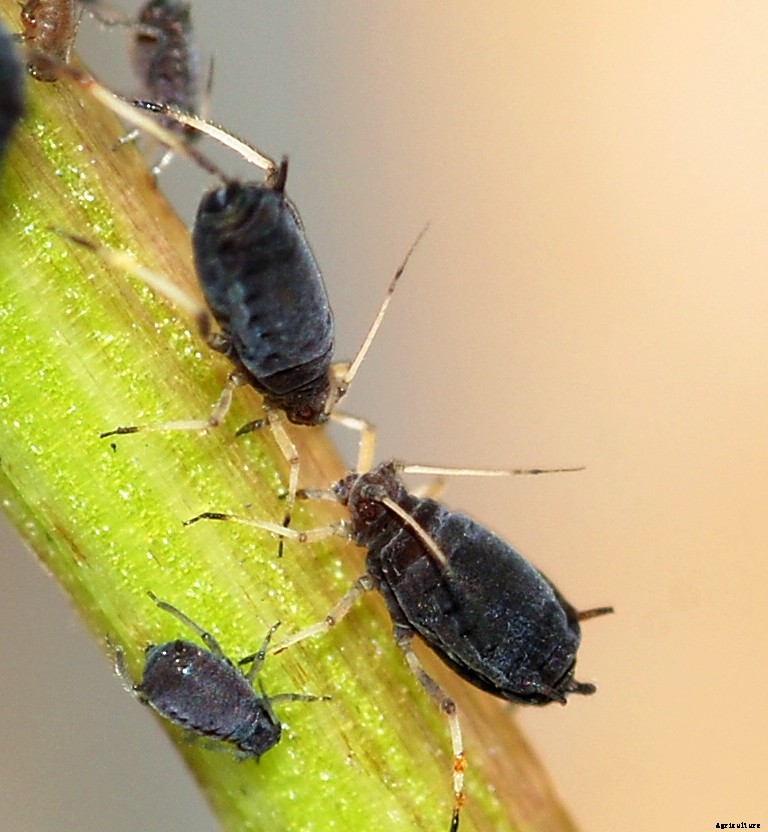
Aphids may also attack your plant, but these cannot be picked off by hand. Conserve natural enemies (lady beetle larvae and adults, lacewing larvae and adults, hover fly, parasitic wasps) by learning to recognize them and managing foliar insecticides. Supplement food and habitat for natural enemies with “insectary plants” (alfalfa, buckwheat, clover, mint, vetch). Mass release from commercial insectaries. Suppliers of Beneficial Organisms. Association of Natural Bio-Control Producers Treat the plant with an appropriate pesticide once you spot aphids since these pests can spread bean mosaic virus.
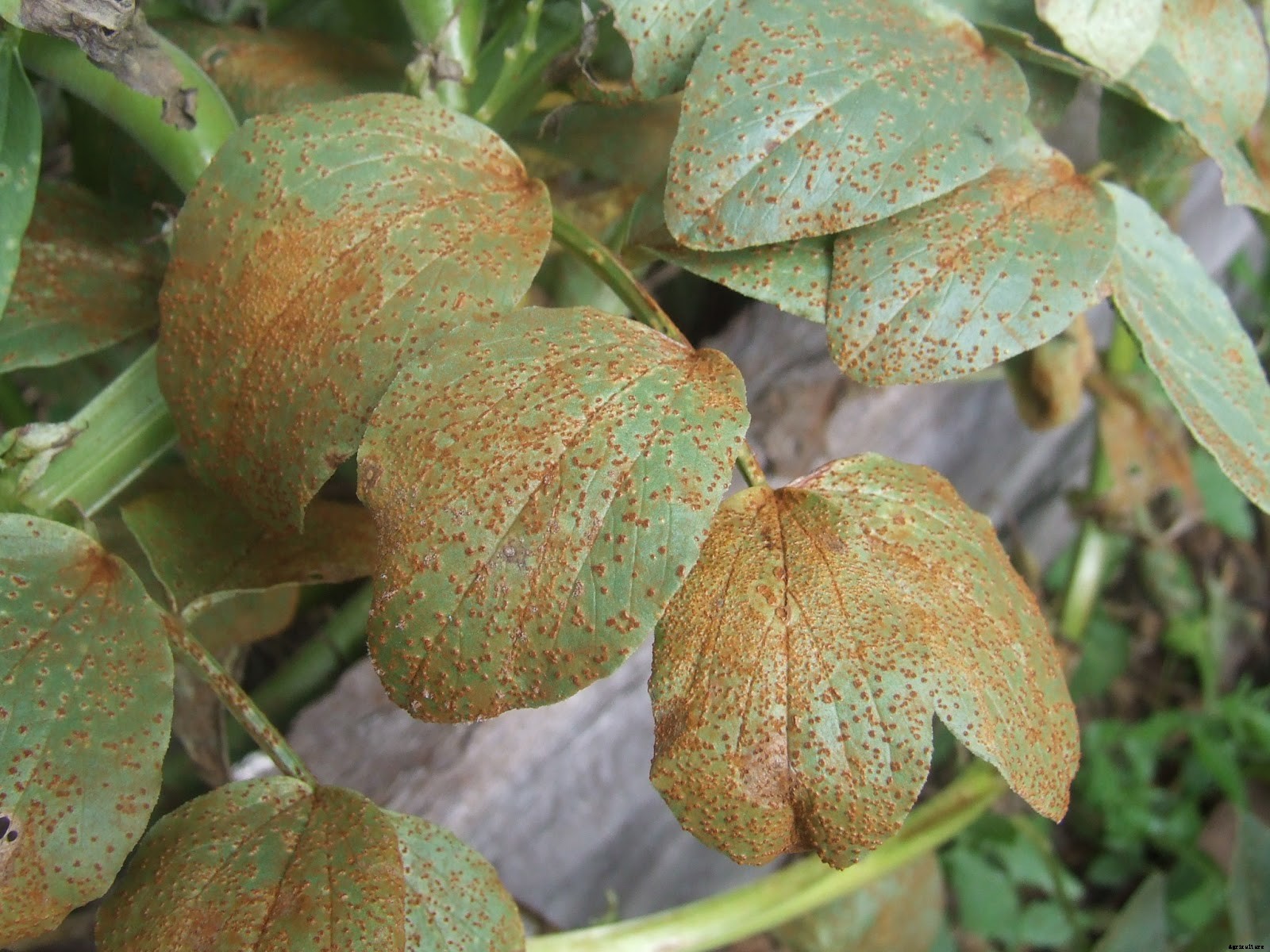
Bean rust is a reddish-brown fungus that can show up in patches on the leaves of a Red bean plant, and it should be treated with a fungicide as soon as you spot the first signs of it. As a preventative measure against rust fungus, many bean growers will add lime Sulphur to the soil around bean plants in early spring. Some other ways to prevent rust spots on bean plants are: Properly spacing plants to allow for air flow and prevent infected plant tissues from rubbing against other plants. Watering bean plants with a slow trickle directly at the root zone of the plant. Splashing water can spread fungal spores. Keeping garden clean of debris that can be a breeding ground for pests and disease. If you suspect that your bean plants have fungal rust, remove and dispose of all infected tissues of the plant. Always use sharp, sanitized pruners when pruning plants. To reduce the spread of disease, it is recommended that you dip pruners in a mixture of bleach and water between each cut. After infected tissues have been removed, treat the whole plant with a fungicide, such as copper fungicide or neem oil. Be sure to get all surfaces of the plant and also spray the soil around the plant crown. Regularly inspect the plant for any sign that the disease has returned.
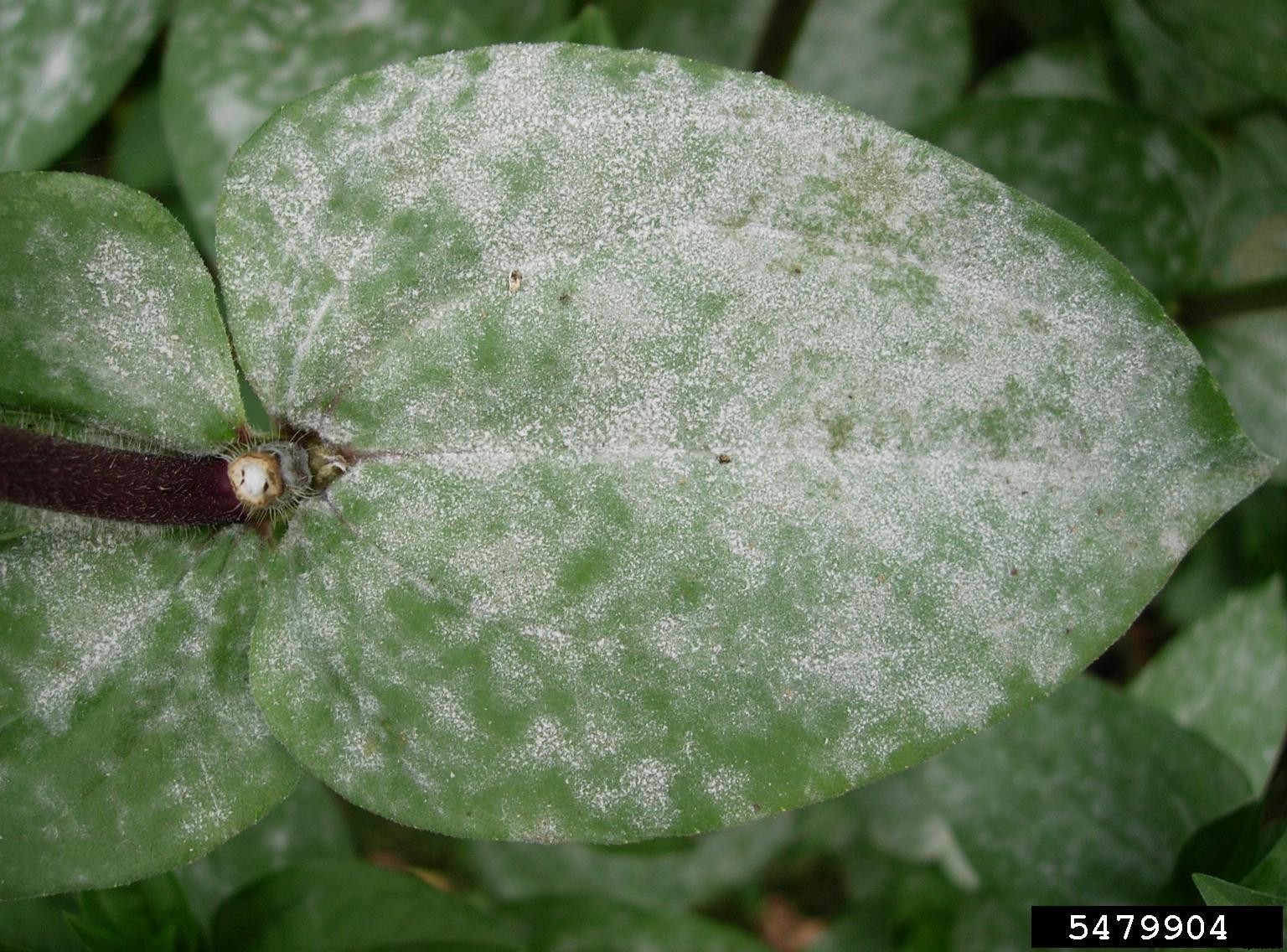
Powdery mildew may attack your plant, as well. It will look like a fine white powder. You should treat the plants with a fungicide as soon as possible and reduce the amount of watering you do. Humid conditions produce mildew, so make sure that the plants are only watered at the soil level and not on the leaves. If squirrels, deer, or rabbits become pests, you can keep them out with fencing or netting.
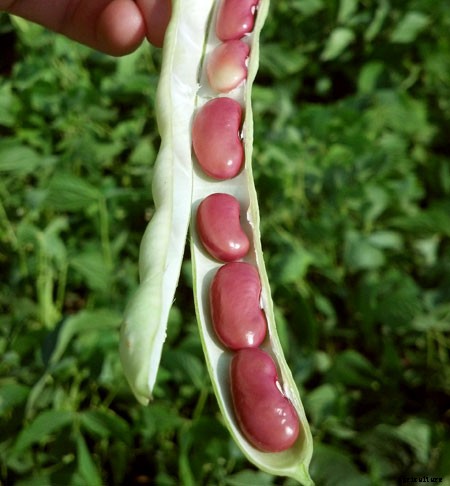
Bush varieties should be harvested once at the end of the growing season. Pole varieties can be harvested several times throughout the season, but the largest harvest will usually be at the end of the season. Depending on the variety you chose, Red beans should be ready to harvest after 90 to 150 days. Pole varieties produce a harvest on a regular basis for one to two months. Adequately mature bean pods will be dry to the touch, and the beans inside the pods will feel very hard. Check the beans of one pod before you harvest the other pods. You can check to see if the beans are done by carefully biting down on one. If your teeth can dent the bean, then the rest should be allowed to dry for a longer period of time before you harvest and shell them.
If dropping temperatures or other unfavorable conditions threaten your harvest, you can pull Red bean plants early and allow the beans to finish drying the rest of the way afterward. High humidity can also make it difficult to dry the beans on the plant. In this instance, you will need to finish drying them inside, as well. Remove the plants and hang them upside-down by the root for several days or weeks until the pods seem dry and the beans inside are hard. Make sure that most of the foliage has died before you pull the plants. Keep the beans in a warm indoor location with lots of circulating air as you dry them.
After you have plucked the pods from your plant, you will need to break them open and pull out the beans hidden inside. If you allowed the plants to mature correctly, the beans should already be hard and dry. You can shell a small harvest by hand, but if you have a larger harvest, you may want to shell them in batches. Place the pods in a pillowcase or similar bag. Carefully step on the pods through the pillowcase to crack them open. When done, sift through the pieces to sort out the beans and leave behind the broken pods.
Place the harvested Red beans in a jar and store them in a dry, dark location until ready to use. Dried beans can last up to a year in the right conditions. For best results, store the beans in airtight jars or bags.


