Welcome to Modern Agriculture!

If you’ve ever watched a largemouth bass explode on a lure, you already know this is not just any fish. Largemouth bass are powerful, intelligent, and highly prized both for sport and for their value. So, the idea of raising them in your own aquaponics system? That’s next-level rewarding.
Most beginners start with tilapia,and for good reason. They’re hardy, forgiving, and fast-growing. But largemouth bass are different. They demand more attention, more precision, and a better-designed system. In return, they offer something most aquaponics fish don’t: a premium species that feels truly special to raise.
This blog is for growers who want to go beyond the basics.
Whether you’re:
-you’re in the right place.
Here’s the honest truth: Largemouth bass are not the easiest fish to raise. They’re more sensitive to water quality, require higher oxygen levels, and can be aggressive if not managed properly. But with the right setup and knowledge, they can absolutely thrive in an aquaponics system.
In fact, many growers who switch to bass say it completely changes how they approach aquaponics. You start thinking more about system balance, fish behavior, and long-term sustainability, not just keeping things “good enough.”
And that’s where this blog comes in.
I’ll walk you through everything you need to know, from understanding bass behavior to setting up the right environment, feeding them properly, and avoiding the most common mistakes that trip people up.
Raising Largemouth bass successfully in aquaponics comes down to one thing: working with their nature, not against it.
This isn’t a passive, easygoing fish. Bass are predators, and everything about how they behave will influence how you design and manage your system.
Unlike tilapia or carp, largemouth bass are
In a tank environment, this translates to a few realities:
From experience, one of the fastest ways to run into trouble with bass is treating them like a “community fish.” They’re not. They’re more like the apex predator in a small ecosystem, and your system needs to reflect that.
If you want bass to grow well (not just survive), you’ll need to dial in these conditions:
Here’s the key insight:Bass don’t tolerate “borderline” conditions very well. Where tilapia might shrug off fluctuations, bass tend to react, sometimes quickly.
That means consistency matters just as much as hitting the “right” numbers.
Let’s be clear, raising largemouth bass is not the easiest route in aquaponics.
Common challenges include:
But here’s the flip side:
In many ways, bass forces you to level up as a grower and that’s exactly why success with them feels so rewarding.
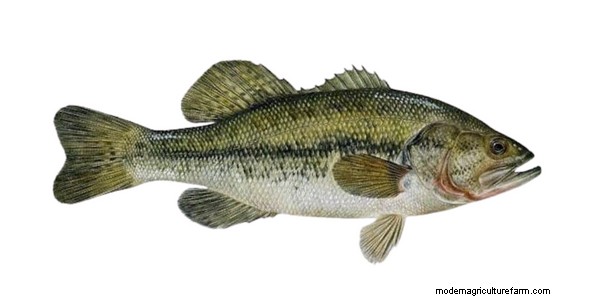
Here’s where most people get it wrong: they try to fit largemouth bass into a system designed for easier fish. That usually ends in slow growth, stressed fish, or worse, losses that could’ve been avoided.
If you take one thing from this section, let it be this: bass don’t adapt to weak systems, you need to build a system that meets their standards.
Before stocking largemouth bass, run through this quick checklist:
1. Tank Size: Aim for at least 500–1,000 liters (130–260 gallons) for small-scale setups. Bigger is always better with bass as they need space to reduce stress and aggression.
2. Filtration Capacity: You’ll need both:
Bass produce significant waste, especially on high-protein diets.
3. Aeration System: Non-negotiable. Use:
4. Water Flow and Circulation: Eliminate dead zones. Water should move consistently throughout the tank and grow beds.
Healthy stocking isn’t just about dropping fish into a tank. It’s about starting with the right fish, at the right density, introduced the right way.
Your results will only ever be as good as the fish you start with.
Best options:
1. Reputable hatcheries
2. Local suppliers or fish farms
What to look for in healthy bass fingerlings:
Avoid fish that linger near the surface or isolate themselves, those are early warning signs.
Bass are not forgiving when overcrowded.
Safe starting point:
Why this matters:
Tip:Always think long-term. That small fingerling will grow, and your system needs to handle the adult fish, not just the current size.
Here’s something many guides don’t emphasize enough:
Uneven fish sizes means problems.
Largemouth bass are opportunistic feeders. If one fish can fit another in its mouth, it eventually will.
What to do:
This simple habit can dramatically reduce losses due to cannibalism.
Even perfectly healthy fish can die if acclimation is rushed.
Step-by-step acclimation process:
Stress is the silent killer in aquaponics.
To keep fish calm and healthy:
From experience, the first 48 hours after stocking are critical. If fish settle in well during this window, your chances of long-term success go way up.
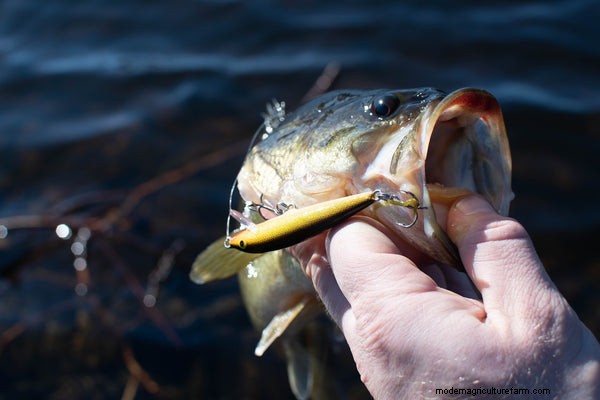
With largemouth bass, feeding isn’t just about keeping fish full. It directly controls:
Get this right, and your system thrives. Get it wrong, and problems show up fast.
Bass are strict carnivores, which means they require a high-protein diet to grow properly.
Best option (recommended):
1. Commercial floating pellets (40–50% protein)
2. Optional supplements:
Most successful aquaponics growers stick primarily to high-quality pellets. It’s cleaner, more consistent, and easier to manage.
Feeding isn’t about dumping food, it’s about timing and observation.
General guidelines:
Rule of thumb:
This is where feeding directly affects your entire system.
Uneaten food:
With bass, this is especially risky because they’re less tolerant of poor water conditions than fish like tilapia.
From experience, feeding time is also the best time to “check in” on your system. Healthy bass are aggressive feeders; if that changes, something’s off.
If feeding is the engine of your aquaponics system, water quality is the foundation it runs on.
With Largemouth bass, this becomes even more critical. These fish don’t tolerate poor conditions for long, and when something goes wrong, they usually show it fast.
Your fish will often tell you before your test kit does, if you know what to look for.
Watch for:
One thing I’ve learned: When bass stop feeding aggressively, don’t ignore it. That’s usually your first warning sign.
Because bass eat high-protein diets, they produce more nitrogen waste than many other aquaponics fish.
That means your biofilter isn’t optional, it’s critical.
A well-established biofilter:
If you’re raising bass, this is worth thinking about early:
It might feel like overkill, until the day it saves your entire tank.
One of the biggest mindset shifts when raising Largemouth bass is this:
They’re not a “fast turnover” fish, and that’s by design.
If you’re used to tilapia doubling in size quickly, bass will feel slower. But slower doesn’t mean inefficient. It just means you’re playing a different game, one that rewards patience and precision.
Growth rates depend heavily on system conditions, but here’s a realistic baseline for aquaponics:
In ideal conditions, some growers push faster growth, but most systems fall within this range.
Harvest size depends on your goals, but most growers aim for:
You don’t have to harvest all at once either.
Staggered harvesting:
Let’s go through the most common issues growers face and what actually works to fix them.
Bass are predators, and in a confined system:
Why it happens:
How to fix it:
Common causes:
Solutions:
This is one of the earliest warning signs and one of the most important to act on.
Possible causes:
What to do immediately:
From experience, a drop in appetite is rarely “just a phase.” It’s usually your system asking for attention.
Bass are especially sensitive to oxygen shortages.
Warning signs:
Fixes:
Tip:Warm water holds less oxygen, this becomes critical in hot climates.
While bass are generally hardy in good conditions, stress opens the door to disease.
Common signs:
Prevention (your best defense):
In aquaponics, prevention always beats treatment, because treatments can disrupt your entire ecosystem.
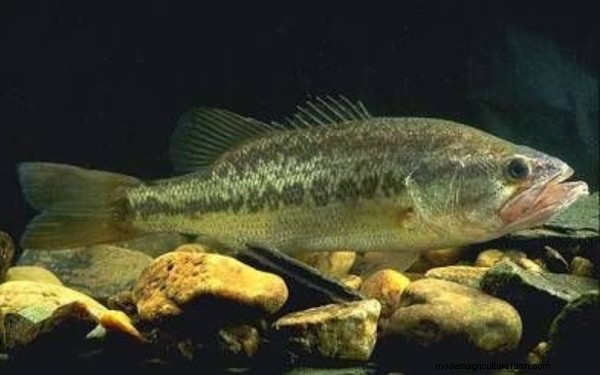
Raising Largemouth bass in aquaponics can be profitable, but not in the way most beginners expect. It’s not a “quick flip” fish. It’s a longer-term, higher-value approach that rewards efficiency, consistency, and good system design.
Your main costs:
Your potential returns:
Here’s the key distinction:
Bass don’t win on speed, they win on value.
If you’re thinking purely in terms of selling fish, margins can be tight, especially on a small scale.
But most successful aquaponics growers don’t rely on just one income stream.
They combine:
In some cases:
Good fit for:
Not ideal for:
Raising largemouth bass in aquaponics isn’t the easiest path, but that’s exactly what makes it rewarding.
If you:
…then bass can take your aquaponics experience to a completely different level.
Start simple. Build smart. Stay consistent.
And when everything clicks, you’ll see why so many growers consider this one of the most satisfying ways to practice aquaponics.