Welcome to Modern Agriculture!

Some varieties stay compact. Others spread aggressively, so choose carefully for your space. Wormwood makes an excellent filler or backdrop for brighter flowers. It’s also deer-resistant and low-maintenance once established.
It thrives in poor soil, harsh conditions, and neglect. Native species spread easily, filling empty spaces in wildflower gardens or naturalized areas. Pair it with asters and grasses for a gorgeous late-season display. Once established, it needs zero care.
 Depositphotos
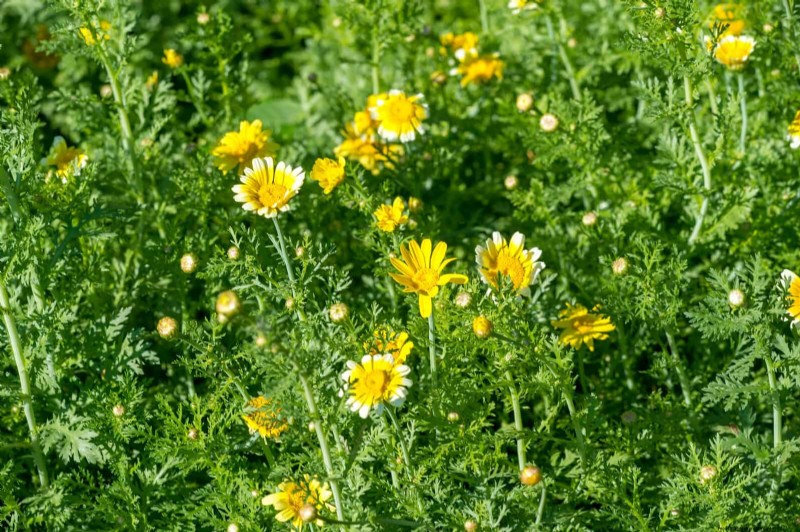
Threadleaf coreopsis has finely textured, fern-like foliage and produces cheerful daisy-like flowers for months. With deadheading, it blooms from late spring through fall.
This perennial loves poor soil and full sun. It tolerates drought, heat, and neglect beautifully. The airy texture softens garden borders, and it pairs well with bolder flowers like coneflowers or black-eyed Susans. Varieties like ‘Moonbeam’ (pale yellow) and ‘Zagreb’ (golden yellow) are especially long-blooming.
 Depositphotos
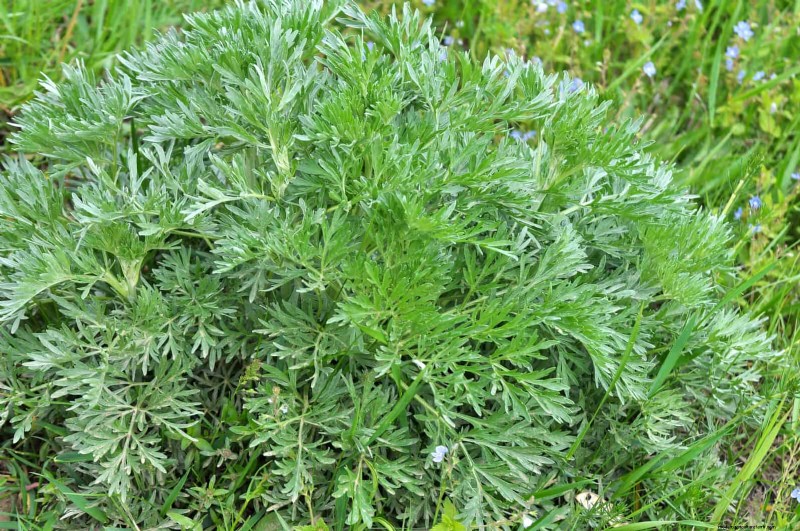
Wormwood’s silvery foliage adds striking contrast in the garden. It thrives in poor, dry soil and tolerates drought, deer, and neglect. The plant has a strong scent that some people love and others find too pungent.
Some varieties stay compact. Others spread aggressively, so choose carefully for your space. Wormwood makes an excellent filler or backdrop for brighter flowers. It’s also deer-resistant and low-maintenance once established.
 Depositphotos
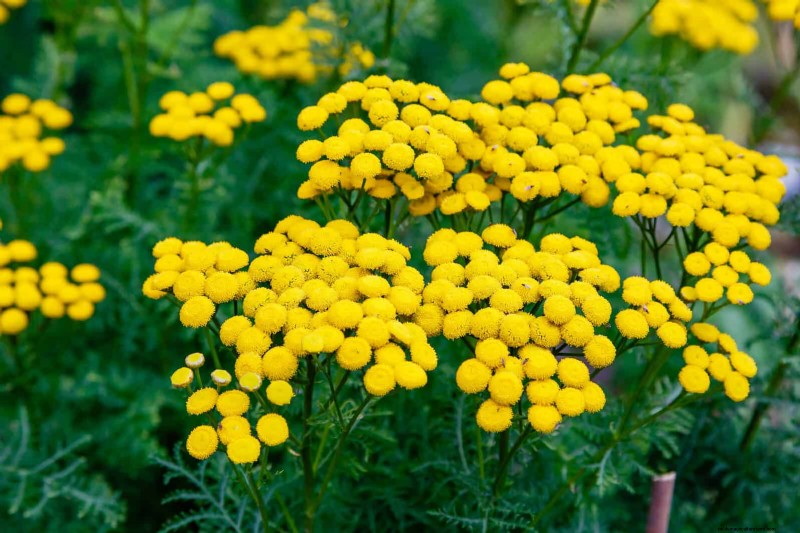
Tansy grows in almost any soil type. The fern-like leaves and clusters of button-like yellow flowers look cheerful all summer. It spreads quickly, so plant it where it has room to roam or be prepared to control it.
This historic herb was once widely used in cooking and medicine. Today, it’s mostly grown as an ornamental. It’s great for filling empty spots, controlling erosion, or adding texture to naturalized areas. Just don’t let it take over.
 Depositphotos
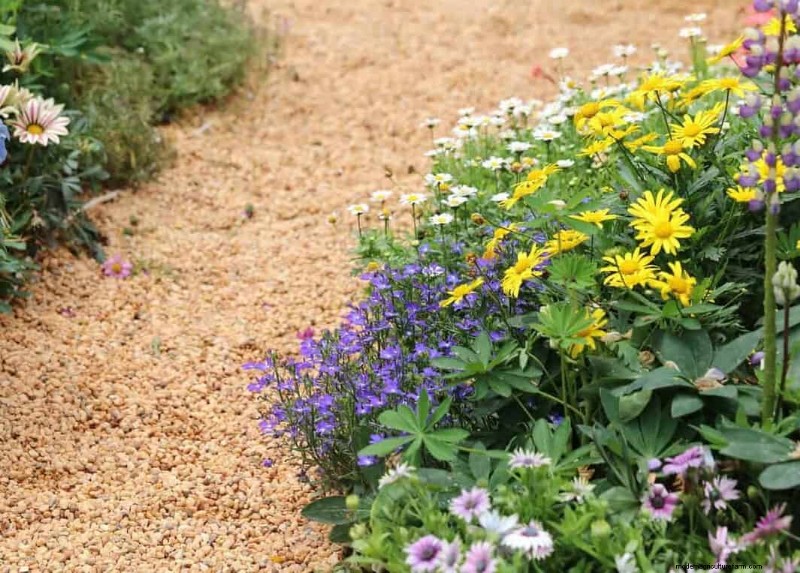
Your soil doesn’t have to be perfect. These resilient plants show that growth and beauty are still possible, even in less-than-ideal soil conditions. They tolerate sand, rocks, clay, drought, and neglect without complaint. Many actually perform better in lean conditions than rich ones.
Pick plants that match your site instead of fighting to change your site. Mix textures, heights, and bloom times for a garden that looks good all season. Most of these plants need almost no care once they’re established. Water them through their first summer, then step back and let them do what they do best: survive and thrive where others would struggle.
 Depositphotos
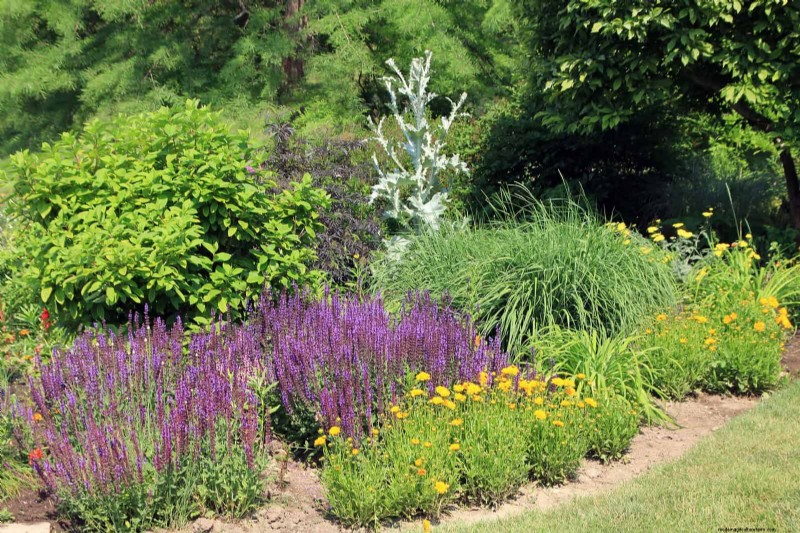
Most guides get this wrong: you don’t need perfect soil to have a gorgeous garden. In fact, some of the toughest, most resilient plants actually prefer the rocky, sandy, or just plain lousy soil that most people try to “fix.” These survivors don’t need coddling. They thrive on neglect, handle heat and drought like champions, and still put on a show that’ll make your neighbors wonder what you’re doing right.
Forget what you’ve heard about amending every inch of your yard. That’s expensive, exhausting, and often unnecessary. Instead, work with what you’ve got. The following plants laugh at poor soil. They’ll fill those tricky dry spots, soften hard edges, and bring color to places where nothing else wants to grow.
Quick Answer
Poor soil doesn’t doom your garden. Many plants (including yarrow, sedum, lavender, and coneflower) actually thrive in dry, rocky, or sandy conditions without amendments. Choose the right plants, and your “bad” soil becomes an asset.
 Depositphotos
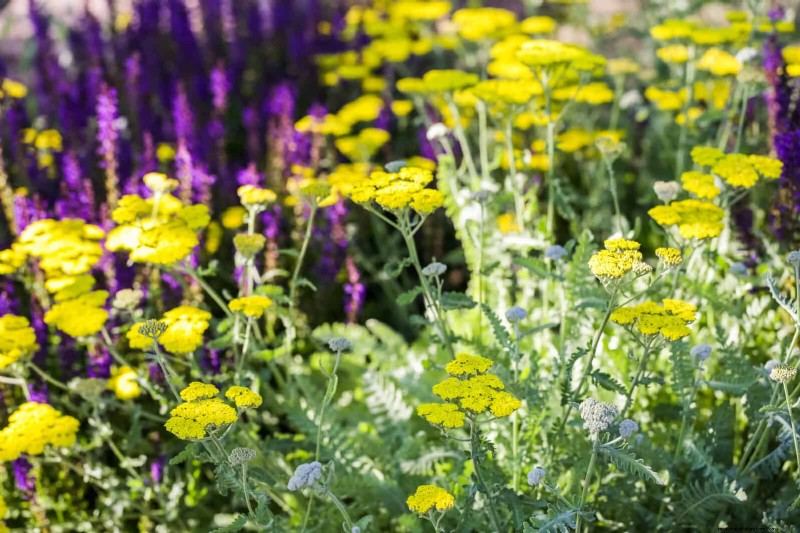
Yarrow tolerates bone-dry, sandy soil better than just about anything. Once it’s in the ground and settled, it basically takes care of itself. The flat-topped flower clusters come in yellow, pink, red, or white, and they bloom from early summer straight through fall if you deadhead them.
Butterflies mob it. Deer avoid it. The fern-like foliage stays low and tidy, making it a solid choice for borders or meadow plantings. You can cut the flowers for arrangements, or leave them standing for dried winter interest. Water it sparingly (if at all) once established. Too much moisture actually weakens yarrow and encourages root rot.
 Depositphotos
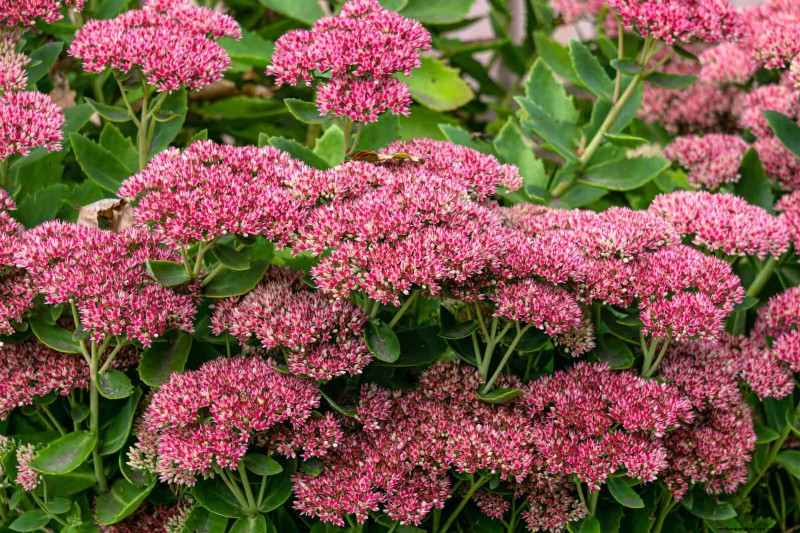
Sedum comes in a wild range of forms. Low creeping types work for ground cover or rock gardens. Upright varieties like ‘Autumn Joy’ form clumps that bloom late in the season when most everything else is winding down. The fleshy leaves store water, so these plants shrug off drought completely.
They’re almost impossible to kill. Plant them in gravel, sand, or compacted clay, and they’ll still thrive. Bees and butterflies love the flowers. The spent blooms turn rusty and attractive in fall, so many gardeners leave them standing all winter. Divide clumps every few years if they get too thick, but otherwise, leave them alone.
 Depositphotos
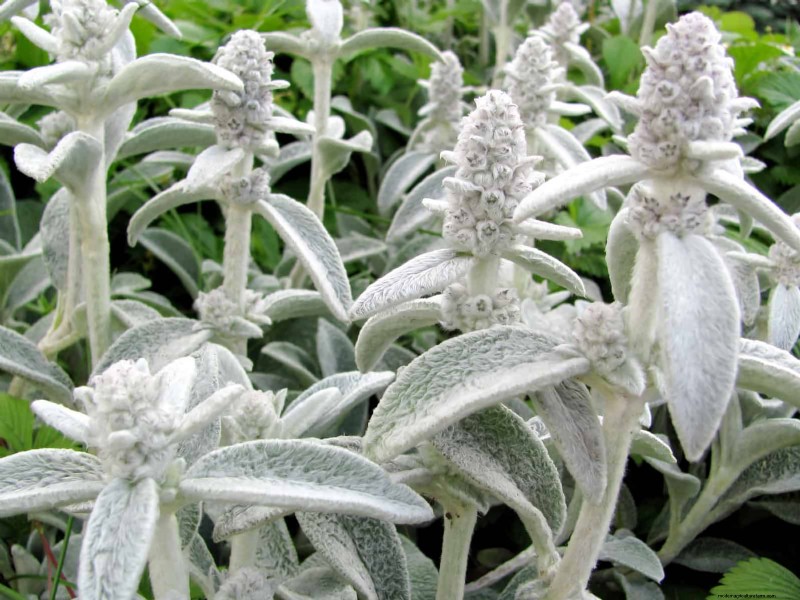
The velvety silver leaves feel exactly like you’d expect from the name. Kids love touching it, which makes it a great plant for pathways or front-of-border spots. It spreads nicely without being aggressive, filling bare patches with soft, textured foliage.
Lamb’s ear tolerates poor, dry soil and full sun. In fact, it performs better in lean conditions than rich ones. Too much moisture or fertility causes the leaves to rot at the center. Pink-purple flower spikes appear in summer, though some gardeners snip them off to keep the foliage looking clean. Deer won’t touch it, and it pairs beautifully with roses, lavender, or catmint.
 Depositphotos
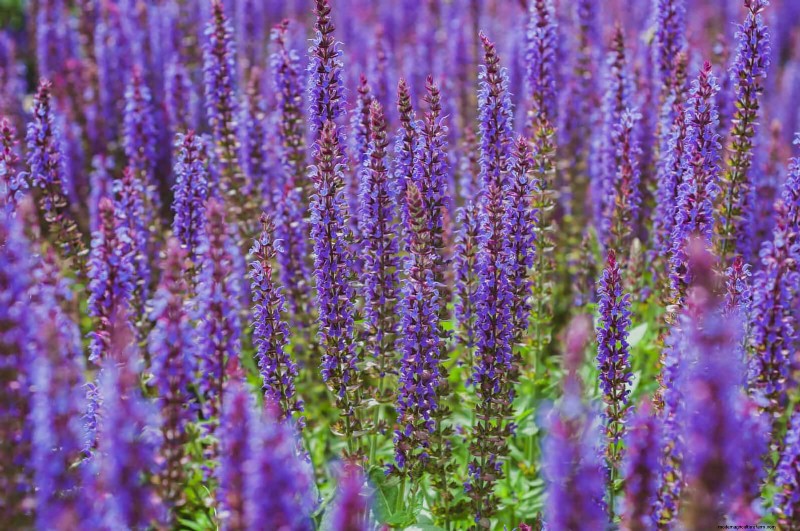
This plant looks delicate but handles brutal conditions. The silvery stems and airy lavender-blue flowers create a hazy cloud effect that softens hard edges in the garden. It grows tall (three to four feet) and works well as a backdrop for shorter perennials.
Russian sage thrives in dry, rocky soil and scorching sun. Pollinators swarm it all summer. Deer leave it alone. Cut it back hard in early spring (down to about 6-12 inches) to encourage bushy growth. Avoid overwatering. This is one plant that actually suffers from kindness.
 Depositphotos
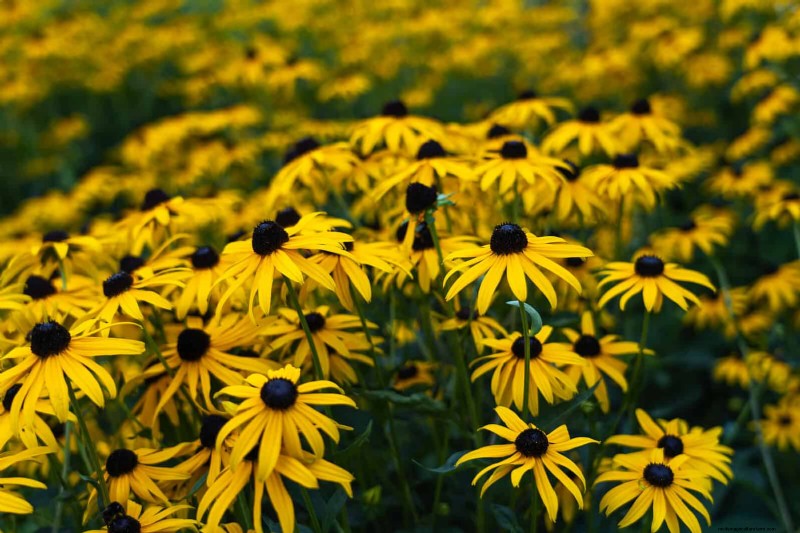
These cheerful wildflowers grow anywhere. Seriously, anywhere. Dry soil, poor soil, compacted soil… they don’t care. The golden-yellow petals with dark chocolate centers brighten roadsides, meadows, and neglected garden corners without any help.
Black-eyed Susans spread easily (sometimes too easily, so watch them in small gardens). They handle drought, heat, and general neglect without missing a beat. Butterflies and bees flock to them. Goldfinches eat the seeds in fall. They’re perfect for naturalized areas or wildflower mixes where you want carefree color.
⚠️ Heads Up About “Thriving” When we say a plant “thrives” in poor soil, we don’t mean it’ll look better there than in good soil. We mean it tolerates tough conditions without dying or looking miserable. Most of these plants will still appreciate some water during establishment and won’t say no to decent drainage.
 Depositphotos
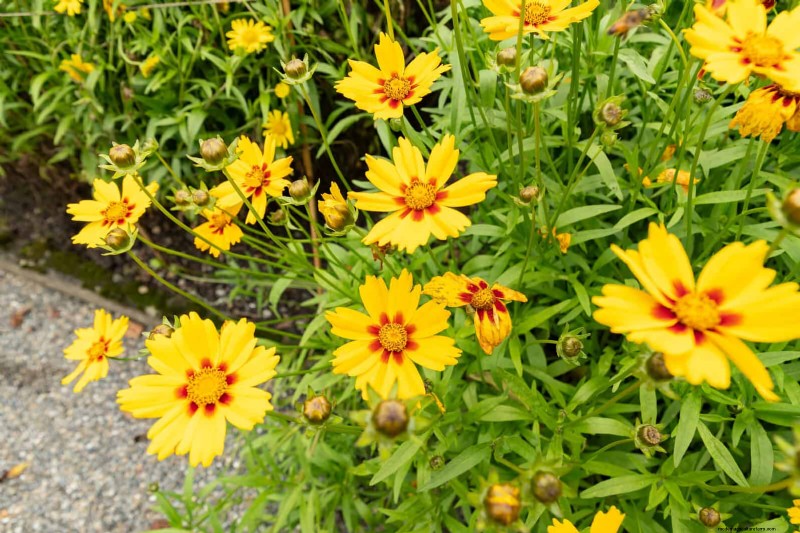
Also called golden tickseed, this annual blooms from early summer until the first hard frost. The daisy-like flowers feature bright yellow petals with maroon-red centers, and they sway on thin, wiry stems that catch the breeze.
Plains coreopsis loves heat, sun, and lean soil. It often reseeds itself, popping up year after year without replanting. Pollinators appreciate the long bloom period. Deer ignore it. Deadheading encourages more flowers, but even if you skip it, the plant keeps going. It’s a workhorse for sunny, dry spots.
 Depositphotos
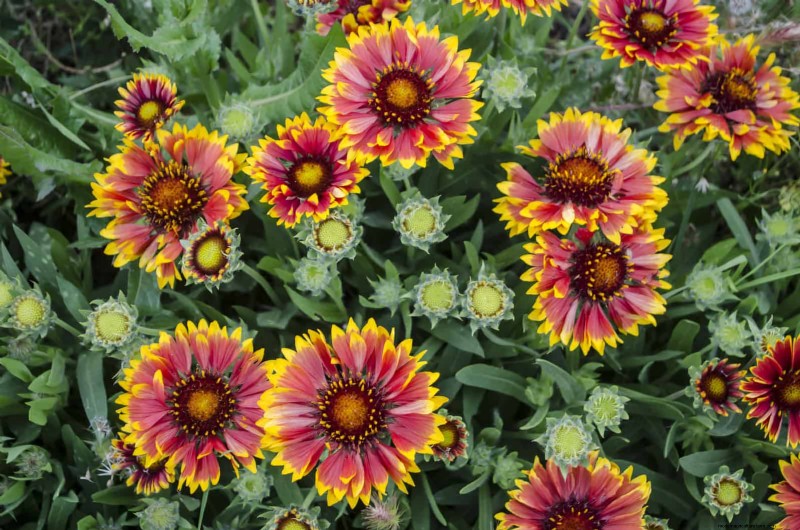
Blanket flower delivers bold, sunset-colored blooms (red, orange, yellow, or combinations) nonstop from late spring through fall. It handles poor, sandy soil and scorching heat without complaint. In fact, overwatering or over-fertilizing causes it to flop and bloom less.
Deadhead regularly to keep the flowers coming. The plant stays compact (12 to 18 inches tall) and works well in borders or mass plantings. It attracts butterflies and tolerates coastal conditions, making it a solid choice for seaside gardens. Once established, it needs almost no care.
 Depositphotos
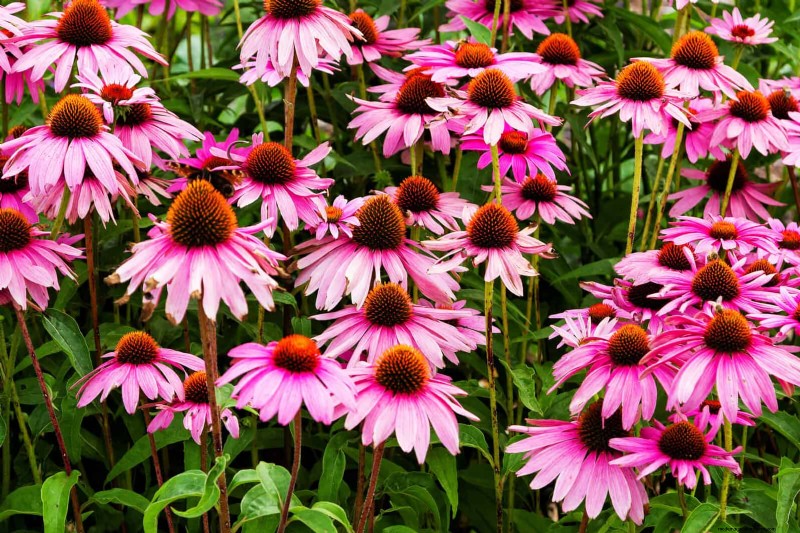
Native to prairies and open woodlands, coneflowers tolerate rocky, poor soil just fine. The large daisy-like flowers come in purple, pink, white, orange, and even green. They bloom for weeks in summer, and the spiky seed heads look attractive all winter.
Pollinators mob the flowers. Goldfinches perch on the dried seed heads in fall, eating the seeds. Coneflowers handle drought once established and rarely need dividing. They’re long-lived perennials that improve with age, forming larger clumps each year. Just avoid planting them in wet, heavy soil (they’ll rot).
 Depositphotos
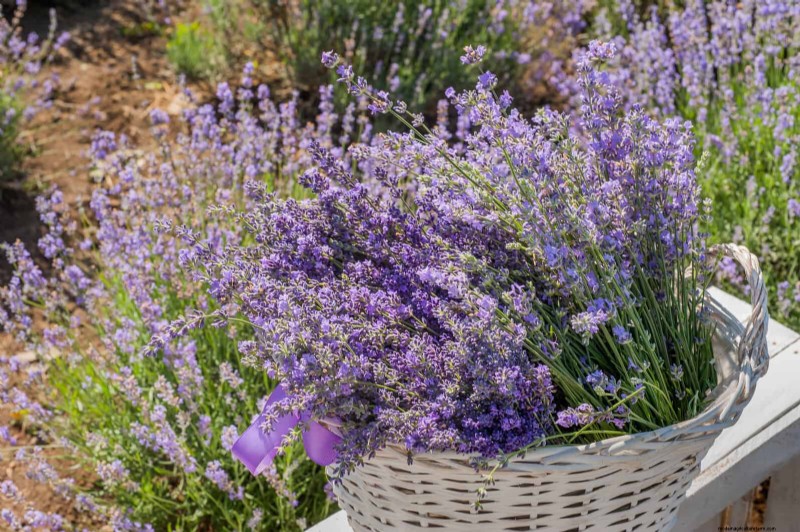
Lavender hates rich soil. It grows best in sandy or gravelly conditions with excellent drainage and full sun. Overwatering or over-fertilizing kills it faster than drought ever will. Once it’s established, water sparingly (or not at all in most climates).
The fragrant purple blooms attract bees like crazy. You can harvest the flowers for sachets, cooking, or arrangements. Prune lavender annually after flowering to keep it compact and prevent woody growth. In cold climates, choose hardy varieties like ‘Munstead’ or ‘Hidcote.’ In warmer zones, Spanish lavender (L. stoechas) works well.
 Depositphotos
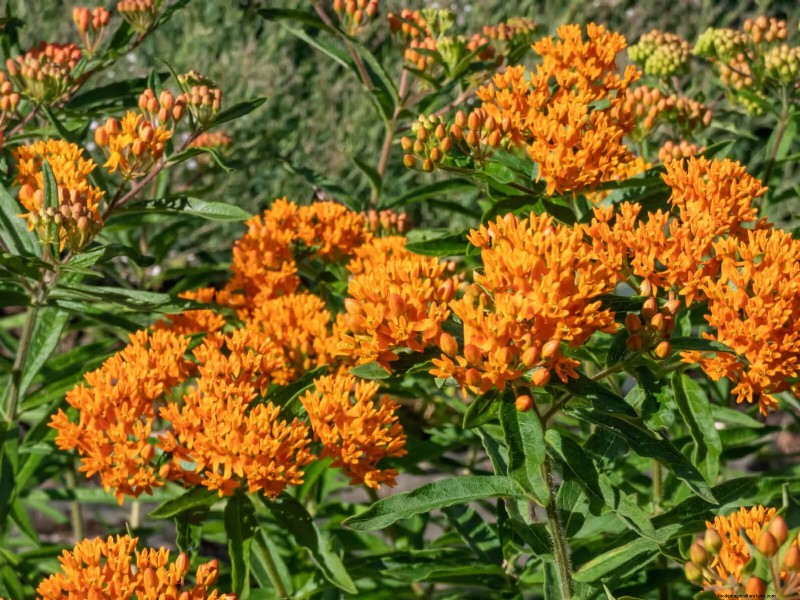
This native wildflower specializes in dry, sandy soil. The bright orange flowers (sometimes yellow or red) are magnets for monarch butterflies. It’s a host plant for monarch caterpillars, so expect to see them munching on the leaves.
Butterfly weed grows slowly from a deep taproot, which makes it drought-tolerant but hard to transplant. Start with small plants or grow from seed. Once it’s in the ground, leave it alone. It tolerates heat, poor soil, and neglect beautifully. Just give it full sun and good drainage.
“The best soil amendment is often just picking the right plant in the first place.”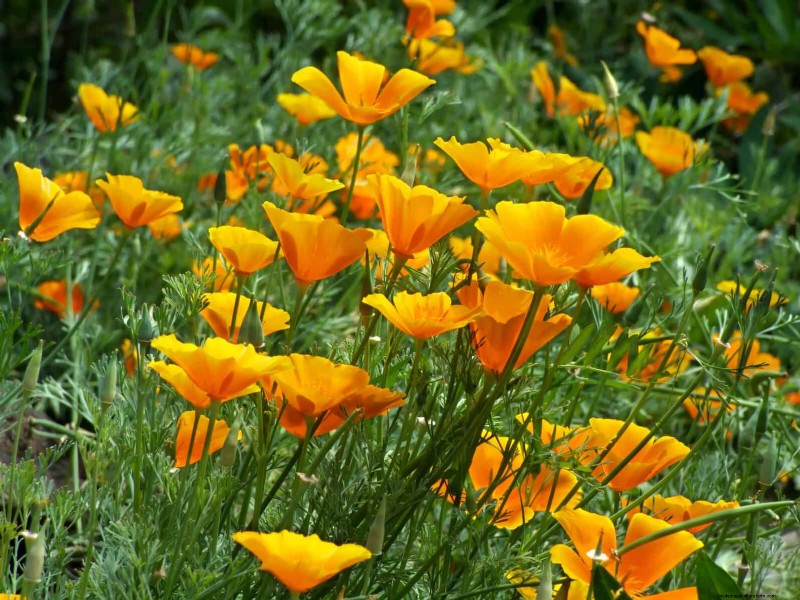 Depositphotos
These cheerful annuals thrive in dry, sandy, or gravelly soil. The silky orange, yellow, or cream blooms open during the day and close at night or in cloudy weather. They reseed freely, returning year after year without replanting.
California poppies perform best in poor soil. Rich soil causes them to produce lots of foliage but few flowers. They tolerate drought, heat, and coastal conditions. Scatter the seeds in fall or early spring, and let them do their thing. They’re perfect for naturalizing slopes, dry banks, or neglected corners.
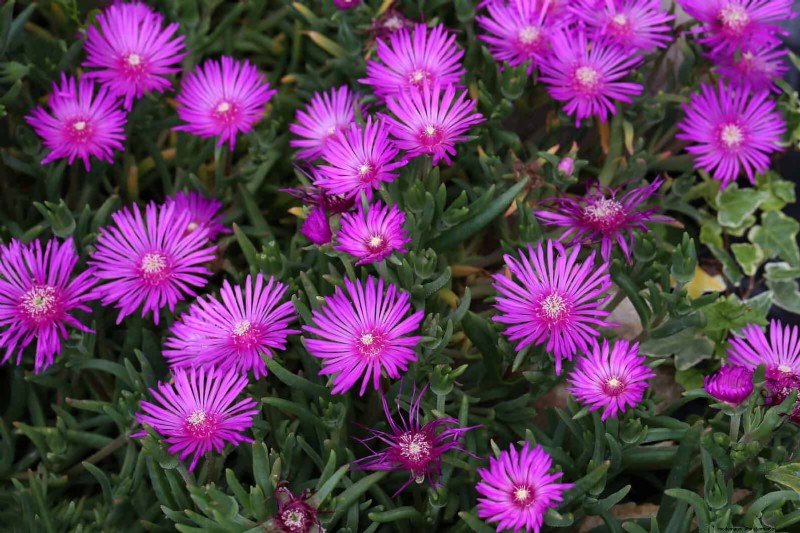 Depositphotos
Ice plant has thick succulent leaves and dazzling daisy-like flowers in electric pink, purple, yellow, or orange. It spreads quickly as a ground cover, choking out weeds and covering slopes or rock gardens.
This plant loves sandy, rocky soil and full sun. It’s extremely drought-tolerant once established and stays evergreen in warm climates. The flowers bloom profusely in late spring and summer, creating a carpet of color. Ice plant works well in containers, too. Just make sure the soil drains quickly.
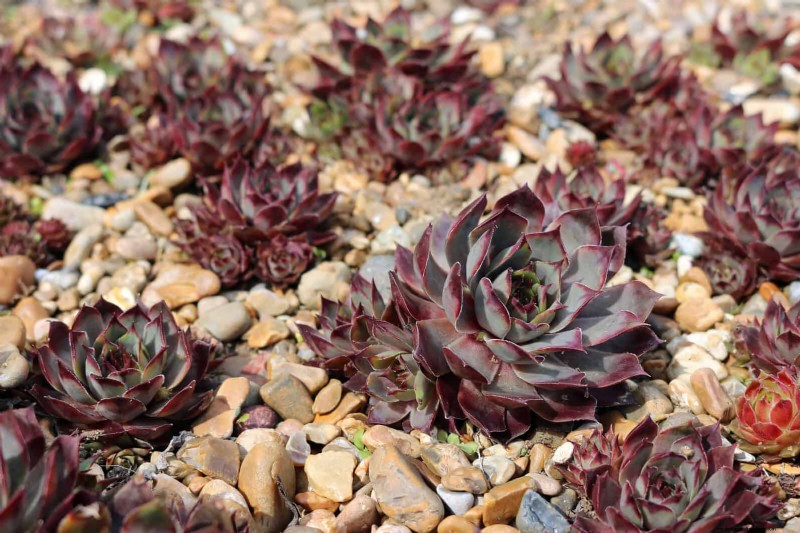 Depositphotos
These adorable succulents form tight rosettes that spread by producing “chicks” around the main “hen.” They grow happily in gritty, poor soil with almost no water. In fact, overwatering is the fastest way to kill them.
Hens and chicks work well in containers, rock gardens, green roofs, or crevices in walls. They tolerate extreme heat and cold (many varieties are hardy to zone 3). The rosettes come in shades of green, red, purple, and bronze. Occasional flower stalks appear in summer, but most gardeners grow them for the foliage.
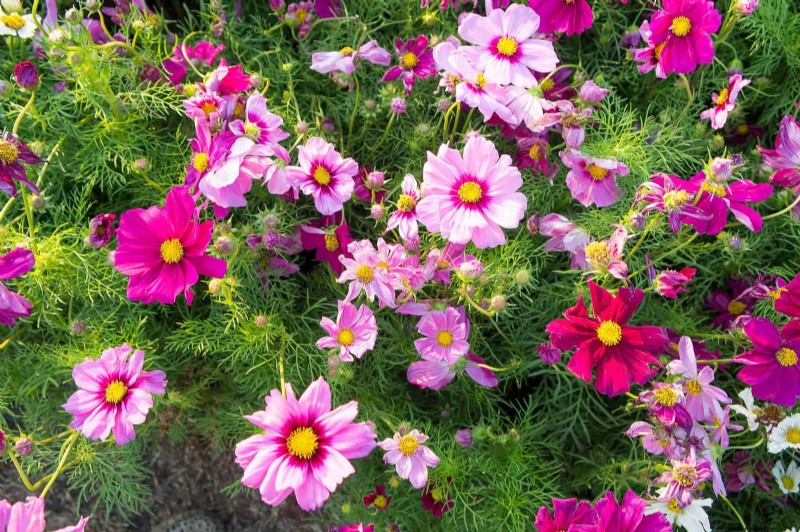 Depositphotos
Cosmos loves poor soil. Rich soil causes tall, floppy growth with fewer blooms. Plant them in sandy or average soil, and they’ll produce airy stems covered with pink, white, or magenta flowers all summer.
These annuals grow quickly from seed. They sway beautifully in the breeze, adding movement to the garden. Bees and butterflies visit constantly. Cosmos reseeds freely, so expect volunteers the following year. They’re perfect for cutting gardens or informal cottage-style plantings.
 Depositphotos
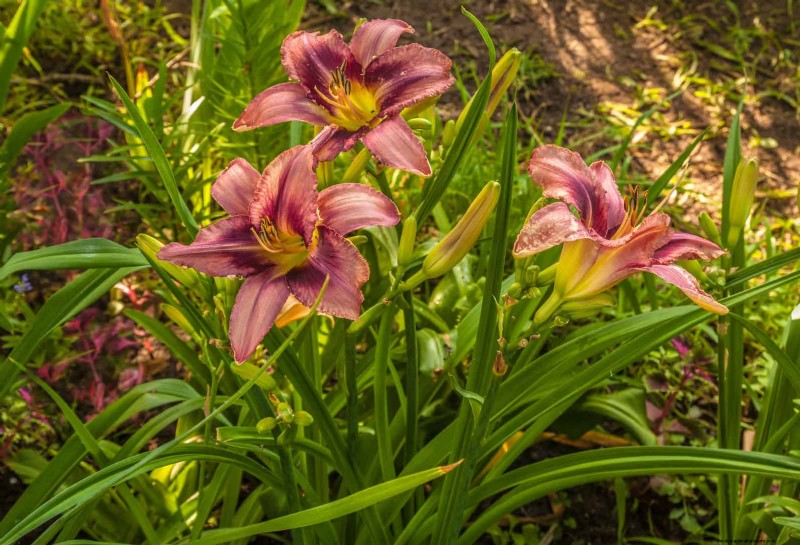
Daylilies are nearly indestructible. They grow in clay, sand, poor soil, dry soil, or even soggy soil (though they prefer good drainage). Each flower lasts only a day, but the plant produces so many buds that you’ll have continuous blooms for weeks.
They come in nearly every color except true blue. Some varieties are fragrant. Some bloom repeatedly throughout the season. Once established, they need almost no care. Divide clumps every three to five years if they get crowded, but otherwise, leave them alone. They’re the ultimate low-maintenance perennial.
 Depositphotos
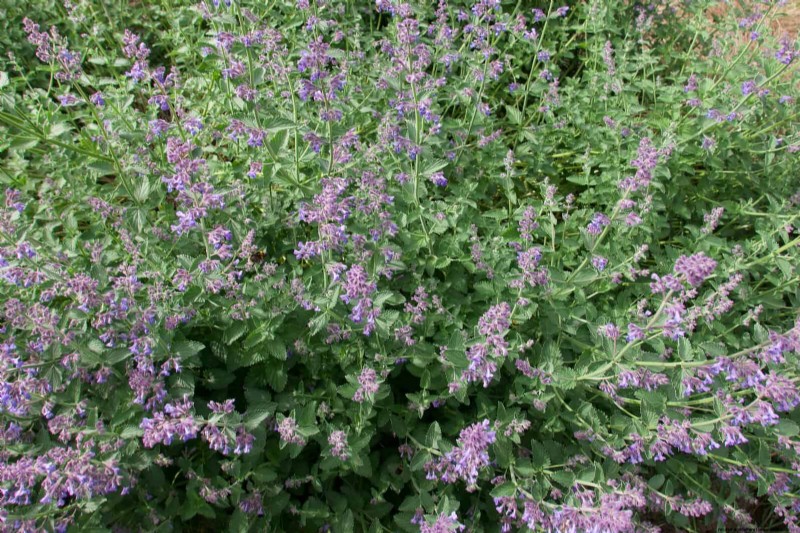
Catmint forms neat, billowy mounds of gray-green foliage covered with spikes of purple-blue flowers. It blooms heavily in late spring, then sporadically through summer if you shear it back.
This plant thrives in dry, poor soil and full sun. Bees swarm it. Deer avoid it. It pairs beautifully with roses, covering their bare ankles and echoing their bloom colors. Catmint smells minty when brushed. It’s tough, long-lived, and almost never needs dividing or replacing.
 Depositphotos
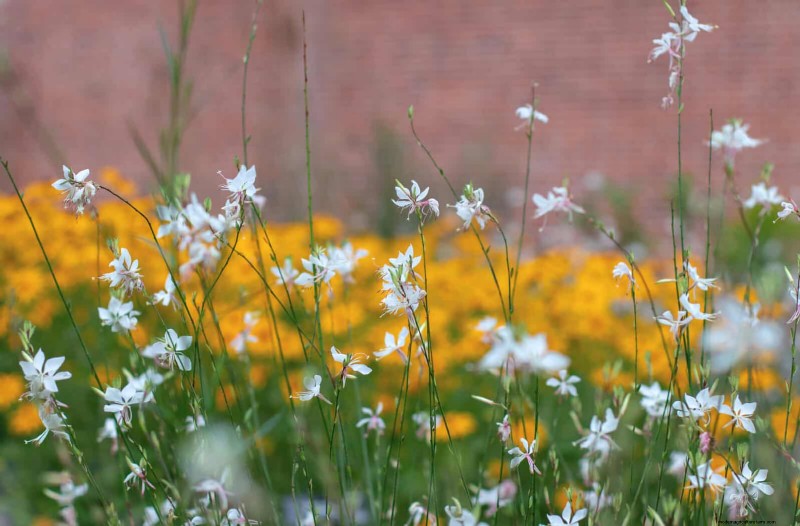
Gaura has airy, wand-like stems topped with small pink or white flowers that look like butterflies hovering above the foliage. The plant sways gracefully in the breeze, adding movement and lightness to borders.
It loves sandy, well-drained soil and full sun. Gaura blooms from late spring through fall without deadheading. It’s extremely drought-tolerant once established. The foliage often turns red or bronze in fall, adding seasonal interest. Pollinators visit constantly. It’s a beautiful, carefree choice for informal gardens.
✓ What You’ll Need
 Depositphotos
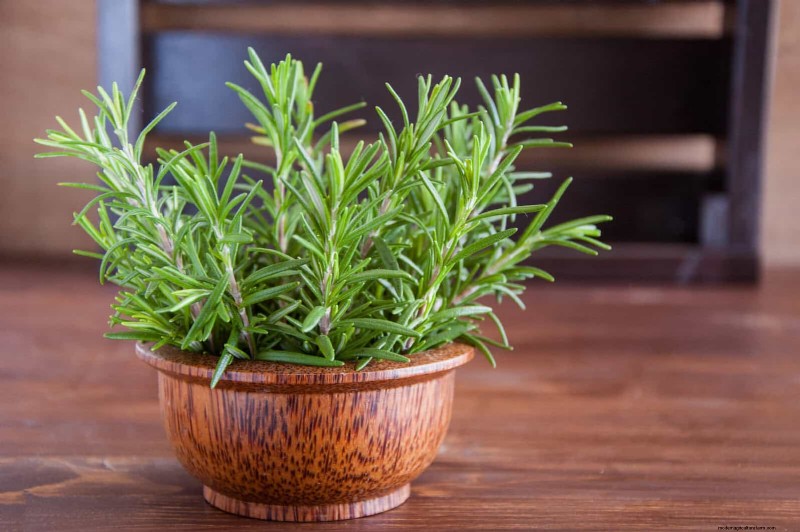
Rosemary thrives in poor, gritty soil with excellent drainage. It’s both ornamental and edible, producing needle-like evergreen leaves and blue flowers in spring. The foliage is intensely aromatic, and bees love the blooms.
This Mediterranean native hates wet feet. Overwatering kills it faster than drought. Plant it in sandy or rocky soil in full sun, and it’ll thrive for years. In cold climates, grow it in a pot and bring it indoors for winter. In mild zones, it grows into a woody shrub.
 Depositphotos
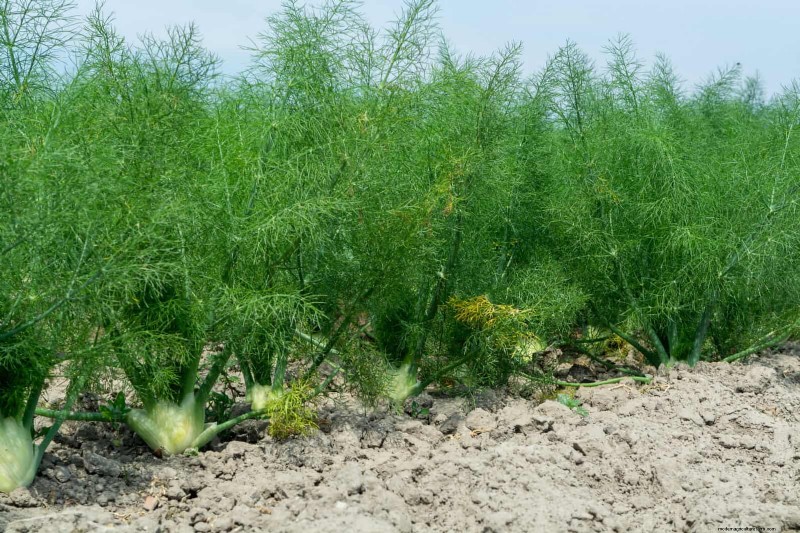
Fennel’s feathery foliage adds softness and texture to garden beds. The yellow umbrella-shaped blooms appear in summer, attracting beneficial insects like ladybugs and lacewings. Both the foliage and seeds are edible, with a licorice-like flavor.
This plant grows well in less-than-perfect soil and full sun. It tolerates drought once established. Fennel can self-sow aggressively, so deadhead if you don’t want volunteers everywhere. Bronze fennel (F. vulgare ‘Purpureum’) has stunning dark foliage and makes a beautiful ornamental.
 Depositphotos
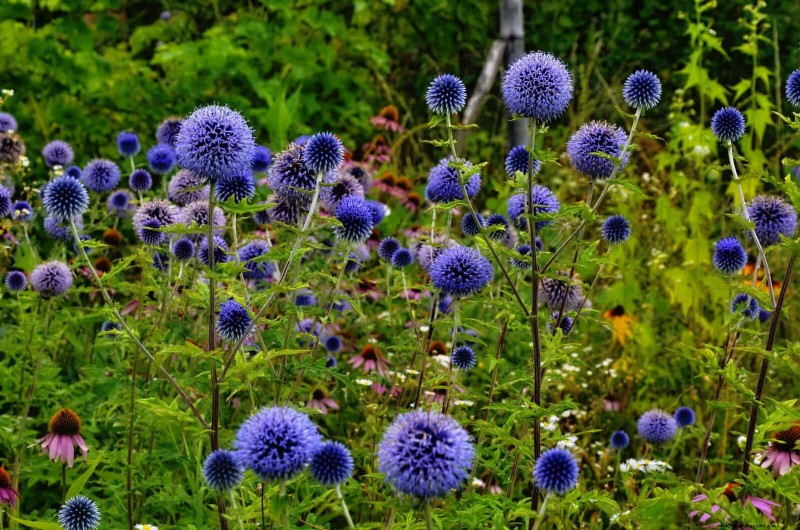
Globe thistle produces perfectly round, spiky blue flowers on tall stems. The flowers look stunning in fresh or dried arrangements and last for weeks. Bees absolutely mob them.
This plant loves gravelly, poor soil and full sun. It tolerates drought and neglect beautifully. Deer and rabbits avoid it. The bold, architectural form adds structure to perennial borders. Once established, it needs almost no care. Just cut back the stems after flowering if you want to keep it tidy.
 Depositphotos
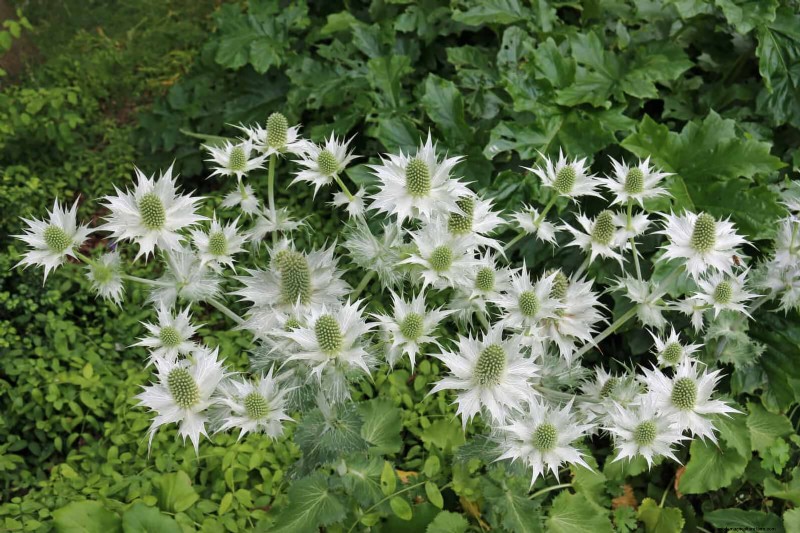
Sea holly has spiky, steel-blue flowers surrounded by silvery bracts. The whole plant looks otherworldly, like something from a fantasy novel. It thrives in sandy, dry soil and scorching sun.
Bees love the flowers. Deer leave it alone. The sculptural form adds interest even after blooming, and the dried flowers look attractive all winter. Sea holly tolerates coastal conditions and salt spray, making it a great choice for seaside gardens. Once established, it needs almost no water.
 Depositphotos
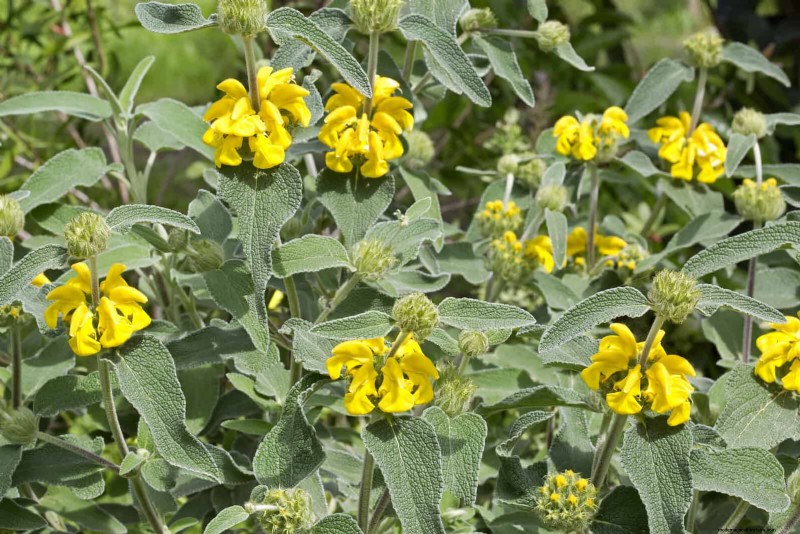
This drought-tolerant shrub produces whorls of yellow flowers along upright stems. The fuzzy gray-green leaves are evergreen in mild climates, providing year-round structure.
Jerusalem sage loves poor, dry soil and full sun. Overwatering causes root rot. The plant stays compact (two to three feet tall) and needs minimal pruning. It’s a hidden gem that adds both texture and color to Mediterranean-style gardens or dry borders.
 Depositphotos
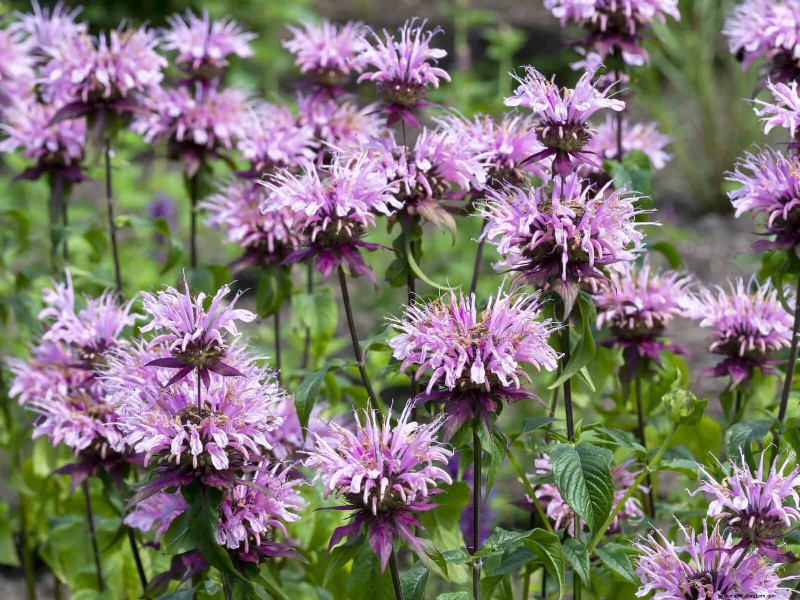
Bee balm tolerates a range of soil types. While it prefers richer soil, it still performs well in average or poor conditions. The unique tubular flowers bloom in red, pink, purple, or white, and pollinators (especially hummingbirds) flock to them.
This plant spreads by rhizomes, so it can naturalize an area quickly. Choose mildew-resistant varieties like ‘Jacob Cline’ or ‘Raspberry Wine’ to avoid the powdery mildew that plagues some cultivars. Bee balm prefers some moisture, but it handles dry spells once established. Divide clumps every few years to keep them vigorous.
 Depositphotos
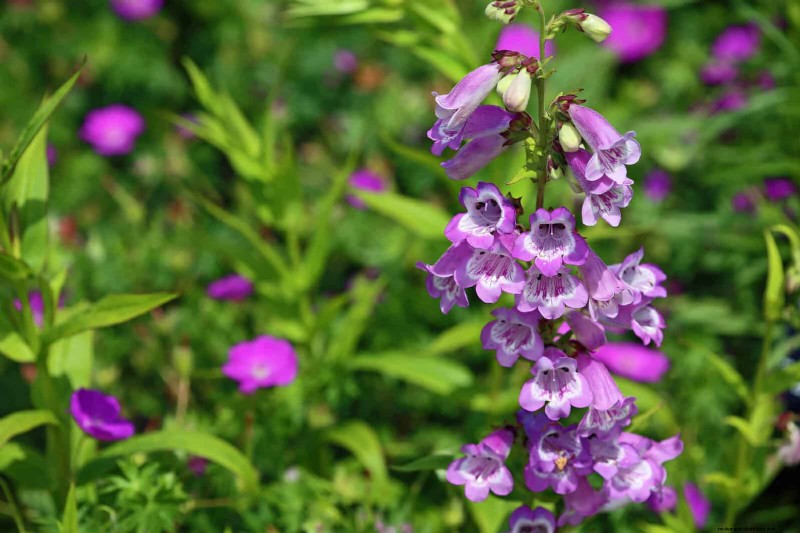
Native to rocky slopes and dry meadows, penstemon produces tubular blooms in red, pink, purple, blue, or white. Hummingbirds can’t resist them. The plants bloom heavily in late spring and early summer.
Penstemon needs well-draining soil and full sun. Wet winter soil kills it, so avoid planting in heavy clay or low spots. Once established, it handles drought beautifully. Deadhead to encourage additional blooms. There are dozens of species and hybrids, so choose one suited to your climate.
 Depositphotos
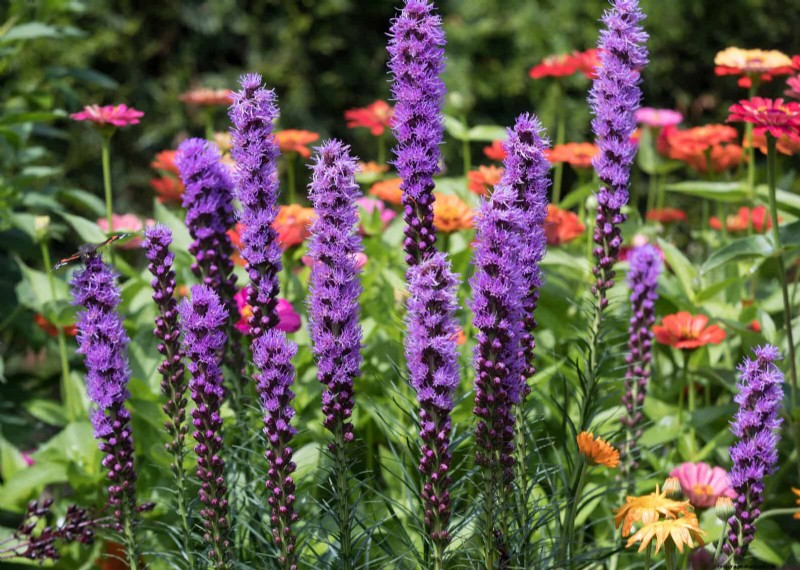
Tall spikes of purple flowers bloom from the top down (unusual for a spike flower). Butterflies and bees swarm the blooms. Blazing star grows from corms and thrives in sandy or poor soil.
This native prairie plant handles drought once established. It looks stunning planted in drifts or as a vertical accent among shorter perennials. The flowers also make excellent cut flowers. Just avoid planting in wet soil (the corms will rot).
 Depositphotos
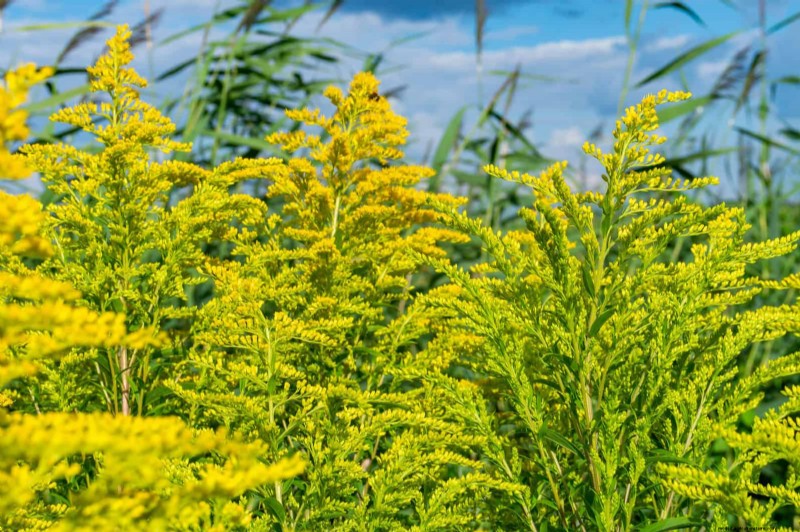
Forget what you’ve heard: goldenrod does not cause allergies. That’s ragweed’s fault, and they bloom at the same time. Goldenrod is a pollinator powerhouse, lighting up the fall garden with bright yellow plumes.
It thrives in poor soil, harsh conditions, and neglect. Native species spread easily, filling empty spaces in wildflower gardens or naturalized areas. Pair it with asters and grasses for a gorgeous late-season display. Once established, it needs zero care.
Depositphotos
Threadleaf coreopsis has finely textured, fern-like foliage and produces cheerful daisy-like flowers for months. With deadheading, it blooms from late spring through fall.
This perennial loves poor soil and full sun. It tolerates drought, heat, and neglect beautifully. The airy texture softens garden borders, and it pairs well with bolder flowers like coneflowers or black-eyed Susans. Varieties like ‘Moonbeam’ (pale yellow) and ‘Zagreb’ (golden yellow) are especially long-blooming.
Depositphotos
Wormwood’s silvery foliage adds striking contrast in the garden. It thrives in poor, dry soil and tolerates drought, deer, and neglect. The plant has a strong scent that some people love and others find too pungent.
Some varieties stay compact. Others spread aggressively, so choose carefully for your space. Wormwood makes an excellent filler or backdrop for brighter flowers. It’s also deer-resistant and low-maintenance once established.
Depositphotos
Tansy grows in almost any soil type. The fern-like leaves and clusters of button-like yellow flowers look cheerful all summer. It spreads quickly, so plant it where it has room to roam or be prepared to control it.
This historic herb was once widely used in cooking and medicine. Today, it’s mostly grown as an ornamental. It’s great for filling empty spots, controlling erosion, or adding texture to naturalized areas. Just don’t let it take over.
Depositphotos
Your soil doesn’t have to be perfect. These resilient plants show that growth and beauty are still possible, even in less-than-ideal soil conditions. They tolerate sand, rocks, clay, drought, and neglect without complaint. Many actually perform better in lean conditions than rich ones.
Pick plants that match your site instead of fighting to change your site. Mix textures, heights, and bloom times for a garden that looks good all season. Most of these plants need almost no care once they’re established. Water them through their first summer, then step back and let them do what they do best: survive and thrive where others would struggle.
It thrives in poor soil, harsh conditions, and neglect. Native species spread easily, filling empty spaces in wildflower gardens or naturalized areas. Pair it with asters and grasses for a gorgeous late-season display. Once established, it needs zero care.
Depositphotos
Threadleaf coreopsis has finely textured, fern-like foliage and produces cheerful daisy-like flowers for months. With deadheading, it blooms from late spring through fall.
This perennial loves poor soil and full sun. It tolerates drought, heat, and neglect beautifully. The airy texture softens garden borders, and it pairs well with bolder flowers like coneflowers or black-eyed Susans. Varieties like ‘Moonbeam’ (pale yellow) and ‘Zagreb’ (golden yellow) are especially long-blooming.
Depositphotos
Wormwood’s silvery foliage adds striking contrast in the garden. It thrives in poor, dry soil and tolerates drought, deer, and neglect. The plant has a strong scent that some people love and others find too pungent.
Some varieties stay compact. Others spread aggressively, so choose carefully for your space. Wormwood makes an excellent filler or backdrop for brighter flowers. It’s also deer-resistant and low-maintenance once established.
Depositphotos
Tansy grows in almost any soil type. The fern-like leaves and clusters of button-like yellow flowers look cheerful all summer. It spreads quickly, so plant it where it has room to roam or be prepared to control it.
This historic herb was once widely used in cooking and medicine. Today, it’s mostly grown as an ornamental. It’s great for filling empty spots, controlling erosion, or adding texture to naturalized areas. Just don’t let it take over.
Depositphotos
Your soil doesn’t have to be perfect. These resilient plants show that growth and beauty are still possible, even in less-than-ideal soil conditions. They tolerate sand, rocks, clay, drought, and neglect without complaint. Many actually perform better in lean conditions than rich ones.
Pick plants that match your site instead of fighting to change your site. Mix textures, heights, and bloom times for a garden that looks good all season. Most of these plants need almost no care once they’re established. Water them through their first summer, then step back and let them do what they do best: survive and thrive where others would struggle.
Depositphotos
Most guides get this wrong: you don’t need perfect soil to have a gorgeous garden. In fact, some of the toughest, most resilient plants actually prefer the rocky, sandy, or just plain lousy soil that most people try to “fix.” These survivors don’t need coddling. They thrive on neglect, handle heat and drought like champions, and still put on a show that’ll make your neighbors wonder what you’re doing right.
Forget what you’ve heard about amending every inch of your yard. That’s expensive, exhausting, and often unnecessary. Instead, work with what you’ve got. The following plants laugh at poor soil. They’ll fill those tricky dry spots, soften hard edges, and bring color to places where nothing else wants to grow.
Quick Answer
Poor soil doesn’t doom your garden. Many plants (including yarrow, sedum, lavender, and coneflower) actually thrive in dry, rocky, or sandy conditions without amendments. Choose the right plants, and your “bad” soil becomes an asset.
Depositphotos
Yarrow tolerates bone-dry, sandy soil better than just about anything. Once it’s in the ground and settled, it basically takes care of itself. The flat-topped flower clusters come in yellow, pink, red, or white, and they bloom from early summer straight through fall if you deadhead them.
Butterflies mob it. Deer avoid it. The fern-like foliage stays low and tidy, making it a solid choice for borders or meadow plantings. You can cut the flowers for arrangements, or leave them standing for dried winter interest. Water it sparingly (if at all) once established. Too much moisture actually weakens yarrow and encourages root rot.
Depositphotos
Sedum comes in a wild range of forms. Low creeping types work for ground cover or rock gardens. Upright varieties like ‘Autumn Joy’ form clumps that bloom late in the season when most everything else is winding down. The fleshy leaves store water, so these plants shrug off drought completely.
They’re almost impossible to kill. Plant them in gravel, sand, or compacted clay, and they’ll still thrive. Bees and butterflies love the flowers. The spent blooms turn rusty and attractive in fall, so many gardeners leave them standing all winter. Divide clumps every few years if they get too thick, but otherwise, leave them alone.
Depositphotos
The velvety silver leaves feel exactly like you’d expect from the name. Kids love touching it, which makes it a great plant for pathways or front-of-border spots. It spreads nicely without being aggressive, filling bare patches with soft, textured foliage.
Lamb’s ear tolerates poor, dry soil and full sun. In fact, it performs better in lean conditions than rich ones. Too much moisture or fertility causes the leaves to rot at the center. Pink-purple flower spikes appear in summer, though some gardeners snip them off to keep the foliage looking clean. Deer won’t touch it, and it pairs beautifully with roses, lavender, or catmint.
Depositphotos
This plant looks delicate but handles brutal conditions. The silvery stems and airy lavender-blue flowers create a hazy cloud effect that softens hard edges in the garden. It grows tall (three to four feet) and works well as a backdrop for shorter perennials.
Russian sage thrives in dry, rocky soil and scorching sun. Pollinators swarm it all summer. Deer leave it alone. Cut it back hard in early spring (down to about 6-12 inches) to encourage bushy growth. Avoid overwatering. This is one plant that actually suffers from kindness.
Depositphotos
These cheerful wildflowers grow anywhere. Seriously, anywhere. Dry soil, poor soil, compacted soil… they don’t care. The golden-yellow petals with dark chocolate centers brighten roadsides, meadows, and neglected garden corners without any help.
Black-eyed Susans spread easily (sometimes too easily, so watch them in small gardens). They handle drought, heat, and general neglect without missing a beat. Butterflies and bees flock to them. Goldfinches eat the seeds in fall. They’re perfect for naturalized areas or wildflower mixes where you want carefree color.
⚠️ Heads Up About “Thriving” When we say a plant “thrives” in poor soil, we don’t mean it’ll look better there than in good soil. We mean it tolerates tough conditions without dying or looking miserable. Most of these plants will still appreciate some water during establishment and won’t say no to decent drainage.
Depositphotos
Also called golden tickseed, this annual blooms from early summer until the first hard frost. The daisy-like flowers feature bright yellow petals with maroon-red centers, and they sway on thin, wiry stems that catch the breeze.
Plains coreopsis loves heat, sun, and lean soil. It often reseeds itself, popping up year after year without replanting. Pollinators appreciate the long bloom period. Deer ignore it. Deadheading encourages more flowers, but even if you skip it, the plant keeps going. It’s a workhorse for sunny, dry spots.
Depositphotos
Blanket flower delivers bold, sunset-colored blooms (red, orange, yellow, or combinations) nonstop from late spring through fall. It handles poor, sandy soil and scorching heat without complaint. In fact, overwatering or over-fertilizing causes it to flop and bloom less.
Deadhead regularly to keep the flowers coming. The plant stays compact (12 to 18 inches tall) and works well in borders or mass plantings. It attracts butterflies and tolerates coastal conditions, making it a solid choice for seaside gardens. Once established, it needs almost no care.
Depositphotos
Native to prairies and open woodlands, coneflowers tolerate rocky, poor soil just fine. The large daisy-like flowers come in purple, pink, white, orange, and even green. They bloom for weeks in summer, and the spiky seed heads look attractive all winter.
Pollinators mob the flowers. Goldfinches perch on the dried seed heads in fall, eating the seeds. Coneflowers handle drought once established and rarely need dividing. They’re long-lived perennials that improve with age, forming larger clumps each year. Just avoid planting them in wet, heavy soil (they’ll rot).
Depositphotos
Lavender hates rich soil. It grows best in sandy or gravelly conditions with excellent drainage and full sun. Overwatering or over-fertilizing kills it faster than drought ever will. Once it’s established, water sparingly (or not at all in most climates).
The fragrant purple blooms attract bees like crazy. You can harvest the flowers for sachets, cooking, or arrangements. Prune lavender annually after flowering to keep it compact and prevent woody growth. In cold climates, choose hardy varieties like ‘Munstead’ or ‘Hidcote.’ In warmer zones, Spanish lavender (L. stoechas) works well.
Depositphotos
This native wildflower specializes in dry, sandy soil. The bright orange flowers (sometimes yellow or red) are magnets for monarch butterflies. It’s a host plant for monarch caterpillars, so expect to see them munching on the leaves.
Butterfly weed grows slowly from a deep taproot, which makes it drought-tolerant but hard to transplant. Start with small plants or grow from seed. Once it’s in the ground, leave it alone. It tolerates heat, poor soil, and neglect beautifully. Just give it full sun and good drainage.
“The best soil amendment is often just picking the right plant in the first place.”Depositphotos
These cheerful annuals thrive in dry, sandy, or gravelly soil. The silky orange, yellow, or cream blooms open during the day and close at night or in cloudy weather. They reseed freely, returning year after year without replanting.
California poppies perform best in poor soil. Rich soil causes them to produce lots of foliage but few flowers. They tolerate drought, heat, and coastal conditions. Scatter the seeds in fall or early spring, and let them do their thing. They’re perfect for naturalizing slopes, dry banks, or neglected corners.
Depositphotos
Ice plant has thick succulent leaves and dazzling daisy-like flowers in electric pink, purple, yellow, or orange. It spreads quickly as a ground cover, choking out weeds and covering slopes or rock gardens.
This plant loves sandy, rocky soil and full sun. It’s extremely drought-tolerant once established and stays evergreen in warm climates. The flowers bloom profusely in late spring and summer, creating a carpet of color. Ice plant works well in containers, too. Just make sure the soil drains quickly.
Depositphotos
These adorable succulents form tight rosettes that spread by producing “chicks” around the main “hen.” They grow happily in gritty, poor soil with almost no water. In fact, overwatering is the fastest way to kill them.
Hens and chicks work well in containers, rock gardens, green roofs, or crevices in walls. They tolerate extreme heat and cold (many varieties are hardy to zone 3). The rosettes come in shades of green, red, purple, and bronze. Occasional flower stalks appear in summer, but most gardeners grow them for the foliage.
Depositphotos
Cosmos loves poor soil. Rich soil causes tall, floppy growth with fewer blooms. Plant them in sandy or average soil, and they’ll produce airy stems covered with pink, white, or magenta flowers all summer.
These annuals grow quickly from seed. They sway beautifully in the breeze, adding movement to the garden. Bees and butterflies visit constantly. Cosmos reseeds freely, so expect volunteers the following year. They’re perfect for cutting gardens or informal cottage-style plantings.
Depositphotos
Daylilies are nearly indestructible. They grow in clay, sand, poor soil, dry soil, or even soggy soil (though they prefer good drainage). Each flower lasts only a day, but the plant produces so many buds that you’ll have continuous blooms for weeks.
They come in nearly every color except true blue. Some varieties are fragrant. Some bloom repeatedly throughout the season. Once established, they need almost no care. Divide clumps every three to five years if they get crowded, but otherwise, leave them alone. They’re the ultimate low-maintenance perennial.
Depositphotos
Catmint forms neat, billowy mounds of gray-green foliage covered with spikes of purple-blue flowers. It blooms heavily in late spring, then sporadically through summer if you shear it back.
This plant thrives in dry, poor soil and full sun. Bees swarm it. Deer avoid it. It pairs beautifully with roses, covering their bare ankles and echoing their bloom colors. Catmint smells minty when brushed. It’s tough, long-lived, and almost never needs dividing or replacing.
Depositphotos
Gaura has airy, wand-like stems topped with small pink or white flowers that look like butterflies hovering above the foliage. The plant sways gracefully in the breeze, adding movement and lightness to borders.
It loves sandy, well-drained soil and full sun. Gaura blooms from late spring through fall without deadheading. It’s extremely drought-tolerant once established. The foliage often turns red or bronze in fall, adding seasonal interest. Pollinators visit constantly. It’s a beautiful, carefree choice for informal gardens.
✓ What You’ll Need
Depositphotos
Rosemary thrives in poor, gritty soil with excellent drainage. It’s both ornamental and edible, producing needle-like evergreen leaves and blue flowers in spring. The foliage is intensely aromatic, and bees love the blooms.
This Mediterranean native hates wet feet. Overwatering kills it faster than drought. Plant it in sandy or rocky soil in full sun, and it’ll thrive for years. In cold climates, grow it in a pot and bring it indoors for winter. In mild zones, it grows into a woody shrub.
Depositphotos
Fennel’s feathery foliage adds softness and texture to garden beds. The yellow umbrella-shaped blooms appear in summer, attracting beneficial insects like ladybugs and lacewings. Both the foliage and seeds are edible, with a licorice-like flavor.
This plant grows well in less-than-perfect soil and full sun. It tolerates drought once established. Fennel can self-sow aggressively, so deadhead if you don’t want volunteers everywhere. Bronze fennel (F. vulgare ‘Purpureum’) has stunning dark foliage and makes a beautiful ornamental.
Depositphotos
Globe thistle produces perfectly round, spiky blue flowers on tall stems. The flowers look stunning in fresh or dried arrangements and last for weeks. Bees absolutely mob them.
This plant loves gravelly, poor soil and full sun. It tolerates drought and neglect beautifully. Deer and rabbits avoid it. The bold, architectural form adds structure to perennial borders. Once established, it needs almost no care. Just cut back the stems after flowering if you want to keep it tidy.
Depositphotos
Sea holly has spiky, steel-blue flowers surrounded by silvery bracts. The whole plant looks otherworldly, like something from a fantasy novel. It thrives in sandy, dry soil and scorching sun.
Bees love the flowers. Deer leave it alone. The sculptural form adds interest even after blooming, and the dried flowers look attractive all winter. Sea holly tolerates coastal conditions and salt spray, making it a great choice for seaside gardens. Once established, it needs almost no water.
Depositphotos
This drought-tolerant shrub produces whorls of yellow flowers along upright stems. The fuzzy gray-green leaves are evergreen in mild climates, providing year-round structure.
Jerusalem sage loves poor, dry soil and full sun. Overwatering causes root rot. The plant stays compact (two to three feet tall) and needs minimal pruning. It’s a hidden gem that adds both texture and color to Mediterranean-style gardens or dry borders.
Depositphotos
Bee balm tolerates a range of soil types. While it prefers richer soil, it still performs well in average or poor conditions. The unique tubular flowers bloom in red, pink, purple, or white, and pollinators (especially hummingbirds) flock to them.
This plant spreads by rhizomes, so it can naturalize an area quickly. Choose mildew-resistant varieties like ‘Jacob Cline’ or ‘Raspberry Wine’ to avoid the powdery mildew that plagues some cultivars. Bee balm prefers some moisture, but it handles dry spells once established. Divide clumps every few years to keep them vigorous.
Depositphotos
Native to rocky slopes and dry meadows, penstemon produces tubular blooms in red, pink, purple, blue, or white. Hummingbirds can’t resist them. The plants bloom heavily in late spring and early summer.
Penstemon needs well-draining soil and full sun. Wet winter soil kills it, so avoid planting in heavy clay or low spots. Once established, it handles drought beautifully. Deadhead to encourage additional blooms. There are dozens of species and hybrids, so choose one suited to your climate.
Depositphotos
Tall spikes of purple flowers bloom from the top down (unusual for a spike flower). Butterflies and bees swarm the blooms. Blazing star grows from corms and thrives in sandy or poor soil.
This native prairie plant handles drought once established. It looks stunning planted in drifts or as a vertical accent among shorter perennials. The flowers also make excellent cut flowers. Just avoid planting in wet soil (the corms will rot).
Depositphotos
Forget what you’ve heard: goldenrod does not cause allergies. That’s ragweed’s fault, and they bloom at the same time. Goldenrod is a pollinator powerhouse, lighting up the fall garden with bright yellow plumes.
It thrives in poor soil, harsh conditions, and neglect. Native species spread easily, filling empty spaces in wildflower gardens or naturalized areas. Pair it with asters and grasses for a gorgeous late-season display. Once established, it needs zero care.
Depositphotos
Threadleaf coreopsis has finely textured, fern-like foliage and produces cheerful daisy-like flowers for months. With deadheading, it blooms from late spring through fall.
This perennial loves poor soil and full sun. It tolerates drought, heat, and neglect beautifully. The airy texture softens garden borders, and it pairs well with bolder flowers like coneflowers or black-eyed Susans. Varieties like ‘Moonbeam’ (pale yellow) and ‘Zagreb’ (golden yellow) are especially long-blooming.
Depositphotos
Wormwood’s silvery foliage adds striking contrast in the garden. It thrives in poor, dry soil and tolerates drought, deer, and neglect. The plant has a strong scent that some people love and others find too pungent.
Some varieties stay compact. Others spread aggressively, so choose carefully for your space. Wormwood makes an excellent filler or backdrop for brighter flowers. It’s also deer-resistant and low-maintenance once established.
Depositphotos
Tansy grows in almost any soil type. The fern-like leaves and clusters of button-like yellow flowers look cheerful all summer. It spreads quickly, so plant it where it has room to roam or be prepared to control it.
This historic herb was once widely used in cooking and medicine. Today, it’s mostly grown as an ornamental. It’s great for filling empty spots, controlling erosion, or adding texture to naturalized areas. Just don’t let it take over.
Depositphotos
Your soil doesn’t have to be perfect. These resilient plants show that growth and beauty are still possible, even in less-than-ideal soil conditions. They tolerate sand, rocks, clay, drought, and neglect without complaint. Many actually perform better in lean conditions than rich ones.
Pick plants that match your site instead of fighting to change your site. Mix textures, heights, and bloom times for a garden that looks good all season. Most of these plants need almost no care once they’re established. Water them through their first summer, then step back and let them do what they do best: survive and thrive where others would struggle.