Welcome to Modern Agriculture!

 Depositphotos.com
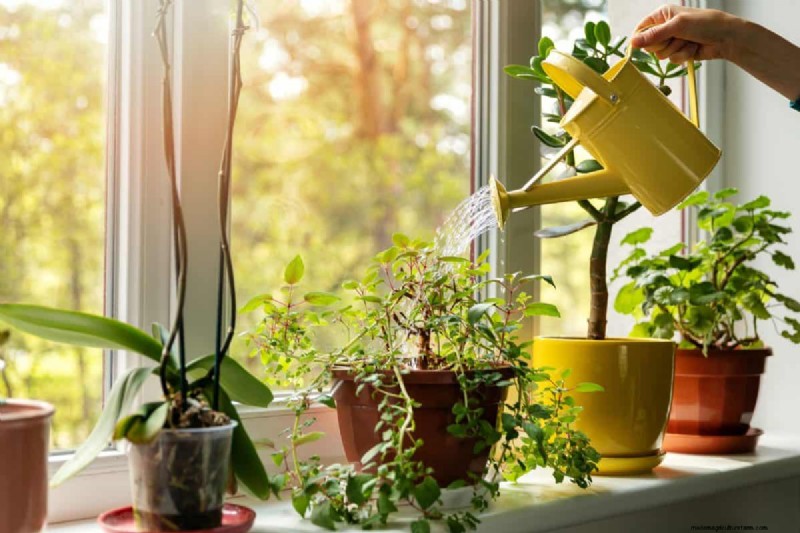
Keeping houseplants healthy means more than just remembering to water them. In fact, many common watering habits can do more harm than good. Small mistakes can add up quickly, from using the wrong kind of water to ignoring signs of overwatering. Gardeners of all levels can help their plants thrive by learning what to avoid and what to do instead. Here are some of the most common indoor watering mistakes to look out for—and what you can do to avoid them.
 Depositphotos.com
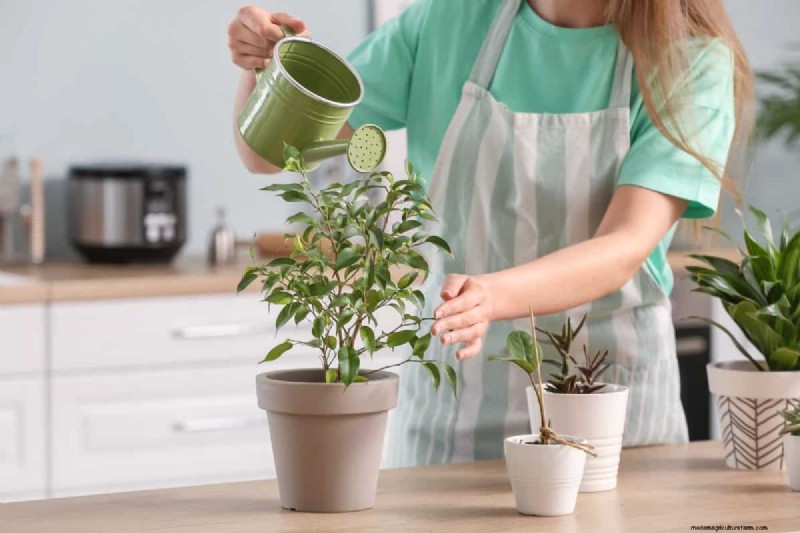
Sticking to a strict watering schedule can be harmful because indoor plants do not always need water at the same time each week. Temperature, humidity, and sunlight all affect how quickly soil dries out. If you water too often without checking the soil, your plant’s roots can rot. Instead, press your finger about an inch into the soil. If it feels dry, it’s time to water. If it’s still damp, wait a day or two.
 Depositphotos.com
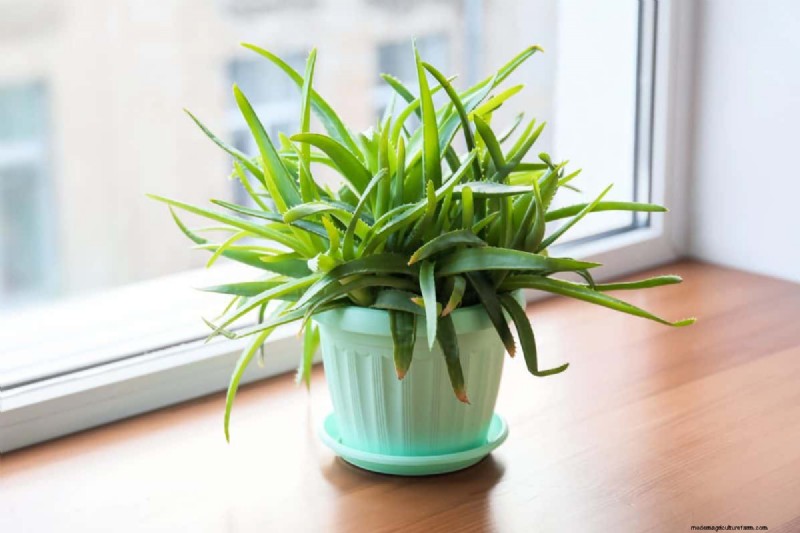
Plant roots can suffocate or rot when excess water collects in saucers or decorative pots without drainage. Most houseplants do not like sitting in water, and standing moisture creates the perfect environment for fungus and pests. Always empty the saucer shortly after watering, or use a pot with proper drainage inside your decorative container.
We'll email it to you so you can read it later!
By saving, you agree to receive occasional emails. Unsubscribe anytime.
 Depositphotos.com
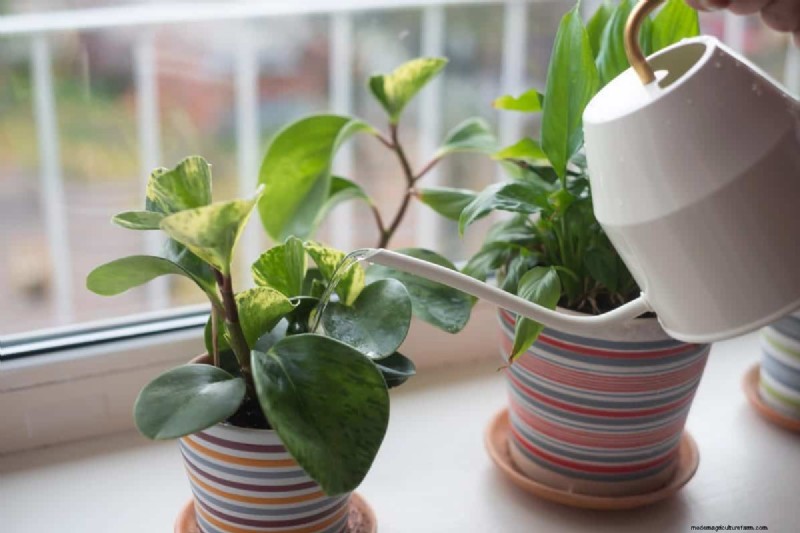
Cold water can shock plant roots, especially for tropical plants that prefer warmth. Hard tap water may also contain minerals like calcium or chlorine that build up in the soil and damage roots over time. To help avoid mineral buildup, use room-temperature water that has been left out overnight or filtered water.
 Depositphotos.com
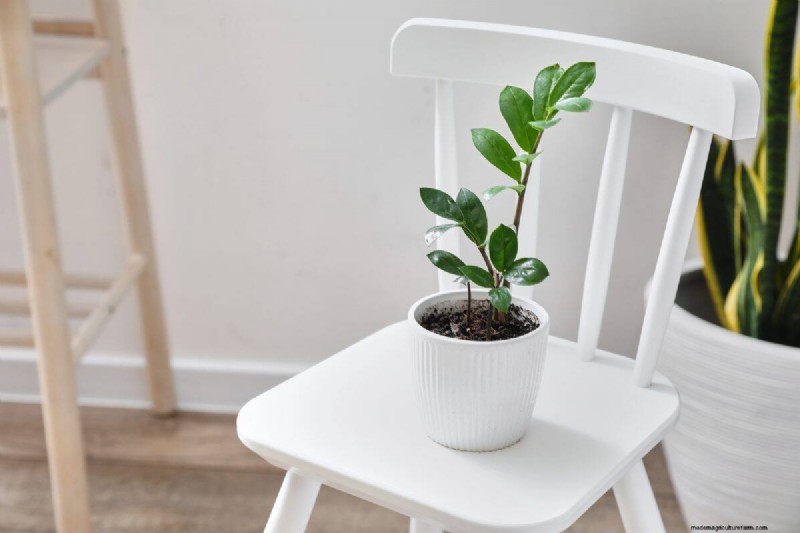
Without drainage holes, water has nowhere to go and collects at the bottom of the pot, leading to root rot. Even if the topsoil seems dry, water can pool below the surface. Always choose pots with drainage holes and place a saucer underneath to catch extra water. This helps your plant stay healthy and breathe properly.
 Depositphotos.com
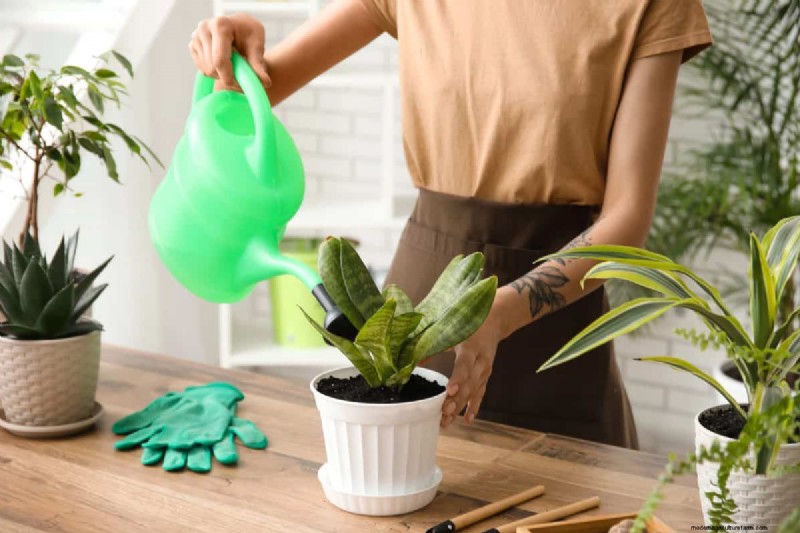
Many indoor plants go through a resting phase in fall or winter. During this time, they need less water because they grow more slowly. The extra moisture may cause root damage or mold if you continue watering as usual. Instead, check the soil carefully and reduce how often you water during these cooler months.
 Depositphotos.com
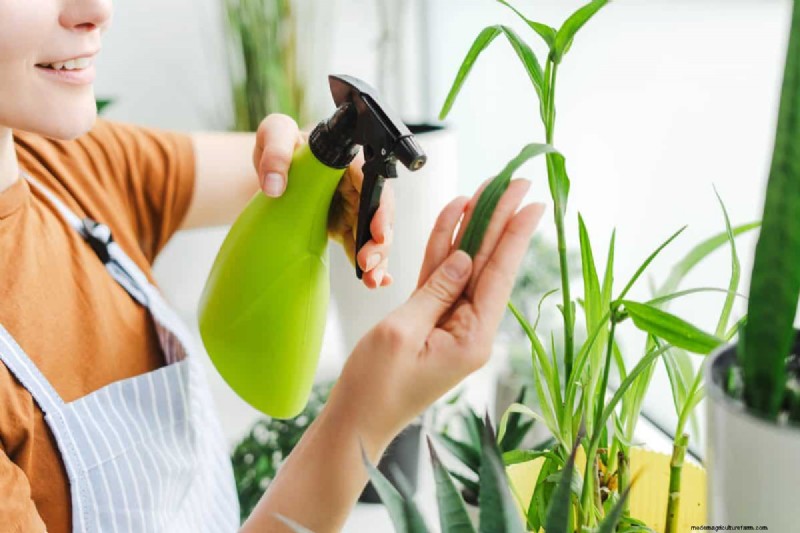
Misting can increase humidity for some houseplants, but it can also encourage mold or fungal growth, especially in rooms with little airflow. Leaves that stay wet for too long are more likely to get leaf spot or powdery mildew. If your plant needs humidity, try using a pebble tray or humidifier instead of misting.
 Depositphotos.com
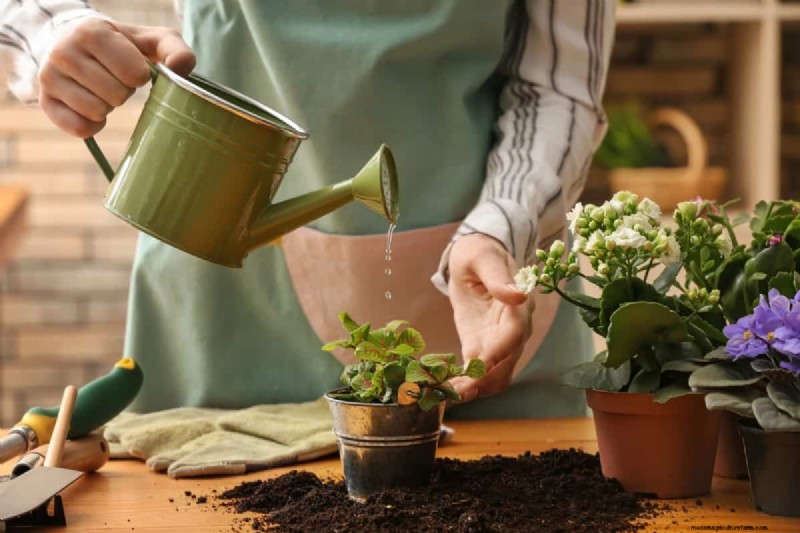
Dirty watering cans and tools can spread harmful bacteria, mold, or insect eggs from one plant to another. Over time, buildup inside containers can also affect water quality. Rinse and clean your watering equipment regularly with warm, soapy water to help keep your plants safe and healthy.
 Shutterstock
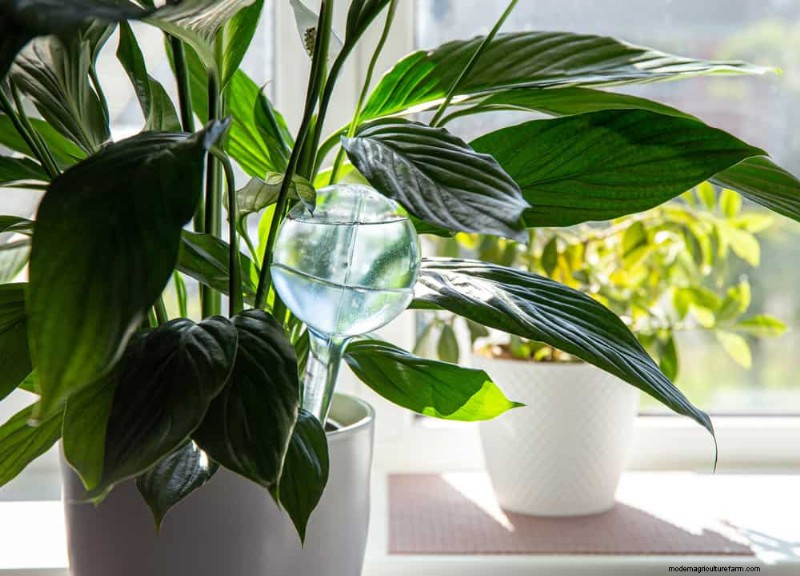
Self-watering pots can be helpful, but they should not replace regular plant care. Soil may still become too wet if you forget to check it. Some plants do not like constant moisture and may suffer if left in a self-watering setup for too long. Always monitor the soil and adjust how much water you add based on each plant’s needs.
 Depositphotos.com
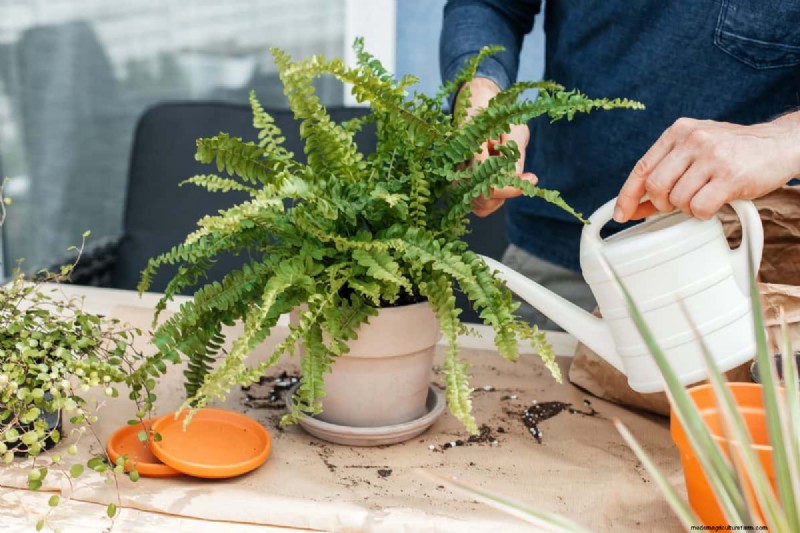
Different plants need different amounts of water. A fern will dry out quickly, while a succulent can go weeks without a drink. Watering all your plants the same way can cause some to wilt from thirst and others to rot. Learn what each plant prefers and water based on its specific type and growing conditions.
 Depositphotos.com
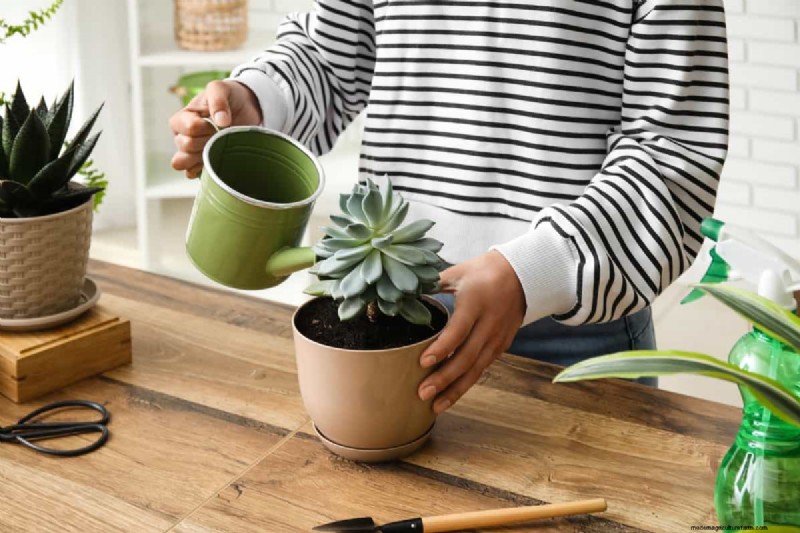
Succulents and cacti store water in their leaves and stems, so they need far less moisture than tropical plants. Overwatering them causes their roots to rot quickly. Allow their soil to dry out completely between waterings. Use a gritty, well-draining soil mix and give them plenty of light to keep them thriving.
 Depositphotos.com
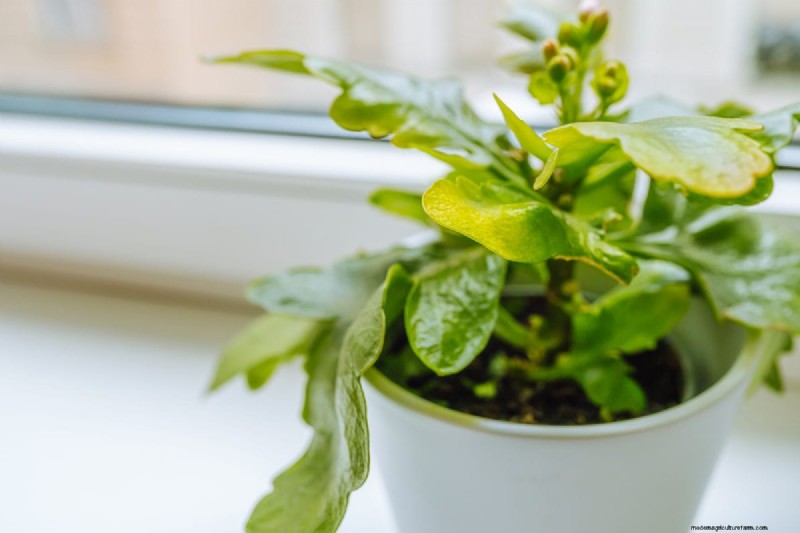
Yellow leaves are often a warning sign, but not always for lack of water. Overwatering can also turn leaves yellow by suffocating the roots. Before reaching for the watering can, check the soil. If it’s wet, the plant may be getting too much water. Let it dry out before watering again.
 Depositphotos.com
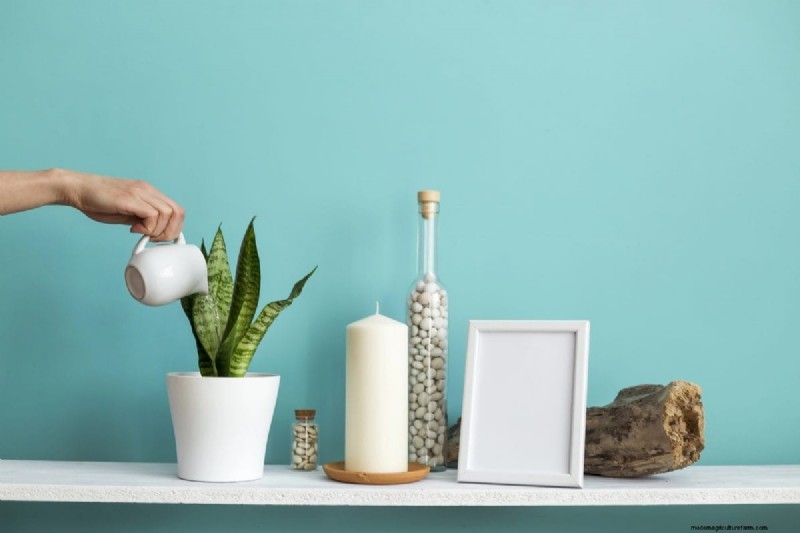
Watering with leftover drinks like soda, coffee, or juice can harm plants. These liquids contain sugars and acids that attract pests and encourage mold growth. Stick with plain, clean water. If you want to give your plants a nutrient boost, use a balanced fertilizer designed for indoor plants.
 Depositphotos.com
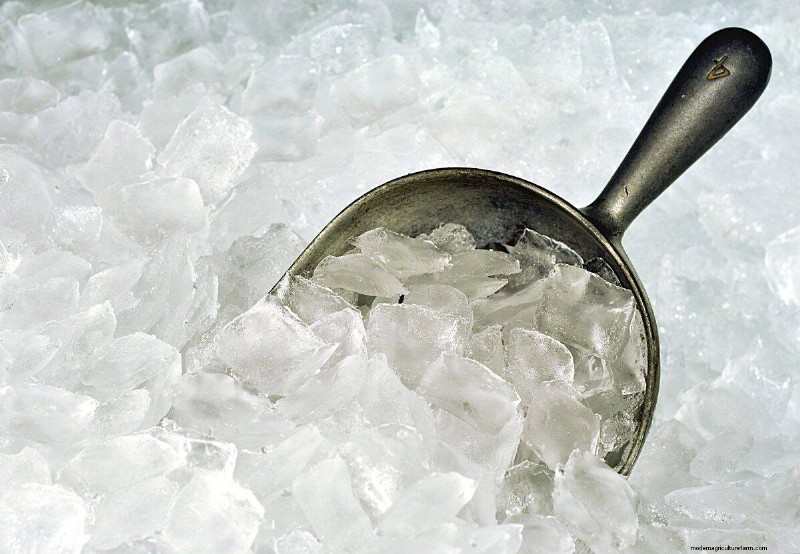
Using ice cubes to water is risky for tropical plants that prefer warm soil. The cold temperature can damage roots and slow growth. It’s best to use room-temperature water and pour it slowly into the soil so that it soaks in evenly. Save the ice cubes for your drinks, not your plants.
 Depositphotos.com
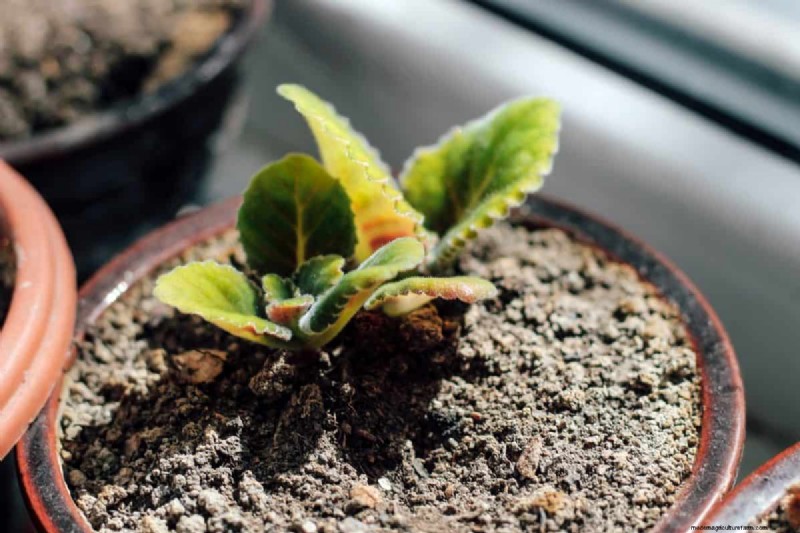
Over time, potting soil can become compacted, making it hard for water to reach the roots. This can cause water to pool on the surface or run down the sides of the pot. Loosen the soil gently with a fork or repot the plant with fresh mix to help improve water flow and root health.
 Depositphotos.com
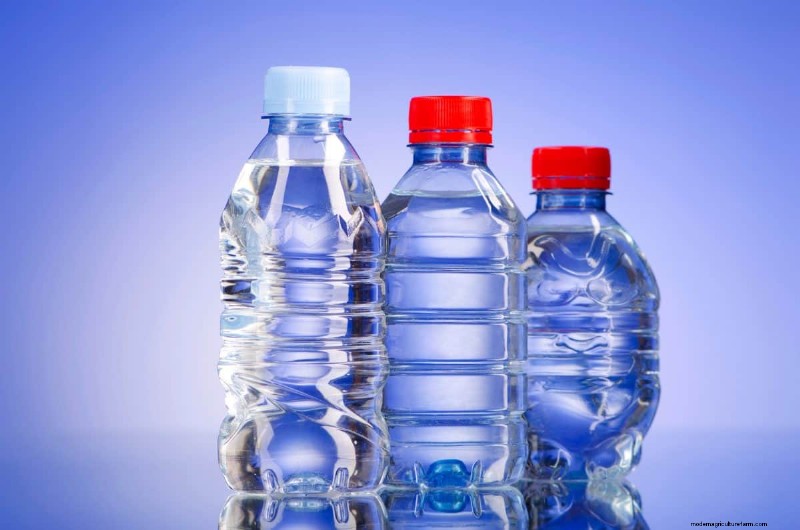
Water that has been sitting in plastic bottles for too long may collect bacteria or absorb chemicals from the plastic. It can also go stale, which isn’t ideal for your plants. If you store water for later use, keep it in a clean glass or food-safe container, and don’t let it sit for more than a few days.
 Depositphotos.com
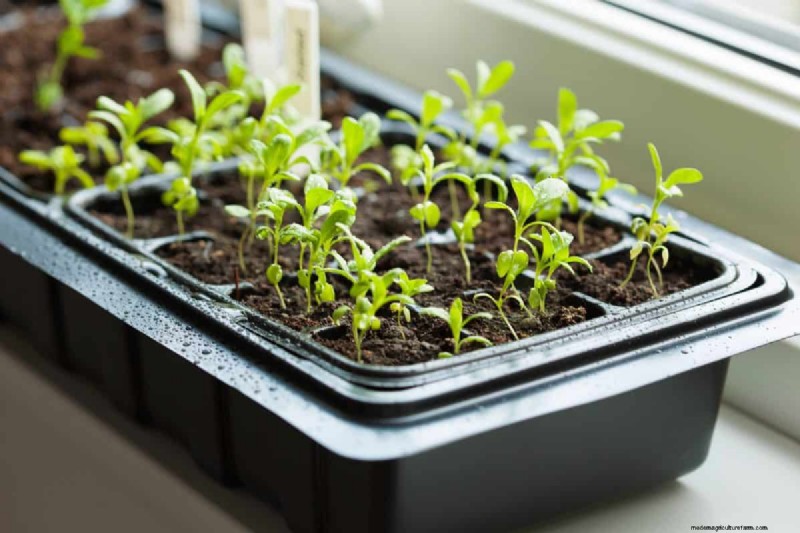
Nursery pots often sit inside decorative covers that trap water at the bottom. If you water without removing the inner pot, extra moisture can build up and lead to rot. When watering, take the plant out of its decorative cover and allow it to drain fully before placing it back.
 Depositphotos.com
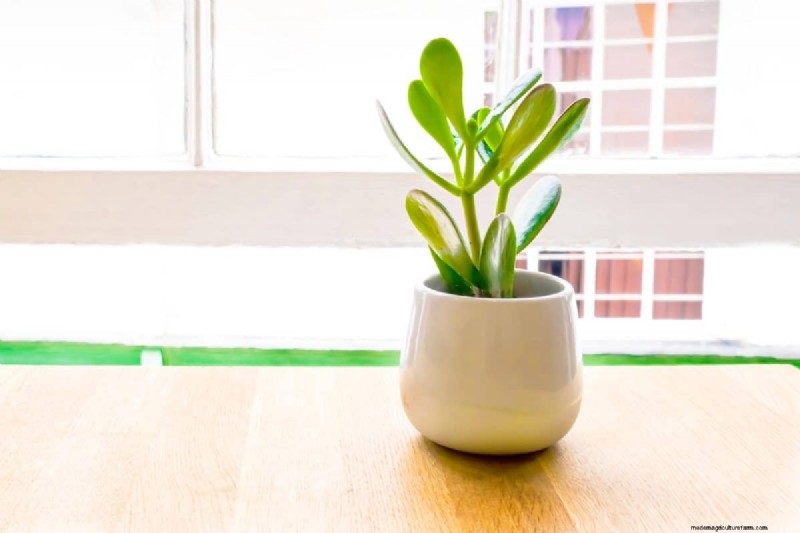
Low humidity can make plants dry out faster, while high humidity slows down evaporation. If you ignore the humidity in your home, you might water too much or too little. Use a humidity meter to track levels and adjust your watering routine to match your indoor environment.
 Depositphotos.com
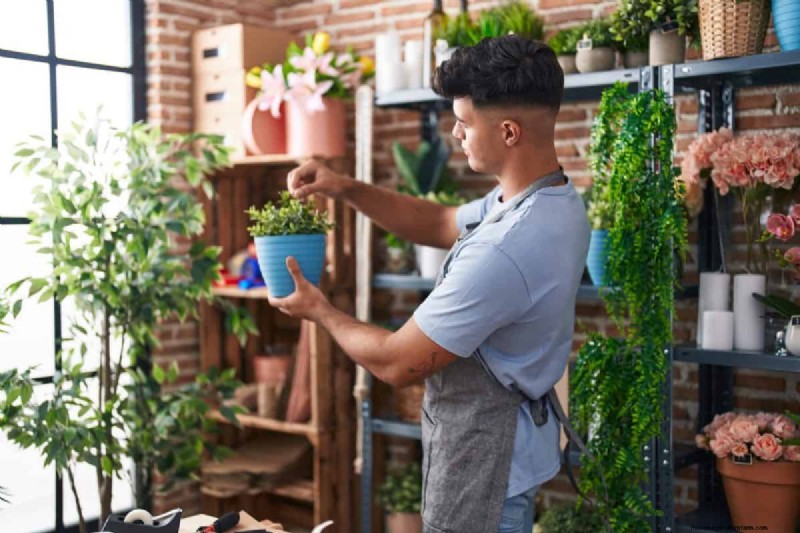
Not all plant care tips work for every situation. Outdated or vague advice may lead you to water your plants too often or not enough. Always cross-check information with trusted sources, and observe your own plant’s behavior and conditions before following any one-size-fits-all guide.
 Depositphotos.com
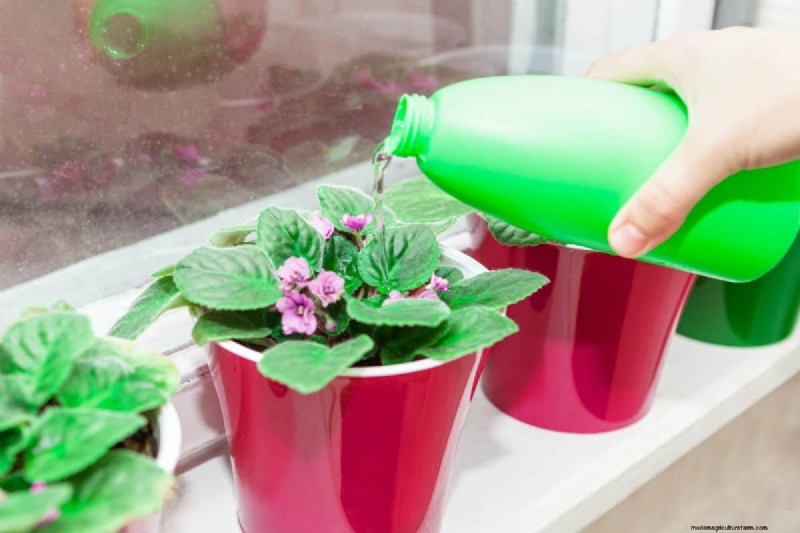
Pouring water directly onto the crown of a plant, like with African violets, can trap moisture and lead to rot. These delicate areas should stay dry to prevent damage. Instead, water the soil gently around the base to keep the crown dry and your plant healthy.
 Depositphotos.com
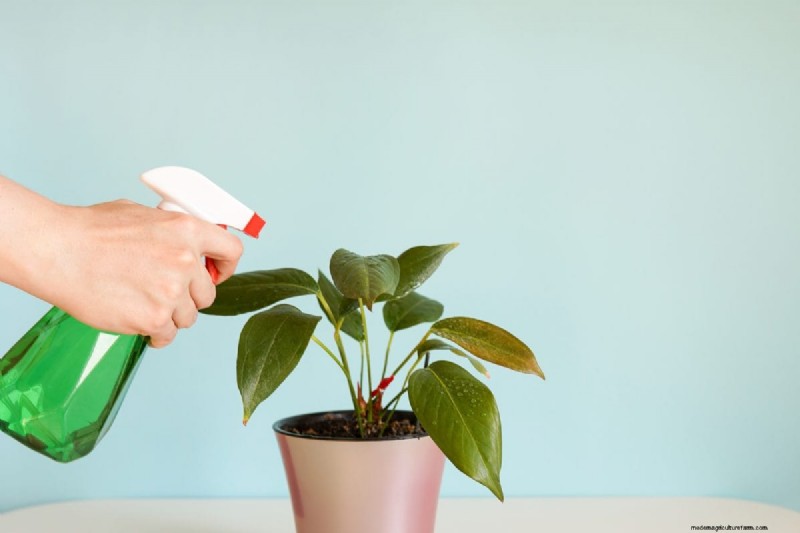
If you always water from the same side, one part of the root system may get more water than the other, leading to uneven growth and weak spots. Rotate your plants every few weeks to ensure that light and moisture are evenly distributed on all sides.
 Depositphotos.com
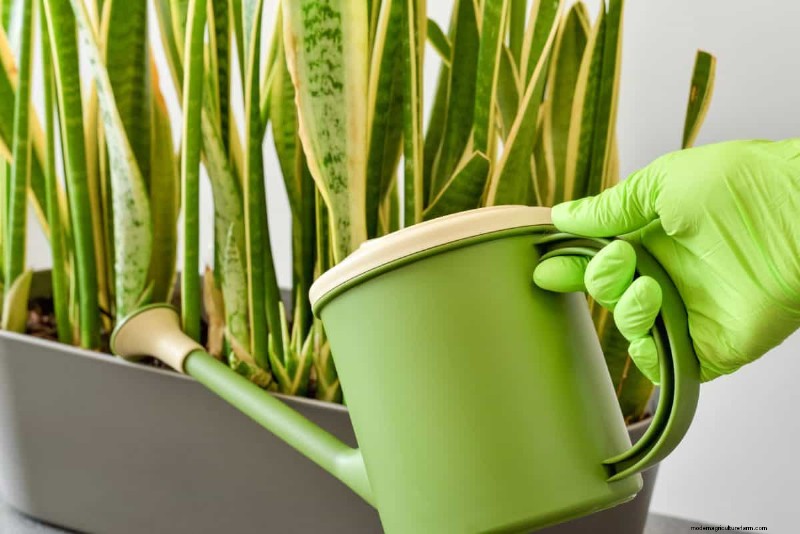
Plants in low-light areas grow more slowly and use less water. If you water them as often as sun-loving plants, the soil stays damp for too long. This increases the risk of mold or root rot. Cut back on watering and make sure the soil is dry before adding more water.
 Depositphotos.com
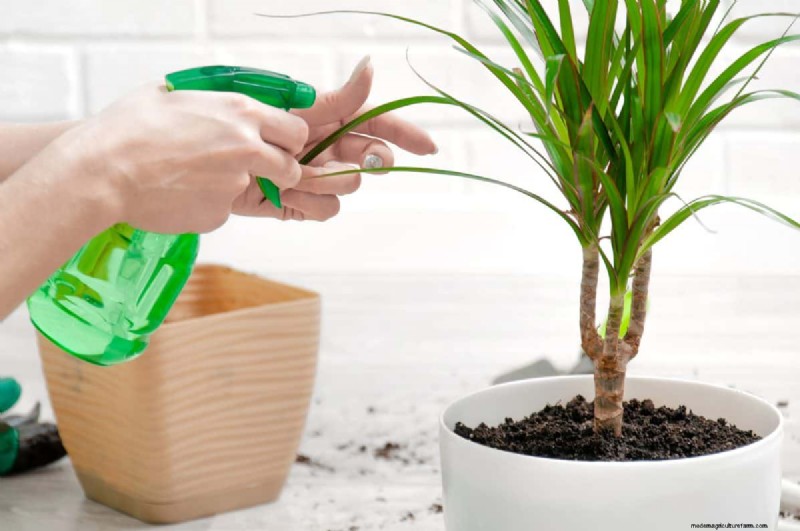
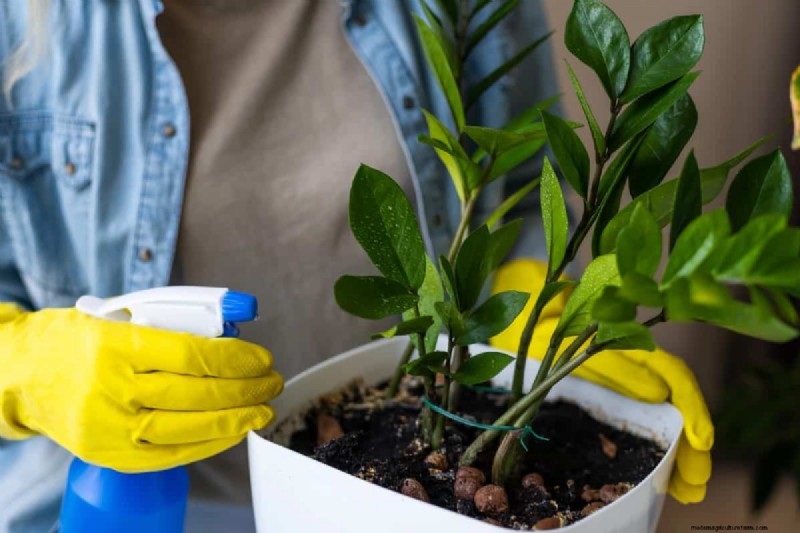
After repotting or moving a plant, its roots need time to adjust. Watering too much during this time can overwhelm the roots and cause rot. Wait a day or two after repotting before watering, and then only water lightly until you see signs of new growth.
 Depositphotos.com
Fresh potting soil holds water differently than old, compacted soil. If you keep watering as before, the plant may end up too wet or too dry. After repotting, check how the new soil absorbs water and adjust your schedule as needed.
 Depositphotos.com
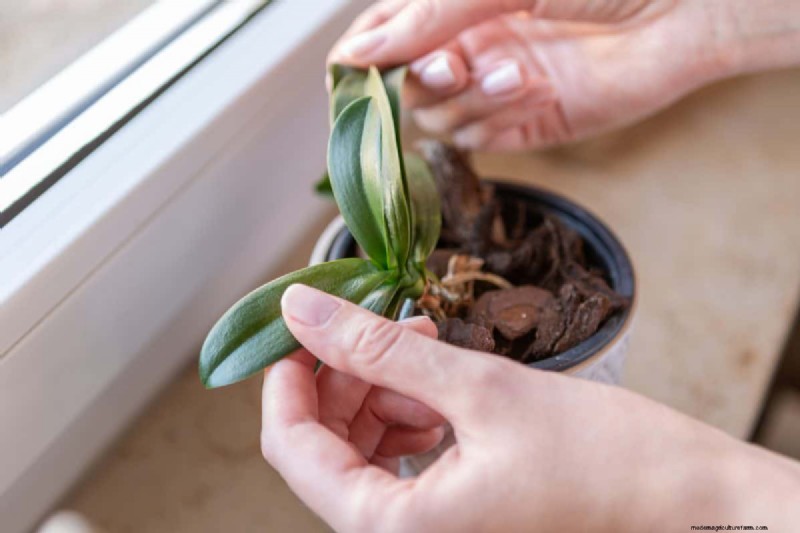
If a plant is already sick or has pests, watering may spread the problem. Moisture helps some pests and diseases thrive. Always inspect your plants before watering. Look under the leaves and at the soil surface to catch problems early.
 Depositphotos.com
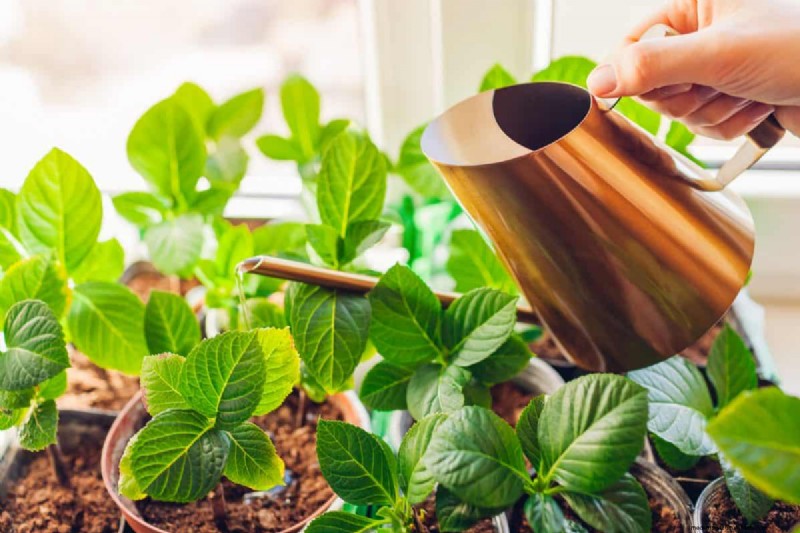
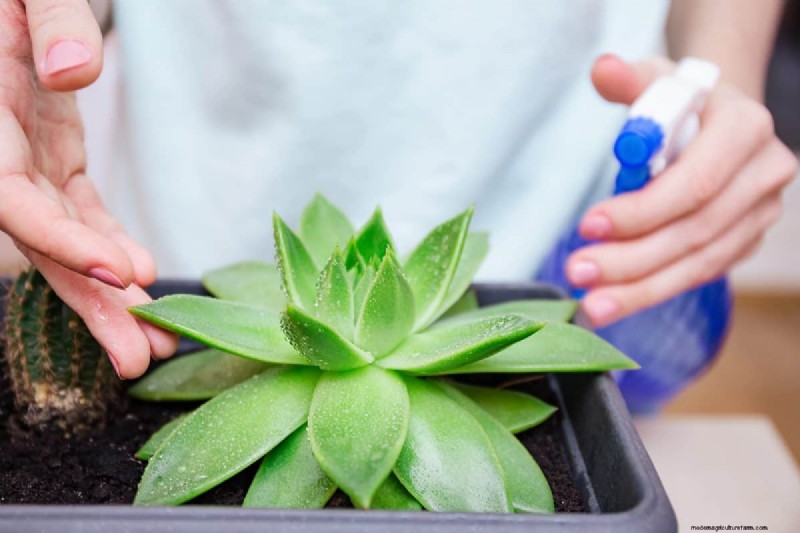
Pouring water over the leaves can cause damage, especially to hairy or delicate foliage. It may also increase the risk of fungal disease. Always water at the base of the plant so moisture reaches the roots where it is needed most.
 Depositphotos.com
Healthy indoor plants depend on more than just a splash of water now and then. By avoiding these common watering mistakes, you can create a safer and more nurturing environment for your plants to grow. Whether you are just starting your houseplant journey or have years of experience, paying closer attention to how and when you water makes all the difference. Keep learning, stay observant, and let your plants guide you—they know what they need most.