
Welcome to Modern Agriculture!

The humble jar of cinnamon in your spice cabinet can do more than sweeten oatmeal. For decades, gardeners have relied on this inexpensive, plant‑safe ingredient to tackle common growth challenges. Recent scientific studies now confirm many of the practical uses that seasoned growers have known all along.
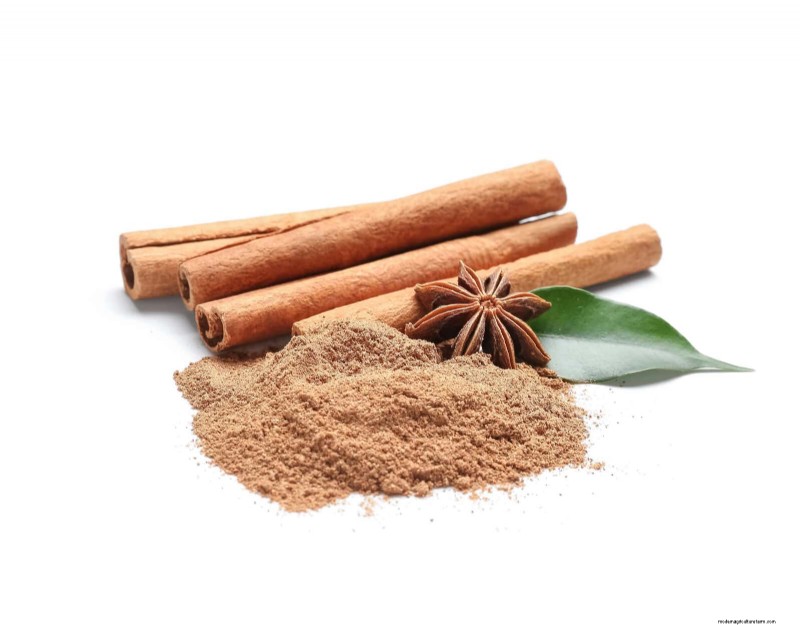
The key component is cinnamaldehyde, the same compound that gives cinnamon its warm aroma. Cinnamaldehyde exhibits antifungal, antibacterial, and mild insect‑repellent properties that translate directly to plant care.
Below, 12 garden applications—backed by research or proven by experience—show how to turn this kitchen staple into a versatile horticultural ally.
Damping‑off is the dreaded collapse of seedlings in the first weeks of growth, caused by fungi thriving in moist, warm potting mix. A light dusting of ground cinnamon on the soil surface before the first watering suppresses the main culprits—Fusarium and Pythium—and keeps seedlings upright.
Research in the European Journal of Plant Pathology (2019) confirmed cinnamon’s efficacy against these pathogens. Apply a thin coat; avoid crusting. Reapply lightly after the first true leaves appear if humidity remains high.
See more: 16 Seeding Hacks and Tips That Improve Germination Rates
Fungus gnats thrive on the fungal layer in moist soil, damaging roots with their larvae. A weekly sprinkle of cinnamon on the soil surface interrupts this cycle. Combining cinnamon with intermittent watering (allowing the soil to dry between sessions) further reduces gnat activity.
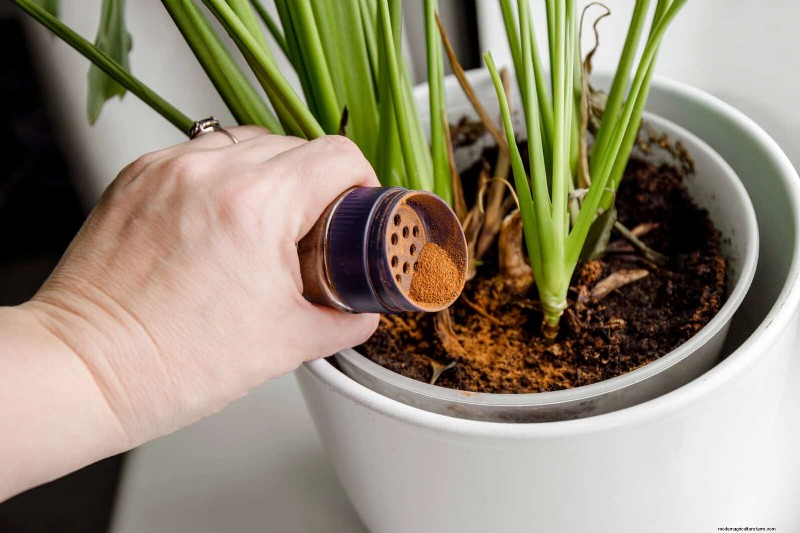
White, fuzzy film on potting mix is typically harmless saprophytic fungus, but it signals excess moisture. Gently scrape the film off, then dust a thin line of cinnamon. The antifungal action of cinnamaldehyde slows regrowth while you adjust watering.
Fresh pruning wounds can invite fungal infection. Press a pinch of ground cinnamon onto the cut surface. The dry powder forms an antifungal barrier that encourages natural healing. This technique is especially effective on succulents, soft‑stemmed perennials, and houseplants. For large shade trees, leave cuts open to allow natural callus formation.
Cinnamon is not a rooting hormone; the hormone is auxin, which cinnamon lacks. However, cinnamon’s antifungal properties safeguard cuttings from rot while auxins drive root development. Roll the freshly cut end in cinnamon before inserting into propagation medium.
Ants tend aphids, indirectly boosting aphid populations. Cinnamon disrupts ant pheromone trails, causing them to take alternate routes. Sprinkle a line along entry points, pot drainage holes, or bed edges. Reapply after rain; for persistent areas, use a cinnamon‑oil solution mixed with water.
After removing visible mushrooms, dust the area with cinnamon. Because mushrooms are fungi, the powder’s antifungal properties deter new fruiting bodies. Persistent growth may indicate buried wood or excess thatch that should be addressed.
Soft, moldy tubers in storage often result from inadequate drying. Lightly coat cured, dried tubers with cinnamon before placing them in vermiculite or dry peat. The antifungal layer helps keep rot fungi at bay. The technique is also effective for gladiolus corms and garlic bulbs.
Transplanting or dividing plants exposes roots, creating entry points for pathogens. Dust the damaged roots with cinnamon before backfilling to protect them during healing. Use this approach for hostas, tomato transplants, and any plant with visible root damage.
Early rot appears as a soft, squishy leaf or pad. Trim off the affected portion, allow the wound to air‑dry for 1–2 hours, then press the cut end into cinnamon. Replant only after a callus has formed; premature watering defeats the protection.
Orchid roots are vulnerable when exposed to air. After trimming dead tissue, dust live cut ends lightly with cinnamon before returning the plant to bark medium. This simple step has long prevented fungal infections in orchid growers.
Old potting mix can harbor fungal spores and develop an unpleasant odor. Spread the soil on a tarp, sun‑dry for a day, then sprinkle a layer of cinnamon and mix thoroughly. Pair the refreshed mix with fresh compost to restore microbial balance.
Commercially sold cinnamon is usually cassia—bolder, slightly more potent. Ceylon cinnamon, labeled “true cinnamon,” is milder and sweeter. Both contain cinnamaldehyde, though cassia has higher concentrations. For garden use, either variety works; the difference is subtle. If you wish to keep kitchen and garden jars separate, a dedicated bag of organic Ceylon powder is inexpensive and convenient. (Amazon)
| Variable | Cassia (Most Supermarket Cinnamon) | Ceylon (True Cinnamon) |
|---|---|---|
| Origin | China & Indonesia | Sri Lanka |
| Color | Dark reddish‑brown | Tan to light brown |
| Flavor | Strong, spicy | Mild, sweet |
| Cinnamaldehyde content | Higher | Slightly lower |
| Best garden use | All‑purpose, fungus gnats, pruning | Cuttings, delicate plants |
Cinnamon is not a panacea, but it is an inexpensive, propitious companion. Laboratory studies show genuine antifungal activity, and long‑standing horticultural practice confirms its effectiveness. Use cinnamon as part of a holistic care routine—not a substitute for proper watering, drainage, or sanitation.
Written by
Anne Moss
Anne Moss is the founder of GardenTabs and principal of Moss Digital Publishing, where she has built reader‑first content for over a decade. She guides the site's editorial direction and writes guides that give everyday gardeners clear, actionable answers.
Meet the GardenTabs team →

Editorial oversight
GardenTabs content is reviewed by Steve Snedeker, a seasoned gardener with decades of hands‑on landscaping experience.