
Welcome to Modern Agriculture!

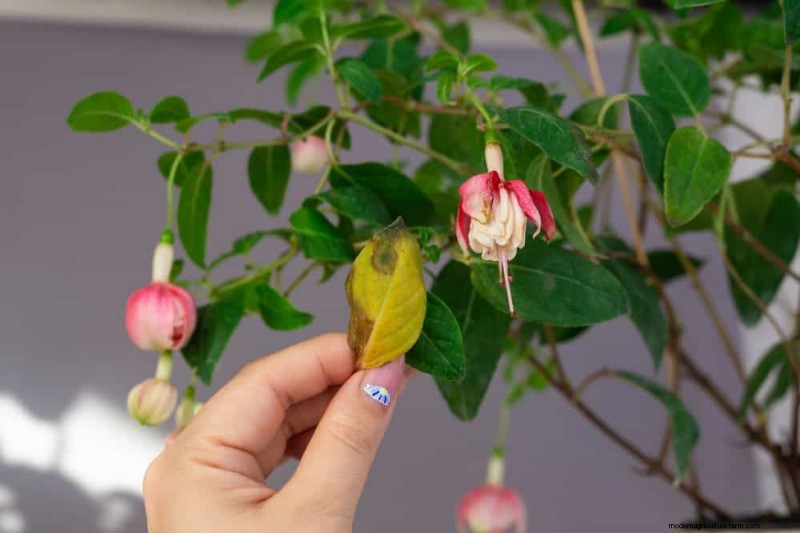
Winter’s cozy atmosphere can also be a breeding ground for common indoor pests such as spider mites, aphids, and fungus gnats. By combining proven prevention tactics with a vigilant care routine, you can protect your houseplants and keep them thriving even when temperatures drop.
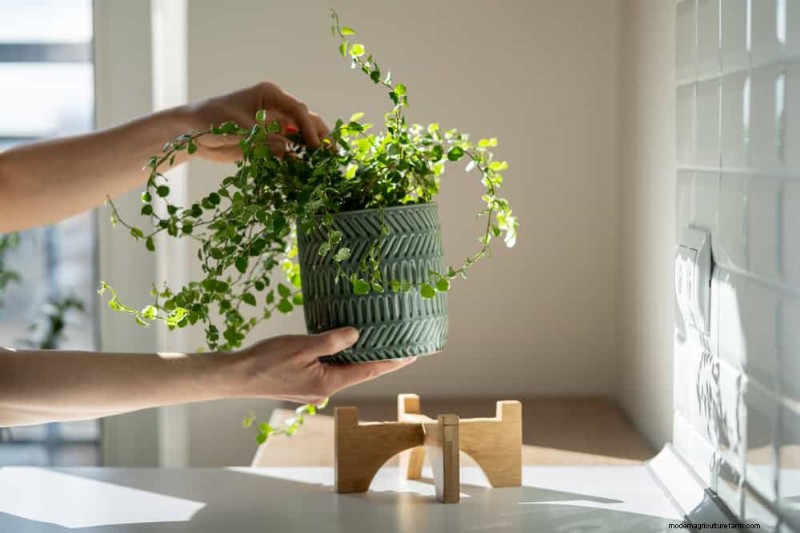
Before bringing a new specimen home, conduct a meticulous check for eggs, insects, or damaged foliage. Nursery plants can be silent carriers, and early detection—paired with a two‑week quarantine—will stop a minor issue from turning into a full‑blown infestation.
Save this article & also instantly unlock today's gardening deals!
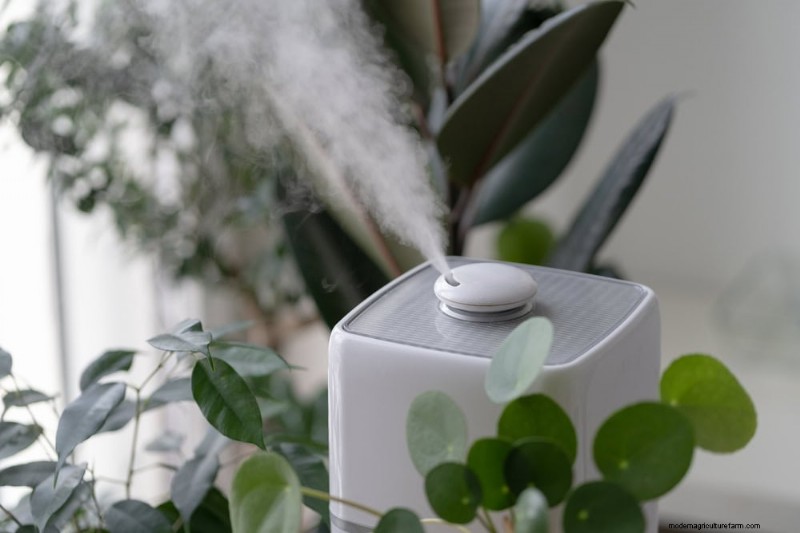
Dry indoor air, especially during heated winter months, attracts spider mites. Raise ambient humidity by using a humidifier, grouping pots, or placing shallow water trays nearby. Just remember to avoid overwatering, which can create a breeding ground for fungus gnats.
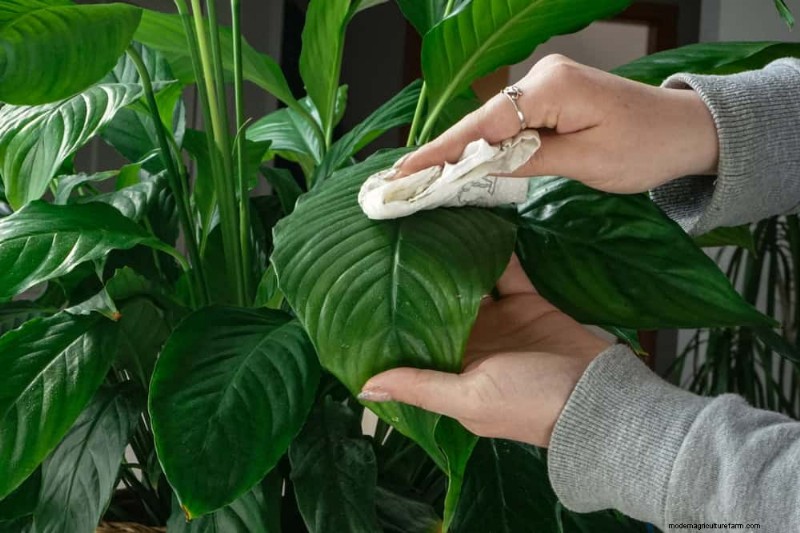
Dust not only dulls foliage but also provides a refuge for pests. Wipe leaves with a damp cloth or give them a gentle rinse in the shower every two weeks. If you notice active infestations, a mild insecticidal soap can provide an extra layer of protection.
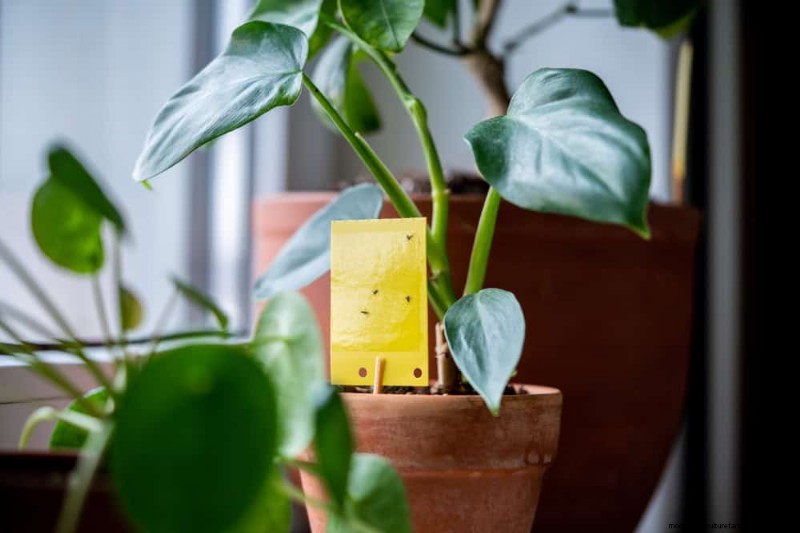
Yellow sticky traps lure and trap flying insects like fungus gnats. Place them close to your plants, and replace the adhesive sheets regularly to maintain effectiveness. This cost‑effective, chemical‑free method is a reliable first line of defense.
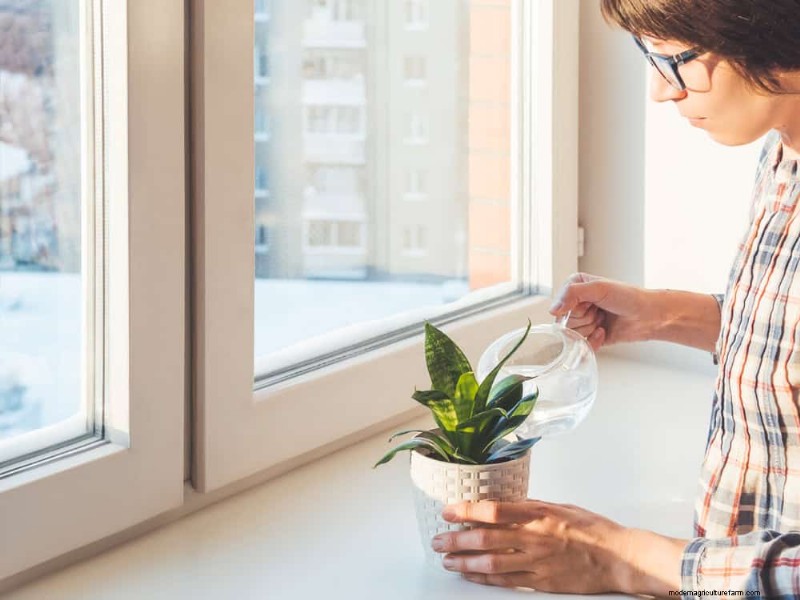
Fungus gnat larvae thrive in moist soil. Allow the top inch of the potting mix to dry before watering again, and ensure proper drainage to prevent waterlogging. Adjusting your watering schedule can disrupt the gnat life cycle and reduce nuisance.
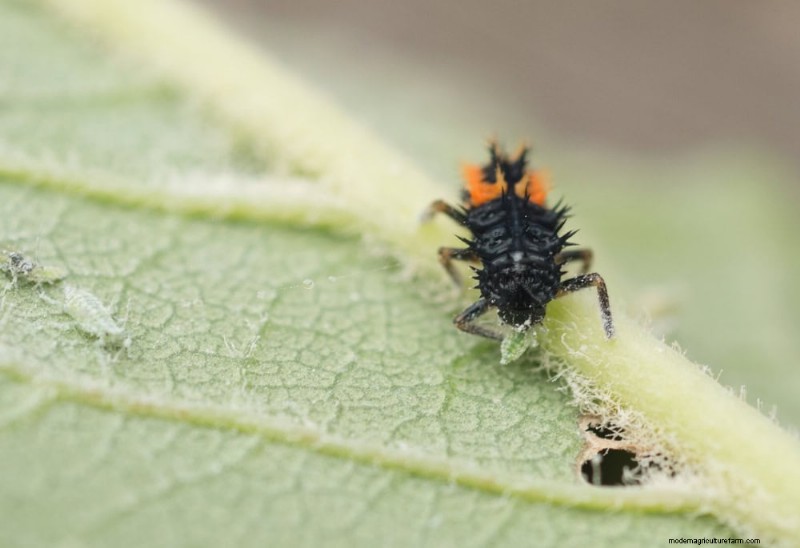
Beneficial insects such as ladybugs or predatory mites consume common pests without harming your prop. Purchase them from reputable sources, release near affected plants, and watch the self‑sustaining cycle reduce spider mite and aphid numbers.
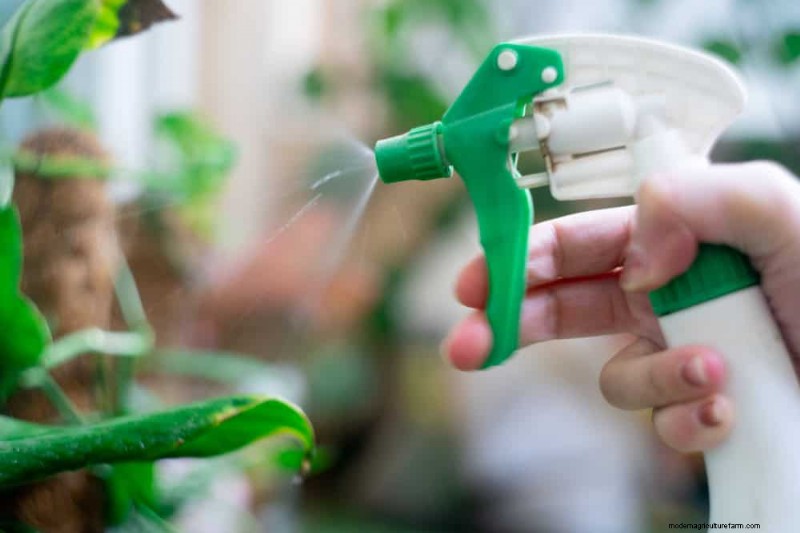
Neem oil is a globally recognized botanical insecticide. Mix 1–2 teaspoons per gallon of water with a few drops of liquid dish soap. Spray the mixture onto undersides of leaves and stems—areas where pests hide—and repeat every 7–10 days for optimal control.
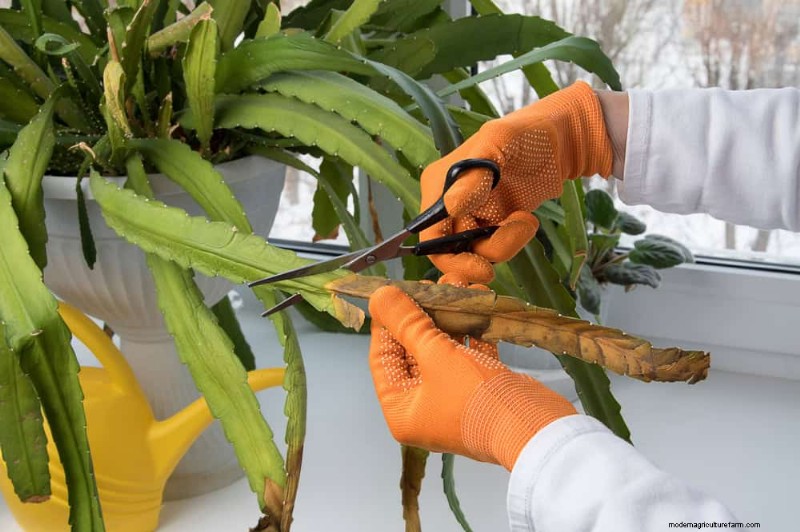
When a plant shows heavy infestation, trim affected leaves or stems with clean, sharp scissors. Bag the cuttings in a sealed container and discard them promptly. Pruning also encourages vigorous growth and simplifies future inspections.
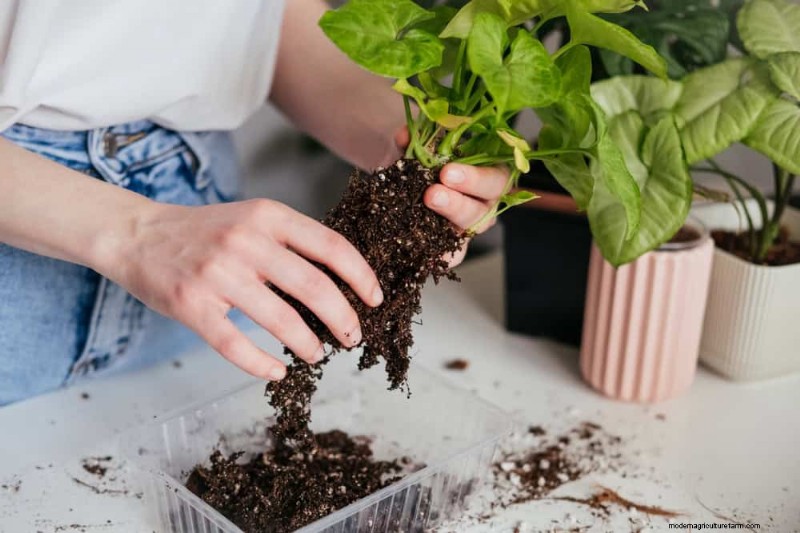
Many pests, especially fungus gnats, lay eggs in old potting mix. Carefully remove the plant, gently shake off existing soil, rinse roots, and repot in sterile, well‑draining media. This eliminates larvae and eggs, giving your plant a clean start.
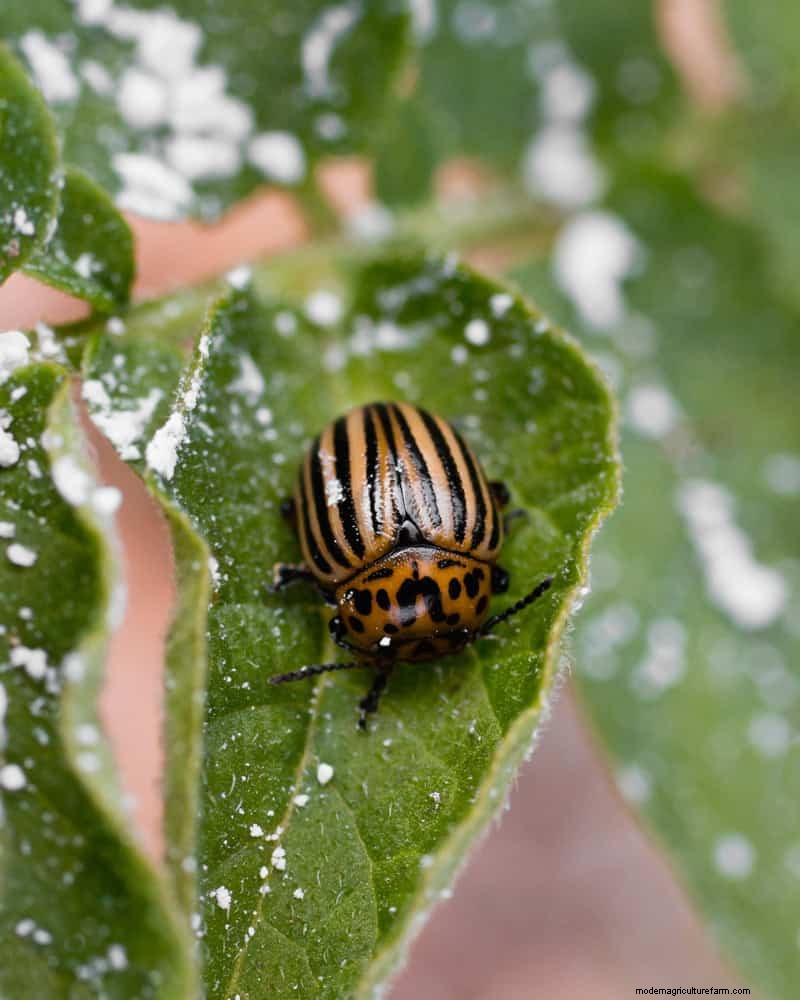
Food‑grade diatomaceous earth (DE) works by dehydrating pests. Spread a thin, even layer over the soil surface, re‑apply after watering, and use with caution around pets and children. DE is an effective, non‑toxic barrier against small insects.
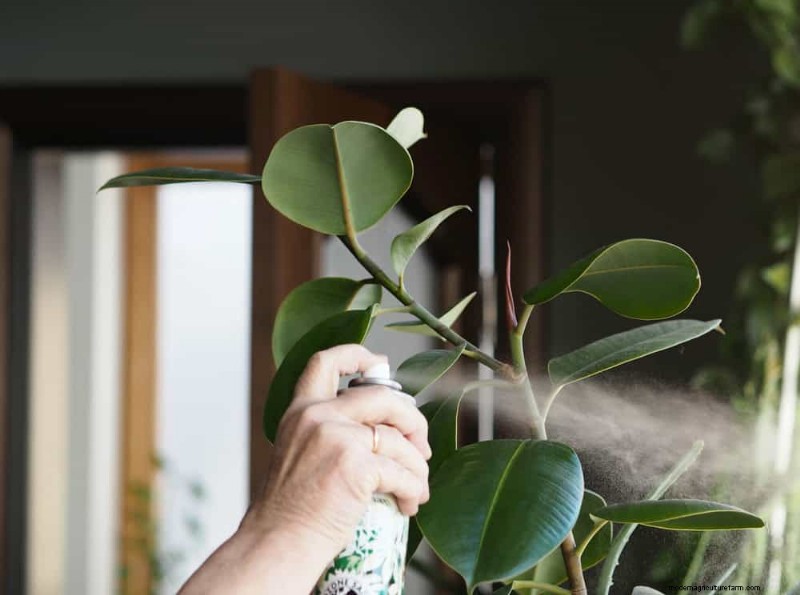
Weekly inspections are crucial. Look for webbing, discolored leaves, or flying insects. A magnifying glass can reveal minute pests like spider mites. Early detection keeps infestations manageable and protects your plant’s health.
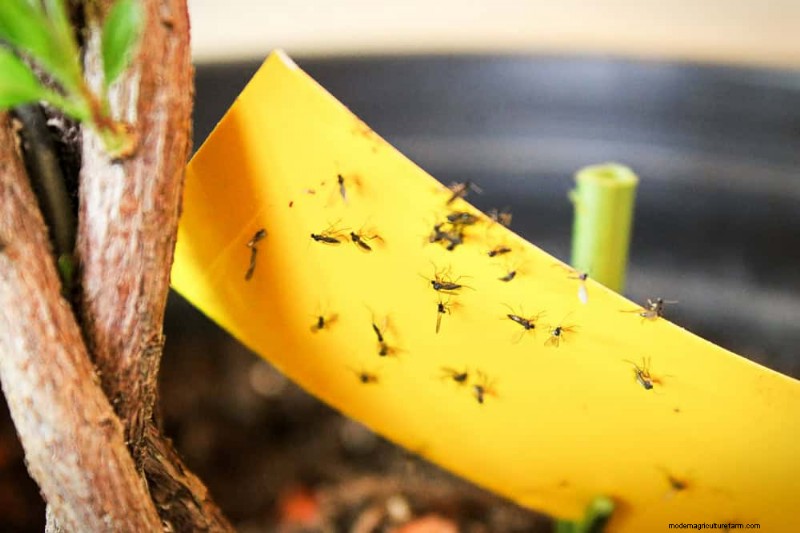
By combining diligent inspection, humidity control, and targeted treatments—such as neem oil, sticky traps, and natural predators—you can build a robust defense against winter pests. Regular monitoring and mindful care will keep your indoor garden lush, resilient, and vibrant all season long.
Written by
Samantha Flores
Samantha is a leading team member at GardenTabs, where she specializes in houseplant care. Her passion for nurturing greenery and sharing practical, evidence‑based tips helps readers create thriving indoor gardens.
Meet the GardenTabs team →

Editorial oversight
GardenTabs content is reviewed by Steve Snedeker, a seasoned gardener with decades of hands‑on landscaping experience.


