Welcome to Modern Agriculture!

If there's one thing that's extraordinary about the humble ant, it's the sheer scale of numbers the insect can boast. There are over 10,000 known species worldwide, more than 1,200 in Australia alone, and a single colony can host tens of thousands of individual insects.
Given these figures, and the fact that an infestation can cause real problems for gardeners, you might think that ants are pests as bad as any other. However, the true situation is a little more complicated.
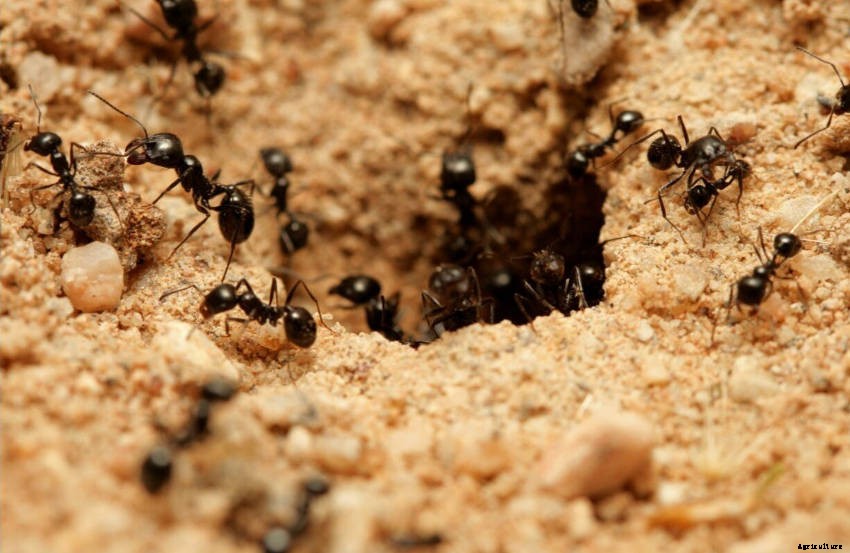
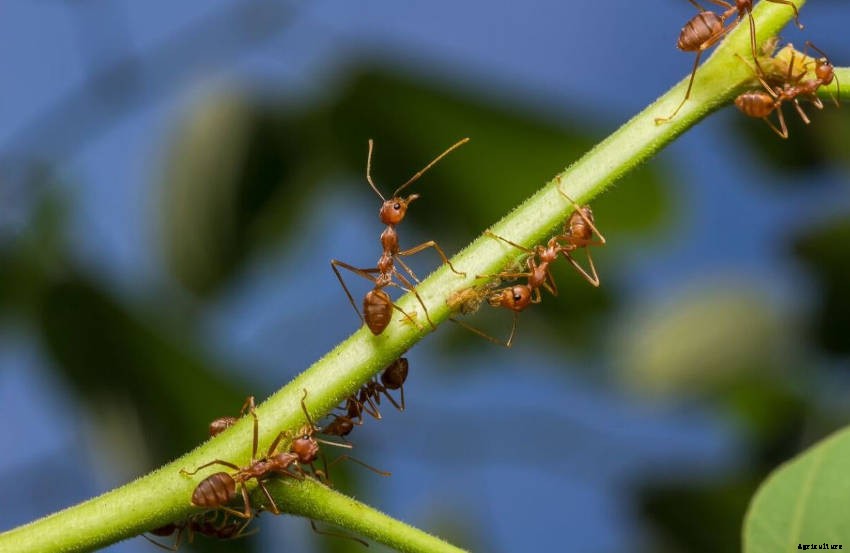
Despite their many species, most ants in Australian gardens can be divided into two main categories. The smaller ones, black-coloured and 1-3mm long, are known as garden or common ants. The second type are larger at 3-7mm, and are often referred to as brown ants thanks to their reddish-brown colour.
Both play a generally positive role in the garden.
Unfortunately, not all ants you'll come across are these harmless, even helpful, native species. Invasive carpenter ants imported from the US can cause serious damage to wooden structures including fences, garden buildings, and even your home.
Just as unwelcome, species such as fire ants, electric ants, and others possess a bite or sting ranging from the uncomfortable to the positively painful. A garden full of these creatures is not a pleasant place to work or play in.
But even non-aggressive ants have their disruptive side, especially when they arrive in numbers.
And to add to these gardening difficulties, a large ant population is simply a nuisance, invading your home and disrupting outdoor life through their constant search for food.
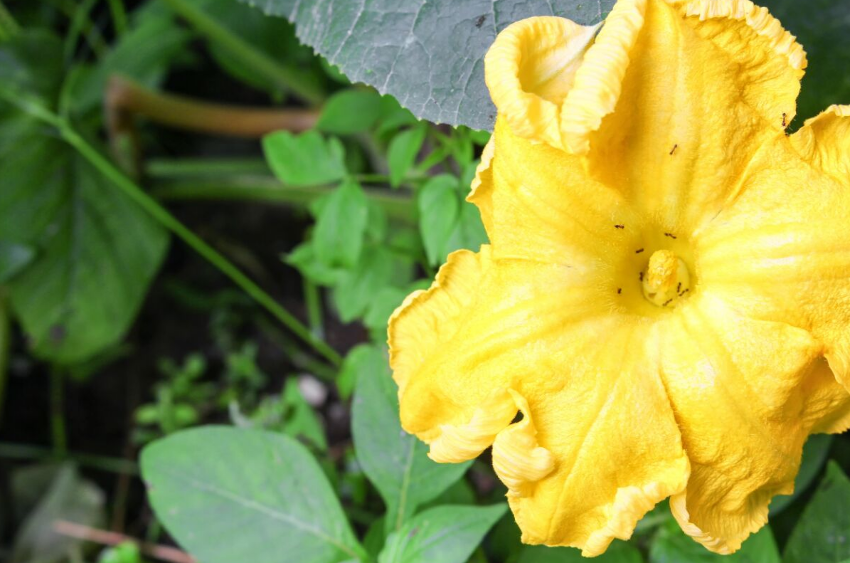
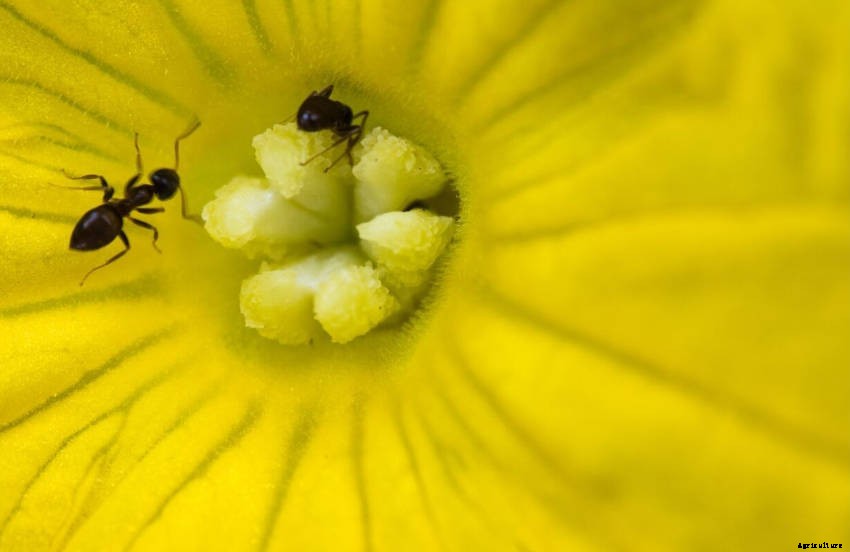
Despite their fondness for tender young shoots and nectar-rich flowers, ants rarely cause significant damage directly through feeding. Certainly, they won't strip entire plants bare as you'll see with caterpillars, snails, and other more voracious pests.
But their active stewardship of aphids can cause huge problems. If your tomatoes, lettuce, soft fruits, and other tender plants are under repeated aphid attack, it's worth checking if ants are the underlying cause.
There's a wide variety of commercial chemical products which can eliminate entire ant colonies with just a few sprays. However, bearing in mind the useful purpose ants serve in smaller numbers, population control using organic methods is preferable to all-out war.
Keeping your garden's ant population under control may be the most eco-friendly choice, but if you're faced with a serious infestation, more decisive action is needed.
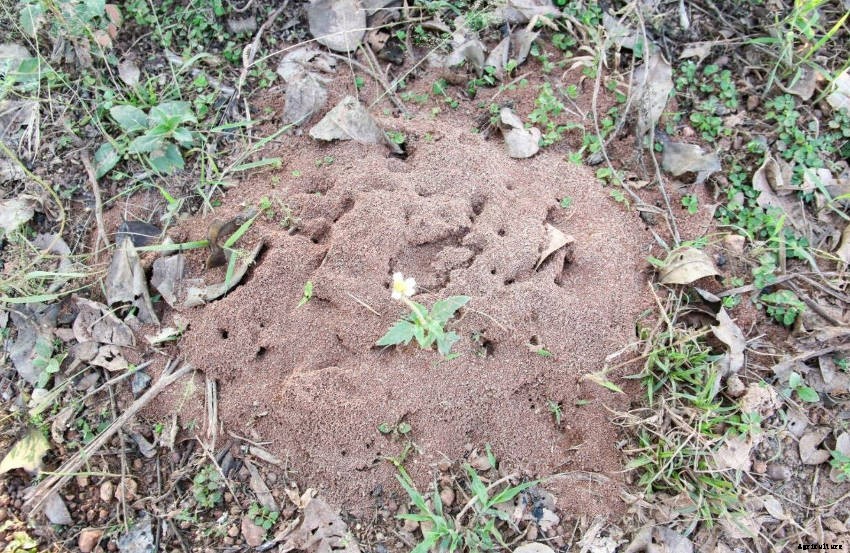
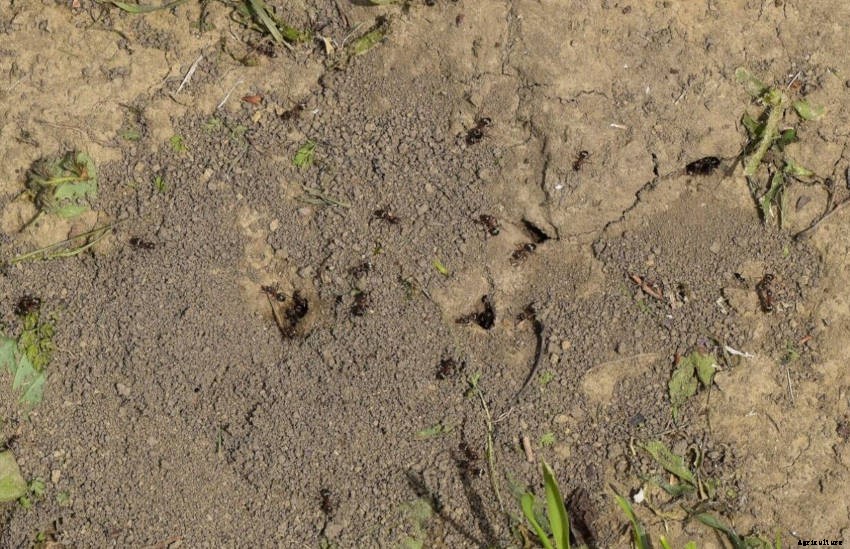
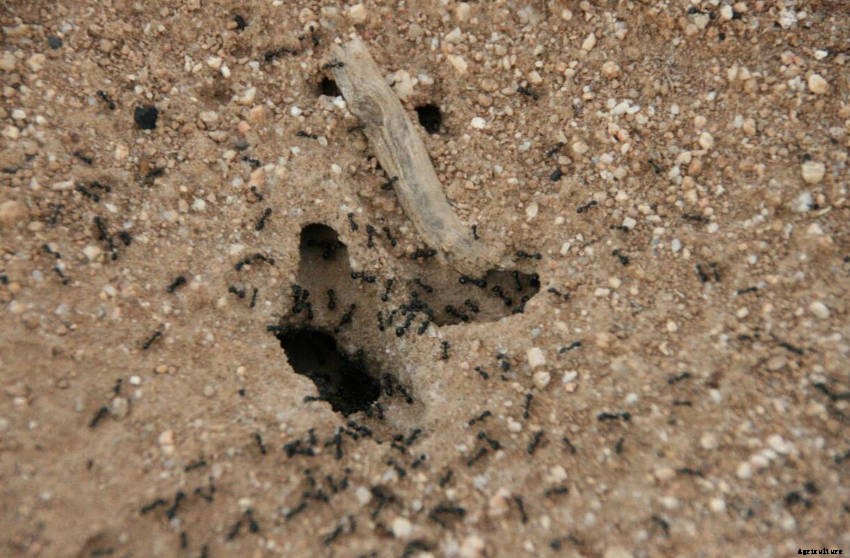
Try and locate the nests which are the source of the problem. Handily, ants' trails often lead you directly to them, and once found, several simple treatments can eradicate the colony.
If all else fails, pesticide sprays are effective, but come with the usual risks to beneficial wildlife and the wider environment.
Ants' tendency to over-aerate the soil is a particular problem in containers. If a colony starts to establish, the pot can become dry and water-repellent extremely quickly.
Infested pots can be rescued by soaking them in a bucket of water, leaving the soil's surface just below the water level. Wait until bubbles have stopped appearing, and then remove the container to a sunny spot to dry a little.
This process drowns the ants, while also rehydrating the compost so that you can continue watering as usual.
Even if you're happy to share your garden with ants, you'll probably want to keep them away from your outdoor living areas, and definitely out of your home. There are several ways of doing this without resorting to chemical sprays or powders.
For the environmentally conscious gardener, ants create a predicament. There's no doubt they're a nuisance in numbers, but they also have a vital place in the ecosystem. Using organic methods to keep the population in check lets you protect the ecological benefits they bring without giving them free rein to take over.