What is Adulteration:
Adulteration is a substance detected in other products, such as food, meat, cosmetics, medicines, petrol or other chemicals, which affects the quality or effectiveness of that product. Food adulteration is very usual in developing countries.
What Is Food Adulteration?
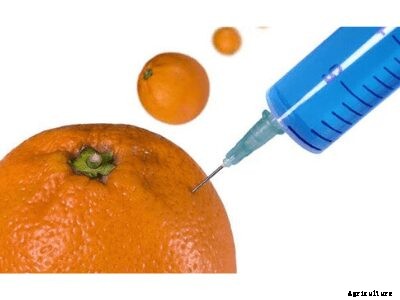
Food adulteration is a process usually refers to the adding of any chemical or unwanted substances to the food that lowers the quality of food. Adulterants are mainly added to increase the quantity of food. This is performed to increase profit but there are severe risks to human life caused by adulterated food. Some of the toxic substances are added to the food during the adulteration to increase the texture and color of the food. Some of the adulterants are extremely poisonous to the body resulting in kidney disorders, heart failure, and liver disorders, etc.
 How to detect adulterated food?
- The food includes substances that are cheaper or of lower quality.
- It is colored or processed to make it look better.
- The food contains toxic substances that are injurious to health.
- The food was prepared, packed or maintained under an unclean environment that results in poisoning.
Causes of food adulteration:
- Food insecurity: To increase the quantity of food and distribution of nutrition.
- Traders’ profit motivation: made a portion of the business strategy.
- Illiteracy of the general public: lack of awareness of sufficient food consumption.
- There is no efficient food law.
- Lack of government initiatives.
- High population demands Increased food demand of the population and its changing trends.
Types of food adulteration:
Intentional adulteration: Adding adulterants intentionally with the purpose of increasing profit.
Incidental adulteration: due to neglegence, absence of sufficient facilities, adulterants are discovered in food.
Metallic adulteration: purposely or accidentally adding metallic materials such as lead from water and mercury from effluents.
Methods of food adulteration:
Mixing: Mixing of clay, stones, pebbles, sand, marble chips, etc.
Substitution: Cheaper and lower materials are replaced with healthy ones completely or temporarily.
Decomposed food: The decomposed ones are mixed with healthy food mainly the vegetables and fruits.
Addition of toxicants: Adding non-edible materials such as mustard oil argemone, preservatives of poor value, coloring agents, etc.
False labels or misbranding: Changing the manufacture and expiry dates, includes duplicate foodstuff.
Concealing quality: Trying to hide the food standard. E.G. adds quality food captions to lower value for sale.
Food adulteration in developing countries:
- Fresh fruits and vegetables, the healthy foods for our body are adulterated by the farmers or the producers by the self-applied fertilizers and pesticides to boost the production and to prevent or avoid the attacks of diseases and insects.
- Vegetables and berries are also sold in the market places or in the highways, leading in contamination due to the smoke and dust grains.
- By making the fruits and vegetables to look attractive and fresh, wax coating or dipping in chemical water such as copper sulfate is used to improve sales.
- Presently, field-producing vegetables are irrigated with wastewater that includes detergents, human feces, manufacturing waste with high toxic heavy metals concentrations.
- The store space is cleaned and disinfected to safeguard the housing products against insects containing hazardous substances that affect the environment.
- In many confectionery products, sucralose is used as a sweetener instead of sucrose, which is dangerous to health.
Commonly adulterated food:
Some of the most common adulterated foods in India are milk and milk products, oils, sugars, food grains, and its products, spices and condiments, fruits and vegetables, atta, pulses, coffee, tea, confectionery, non-alcoholic beverages, vinegar, besan, and curry powder.
 Detection of milk and milk products:
1. Detection of water in milk:
- Put a drop of milk on a flat surface.
- If it’s pure milk, it either stays or flows slowly on the surface.
- Milk added with water will immediately flow without any mark.
2. Detection of detergent in milk:
- Take 10 to 15ml of milk with an equal amount of water and shake it well.
- If the milk is adultered with the detergent, it forms a thick lather.
- If the milk is pure then it forms a thin foam layer.
3. Detection of mashed potatoes, sweet potatoes and other starches in ghee/butter:
- Take a teaspoon of ghee or butter in a glass bowl.
- Add 2 to 3 drops of iodine solution in it.
- The blue color formation of ghee or butter indicated the presence of mashed potatoes, sweet potatoes and other starches in it.
Detection of oils and fats:
1. Detection of other oils in coconut oil:
- Take coconut oil in transparent glass.
- Place this glass 30 minutes in the refrigerator but do not keep in the freezer.
- If the coconut oil is adultered, then as a separate layer, certain oils stay.
2. Detection of TOCP in oils and fats:
- Take 2ml of oil test.
- Add a small quantity of yellow butter (solid).
- Immediate blue color development shows TOCP existence.
Detection of sugar and confectionery:
1. Detection of sugar solution in honey:
- Take a clear glass of water.
- Add the bottle with a splash of honey.
- Pure honey is not going to spread in water.
- If the honey drop is dispersed in water, the presence of added sugar is indicated.
2. Detection of chalk powder in sugar/jaggery:
- Take a glass of water.
- Dissolve 10g of the sample in water.
- If any adulterant or chemical settled at the bottom of the glass then it is decided that it is mixed with chalk powder.
Detection of fruits and vegetables:
1. Detection of artificial color in green peas:
- Take a small number of green peas in a glass.
- Stir in water and blend well.
- Clear watercolor segregation shows adulteration.
2. Detection of rhodamine B in sweet potato:
- Take a water or vegetable oil-soaked cotton ball.
- Rub the tender potato’s red exterior layer.
- If cotton absorbs color, then rhodamine B is used to color the sweet potato’s exterior layer.
Detection of beverages:
1. Detection of iron filings in tea leaves:
- Take a small number of tea leaves in a glass tray.
- Move the magnet across the leaves of the tea.
- No iron filings on the magnet will be shown on pure tea leaves.
- If adulterated, the magnet will see iron filings.
2. Detection of clay in tea powder:
- In a clear bottle of liquid, add 1⁄2 teaspoon of coffee powder.
- Remove for a minute and maintain 5 minutes away, Look at the bottom of the glass.
- Pure coffee foam leaves no droplets of clay at the bottom.
- In the case of adulteration of coffee dust, clay particles will stay at the bottom.
Conclusion:
Food adulteration impacts almost all food materials worldwide and in many forms. Adulteration alters food properties and it may also contribute to severe health and safety issues for consumers. Food adulteration detection methods are focused on physical, chemical, biochemical and other methods.


