
Welcome to Modern Agriculture!

Introduction to Maize seed germination procedure
Maize, (Zea mays) is also called Indian Maize or maize. It is a tender annual and a member of the grass family that can grow from 4 to 12 feet tall. Plant Maize in full sun and it grows best in loose, well-worked, well-drained soil with a pH of 5.8 to 6.8.
The Maize plant is a warm-season crop. Germination and emergence are optimal when soils temperatures are about 29 to 32°C. Cool conditions during planting impose significant stress on Maize emergence and Maize seedling health. Maize seed is particularly susceptible to cold stress during imbibitions. Warmer, moist conditions for the first 24 to 48 hours after planting can mitigate much of the cold stress. In lighter-textured soils, spring nighttime temperatures can drop below 10°C, even after warm days, inflicting extra stress on Maize’s emergence. In this article we also discussed below topics;
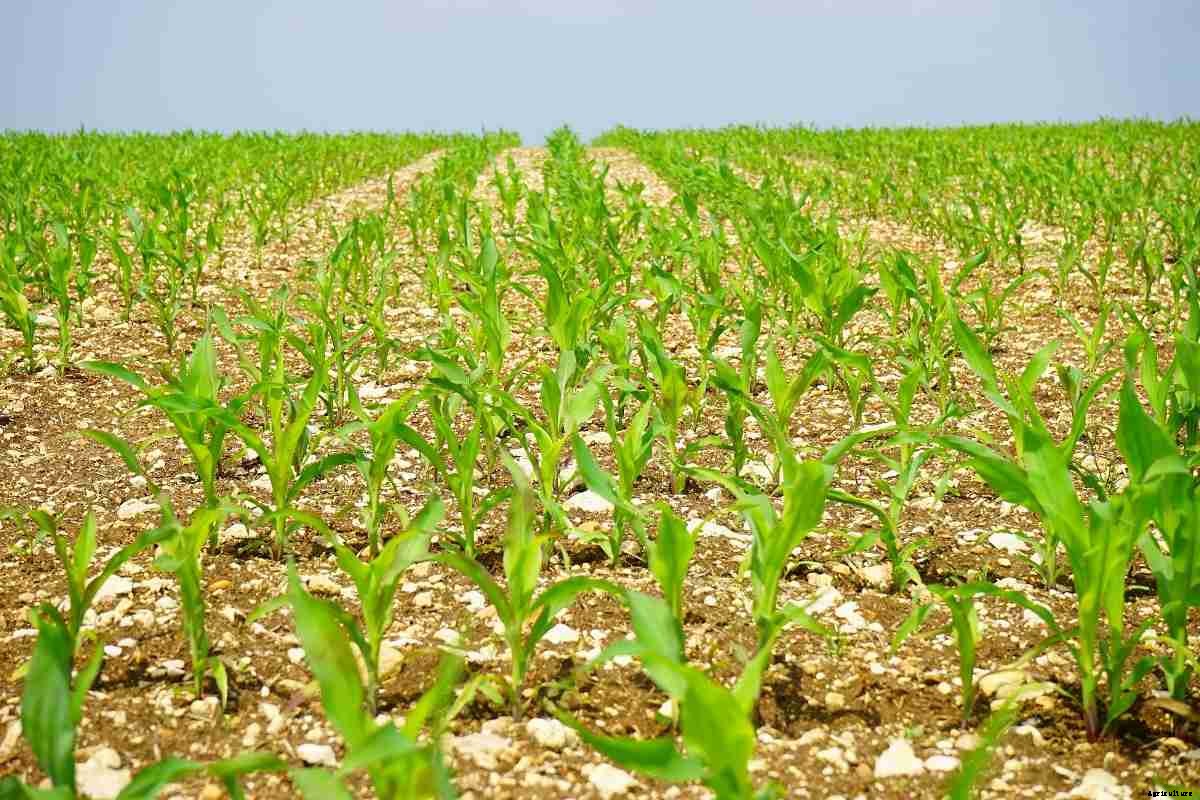
Seed germination is triggered by the absorption of water through the seed coat. Maize kernels should absorb (imbibe) about 30 % of their weight in water before germination begins. Less than optimum absorption of water (perhaps due to a rapidly drying seed zone) can slow or stop germination. Repeated wetting and drying cycles can decrease Maize seed viability.
The optimum seeding rate ranged from about 28,000 to 40,000 seeds per acre with an average economic optimum seeding rate of 34,000 seeds per acre.
Most Maize seed obtainable today comes with a base package that includes a fungicide and insecticide. The insecticide options for seed treatments consist of Poncho (clothianidin), Cruiser/Cruiser Extreme (thiamethoxam), and Gaucho (Imidacloprid). And all three of these products are neonicotinoid chemistries.
Maize is a warm-season crop. Maize seeds germinate approximately in 4 to 10 days. Seed germination and emergence are optimal when soil temperatures are approximately 29 to 32°C. At 12-15°C Maize will take 10 to 14 days to emerge. At 18-21°C Maize only takes 5 to 8 days to emerge.
In case if you miss this: Coconut Seed Germination, Time Period, Process.
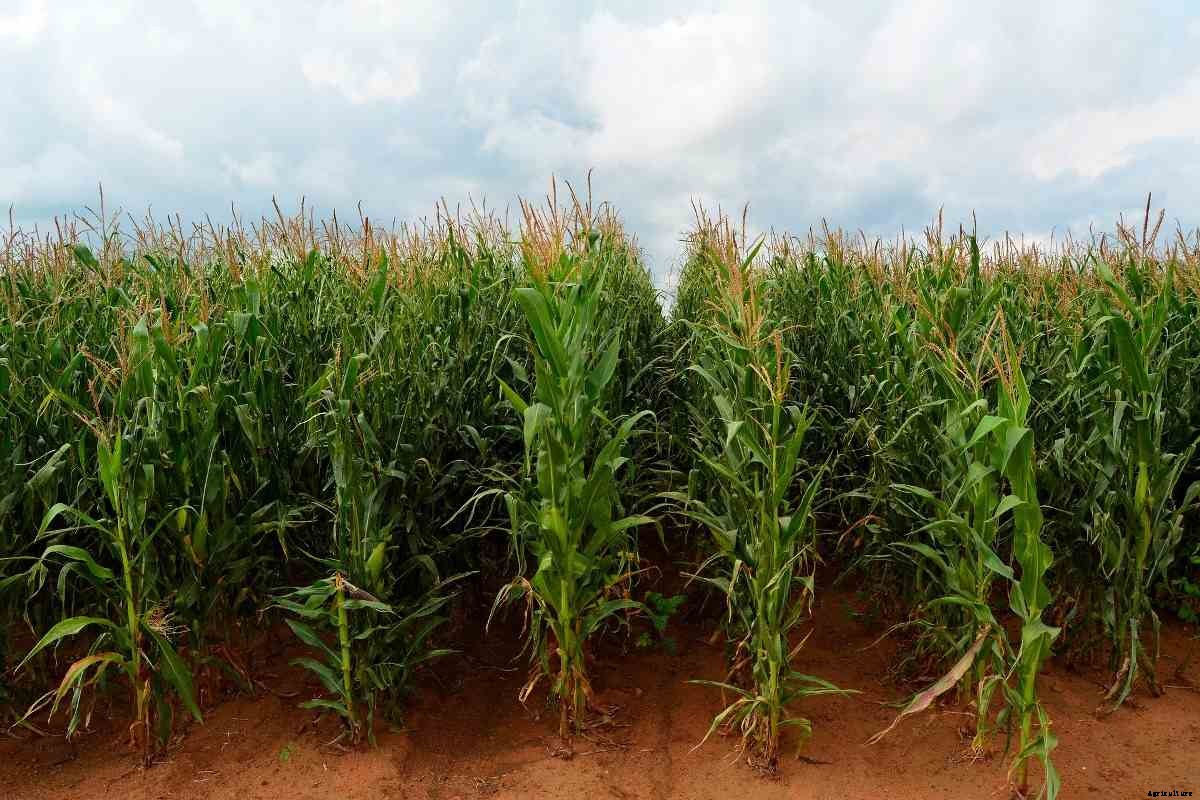
Sow Maize about 1 to 1½ inch deep. Plant Maize seeds 2 to 4 inches apart in short, side-by-side rows to form a block, rather than one long row. You can grow several Maize plants on mounds or inverted hills. Planting in a block or in clump will help ensure pollination. Thin plants from about 12 to 18 inches apart for short varieties and 18 to 24 inches apart for tall varieties once plants are 4 to 6 inches tall. Maize planted too closely will need more water and fertilizer and may offer a smaller yield. For a continuous harvest, succession plant Maize every 2 weeks or plant early, midseason, and late varieties at the same time. Rows must be spaced 30 to 36 inches apart. Increase seeding rates to ensure a good stand if soils are cold or using seed that has not been treated with a fungicide.
Seed germination begins in a Maize seed when it has imbibed 30% of its weight in water. While Maize can germinate when soil temperatures are 10°C or higher, research has determined that the optimal temperature is 30°C. Visual signs that Maize germination is taking place are the appearance of the radical root, coleoptiles, and seminal roots. When temperatures are cooler, the seed germination process is slower and seedlings are more susceptible to disease, insects, and other damaging factors.
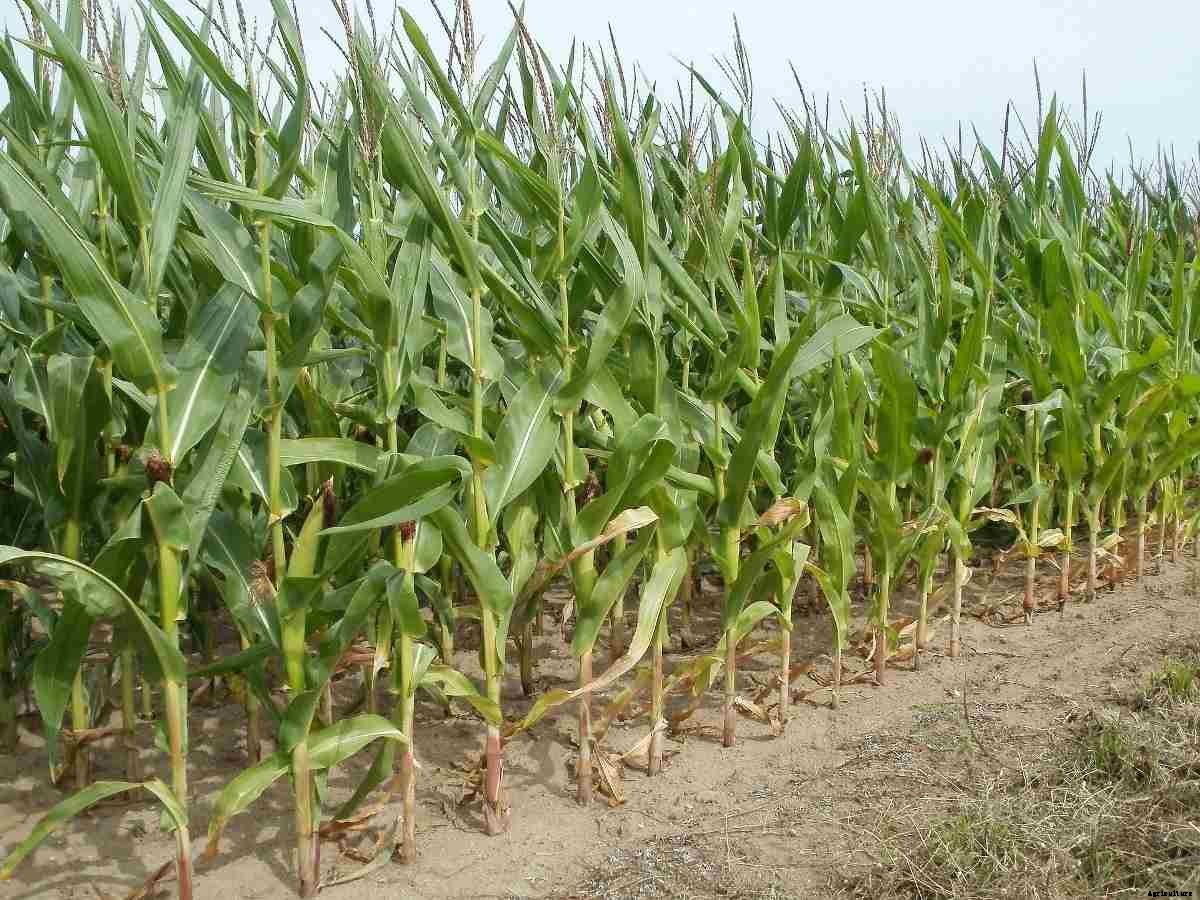
Successful Maize emergence is a combination of three key factors they are environment, genetics, and seed quality. Hybrid genetics gives the basis for tolerance to cold stress. High seed quality helps ensure that the Maize seed will perform up to its genetic ability. Maize products are selected to provide the best genetics for consistent performance across a wide range of environments, and seed production practices are optimized for maximum quality.
You should not miss the Cotton Seed Germination Period, Temperature, Process.
The critical soil moisture for seed germination to occur is about 30% for Maize. At 25-50% soil moisture, a ball of soil formed with the hand will feel slightly moist, form a weak ball when gripped in hand, but it won’t leave dirt stains on hand as wetter soil would, and few aggregates would break off of the ball.
Seed-to-soil contact is critical for imbibitions to take place. Imbibitions are uptake of water into the seed. When a seed swells with water this is not an indicator of seed viability as even dead seed will imbibe water in the same manner as live seed.
Soil temperature is an important factor in the seed germination process. The minimum threshold temperature for Maize seed germination is 10°C in the seed zone. Maize will germinate and emerge slowly and unevenly when soil temperatures are less than 10°C.
Minimum and optimum temperature for Maize seed germination;
Maize – minimum 7°C; optimum 30°C
Oxygen is necessary as respiration increases during the seed germination process. Lack of oxygen is rarely a concern except for flooded soil conditions, which offer a significantly lower level of oxygen to the respiring seed and can kill the Maize seed if conditions persist.
To sprout quickly, Maize seed needs adequate moisture in the soil, which kicks off the seed germination process. A lack of moisture can hinder sprouting, and heavy rains can provide too much moisture in the soil, which prevents Maize from germinating. Plant Maize in areas that receive full sun and also have well-drained soil. Incorporating aged manure or compost before Maize planting can help the soil drain better, preventing rotting seeds. If the garden is in a low-lying area, plant Maize seed in mounds of soil or in raised garden beds to increase water drainage and help the Maize germinate quicker.
Pre-sprouting Maize seeds are an excellent way to test the viability and germination rate of a group of seeds. As Maize likes warm soil to start, in cooler climates pre-sprouting can ensure germination. The easiest sprouting method contains rolling the seeds in a moist paper towel and placing them in an open plastic bag.
Prepare sprouted Maize 2 to 3 weeks after the danger of frost passes when the soil has warmed to 60 degrees Fahrenheit or more. Sprouted Maize needs to be planted as soon as you see the root and stalk emerge, that it can begin taking nutrients from the soil. This could take as little as 2 days.
Select a location for the Maize with full sun and rich, loose, well-drained soil. Maize grows best in soil with a pH level between 5.8 and 6.8. Put down about a 2-inch layer of manure mixed with aged compost, and dig it into the soil for enrichment, breaking up clumps and pulling out any rocks you find.
Create 3- to 4-inch-deep furrows with fingers or a trowel. Make a block of furrows to create Maizerows, spacing them 30 to 36 inches apart. Maize plants pollinate efficiently when planted in a block rather than a long row.
You may also like the Sunflower Seed Germination, Time, Temperature, Process.
Place the sprouted Maize seeds in the furrow, spacing them about 2 to 4 inches apart. Direct the long root downward and smaller stalk upward. The kernel will seem sideways, in most cases. Don’t worry too much about getting the orientation perfect, as the Maize plant will fix itself as it grows.
Cover the seeds with 1 inch of soil and tamp it down with hands. Then, water deeply with 2 to 3 inches of water. Keep the Maize plant evenly moist throughout the growing season. Add the remaining 2 to 3 inches of soil around the base of the Maize plants as they grow taller.
Testing seed before you plant in your garden is quite easy;
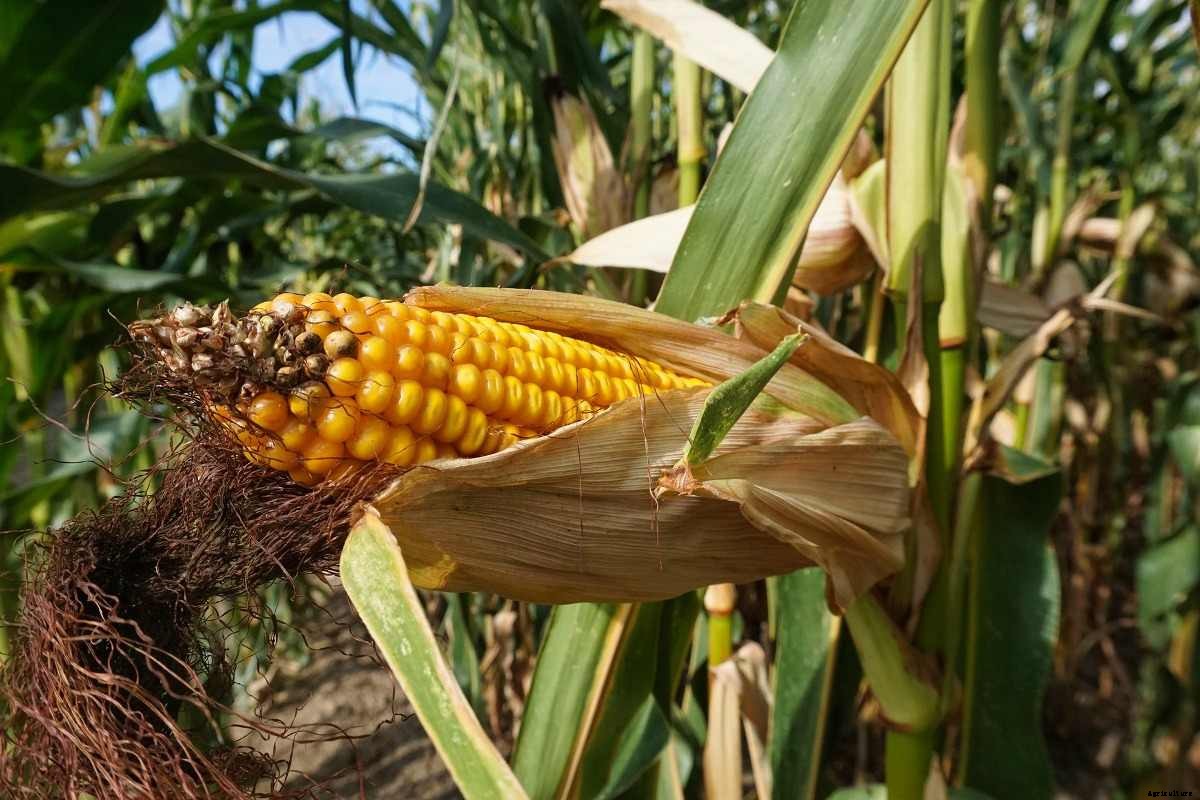
One Maize plant, given adequate growing conditions, will produce between 2 and 4 ears of Maize. Early plant varieties produce fewer, while later-maturing types produce slightly more.
The purple color is from a pigment that forms when there is more sugar in the plant leaves than the plant can utilize. Low phosphorus inhibits sugar movement out of plant leaves, and cool, dry soils reduce root growth and sugar movement to the roots. Both of these increases sugars in the plant and make the tissue turn purple.
Maize planted in cold, wet soil is unlikely to seed germinate. Maize plant grows best in air temperatures from 15 to 35°C. Maize can take from 60 to 100 days to reach harvest depending upon plant variety and the amount of heat during the growing season.
Soil compaction can make over-saturated conditions and stunt Maize plant growth. Plants in overly watered soil can exhibit development and growth issues and appear stunted. Another possible soil problem is nitrogen deficiency and Maize demands a lot of nitrogen.
Maize is ready for harvest 20 days after the silk first appears. At Maize harvest time, the silk turns brown, but the husks are still green. Each stalk has at least one ear near the top. When conditions are right, you can get another ear to lower down on the stalk
Maize plants in many fields are turning red and that is not a good sign for Maize cultivation. The red color is coming from a build-up of sugar in the plant leaves and stalks. Then the build-up of sugar is a result of too few kernels being developed on the ears. Heat stress during pollination was the primary culprit of red color leaves in these fields.
Maize seeds can appear shrunken and shriveled; before they can germinate, they should slowly plump up with water. To help them along, soak dry Maize seeds in water at room temperature overnight before planting.
Maize is easy to grow, but it does require ample growing space and plenty of sunlight. Maize seed, especially the super sweet varieties, needs to be planted after the soil has warmed up to at least 15°C.
Corn growers must be aware of the seed germination process of Maize for better yield of the crop. You may also like How to Make Money from a Dairy Farming Business.


